 bluename
 How to Water Variegated Moon Cactus to Boost Color Vibrancy
If your variegated moon cactus looks dull and washed out, the quickest fix is this: water it only when the soil is completely dry, using a bottom-watering method every 10 to 14 days during active growth. I learned this after killing my first three specimens. I’ve been growing these quirky grafted cacti for over four years now. In this guide, I’ll share my real trial-and-error process over a 2-week observation period. I’ll also walk you through the exact steps I take to revive those pastel pinks and neon yellows. Trust me, I’ve made every mistake in the book. Let’s fix yours.
The Real Reason Your Cactus Looks Pale and Muddy
I remember staring at my first variegated moon cactus. The top was a sad, murky beige. I had no idea what went wrong. I thought more water would help. It didn’t. The truth is, these plants store water in their bodies. They hate wet feet. The vibrant colors you see in photos come from the plant being slightly stressed—the right kind of stress. Too much water dilutes the pigments.90% of indoor plants die from overwatering, and moon cacti are even more sensitive. I had to kill two more before I figured out the balance.
My Personal Wake-Up Call
I bought a beautiful bright pink moon cactus from a nursery. Within a week, the color turned orange, then brown. I panicked and gave it a good soak. That was the death blow. The base rotted within three days. That’s when I started researching properly. I found out that the scion (the colorful top part) gets its nutrients from the rootstock (usually a Hylocereus or similar). If you drown the roots, the top can’t hold its color. The RHS explains that cacti in the Gymnocalycium genus have very low water requirements. I needed to unlearn everything I thought I knew about plant care.
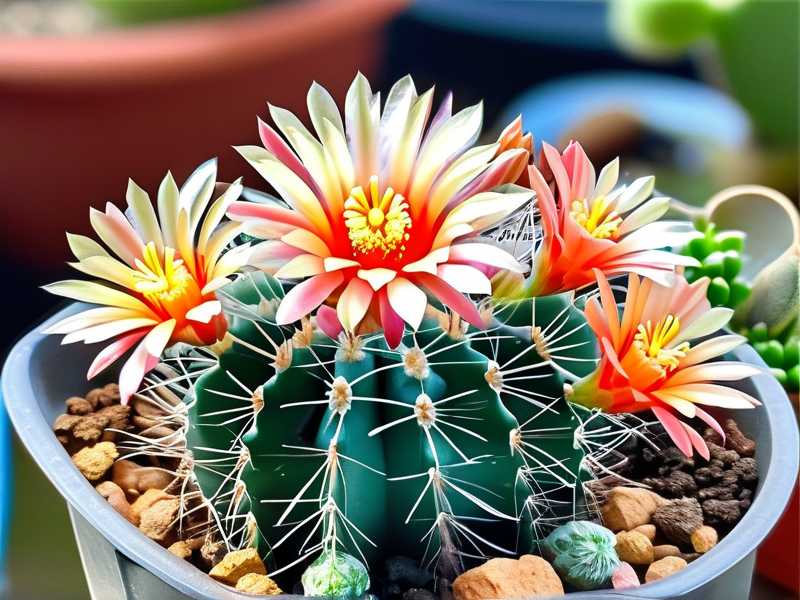
My 2-Week Observation: The Color Shift Log
I decided to run a controlled experiment on my current plant. I wanted to see if strict watering could boost the color. Here’s my exact process. I used a healthy variegated moon cactus that was already a bit pale. The pot had drainage holes. The soil was a gritty cactus mix.
Week 1: The Dry-Out Phase
Day 1: Starting point. The cactus showed a dull orange-pink. I used a moisture meter. The soil was bone dry down to the bottom. The pot felt very light. I did nothing.
Day 3: Checking in. The cactus looked slightly shriveled at the base. The color hadn’t changed yet. I felt nervous. Many people would water here. I didn’t.
Day 5: First sign of color. The top started to look more vibrant. The pale spots seemed to tighten up. I touched it. The skin felt firmer than before.
Day 7: The color deepened. The orange-pink turned into a more saturated coral. I couldn’t believe it. The plant looked healthier even though I hadn’t watered it at all.
Week 2: The First Watering and Reaction
Day 8: Watering day. I filled a shallow tray with filtered water. I placed the pot in the tray. I waited 20 minutes. The water level slowly dropped as the soil absorbed it from the bottom. I removed the pot and let it drain completely. Do not skip this step.
Day 10: The color pop. The cactus looked plump again. The color was noticeably brighter. I noticed the ribs had a deeper pink hue. The variegation patches looked sharper.
Day 14: Final result. The coral color was now vibrant. The tips had a slight neon glow. The yellow sections were clear and not muddy. This was the best color I had ever seen on this plant. The lesson was clear: underwatering during the rest period, then a precise bottom-watering, triggered the color boost.
The 3 Deadly Mistakes That Kill Your Cactus Colors
I made all three of these mistakes. I see beginners repeat them every day on forums. Avoid them to keep your cactus looking bright.
Mistake #1: Watering on a Schedule Instead of Checking the Soil
This is the biggest killer. I used to water my cactus every Sunday. That sounds nice and tidy. But it ignores the plant’s actual needs. My cactus was sitting in wet soil for days. The colors faded quickly.
My fix: I only water when the soil is completely dry. I check by sticking a wooden chopstick into the pot. If it comes out clean, I water. If it has any damp soil stuck to it, I wait another 3 days. Simple as that.
Mistake #2: Putting the Cactus in Wrong Light After Watering
This one is sneaky. I once watered a dry cactus and moved it into full afternoon sun. The water inside the plant heated up. The cells burst. The top developed white scorch marks and the colors never came back fully.
My fix: After watering, I place the cactus in bright indirect light for 24 to 48 hours. I let the water get absorbed into the tissues slowly. Then I move it back to its regular bright spot with some direct morning sun. This prevents light shock.
Mistake #3: Using a Pot That is Too Big or Has No Drainage
I had a beautiful ceramic pot with no holes. I thought it looked cool. The water pooled at the bottom. The roots rotted silently. The top of the cactus turned yellow and soft. It died in two weeks.
My fix: I only use terracotta pots with a drainage hole. The pot is just slightly larger than the root ball. Terracotta absorbs excess moisture. It helps the soil dry faster. The AHS recommends porous containers for cacti to prevent root rot. I follow their advice strictly now.
The Exact Watering Technique: Step by Step
I have fine-tuned this over dozens of plants. This process gives me the brightest colors every time.
Step 1: Water Quality Matters
I use room temperature filtered water. Tap water has minerals and chlorine that can build up in the soil. This causes tip burn and dulls the color. I leave a jug of water out overnight to let the chlorine evaporate. This is a small step with big results.
Step 2: The Bottom-Watering Method
I fill a basin with 2 inches of water. I place the cactus pot inside. The water rises into the soil through the drainage hole. This saturates the root zone without wetting the cactus body. Wetting the body encourages rot. I let it sit for 15 to 25 minutes, depending on how dry the soil is.
Step 3: Drain Fully
After soaking, I lift the pot out. I let it drip in the sink for 10 minutes. Then I put it back in its spot. I never leave water sitting in the saucer. Standing water is an invitation for fungus gnats and root diseases.
Step 4: Adjust Based on Season and Growth
During summer (active growing period), I water every 10 to 14 days. In winter (dormant period), I water once every 5 to 6 weeks. The cactus needs the dry rest to concentrate its pigments. If I water too much in winter, the colors become pale and stretched.
How Light Interacts with Water to Boost Color
Water and light work together. I can’t stress this enough. I used to keep my cactus in a dim corner. Even with perfect watering, the colors were weak.
The Yellow and Pink Connection
Variegated moon cacti have two parts. The green base does photosynthesis. The colorful top lacks chlorophyll. The top gets its energy from the base. If you overwater, the base becomes stressed and sends less energy. The top fades.
I need to give the base lots of bright, indirect light. A south or east-facing window is ideal. The morning sun is gentle. Afternoon sun can burn the top.
Measuring the Light
I use a simple light meter app on my phone. I aim for 15,000 to 25,000 lux for 6 to 8 hours a day. If the light is too low, the plant stretches. The colors become washed out. If the light is too harsh, the pastel colors get bleached.
My Personal Observation
I moved a moon cactus from a north window to a south window. I kept the same watering schedule. Within 10 days, the pink intensified by at least two shades. The yellow patches became brighter. The water uptake also changed. The plant dried out faster, so I needed to water it a little more often. Everything is connected.
Soil Mix: The Silent Partner in Color Vibrancy
The soil determines how water behaves around the roots. If the soil holds water like a sponge, you will never get good colors.
What I Use Now
I make my own mix. I combine 50% pumice, 30% coarse sand, and 20% organic cactus mix. This drains water within seconds. The roots get oxygen. The plant can then focus on producing pigments instead of fighting root rot.
The Drainage Test
Take a handful of your soil. Wet it. Squeeze it. If water streams out and the soil crumbles, it’s perfect. If it forms a muddy ball, it’s too heavy. I killed my fourth cactus with a bagged potting soil. Never use regular potting soil.
Troubleshooting Common Color Problems
I still get issues sometimes. Here’s what I do when the color isn’t right.
My Cactus is Turning Brown at the Base
This is usually sunburn or a fungal issue. I check the soil moisture. If it’s wet, I stop watering immediately. I move the plant to a slightly shadier spot for a week. The brown spots often stop spreading. If not, I cut off the rotted part and regraft the top.
The Top is Turning Green
This happens when the cactus is not getting enough light. The top produces chlorophyll to survive. It loses its variegated colors. I move it to a brighter window. It usually takes 2 weeks to see the colors return.
The Colors are Fading After Watering
This is my old friend. It means the water was too much or too frequent. I skip the next watering by 5 extra days. I also check the pot size. Sometimes the pot is too large, holding too much wet soil.
Expert Tips for Sustained Vibrancy
I’ve learned a few extra tricks over the years. I want to share them with you.
The Fertilizer Trick
I feed the cactus once a month during summer. I use a low-nitrogen fertilizer diluted to half strength. Too much nitrogen makes the plant grow fast but lose color. I use a formula high in potassium and phosphorus. This boosts flower bud formation and pigment production.
Temperature Swings
Moon cacti like warmth during the day and coolness at night. I keep mine in a spot where the temperature drops about 10 degrees at night. This mimics their natural environment. The color seems to hold better with this temperature dip.
Rotating the Pot
I rotate my cactus 90 degrees every week. This ensures even light exposure. If one side is shaded, that side will become pale. I forget to do this sometimes, and I always regret it.
FAQ: People Ask Me These Questions
Q: How do I know if I’m overwatering my variegated moon cactus?
A: You will see the stem turning soft, yellow, or brown near the base. The top will look mushy. The soil will feel wet. If you see these signs, stop watering. Take the plant out of the pot. Cut off any rotten roots with a sterile knife. Let it dry for 3 days before repotting.
Q: Can I mist the cactus to boost humidity?
A: I never mist my moon cactus. The scion is sensitive to moisture on its skin. Misting can cause fungal spots. It also promotes corking (brown scaly patches). Dry air is fine. These cacti are adapted to arid conditions.
Q: Should I water my cactus after repotting?
A: No. Wait at least 5 to 7 days after repotting. Repotting damages the roots. If you water immediately, the damaged roots will rot. I waited only 2 days once and the plant died. Let the roots heal first. Give the soil a very light spritz if you are worried.
My Final Thoughts on Watering and Color
I have learned that less is more. My variegated moon cactus looks its best when I step back. I let the soil dry out completely. I wait until the plant looks slightly thirsty. That’s when the colors snap into focus. It’s a counter-intuitive approach. But it works.
Start with your watering schedule today. Check your soil. Move your plant to a brighter spot. Give it a week. You will see the difference. I did. And I’ve never gone back to my old overwatering ways.





