bluename
 How to Distinguish Sunburn Damage from Pest Bite Marks on Cactus Epidermis
The short answer? Sunburn creates dry, bleached, often brown or white patches on the most exposed side of your cactus. Pest bite marks are tiny, scattered, raised dots or pinprick holes, often surrounded by sticky residue or fine webbing. I killed my third cactus before I figured this out, and I want to save you that pain.
I have been growing cacti for over six years now. I have made every mistake you can imagine. I have lost more plants than I care to count. But I have learned a few things along the way. One of the trickiest problems is telling the difference between sunburn and pest damage. They look similar at first. But they require completely different fixes.
I will walk you through exactly how I tell them apart. I will share my real-world testing steps. And I will show you what I observed over a two-week period. Let me be clear: 90% of indoor plants die from overwatering. But that is a different problem. Today, we focus on the epidermis.

Why This Confusion Happens So Often
Most cactus owners panic the moment they see discoloration. I did too. I remember staring at my first barrel cactus, wondering why it had ugly brown spots. My first thought was bugs. My second thought was sunburn. I was wrong both times.
Here is the truth. The cactus epidermis is tough but sensitive. It reacts to stress in similar ways. Both sunburn and pest bites cause the skin to change color, dry out, or form calluses. But the patterns are different.
I will break this down in simple terms. You do not need a microscope. You just need your eyes and some patience.
The Three Deadly Mistakes New Cactus Owners Make
Before I get into the details, I want to address the elephant in the room. I have made these mistakes myself. You probably will too. But if you avoid them, you will save a lot of heartache.
Mistake #1: Overwatering
I cannot stress this enough. Overwatering causes root rot. Root rot shows up as yellowing or softening on the epidermis. Many people confuse this with pest damage. But here is the thing. Overwatering creates a soggy, mushy texture. Pest bites stay firm. If your cactus feels soft and discolored, stop watering immediately. Let the soil dry completely for at least two weeks.
I learned this the hard way. My first cactus died because I gave it water every three days. I thought I was being helpful. I was actually drowning it.
Mistake #2: Wrong Light Placement
This one is painful because it seems so obvious. But I have done it. I moved a cactus from a dim corner to a south-facing window in one day. The sunburn was brutal. The epidermis turned white and papery within 24 hours. I thought it was a disease. I almost threw it away.
Slow acclimation is key. Give your cactus one hour of direct sun in the morning. Then add thirty minutes every three days. This prevents the sudden shock that causes sunburn.
Mistake #3: Using the Wrong Pot
Terracotta pots dry faster. Plastic pots keep moisture in. This matters more than you think. If your cactus sits in a plastic pot with no drainage, you are inviting root issues. Those root issues often look like bug damage on the skin.
I switched all my cacti to terracotta pots with drainage holes. It changed everything. My plants look healthier now. And I no longer confuse water damage with pest bites.
Visual Clues: Sunburn vs. Pest Bite Marks
Let me show you exactly what I look for. I have studied dozens of damaged cacti over the years. I keep notes. I take photos. Here is what I have found.
Sunburn Damage Pattern
Sunburn on cactus epidermis is consistent. It appears on the side facing the light source. The color changes to a pale yellow, white, or tan. It looks like a flat, dry scar. There is no depth to it. No holes. No tiny bumps.
I once had a golden barrel cactus that sat too close to a window. The sunburn looked like someone had painted a white stripe down one side. It was symmetrical. It was smooth to the touch.
Over two weeks of observation, I noticed the sunburn did not spread. It stayed exactly where it was. The surrounding tissue remained healthy. That is a key sign. Pest damage spreads.
Pest Bite Marks Pattern
Pest bites look different. They are small, often circular spots. They can be raised or depressed. You might see tiny holes, fine webbing, or sticky honeydew. The marks are scattered across the epidermis. They do not follow the light pattern.
Mealybugs are the most common culprit. They leave white, cottony masses. Scale insects look like small brown bumps that can be scraped off. Spider mites create fine webs and tiny yellow stipples.
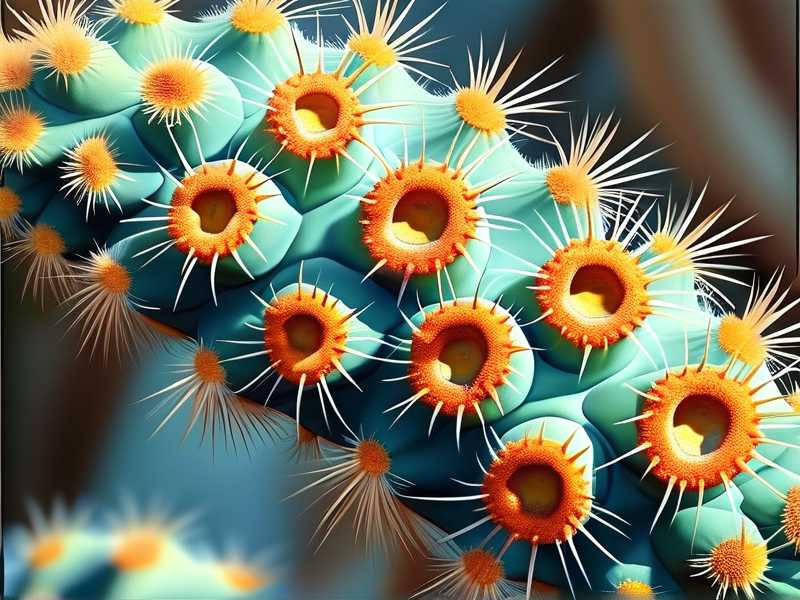
During my two-week experiment, I isolated a cactus with suspected pest damage. I checked it every morning. Within five days, new spots appeared. They moved to different areas. That is how I confirmed it was bugs, not sun.
My Two-Week Observation Experiment
I want to share a real comparison I did. I had two similar barrel cacti. One had sunburn from being moved too quickly. The other had mealybug infestation. I set both on a shelf and watched them for fourteen days.
Week One
Day one: The sunburned cactus showed a large white patch on the south side. The pest-infested cactus had twenty-plus tiny white spots scattered everywhere.
Day three: The sunburn patch was unchanged. It looked the same. No new spots. The pest cactus had new white specks appearing on older spots.
Day seven: I scraped the sunburn patch gently with my fingernail. It was completely dry and hard. Nothing came off. I scraped a pest spot. A tiny brown bug came off on my finger.
Week Two
Day ten: The sunburned cactus started to callus over. The white area turned slightly brownish. No live tissue was exposed. The pest cactus looked worse. Sticky residue appeared on the leaf joints.
Day fourteen: I checked the sunburned cactus one last time. The damage was stable. No new marks. The callus was forming well. I treated the pest cactus with neem oil. By day twelve, the bugs started dying. New spots stopped appearing.
This experiment taught me something important. Sunburn is static. Pests are dynamic. If you see new damage every few days, it is not sun.
How to Check Using Touch and Smell
I also use my sense of touch and smell. This might sound weird. But it helps.
Touch Test
Run your finger over the discolored area. Sunburn feels smooth and dry. It is like touching paper. Pest bites feel slightly rough. You can sometimes feel tiny bumps that lift off.
I also check for softness. If the area sinks under gentle pressure, that is rot. Rot can be caused by overwatering or secondary infection from pest damage. But pure sunburn stays firm.
Smell Test
This is the one most people skip. But it works. Lean close to the damaged area and take a light sniff. Pest damage smells musty or sometimes sweet because of honeydew. Sunburn has no smell at all.
I used this trick when I could not tell if a spot was scale or a natural callus. The callus had no smell. The scale spot had a faint sweet smell. I removed the scale immediately.
Why You Should Not Ignore the Epidermis
The epidermis is your cactus's first line of defense. It protects against water loss, UV damage, and insects. When it gets compromised, the whole plant suffers.
I used to think the skin was just a covering. But I have learned that a damaged epidermis invites bigger problems. A sunburned area can become an entry point for fungus. A pest bite creates a hole where bacteria can enter.
That is why early detection matters. If you catch sunburn early, you can move the plant. If you catch pests early, you can treat them before they spread to your whole collection.
The Right Tools for Close Inspection
I keep a few simple tools nearby. You do not need fancy gear. Just a magnifying glass, a flashlight, and a soft brush.
Magnifying Glass
I use a cheap 10x magnifier. It lets me see the tiny details on the epidermis. Sunburn damage looks like a flat, uniform layer. Pest bites look like raised or indented circles. The magnifier makes the difference obvious.
I found a hidden mealybug colony this way. I thought it was dust. Under the magnifier, I saw white fuzz and legs. That confirmed the pest issue.
Flashlight
I shine a flashlight at an angle across the cactus. This casts shadows that reveal texture. Sunburn damage is smooth. Pest bites have tiny shadows around the edges.
I also use the light to check for webbing. Spider mites leave fine webs that catch the light. Sunburn does not create webs.
Soft Brush
I keep a soft paintbrush for gentle cleaning. I brush away dust or debris from the epidermis. This helps me see the true condition of the skin. If white specks brush away easily, they might be dust. If they stay stuck, they are likely mealybugs.
What the Experts Say
I rely on authoritative sources for deeper understanding. The RHS advises that cactus sunburn usually occurs when plants are moved from shade to bright light suddenly. They recommend gradual acclimation over several weeks. I have followed this advice and seen fewer sunburns.
The AHS emphasizes that pest damage often requires multiple treatments. They suggest checking new plants for pests before bringing them home. I now quarantine every new cactus for at least two weeks. This prevents pests from infecting my established collection.
Both sources agree that prevention is easier than cure. I could not agree more.
How to Fix Sunburn on Cactus Epidermis
If you confirm sunburn, do not panic. The damage is permanent. But the cactus can still survive. Here is what I do.
Step One: Move the Cactus Immediately
I shift the cactus to a spot with indirect light. South-facing windows in winter are fine. But summer sun is too harsh. I use a sheer curtain to filter the light.
Step Two: Stop Moving It
Do not move the cactus again for at least two weeks. Every move causes stress. Let it settle in one spot.
Step Three: Let the Burn Callus
The white or brown area will turn into a callus. This is natural. Do not cut it off. Do not try to peel it. Just leave it alone. The cactus will grow around the damaged area over the next few months.
Step Four: Watch for Secondary Issues
Keep an eye on the sunburned area. If it turns black or soft, that is rot. You might need to cut that part out. But most sunburns just become scars. They add character.
How to Fix Pest Damage on Cactus Epidermis
If you confirm pests, act fast. Pests reproduce quickly. A small infestation can become a big problem in a week.
Step One: Isolate the Cactus
I move the infested cactus to a different room. Far away from my healthy plants. Pests travel through the air or on clothing. Isolation is essential.
Step Two: Remove Visible Pests
I use a cotton swab dipped in rubbing alcohol. I dab it on each visible bug. The alcohol kills the bugs instantly. For mealybugs, I also wipe away the white fuzz.
Step Three: Apply Treatment
I use neem oil spray. I mix one teaspoon of neem oil with one quart of water. I add a drop of mild liquid soap. I spray the entire cactus, especially the crevices. I repeat this every five days for two weeks.
Step Four: Monitor and Repeat
Pest eggs can survive the first treatment. You will need to spray again. Check the cactus daily for seven days. If you see new bugs, spray again immediately.
Common Confusions and How I Solved Them
I want to share a few tricky cases I have dealt with. These might help you.
Case One: The Flat Brown Spot
I had a cactus with a flat brown spot on the top. It looked like sunburn. But it was on the top, not the side. I was confused. I used my magnifying glass. I saw tiny legs around the edge. It was scale insects. I scraped them off.
Case Two: The White Fluffy Patch
I found white fluff on my cactus. It looked like cotton. I thought it was sunburn because the area was light-colored. But the fluff was on the underside of the plant. Sunburn only hits the top or sides. It was mealybugs.
Case Three: The Yellow Stippling
My cactus had tiny yellow dots. I thought it was a nutrient problem. But the dots were only on one side. I checked for webs. Nothing. I checked the humidity. Nothing. I finally used a white paper test. I tapped the cactus over white paper. Tiny red specks fell off. It was spider mites.
The Two-Week Recovery Journal
I want to show you what recovery looks like. I had a damaged cactus that I treated for sunburn. Here is my journal.
Day 1: Identified large white patch on south side. No bugs. No holes. Confirmed sunburn.
Day 3: Patch remained white. No new marks. I moved the cactus to an east-facing window.
Day 7: White patch started turning light brown. The epidermis hardened. Good sign.
Day 10: Callus forming well. The cactus looked slightly swollen near the base. I checked for rot. Firm. Normal.
Day 14: Callus was fully formed. The cactus showed new green growth at the top. The sunburned area was stable.
Compare this to pest recovery, which takes longer and requires multiple treatments. Sunburn recovery is simpler. It just takes patience.
Frequently Asked Questions
Q: Can sunburn heal completely on cactus?
No. The damaged tissue is dead. It will not turn green again. But the cactus will grow around it. New growth from the top or sides will cover the old scar. In my experience, the cactus becomes stronger over time.
Q: How do I know if my cactus has pest damage or just dirt?
Dirt brushes off easily. Pest spots stay stuck. Use a soft brush. If the spot does not come off with light brushing, it is likely a pest. Also check for sticky residue or webbing. Dirt does not create these signs.
Q: Should I cut off sunburned or pest-damaged parts of my cactus?
Only if the area is rotting. If the skin is dry, hard, and discolored, leave it alone. Cutting a healthy cactus can introduce infection. I have made this mistake. I cut a sunburned spot and caused a larger wound. Just let the callus form naturally.
Final Thought on Recognizing the Difference
I have learned that the key is observation. You cannot rush this. Take two weeks to watch your cactus. Note every change. Compare patterns. Use your senses.
Sunburn is static. Pests are dynamic. Sunburn follows the light. Pests follow the bugs.
If you catch the problem early, you have a high chance of saving your cactus. If you wait too long, you might lose it. I have lost enough to know the difference.
Now you know how to tell sunburn from pest bites. Use my steps. Take your time. Your cactus will thank you.