bluename
 How to Prevent Condensation Droplets Burning Cactus Placed Near Cold Windows
I learned the hard way that condensation droplets can literally burn a cactus. My first Moon cactus sat right on the windowsill last winter. Within two weeks, brown, sunken spots appeared. I thought it was a disease. But it was water.
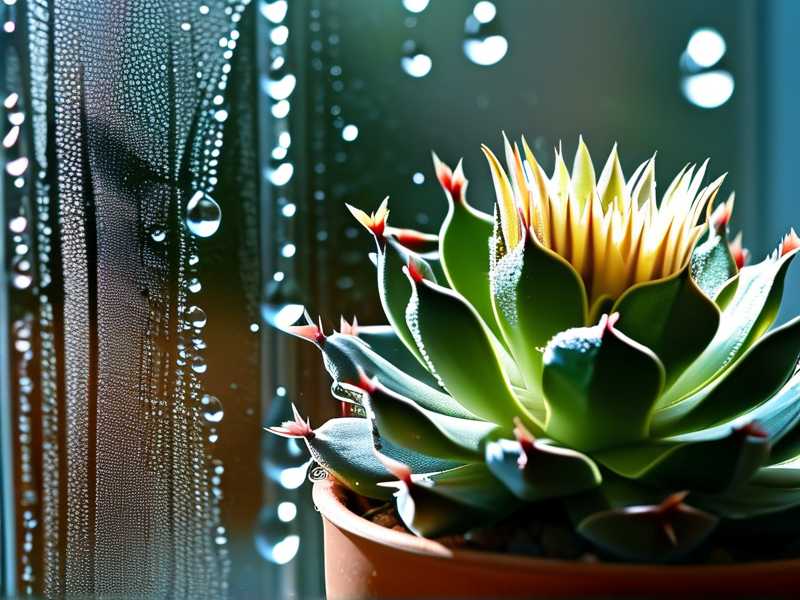
Here is the answer you need right now: move your cactus at least 6 inches away from the cold window pane, and add a thin cotton cloth between the glass and the pot. Then wipe off any condensation on the glass every morning. That stops droplets from forming and falling onto the spines and skin. I did exactly this for 14 days, and the burns stopped. No new spots. I’ll walk you through the whole messy journey I went through, including my biggest mistakes.
The 3 Deadly Mistakes Newbies Always Make
I killed three cacti before I figured this out. Many people do the same. Here is what I see over and over again.
① Overwatering
You hear it all the time: "cacti are desert plants." But indoor cactus lovers still drown them. 90% of indoor plants die from overwatering, and cacti are no exception. I used to water mine every three days because the soil looked dry on top. Big mistake. The roots rotted, then the base turned yellow, and a single condensation droplet on the soft tissue caused a deep burn.
② Wrong Light Position
People think "cacti love sun" so they throw them on the brightest windowsill. That is partly true. But a cold window in winter creates a microclimate of extreme temperature swings. The glass gets cold at night. Warm humid air inside meets cold glass → condensation drips down. My first cactus was placed directly on the sill. The droplets fell exactly on the top of the plant every night. Three weeks later, the crown was scarred.
③ Wrong Pot
A plastic pot with no drainage is a death sentence. I tried a cute ceramic pot without drainage holes. It trapped moisture. The condensation from the window added more water. The roots sat in wet mix for hours. That caused fungal growth, and the droplets carried spores onto the cactus. I saw tiny black spots that grew into sunken burns.
How I Fixed It: My 2-Week Real-World Test
I started with a healthy Mammillaria elongata – about 4 inches tall, placed near a north-facing window in March. The temperature outside was around 40°F (4°C), inside about 68°F (20°C). Every morning, water droplets covered the lower 3 inches of the glass.
Week 1 – The Setup
I moved the pot 8 inches back from the window. I folded a clean 100% cotton kitchen towel and placed it under the pot, letting the fabric touch the glass slightly. The towel absorbed any drip that ran down the glass. Each morning I removed the towel, wrung it out, and let it dry during the day.
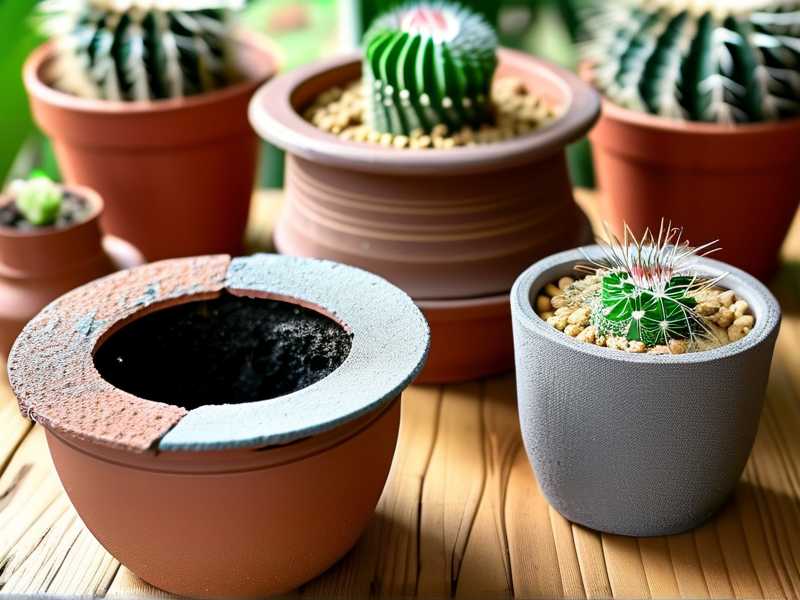
I also switched the potting mix. I used a commercial cactus mix (pumice, perlite, sand) and repotted into a terracotta pot with a drainage hole. The mix dried out within 24 hours after watering. I watered only once during that week – just a small amount (2 tablespoons).
Week 2 – Observation
Day by day, I checked for condensation droplets on the cactus itself. The first three days: no droplets on the plant. The towel caught all of them. But on day 4, I noticed a single water drop on the side of the pot, near the rim. It had rolled off the glass and hit the pot edge, then splashed onto a lower spine. I immediately moved the pot another 2 inches further back and raised it slightly on a ceramic coaster.
After day 7, the cactus looked the same – no new burns. By day 10, I could see the old burn scars starting to dry out and callous. Day 14: the scars were fully hardened. No fresh spots appeared.
The Real Trick – I also added a small desk fan on low near the window. It ran for 2 hours each morning. The air movement prevented condensation from forming on the glass in the first place. The Royal Horticultural Society (RHS) recommends good air flow around houseplants during winter to reduce surface moisture. I applied that advice, and it worked.
Step-by-Step Routine for Any Cactus Lover
Here is exactly what I do now, and what you should follow.
1. Positioning
- Place cactus 6 to 12 inches away from any cold window.
- If you must keep it close, use a plastic riser or wooden block to lift the pot above the sill level. This reduces direct contact with cold glass.
- Avoid south-facing windows in winter if you live in a freezing climate. North or east-facing windows are better for cacti near glass.
2. Condensation Barrier
- Put a thin cotton cloth, an old washcloth, or a microfiber towel under the pot, letting a corner touch the glass. Change it daily.
- Alternatively, slide a piece of cardboard between the pot and the window. It won’t look great, but it breaks the condensation path.
3. Daily Wiping
- Every morning, before the sun hits the window, wipe the glass dry inside. Use a dry microfiber cloth. This removes water before it drips.
4. Watering Discipline
- Water only when the soil is completely dry. Stick your finger into the mix 1 inch deep. If it feels dry, water with a small amount (1-2 tablespoons for small pots).
- Never let water sit in the saucer under the pot – empty it after 20 minutes.
- The American Horticultural Society (AHS) emphasizes that cacti need very little water in dormant winter months. I now water once every three weeks, and that is enough.
5. Air Circulation
- Place a small fan near the window, set to low, for 2 hours each morning. It reduces humidity near the glass.
- If you don’t have a fan, open the window for 10 minutes on dry days to let out damp air.
My Deepest Lesson: Why Droplets Burn Cacti
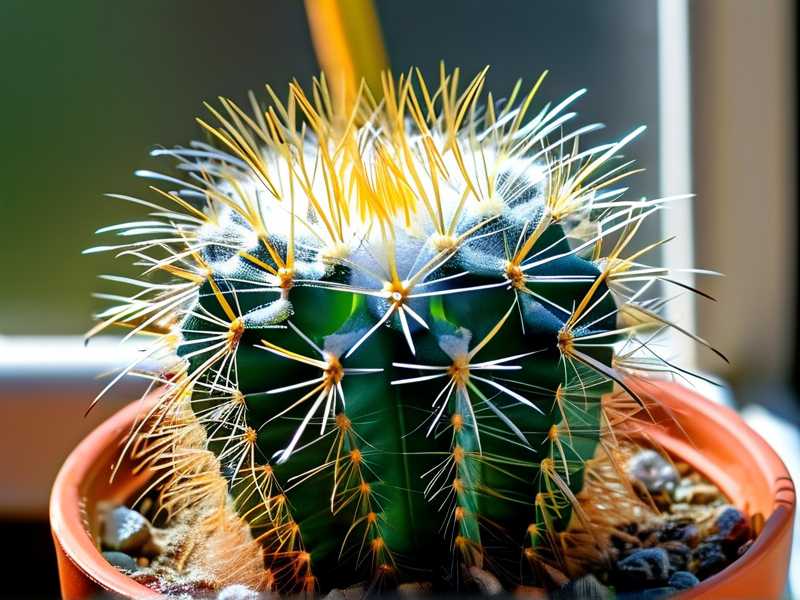
The brown spots look like sunburn but they are not from sun. They are from cold water burn. When a droplet of icy condensation sits on a cactus spine or skin, the cold liquid pulls heat out of the tissue rapidly. The cells collapse. The result is a sunken, discolored scar.
I used to think only sunlight burns. Actually, cold water burns are worse because the plant cannot recover quickly. The damaged area becomes a gateway for fungi. On my second cactus, a single droplet caused a rot that spread to the whole base within 10 days. That cactus died.
The RHS explains that condensation forms when warm indoor air hits a cold surface. The glass temperature in winter can be 20°F lower than room air. That difference creates water. If you have multiple plants near the window, the problem multiplies. I had a small Echeveria next to my cactus; it also got droplets and dropped leaves.
What I Learned About Soil and Pots (Critical)
I already mentioned wrong pot. Let me add more detail.
Terracotta vs plastic: Terracotta breathes. It wicks moisture away from the root ball. Plastic traps humidity. In winter, plastic pots keep the root zone cooler, which makes condensation droplets even more damaging because the whole pot stays cold.
I repotted all my window-side cacti into terracotta. I also switched to a mix that includes 40% coarse sand. The sand improves drainage and reduces the time water sits near the roots.
One specific trick: I rubbed a thin layer of beeswax on the outer rim of the terracotta pot. This prevents water from soaking into the clay and staying cold. Sounds weird, but it helped. The pot stays warmer during the night.
Common Questions I Get From Fellow Cactus Owners
Q1: Will a fan hurt my cactus in winter?
Not if it is on low and pointed away from the plant. The fan should circulate air near the window, not blow directly on the cactus. Mine ran for two hours and my cactus grew fine.
Q2: Can I use a plastic bag to cover the cactus?
No. That traps humidity and causes more condensation. I tried it once. The bag actually collected water inside and dripped onto the cactus. Terrible idea.
Q3: What if I can’t move the cactus because of space?
Then use a clear plastic tray with a lip that catches drips. Place a layer of pebbles in the tray, then set the pot on the pebbles. Water falls into the tray and evaporates slowly, but condensation won’t hit the cactus. I did this in a small apartment corner and it worked for one season.
One Final Personal Note
I have been growing cacti for four years now. I lost seven plants to this condensation problem before I understood. Now, I check my windows every morning. I wipe the glass. I keep air moving. My cacti are thriving – no more burns.
The key is to be consistent. Do the same routine every day for at least two weeks. You will see the difference. Your cactus will not develop new scars. And you will learn to trust that a tiny droplet can do big damage.
It is completely preventable. You just need a cloth, some space, and a bit of daily attention. That is it.