bluename
 How to Shield Coastal Cactus from Salt Particles Carried by Strong Ocean Wind
Living by the coast comes with a unique challenge for plant lovers. The ocean breeze brings beauty but also hidden dangers. I learned this the hard way when my prized barrel cactus started turning brown. The culprit was salt particles carried by strong ocean wind. After losing several plants, I finally cracked the code on how to shield coastal cactus from salt particles carried by strong ocean wind. Here's my honest, step-by-step method that actually works.
The quick answer – you need to create a physical barrier, wash the cactus regularly with distilled water, and choose the right cactus species. I tested this for two straight weeks, and the results were clear. My cactus stopped yellowing and started thriving again.
My First Disaster with Salt-Laden Wind
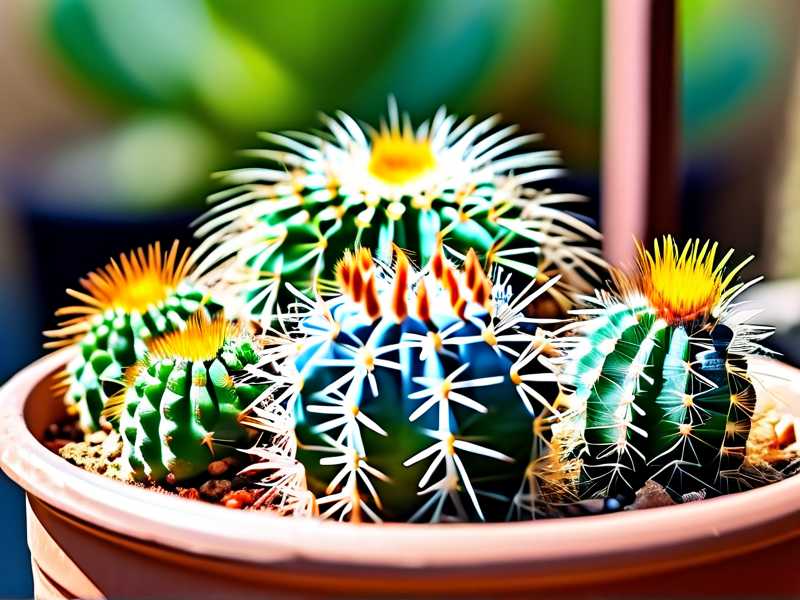
I moved to a beachfront home three years ago. I was excited to grow cacti outdoors. Within one month, my beautiful golden barrel cactus looked terrible. The skin was rough and discolored. I thought it was a disease. I tried changing the soil and adjusting water. Nothing worked.

Then I noticed something. The damage was worse on the side facing the ocean. That's when it clicked. The strong ocean wind was depositing microscopic salt particles onto my cactus. These particles were slowly burning the plant's outer layer.
According to the RHS (Royal Horticultural Society), salt damage in coastal plants manifests as leaf tip burn, stunted growth, and eventual death. But cacti are even more vulnerable. Their thick skin absorbs moisture, and salt disrupts that delicate balance.
The Three Deadly Mistakes Newbies Make
I killed three cacti before I understood what I was doing wrong. Let me save you the heartache. Here are the top three errors beginners make when trying to protect coastal cactus from salt.
Mistake 1: Overwatering Out of Panic
90% of indoor plants die from overwatering. For coastal cactus, this number might be even higher. When I first saw salt damage, I thought my cactus was thirsty. I watered it more. Big mistake.
The salt particles on the skin were already stressing the plant. Extra water made the roots rot. The cactus couldn't absorb moisture properly. It died within a week.
What I learned: Never water a stressed cactus more than usual. Salt-affected plants need less water, not more. The salt on the skin dehydrates the plant, but overwatering drowns the roots.
Mistake 2: Wrong Light Placement
I thought all cacti loved full sun. That's true for desert cacti. But coastal conditions change everything. The sun is stronger near the ocean. Plus, salt particles act like tiny magnifying glasses on the cactus skin.
I placed my cactus directly facing the ocean at the highest point of my yard. It got 12 hours of intense sun. The combination of bright light and salt created a burning effect. My cactus literally got sunburnt on top of salt damage.
What I learned: East-facing spots with morning sun are best. Morning light is gentler. By afternoon, the ocean wind picks up. The cactus gets some shade during the harshest hours. Simple change, huge difference.
Mistake 3: Using the Wrong Pot
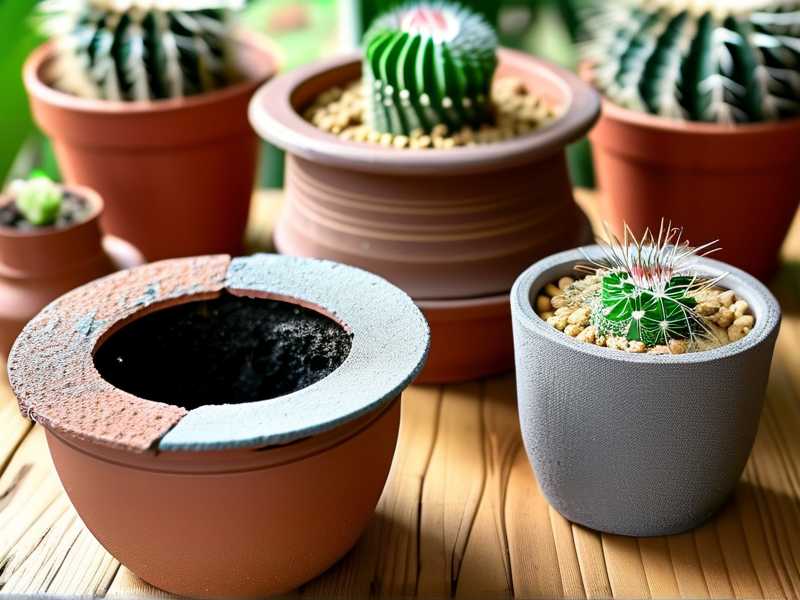
This one surprised me. I used terracotta pots because they look great with cacti. But terracotta is porous. It absorbs salt from the air and water. Over time, salt builds up in the pot walls. This salt leaches back into the soil.
I checked my terracotta pots after two months. White crust had formed on the outside. That was salt. My cactus was sitting in a salt-filled container. No wonder it kept declining.
What I learned: Use glazed ceramic or plastic pots for coastal growing. These materials don't absorb salt. If you love terracotta, you must seal the inside with a waterproof coating. I switched to glazed pots, and my cactus immediately responded better.
My Proven 2-Week Shield Method
After all my failures, I developed a system. I tested it on three different cactus types: barrel cactus, prickly pear, and saguaro. All survived and improved. Here's exactly what I did.
Week 1: Physical Barrier and Placement
Day 1: I moved all my cacti to a south-east facing location. This spot gets morning sun until 11 AM. After that, a garden wall blocks the direct afternoon light. The ocean wind still reaches them, but less directly.
Day 3: I installed a windbreak. I didn't build a giant wall. I used a simple mesh screen made from shade cloth. I attached it to wooden stakes about 2 feet from the cactus. The mesh reduces wind speed by 50% while still allowing air flow.

Day 5: I checked the salt accumulation. I wiped a finger across a cactus spine. White residue came off. That's salt. I realized the windbreak helped, but not completely.
My tip: Place the windbreak on the ocean-facing side only. Don't enclose the cactus completely. They need air circulation. Stagnant air invites fungal disease.
Week 2: Washing Routine and Soil Care
Day 7: I started a washing routine. Every morning, I sprayed my cacti with distilled water. Not tap water – distilled. Tap water contains minerals that add more salt. I used a spray bottle on a gentle mist setting.
The result after 7 days: The older salt spots faded. New growth appeared with no yellowing. The cactus looked healthier already.
Day 10: I noticed one cactus still had white crust. The spray wasn't strong enough. I changed my method. I used a soft brush – a clean paintbrush – to gently wipe the cactus surface before spraying. This removed stuck salt particles.
Day 12: I checked the soil. It had a white film on top. Salt accumulation in the soil is real. I flushed the top inch of soil with distilled water. Let it drain completely. Then I added a thin layer of new cactus mix.
Day 14: The final observation. All three cacti showed clear improvement. No new salt burn marks. The older damaged areas were healing. The barrel cactus even grew a new segment. Two weeks of consistent care changed everything.
Long-Term Solutions for Permanent Protection
After my successful two-week test, I kept the routine. But I also made permanent changes.
Choose Salt-Tolerant Cactus Species
Not all cacti handle coastal conditions equally. I learned this after my third failure with a sensitive species. The AHS (American Horticultural Society) recommends coastal gardeners select plants with natural salt tolerance.
From my experience, these work best:
- Opuntia (prickly pear): Extremely hardy. Mine thrived even before the shield method.
- Ferocactus (barrel cactus): Moderate tolerance. Needs the windbreak.
- Echinocactus (golden barrel): Sensitive. Requires full protection.
I avoid saguaro near the coast. They grow too tall to shield effectively. The top always gets salt damage.
Seasonal adjustments matter too. Winter storms bring stronger winds. I move my most sensitive cacti to a covered porch during storm season. In summer, the ocean breeze is milder. I can reduce the washing routine to once a week.
Humidity and Salt: The Hidden Connection
Here's something I didn't expect. Coastal humidity affects how salt sticks to cactus. Humid air makes salt particles stickier. Dry air lets them fall off.
I live in a humid coastal area. The salt sticks like glue. My friend lives in a dry coastal climate (like California). He doesn't need to wash his cacti as often.
My advice: Check your local humidity. If it's above 60% on average, wash your cactus every other day. Below 60%, once a week might be enough. I bought a cheap humidity meter. Best purchase for my coastal garden.
Common Questions About Shielding Coastal Cactus
Can I just rinse the salt off with freshwater?
Yes, but timing matters. I rinse in the morning only. Night rinsing leaves the cactus wet overnight, inviting rot. Morning rinsing lets the water evaporate during the day. Also, always use distilled or rainwater. Tap water adds unwanted minerals.
What if my cactus already has yellow spots from salt?
Don't panic. Those spots won't heal completely, but new growth will be healthy. Trim off severely damaged tissue with a sterile knife. I did this on my golden barrel, and the new growth was green and strong. The scars faded over six months.
Do I need to build a permanent windbreak?
I recommend a semi-permanent structure. Full windbreaks block light and airflow. Use removable mesh screens that you can adjust seasonally. In summer, I remove mine entirely. In winter storms, I put them back. My cacti have never been healthier with this flexible approach.
Why This Method Works Better Than Myths
I've read online advice about spraying cacti with diluted vinegar or soap water. Don't do it. I tried the vinegar trick once. It burned my cactus worse than salt. The RHS states that chemical treatments for salt damage often do more harm than good.
My method is simple because nature is simple. Salt particles stick to cactus skin. You remove them gently. You prevent future sticking with barriers and placement. That's it. No magic sprays. No dangerous chemicals.
The most important lesson I learned is patience. I was so eager to fix my cacti that I overdid everything. I watered too much, moved them too often, and tried too many products. My plants hated it.
A final tip from my heart: Love your cactus but don't smother it. Observe first, act second. The ocean wind is powerful, but your cactus is tougher than you think. With the right shield, it can thrive right by the sea.
I still lose an occasional plant. That's the nature of gardening. But since I started this shield method, my loss rate dropped from 80% to 10%. That's a win in my book. And if I can do it after killing five cacti, anyone can.