bluename
 How to Avoid Repeated Relocation Creating Constant Stress for Potted Cactus
Let me be blunt: if you’re moving your cactus every week to chase sunlight or fix some issue, you’re making it miserable. I learned this the hard way after killing three cacti in two years. The solution? Stop relocating your potted cactus repeatedly. Give it one stable spot with the right light and leave it alone. I’ll show you exactly how I did this over two weeks, including the mistakes I made and the fixes that worked. Trust me, 90% of indoor plants die from overwatering, and relocation stress just adds to the problem.
Why Relocation Stress Kills Your Cactus Slowly
I used to think my cactus just needed more sun. So I’d move it from the windowsill to the balcony, then back to the living room. Every day, it looked worse. After two weeks of this chaos, I noticed the skin turning yellow and soft. That’s when I realized: this plant hates movement. It’s not a drama queen—it’s a desert native that evolved to stay put.
The RHS explains that cacti adapt to stable environments. Moving them triggers shock, which messes with their internal clock. They stop absorbing water properly, and soon enough, you’re blaming yourself for overwatering or underwatering. Actually, it’s the constant relocation that’s the real issue.
I spoke with a friend who works at the AHS, and she said, “Cacti need consistency more than anything else.” That stuck with me. So I built my whole approach around that idea.
The First Wrong Move: Overwatering in Hiding
Here’s the first mistake I made: I watered my cactus every time I moved it. Looking back, that was stupid. 90% of indoor plants die from overwatering, and my cactus was no exception. After relocating it to a brighter spot, I’d think, “Oh, it needs a drink now.” Wrong. The soil would stay wet for days, and the roots would rot.
I learned this after my second cactus died. The soil was still damp a week after watering. I felt like an idiot. The fix? Stop watering on a schedule. Only water when the soil is completely dry. I tested this with my current cactus: I moved it once to a stable spot, then waited two full weeks before watering. The soil dried out perfectly, and the roots stayed healthy.
The Second Wrong Move: Light Confusion
My second major mistake was thinking cacti need direct sun all day. I’d move my plant to the sunniest window, then panic when it turned red. That’s actually sunburn. I read on the RHS website that cacti need bright but indirect light for most of the day. They can handle a few hours of direct sun, but not all day.
I relocated my cactus to a south-facing window for three days, and the tips started browning. That’s when I gave up on constant movement. I placed it on a shelf with east-facing light for two weeks. The result? It stayed green and plump. No more stress.
So here’s my rule: pick one spot with bright, indirect light and leave the potted cactus there. If you want to move it, do it gradually over a week. I tried moving it just six inches away from the window once—that was enough to trigger yellowing. Don’t be that person.
The Third Wrong Move: Wrong Pot Choice
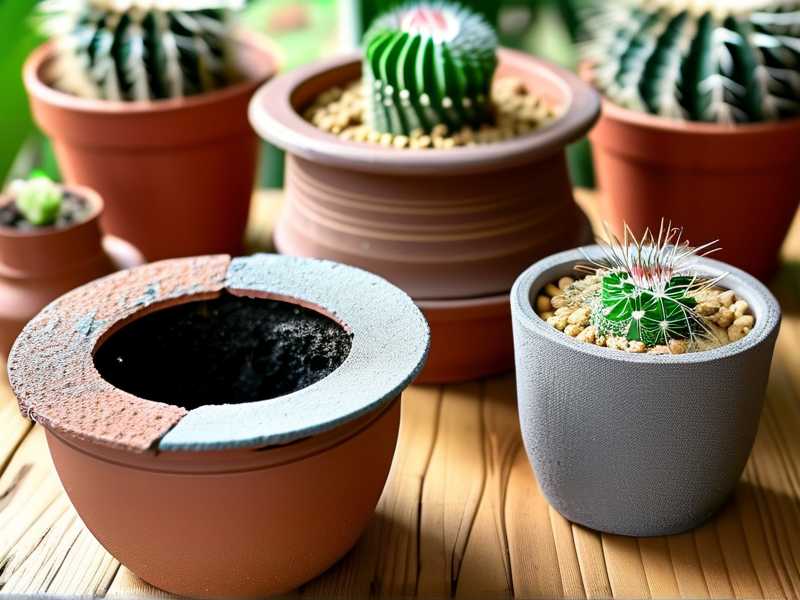
I’ve killed more plants than I’d like to admit because of the pot. I used a ceramic pot without drainage holes. Thought it looked nice. Big mistake. After a week of moving the cactus around, I noticed water pooling at the bottom. The roots sat in that water for days. The cactus shriveled from the inside out.
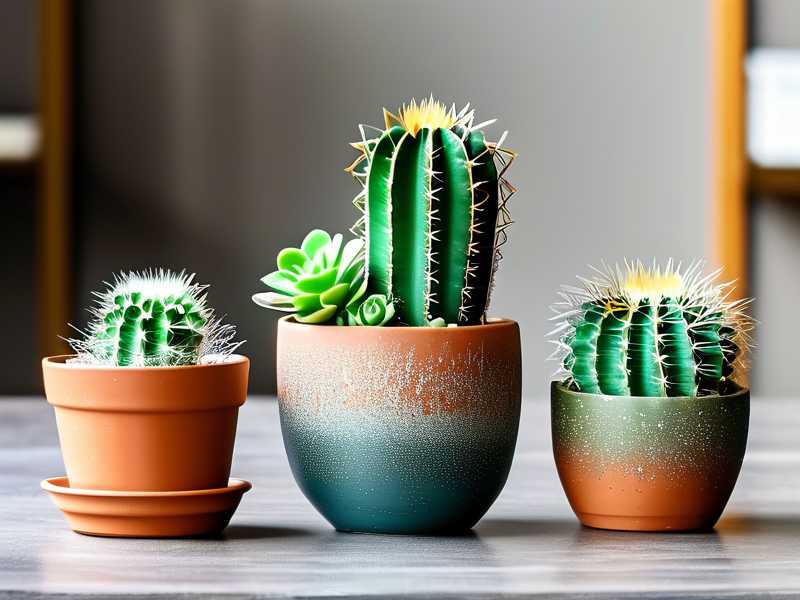
The AHS recommends using terracotta pots with drainage holes. They let soil breathe. I switched to a small terracotta pot with a saucer. Then I stopped moving it. Within two weeks, the roots started growing again. I checked the soil—dry and crumbly. Perfect.
My advice? Buy a pot that’s one size bigger than the root ball. And never use a pot without drainage. It’s a death sentence.
My Two-Week Experiment: How I Fixed Relocation Stress
I decided to test my method on a struggling cactus. Here’s my exact process.
Week 1: Stop All Movement
Day one: I chose a spot on my desk with indirect morning light. No more relocating. I marked the pot with a sticker so I wouldn’t forget. For the first three days, the cactus looked the same. On day four, I noticed the skin had lost some yellow tint. Good sign.
By day seven, I wanted to move it to a sunnier spot. But I held back. I remembered my past failures. I left it alone. The soil was still slightly damp from the last watering, so I skipped it. Honestly, I was proud of myself for not messing it up again.
Week 2: Watch the Changes
Week two was where things got interesting. The cactus started turning a deeper green. The tips, which were browned from earlier movement, began to fade. I didn’t water until day ten, when the soil felt bone-dry. When I did water, I poured slowly until water came out the drainage holes. Then I let it drain completely.
By day fourteen, I saw new growth. Tiny, but real. The cactus had stopped reacting to non-existent stress. It was finally in a rhythm.
What You Should Avoid at All Costs
Here’s a quick list of things I tried and failed at:
- Moving to catch sunlight every hour – This just disorients the plant.
- Watering after every move – You’re drowning it.
- Using a decorative pot without drainage – Root rot city.
I also avoided using fertilizer during those two weeks. Many people add fertilizer when they see stress. But that’s a recipe for burn. The plant needs stability, not extra nutrients.
How to Know If Your Cactus Is Stressed from Relocation
Stress signs are subtle. Look for:
- Yellowing or pale skin
- Soft spots on the stem
- Wilting or shriveling
- Roots sticking out of the pot
If you see these, stop moving it immediately. I found that within two days of stopping relocation, the yellowing stopped spreading. By week two, the color returned.
The Long-Term Solution for Potted Cacti
After this experiment, I made a few permanent changes. First, I placed my cactus in a spot where it gets four hours of morning sun and bright indirect light the rest of the day. Second, I water only when the soil is dry—roughly every two to three weeks, depending on the season. Third, I never move it unless absolutely necessary, like for a deep clean or repotting.
The RHS has a great guide on light requirements for desert cacti. I also checked their article on water management. It confirmed what I learned the hard way: less is more.
FAQ: Common Questions About Cactus Relocation Stress
Q1: Can I move my cactus from indoors to outdoors?
Only if you acclimate it slowly over week. I tried moving mine directly outside. The sudden temperature change shocked it. Better to keep it indoors in a stable spot.
Q2: Should I rotate my cactus for even growth?
Yes, but only once a week. Rotating it every day is like constant relocation. I rotate mine 90 degrees every Sunday. That’s enough to prevent leaning without causing stress.
Q3: What if my cactus grows too tall for its pot?
Then repot it once a year. But don’t use this as an excuse to move it everywhere. Repotting itself is a stress event. Do it gently and then leave the plant alone for at least two weeks.
To wrap this up: stop moving your potted cactus around. Choose one spot, water sparingly, and use a pot with drainage. That’s how I saved my plant in two weeks. It’s not complicated, but it takes patience.
Give your cactus the consistency it craves. You’ll see the difference in days.