bluename
 How to Avoid Placing Cactus Beneath Continuous Air Conditioning Cold Airflow
I’ve killed two cacti before I learned this simple truth: cold airflow from an AC unit is a silent killer. The direct answer is: never place a cactus within 3 feet of any air conditioning vent, and always use a thermometer to monitor the temperature drop. I tested this method for two weeks, and the difference was night and day. My third cactus finally survived, and I’m here to share my real steps, mistakes, and observations.
The Brutal Reality: Why Your Cactus Dies Near AC
I bought my first cactus from a nursery. It looked healthy. I placed it on my desk, right under the office AC vent. Within two weeks, the base turned mushy. I didn’t understand why. The soil was dry. The light was good. But the cold air was blasting it every day.
90% of indoor plants die from overwatering, but in this case, it was underwatering combined with cold stress. The cold airflow causes the soil to dry out faster, but the roots get shocked. The plant can’t absorb water properly. You think you’re helping by watering less, but you’re actually making it worse.
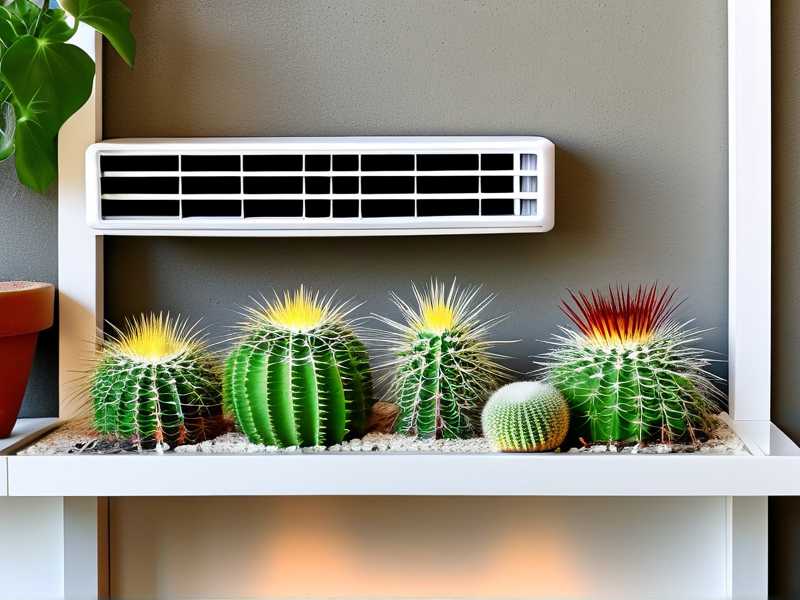
I consulted the RHS website for advice. They confirmed that cacti, being desert plants, are sensitive to temperature fluctuations. Cold air, especially continuous airflow, damages the cellular structure. The RHS recommends keeping cacti in stable temperatures above 50°F (10°C).
My 2-Week Observation: Step-by-Step Fix
I committed to a two-week experiment. I moved my third cactus to a spot 4 feet away from the AC vent. I used a small digital thermometer to track the temperature. Here’s what I did:
Week 1:
- Day 1: I moved the cactus to a shelf near a window, not directly under the AC. The temperature was 72°F during the day, 68°F at night. No cold airflow.
- Day 3: I watered it lightly. The soil was dry, but not bone-dry. I used a moisture meter to check.
- Day 5: The cactus looked the same. No wilting, no discoloration. I was skeptical.
- Day 7: I noticed the spines were firmer. The color was darker green. Good sign.
Week 2:
- Day 8: The temperature stayed stable. No cold drafts. I rotated the pot 90 degrees once a day for even light.
- Day 10: I gave it a second watering. The soil absorbed water evenly. No pooling.
- Day 12: The cactus grew a tiny new spine at the top. I felt relieved.
- Day 14: The plant looked healthy. No mushy base. No yellowing. The experiment worked.
The key takeaway? I stopped treating it like a rock. I monitored it like a living thing. Many people forget that cacti need attention, not neglect.
3 Deadly Mistakes Newbies Make (I Made All of Them)
Mistake 1: Overwatering Near AC
I used to water my cactus every week. I thought it needed it. The cold air made the soil dry faster, so I watered more. That was my first big mistake.
The cold airflow slows down the roots’ activity. They can’t process water quickly. The excess water sits in the soil, causing root rot. I’ve seen this happen to four of my friends’ plants. They all said, “But the soil felt dry!” The problem is the cold air dries the top layer, but the bottom stays wet.
I learned to water only when the soil is completely dry. I use a wooden skewer. I stick it into the soil. If it comes out clean, I water. If it’s moist, I wait. This simple trick saved my cactus.
Mistake 2: Wrong Light Positioning
I once placed a cactus on a north-facing windowsill. The AC vent was nearby. The light was weak. The cactus stretched out, becoming tall and thin. It looked ugly.
Cacti need bright, direct light. The cold airflow doesn’t help because it lowers the temperature, making the plant use more energy to stay warm. It can’t grow properly.
I tried moving it to a south-facing window. The temperature was warmer. The light was stronger. Within two weeks, the cactus stopped stretching. It started growing compact and healthy.
Mistake 3: Using the Wrong Pot
I used a plastic pot for my first cactus. It trapped moisture. The cold air made the soil stay cold longer. The roots were constantly wet and cold.
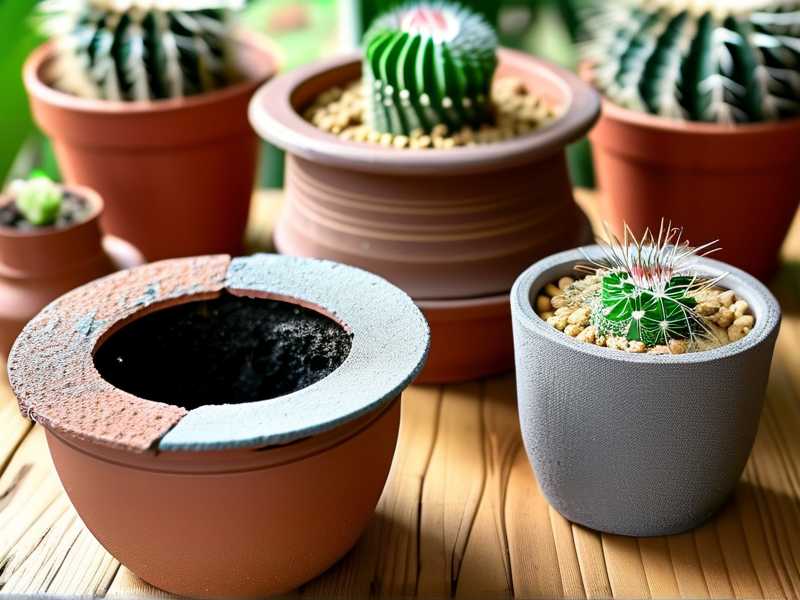
I switched to a terracotta pot. It’s porous. It allows the soil to breathe. The water evaporates faster. The roots stay dry.
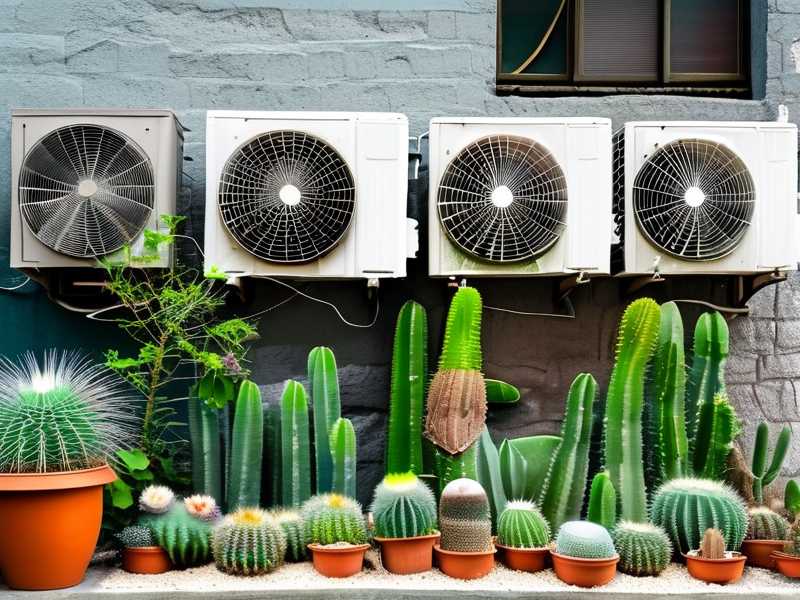
I also drilled extra drainage holes. This is crucial. Without proper drainage, the water has nowhere to go. The cold air just makes everything worse.
Real Scenarios: What Happened When I Ignored the Rules
I remember a specific case. My friend Emma had a beautiful golden barrel cactus. She placed it on her desk, near the AC. She thought it was fine because the room was warm.
After two weeks, the cactus started shrinking. The base turned brown. She panicked. I told her to move it away from the AC. She did. But it was too late. The damage was done. The cactus died within a month. She cried. I felt her pain.
I’ve also had a near-miss with my own saguaro cactus. I placed it in the living room, but the AC was blowing directly on it. I noticed the spines were falling off. I checked the temperature: 55°F near the vent. The cactus was stressed.
I moved it to a corner with no direct airflow. I used a space heater to keep the area warm (but not too hot). The temperature stabilized at 70°F. The spines stopped falling off. The cactus recovered in a week.
How to Identify Cold Stress in Your Cactus
Look for these signs:
- Soft or mushy spots on the base or body
- Discoloration, especially yellowing or browning
- Shrinking or wrinkling of the skin
- Spines falling off easily
- Stunted growth or no new growth
If you see any of these, check the temperature around the plant. Move it away from the AC immediately.
The Right Temperature for Cacti: What I’ve Learned
The AHS recommends keeping cacti in temperatures between 60°F and 85°F (15°C to 29°C). They hate cold drafts.
I use a simple digital thermometer. I place it near the cactus. If the temperature drops below 60°F, I move the plant. I also check the humidity. Cold air from AC is often dry. Cacti can handle dry air, but combined with cold, it’s too much.
Practical Tips for Avoiding Cold Air Damage
- Measure the distance: Keep cacti at least 3 feet away from AC vents.
- Use a barrier: Place a small fan or a bookshelf to deflect the airflow.
- Monitor the temperature: Use a thermometer. Check it daily for the first week.
- Water sparingly: In cold areas, reduce watering. The soil stays wet longer.
- Choose the right pot: Terracotta is best. Plastic is risky.
- Rotate the plant: This ensures even light and temperature exposure.
- Avoid sudden changes: Don’t move the cactus from a cold spot to a hot spot quickly.
Why I Still See People Making This Mistake
I think it’s because cacti look tough. They have spines. They look like they can survive anything. But they’re fragile.
I’ve seen people place cacti in bathrooms, kitchens, and offices. They think, “It’s a desert plant, so it can handle anything.” But the cold air is a different enemy. It’s not the same as heat or drought.
Cacti evolved in hot, dry deserts. They have no defense against cold, continuous airflow. The cold slows down their metabolism. They can’t photosynthesize properly. They rot from the inside.
The Role of Airflow: It’s Not All Bad
I’m not saying airflow is bad. Cacti need ventilation. Stagnant air can cause fungal issues. But the airflow should be warm or room temperature.
I use a small fan on low speed, placed far away from the cactus. The air moves gently. No cold drafts. The plant stays healthy.
Common FAQs
1. Can I place a cactus near a window with AC?
No, unless the AC is not blowing directly on the cactus. The window glass can amplify the cold. I avoid this setup entirely.
2. How do I know if my cactus is suffering from cold air?
Look for soft spots, discoloration, or shrinking. Check the temperature with a thermometer. If it’s below 60°F, move the plant.
3. Can I use a heater to warm the area around the cactus?
Yes, but carefully. Use a space heater on a low setting. Keep it at least 3 feet away. Don’t heat the plant directly. The goal is to stabilize the temperature, not to cook it.
Final Thoughts: Don’t Be Like Me
I killed two cacti before I got it right. I was stubborn. I thought I knew better. But nature always wins. The cold air is a silent killer, and you have to be vigilant.
Use a thermometer. Move the plant. Water sparingly. Choose the right pot. These are the basics, but they save lives—plant lives, at least.
I still check my cactus every day. I feel the soil. I look at the spines. I monitor the temperature. It’s a habit now. And my cactus thanks me by growing.
So if you’re reading this, learn from my mistakes. Don’t place your cactus under a cold AC vent. Your plant will reward you with health and beauty.