bluename
 How to Build Berms Around Garden Cactus to Rapidly Drain Rainwater Away
If you grow cactus outdoors and your rainy season keeps trying to kill them, building a berm is the fastest fix I know. The idea is simple: you mound up soil around the base of each cactus so water runs off instead of pooling. I started doing this after losing two beautiful saguaro seedlings to root rot in a single wet spring. The answer, plain and simple, is to raise the planting zone and shape the soil so rainwater sheds away from the roots within minutes, not hours.
I'm writing this from my own messy, trial-and-error experience. Not a lab. Not a greenhouse. Just a backyard grower who has killed more cactus than I care to admit and finally figured out a system that works.
Why Cactus Roots Hate Sitting Water
Let me be blunt. Cactus roots are built for drought, not for bogs. When water sits around the base of a cactus for even a day or two, the roots start to suffocate and rot. It's that fast.
The Royal Horticultural Society notes that most cactus and succulent failures come down to poor drainage and excess moisture around the crown. I've seen this firsthand. My first outdoor cactus bed looked fine on the surface, but after a heavy rain I dug down and found the soil beneath was still soaking wet a full two days later. That plant was basically drowning in slow motion.
That's why a berm matters. It's not just a decorative mound. It's a drainage tool. It lifts the plant above the surrounding grade and forces water to move away instead of sinking in.
What a Berm Actually Is (and What It Isn't)
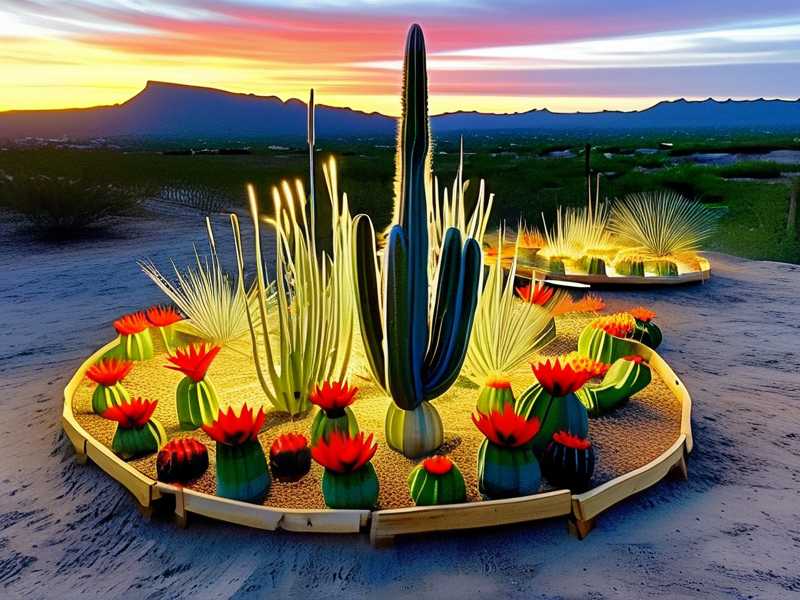
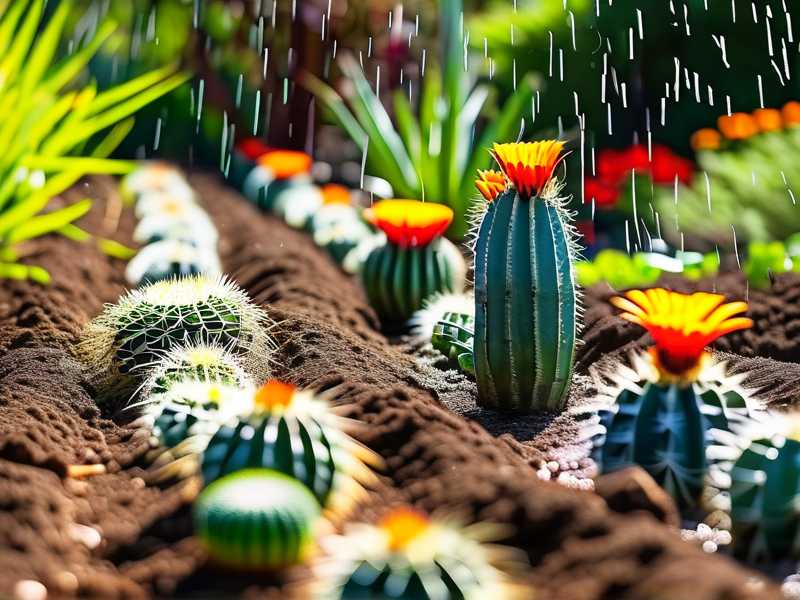
A berm is a raised mound of soil, usually ring-shaped or horseshoe-shaped, built around a plant. For cactus, you want that mound to slope outward so water flows off.
It is not a bowl. This is the mistake I made the first time. I built a little ring around my cactus thinking it looked tidy. Then it rained. The ring held water like a cup. The cactus was dead within ten days.
A proper berm for cactus is more like a gentle volcano shape. The plant sits at the top. The soil slopes down and away on all sides. Any water that lands on it gets redirected.
How to Build the Berm: My Step-by-Step Method
Here's exactly what I do now, and what I wish someone had told me years ago.
- Pick the right spot first.
Cactus need full sun and air movement. If you plant in a low corner of the yard where water naturally collects, no berm will save you. I learned this the hard way with a potted prickly pear that I sank into a dip near my downspout. Bad idea.
- Dig a shallow planting hole, not a deep one.
Cactus roots spread wide and shallow. I dig a hole only as deep as the root ball and about twice as wide. Deeper holes just become water traps.
- Amend the soil with grit.
I mix native soil with coarse sand, small gravel, or pumice at roughly a 50/50 ratio. Straight clay soil is a death sentence. It holds water like a sponge.
- Mound the soil into a berm shape.
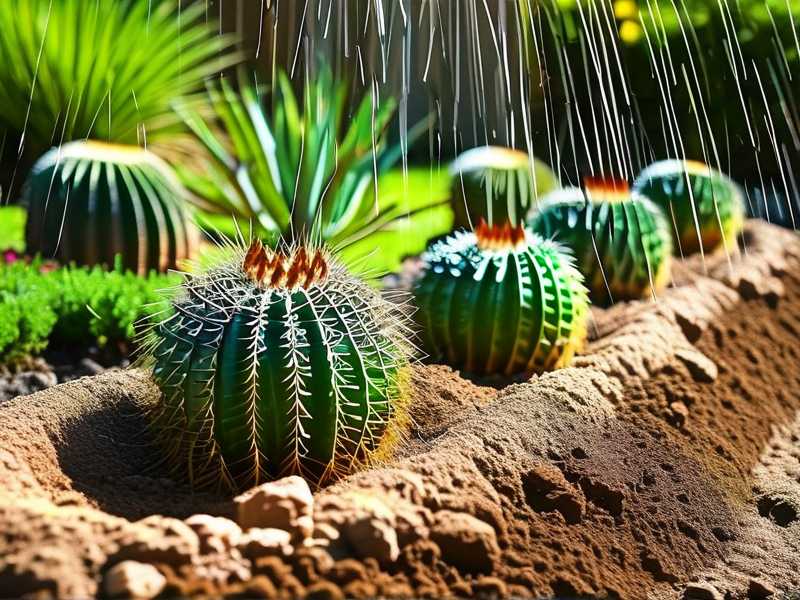
I pile the amended soil around the base so the crown sits two to four inches above the surrounding ground level. Then I pat it into a gentle slope. The key is that every side angles downward. No dips, no flat spots.
- Add a gravel collar on top.
This is my secret weapon. I put a one-inch layer of pea gravel or crushed rock over the berm surface. It stops rain from splashing soil onto the cactus body and helps water sheet off quickly.
- Test it with a watering can.
Before you walk away, pour a gallon of water on top of the berm. Watch where it goes. If it pools anywhere near the base, reshape the mound. I do this every single time now.
My Two-Week Observation: What Actually Happened
I built berms around six outdoor cactus in early spring. Then I tracked them for fourteen days.
Days 1 to 3: We got about an inch of rain. I checked the berms twice a day. Water ran off the slopes within a couple of minutes. The soil under the gravel was damp but not soggy.
Days 4 to 7: No rain. The berms dried out faster than the surrounding ground. That's exactly what you want. Dry feet for cactus.
Days 8 to 10: Another storm, heavier this time. One berm on the north side of my yard still had a small puddle at the base. I realized the slope wasn't steep enough on that side. I rebuilt it with a sharper angle.
Days 11 to 14: All six cactus looked firm and healthy. No yellowing. No soft spots. Compare that to the previous year when I lost two plants to rot after a single wet week.
That two-week test convinced me. Berms work. But only if you shape them right and keep checking after rain.
Three Beginner Mistakes That Kill Cactus Fast
I've made all three of these. Learn from my pain.
Mistake 1: Watering too much.
This is the big one. You've probably heard it before, but it bears repeating: 90% of indoor plants die from overwatering. Outdoor cactus aren't much different. A berm helps drain rain, but if you're also standing there with a hose every few days, you're undoing your own work. I water my outdoor cactus maybe once every three to four weeks in summer. That's it.
Mistake 2: Putting the cactus in the wrong light.
Cactus want sun. Not shade. Not dappled light. Full, unfiltered sun for most species. I once planted a barrel cactus on the east side of my house thinking morning sun was enough. It stretched, leaned, and eventually rotted because the soil never dried out properly. Wrong light means weak growth, and weak growth means disease.
Mistake 3: Using the wrong pot or planting container.
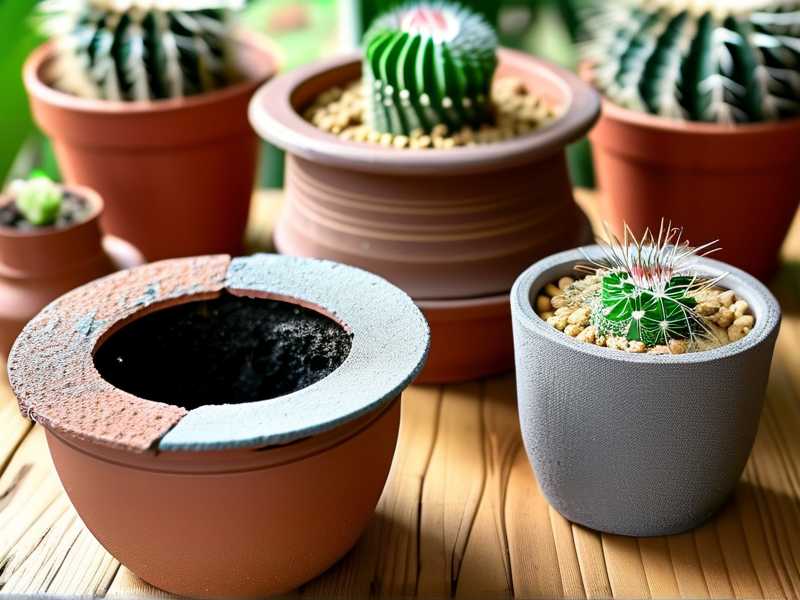
If you're growing in containers, drainage holes are non-negotiable. I killed my third cactus ever because I fell in love with a glazed ceramic pot that had no holes. Pretty, yes. Deadly, also yes. For outdoor beds, the "container" is the soil mound itself. If that mound doesn't drain, you've built a coffin.
The American Horticultural Society recommends always using containers with drainage holes and a gritty potting mix for succulents and cactus. I'd add this: if you're planting in the ground, treat the berm like the pot. It needs to shed water, not hold it.
Long-Tail Tips That Made a Real Difference
A few more things I picked up along the way.
Improving soil drainage around cactus is not a one-time job. Every couple of years, I top up the berm with fresh gritty mix because rain compacts the soil over time.
If you live in a region with heavy clay, consider building a raised bed instead of individual berms. I did this for my larger cactus collection and it solved the problem at scale.
Creating a runoff channel is another trick. I dug a shallow swale on the downhill side of my berms to guide water toward a gravel path. Simple, cheap, effective.
Mulching with gravel versus organic mulch matters too. Organic mulch holds moisture. Gravel releases it. For cactus, gravel wins every time.
Frequently Asked Questions
How high should a berm be for cactus?
I aim for two to four inches above the surrounding soil level. Higher in rainy climates. Lower in dry ones. The goal is elevation, not a mountain.
Can I build a berm with just native soil?
You can, but I don't recommend it. Native soil often drains poorly. Mix in grit, sand, or pumice. Your cactus will thank you.
What if my yard floods regularly?
Then individual berms may not be enough. Build a raised bed at least six inches tall and fill it with fast-draining mix. I've seen this work in heavy clay yards where nothing else survived.
What I Want You to Take Away
Building a berm around garden cactus isn't complicated. It's just a mound of gritty soil that slopes away from the plant so rainwater runs off fast. I wish I'd done it years ago.
Start with the right spot. Amend the soil. Shape the mound. Test it with water. Then watch your cactus thrive instead of rot.
And please, don't water on top of a rainy week. That's the fastest way to ruin a good berm. Trust me, I've been there.