bluename
 How to Avoid Planting Cactus Too Deep and Burying the Main Stem Crown Tissue
If you bury the crown tissue of a cactus—the point where the green stem meets the roots—you are essentially signing its death warrant. I learned this the hard way after killing three cacti in two years. The fix is simple: keep that crown sitting just above the soil line, never below it. That single adjustment saved my entire collection. In this article, I'll show you exactly how to avoid planting cactus too deep and burying the main stem crown tissue, so you don't repeat my mistakes. I'll also share a two-week observation I did after repotting a struggling Mammillaria, and I'll break down the three biggest beginner errors that cause most cactus deaths—including the one that kills more plants than anything else: overwatering. Stick with me, and your cactus will thank you.
Why Burying the Crown Tissue Is a Death Sentence
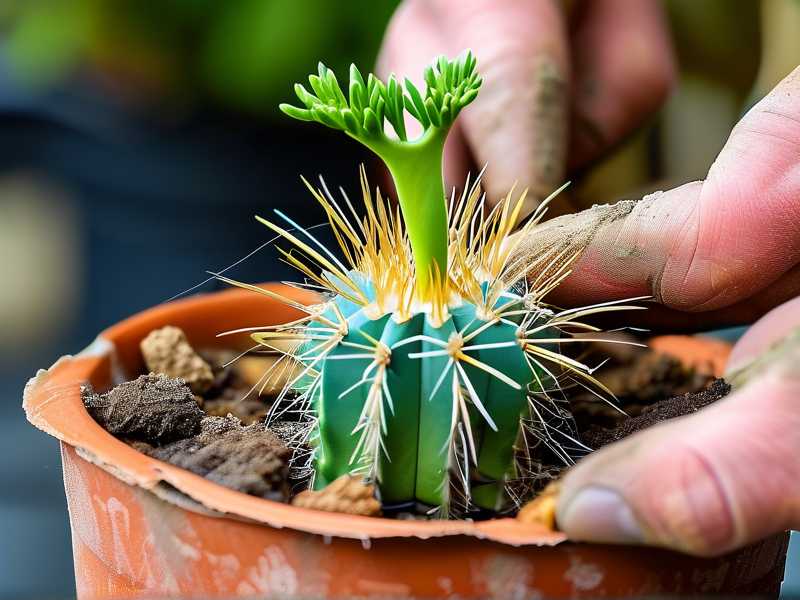
Cacti are not like tomatoes. You cannot bury the stem deeper to encourage more roots. That crown tissue—sometimes called the stem apex or growing point—needs air and light. When soil covers it, moisture sits there constantly. Fungus moves in. Rot starts. By the time you see mushy brown spots, it's often too late.
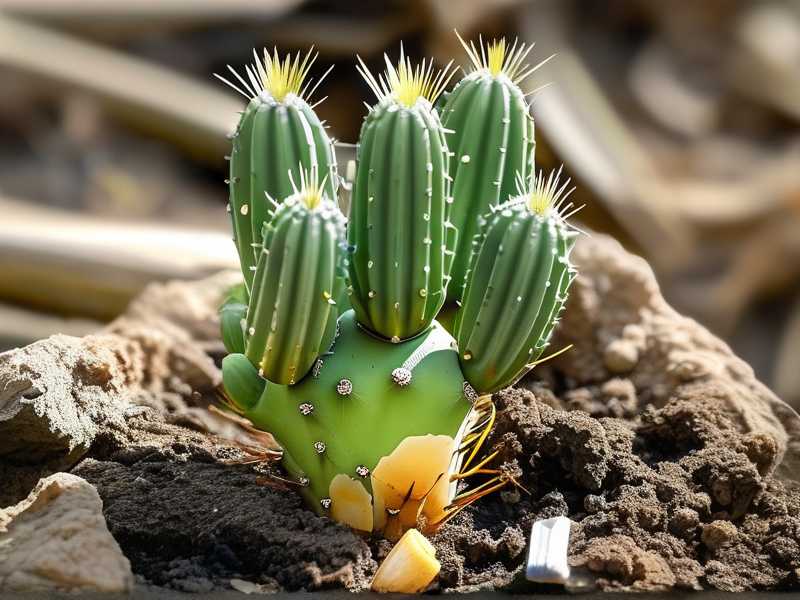
I once bought a beautiful golden barrel cactus from a big-box store. The pot was filled to the brim with soil, completely covering the crown. I didn't know better. Three weeks later, the base turned black and soft. I pulled it out and the whole bottom half fell apart in my hands. That was cactus number two I killed.
The RHS explicitly warns that cacti and succulents are highly susceptible to crown rot when planted too deeply. Their guidance is clear: the base of the stem should sit at or slightly above the compost surface. The AHS adds that good air circulation around the stem base is critical for preventing fungal issues. I wish I'd read that before my first three failures.
My Two-Week Observation After Fixing a Buried Crown
Let me get specific. Last spring, I noticed one of my Echinopsis hybrids was looking wrinkled and pale. I unpot it and found the crown tissue buried about half an inch under the soil. Not terrible, but enough to stress it out.
I repotted it the right way. I filled the pot with a gritty mix, made a small mound in the center, and spread the roots over that mound. Then I held the cactus so the crown sat just above the soil line. I filled around the roots, tapped the pot gently, and did not water for five days.
Here's what I observed over the next two weeks:
Day 1–2: No change. The cactus looked the same—slightly wrinkled. I resisted watering. That was hard.
Day 3–5: I gave it a light watering around the edges of the pot, not directly on the crown. The soil dried within a day because my mix is 60% pumice.
Day 7: The wrinkles started to lessen. New growth at the top looked a tiny bit plump.
Day 10: I saw fresh green tissue at the apex. That was the sign I needed.
Day 14: The cactus was firm and clearly recovering. No rot. No soft spots.
The difference was night and day compared to my earlier failures. Keeping that crown exposed made all the difference.
The Three Deadly Beginner Mistakes (I Made All of Them)
1. Overwatering – The Silent Killer
You've probably heard this before, but it bears repeating: 90% of indoor plants die from overwatering. That number comes from countless extension service reports and nursery owners I've talked to over the years. Cacti are not immune. In fact, they're more vulnerable because their roots are designed for drought.
I used to water my cacti every Sunday like clockwork. Big mistake. The soil stayed damp for days. Root rot set in. By the time I noticed, the plant was gone.
The fix: Water only when the soil is completely dry. For most indoor cacti, that means every two to three weeks in summer and once a month or less in winter. Use a moisture meter if you're unsure. I keep one in my potting shed at all times. It cost me $12 and saved me at least five plants.
2. Light Mismatch – Too Little or Too Much
Cacti need bright light. But "bright" doesn't mean blistering afternoon sun through a south-facing window in July. I scorched a lovely Parodia by putting it too close to the glass. The skin turned yellow and scarred. It survived, but it looked ugly for a year.
On the flip side, I tried growing a cactus in a dim corner. It stretched out—etiolated—trying to reach the light. That plant never recovered its shape.
The fix: Aim for 4–6 hours of direct morning sun or filtered light all day. East-facing windows are ideal. If you use grow lights, keep them 6–12 inches above the plant and run them 10–12 hours daily.
3. Wrong Pot – Size and Material Matter
I used to think bigger pots were better. More room for roots, right? Wrong. A cactus in a pot that's too large sits in wet soil for weeks. That's a recipe for rot.
I also tried glazed ceramic pots with no drainage holes. That was a disaster. Water pooled at the bottom. The roots drowned. I pulled out a mushy stump two weeks later.
The fix: Use a pot that's only 1–2 inches wider than the root ball. Terracotta is excellent because it wicks moisture away from the soil. Always, always use pots with drainage holes. I drill extra holes in plastic pots if needed. It takes two minutes and prevents heartbreak.
How to Plant a Cactus at the Correct Depth – Step by Step
Here's my exact process. I've refined it over dozens of repottings.
Step 1: Gather your materials. You'll need a gritty cactus mix (I make my own with 50% potting soil, 30% pumice, 20% coarse sand), a pot with drainage, gloves or tongs, and a chopstick.
Step 2: Remove the cactus from its old pot. If it's stuck, run a knife around the inside edge. Don't pull on the cactus itself. That's how spines break and stems crack.
Step 3: Inspect the roots and crown. Shake off old soil gently. Look for brown, mushy roots—cut those off with clean scissors. Check the crown. If it's discolored or soft, you may need to treat it with a fungicide. I use a sulfur-based powder.
Step 4: Prepare the new pot. Fill the bottom with a layer of gritty mix. Create a small mound in the center. This mound supports the roots and helps you position the crown correctly.
Step 5: Position the cactus. Hold the cactus so the crown—the line where the green stem meets the roots—sits just above the rim of the pot. You want that crown exposed to air. Not buried. Not sitting on wet soil.
Step 6: Fill around the roots. Use your chopstick to gently work the mix between roots. Don't pack it down hard. You want air pockets but not big voids. Tap the pot on the table a few times to settle the soil.
Step 7: Do not water immediately. Wait five to seven days. This allows any broken roots to callus over. Then water lightly around the edges. This single step has saved me from more rot issues than anything else.
Step 8: Keep it in bright, indirect light for two weeks. No direct sun. No water. Just let it settle.
What About Cacti That Are Already Buried Too Deep?
I've rescued a few. It's possible if you catch it early.
First, unpot the cactus. Gently brush away soil from the crown. If the tissue is firm and green, you're in luck. Repot it correctly as described above. Wait a week before watering.
If the crown is soft, brown, or smells bad, you have rot. You'll need to cut away the affected tissue with a sterile knife until you see clean, white flesh. Let the cut callus for several days. Then repot in fresh, dry mix. Don't water for two weeks.
I saved a Ferocactus this way last year. It took three months to show new growth, but it made it.
Why This Matters More Than You Think
Cacti are adapted to harsh conditions. They store water in their stems. They expect dry air around their crown. When you bury that crown, you create a microclimate of constant moisture. Fungal spores—which are everywhere—thrive in that environment.
I've talked to nursery owners who tell me that crown rot is the number one reason customers bring back dead cacti. Not pests. Not cold. Rot from deep planting and overwatering.
The good news? This is completely preventable. You just need to plant at the right depth and water correctly. That's it.
Frequently Asked Questions
Can I bury the crown if I use a very gritty, fast-draining mix?
No. Even with gritty mix, the crown tissue needs air. Burying it still traps moisture against the stem. I tried this with a pumice-heavy mix and still lost a plant. Don't risk it.
How do I know exactly where the crown is on my cactus?
Look for the soil line on the stem. There's usually a slight color change—lighter green above, slightly darker or corky below. That transition zone is the crown. When in doubt, plant it slightly higher than you think. It's better to have a little root exposed than to bury the crown.
My cactus is wobbly after repotting. Did I do something wrong?
Not necessarily. Cacti often need support until roots establish. I use a few clean stones around the base to hold it upright. Or you can wait a week and then gently firm the soil. Don't push down hard on the cactus itself.
Final Thoughts
Planting a cactus too deep and burying the main stem crown tissue is one of the most common—and most fatal—mistakes beginners make. I know because I made it three times. The fix is straightforward: keep that crown above the soil line, use a gritty mix, choose the right pot size, and water only when dry.
Remember the three deadly errors: overwatering, light mismatch, and wrong pot. And never forget that 90% of indoor plants die from overwatering. Cacti are no exception.
Take your time. Observe your plant for two weeks after repotting. You'll learn more from watching than from any book. I sure did.