bluename
 How to Adjust Indoor Humidity Levels to Lower the Risk of Cactus Fungal Disease
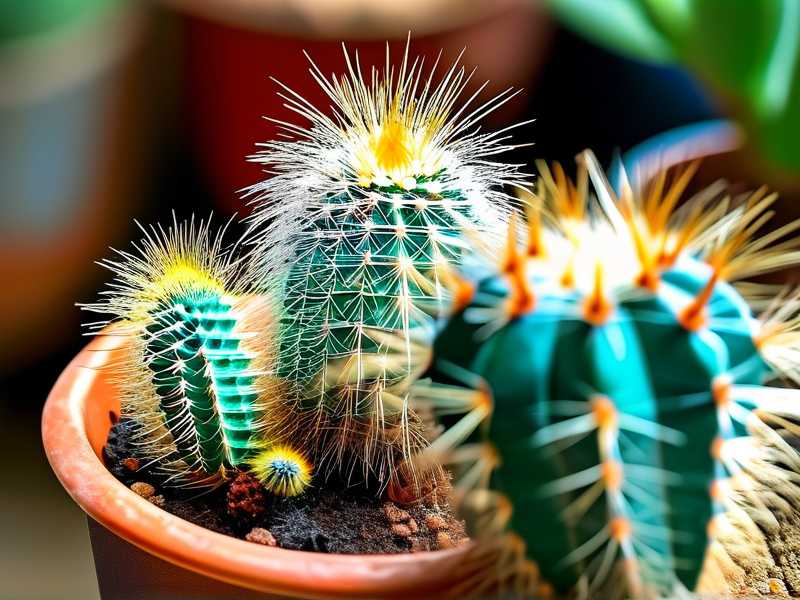
If your cactus is rotting at the base, developing fuzzy black spots, or collapsing into mush, humidity is usually the silent culprit. I learned this the hard way after losing three cacti in one winter. To lower the risk of cactus fungal disease, keep indoor humidity between 30% and 40% during the growing season, drop it closer to 20–30% in winter dormancy, and never let it sit above 50% for more than a day or two. That single adjustment saved the rest of my collection.
Most people blame temperature or light. Honestly, it's the air moisture that does the damage. Fungal spores like Fusarium, Phytophthora, and Alternaria need prolonged damp conditions to take hold. Dry air keeps them inactive.
Why Humidity Matters More Than You Think for Cacti
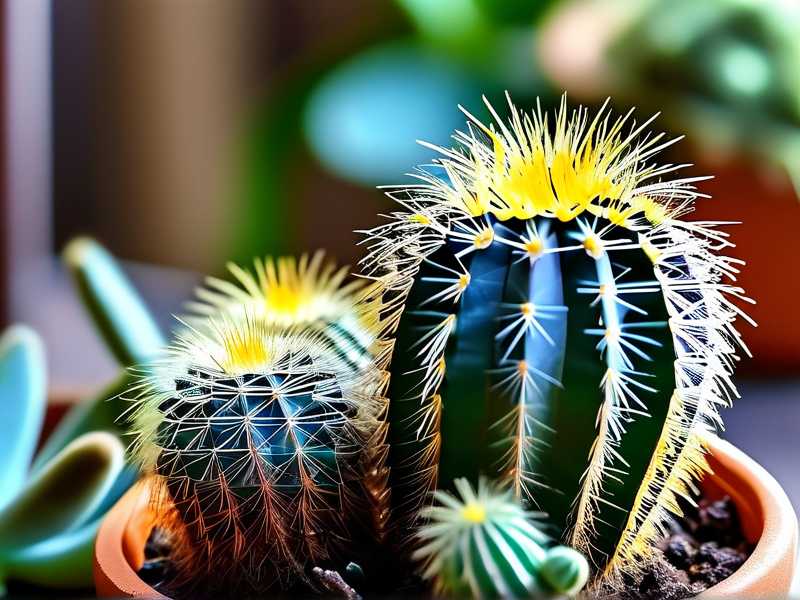
Cacti evolved in arid, high-altitude, or desert environments. Their skin has a waxy cuticle designed to seal moisture in. When the air around them stays humid, that cuticle can't do its job properly. Water condenses on the surface. Spores land, germinate, and drill into the plant tissue.
I used to think a bathroom windowsill was a great spot because it got bright light. Big mistake. The steam from showers pushed humidity past 70% every morning. My Mammillaria developed soft brown patches within ten days. That was the first cactus I killed from fungal rot.
The Royal Horticultural Society (RHS) notes that most cactus and succulent rots are encouraged by stagnant, moist air. You can read their guidance at RHS. They emphasize airflow as much as watering. I agree. Humidity without air movement is a death sentence.
The 3 Beginner Mistakes That Feed Fungal Disease
Let me be blunt. I made all three of these. Most new growers do. And each one makes humidity far more dangerous than it needs to be.
Mistake 1: Overwatering
You've heard it before, but here's the real number: 90% of indoor plants die from overwatering. For cacti, that percentage is probably higher. When the soil stays wet, the air around the plant stays humid. I used to water on a schedule—every Sunday, no matter what. That's a recipe for disaster.
Now I water only when the soil is bone dry three inches down. In winter, I water maybe once every six weeks. The difference in fungal issues is night and day.
Mistake 2: Wrong Light Placement
Low light slows evaporation. Slow evaporation means wet soil and humid microclimates around the plant. I once put a Schlumbergera in a north-facing room because I read they like indirect light. The soil stayed damp for two weeks. Fungus moved in.
Cacti need strong, direct light for at least six hours a day. That light dries the soil surface and keeps the immediate air around the plant less humid.
Mistake 3: Using the Wrong Pot
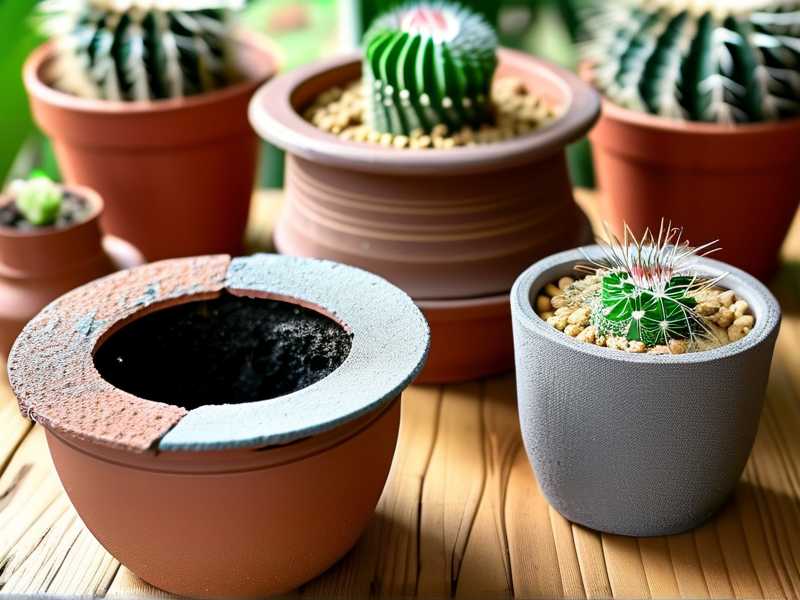
Glazed ceramic pots with no drainage holes are decorative, not functional. I tried one because it looked nice. Water pooled at the bottom. The roots rotted. The humidity inside the pot never escaped.
Terracotta or unglazed clay pots breathe. They wick moisture away from the soil. Plastic pots work if they have plenty of drainage holes, but they hold moisture longer. I now use terracotta for almost everything.
How I Actually Adjust Indoor Humidity for Cacti
This isn't theory. This is what I did over two weeks to bring my humidity down and stop a fungal outbreak.
Step 1: Measure First, Guess Later
I bought a cheap digital hygrometer for $12. I placed it right next to my cactus shelf. It read 58% in the morning and 62% at night. That's way too high for desert cacti.
You cannot fix what you don't measure. Don't assume your home is dry just because you live in a dry climate. Indoor humidity varies wildly by room.
Step 2: Increase Air Circulation Immediately
I pointed a small oscillating fan at the shelf, set to low. Not directly on the plants, but moving air across them. Within 48 hours, the hygrometer dropped to 48%.
Air movement is the fastest fix. Stagnant air traps moisture around the plant surface. Moving air replaces that moist boundary layer with drier air.
Step 3: Use a Dehumidifier Strategically
For a small collection, a mini dehumidifier (the kind that holds about 16 ounces of water) works fine. I ran one for six hours a day in the room where my cacti live. Humidity dropped to 38% by day three.
If you have a large collection, a full-size dehumidifier with a humidistat set to 35% is worth the investment. I borrowed my neighbor's for a week. It changed everything.
Step 4: Adjust Watering to Match Humidity
When humidity is above 50%, I skip watering entirely. The plant isn't losing much moisture through transpiration because the air is already damp. Adding water just creates a swamp.
When humidity is 30–40%, I water normally, but only when the soil is completely dry. I use a moisture meter to check. My finger isn't reliable enough.
Step 5: Improve Potting Mix Drainage
I switched to a mix that's 60% pumice, 20% coco coir, and 20% potting soil. That's way grittier than standard cactus mix. Water runs through it in seconds. The soil surface dries within a day.
A gritty mix means less standing water. Less standing water means lower humidity in the pot's microclimate.
What I Observed Over 2 Weeks
Day 1: Humidity was 60%. I saw white fuzzy mold on the soil surface of one cactus. I panicked.
Day 2: I added the fan. Humidity dropped to 50%. I scraped off the mold and let the soil dry completely.
Day 4: I started the dehumidifier. Humidity hit 42%. No new mold.
Day 7: Humidity stabilized at 38%. The mold didn't return. The cactus looked stable.
Day 10: I repotted the affected cactus into terracotta with the gritty mix. Humidity stayed at 36%.
Day 14: No signs of fungal spread. The plant was firm, not mushy. I considered it a win.
I also lost one cactus during this period—one that had already been rotting before I started. That's the reality. Early intervention matters.
Long-Term Humidity Habits That Work
You don't need to run a dehumidifier forever. I don't. Here's what I do now.
Seasonal Adjustments
In summer, when indoor humidity naturally rises, I run a small fan 24/7. I also water less often than most guides suggest. My cacti get water every 10–14 days, not weekly.
In winter, I stop watering almost entirely. Humidity indoors drops because heating systems dry the air. That's actually good for cacti. I just make sure it doesn't go below 20%, which can cause shriveling. I've never had that problem.
Grouping Plants Carefully
Grouping plants can raise humidity around them. That's great for tropicals, terrible for cacti. I keep my cacti isolated from my ferns and calatheas. Separate shelves, different rooms.
If you must group them, leave six inches of space between each pot. Air needs to move freely.
Using Humidity Trays Correctly
A humidity tray is a saucer with pebbles and water. For cacti, don't use one. It raises local humidity by 10–15%. That's the opposite of what you want.
I tried a humidity tray once because I read it helps with dry indoor air. My Echinocactus got a soft spot within a week. Never again.
Expert Backing for What I'm Saying
The American Horticultural Society (AHS) recommends good air circulation and low humidity for desert cacti. Their guidelines align with everything I've experienced. You can find their resources at AHS.
RHS also warns that overwatering combined with high humidity is the leading cause of cactus death in home collections. That matches my own track record.
Signs Humidity Is Already Causing Problems
Catch these early.
- Fuzzy white or gray mold on the soil surface
- Black or brown mushy spots on the stem
- A soft, collapsing base
- Fruit fly-like insects hovering around the pot (they love damp soil)
- A musty smell when you sniff near the plant
If you see any of these, act immediately. Isolate the plant. Increase airflow. Stop watering. Repot if necessary.
What About Misting?
Never mist a cactus. I don't care what anyone on social media says. Misting raises humidity right where fungal spores land. It's the single worst thing you can do for a cactus in a humid room.
I misted my first cactus because I thought it looked dry. It rotted in five days.
Frequently Asked Questions
Can I use a bathroom window for my cactus if I run a fan? No. Bathroom humidity spikes are too frequent and too high. Even with a fan, you're fighting a losing battle. Put cacti in a dry, bright room instead.
What's the ideal humidity for a cactus with fungal disease already? Drop it to 25–30% immediately. Isolate the plant. Remove affected tissue with a sterile knife. Let the wound callous. Do not water until the cut has healed completely.
Does a dehumidifier hurt other houseplants? It can. If you have tropical plants, keep them in a different room or use a humidifier for them separately. Cacti and tropicals have opposite needs. Don't try to compromise.
Final Thoughts
Adjusting indoor humidity isn't complicated, but it's not optional either. You can't love a cactus into surviving wet air. Measure your humidity. Move air. Use the right pot. Water less than you think. And remember that 90% of indoor plants die from overwatering—cacti are no exception.
I wish I'd known all this before I killed three plants. But now you do. Start with a hygrometer and a fan. You'll see the difference in two weeks. I did.