bluename
 How to Design Rock Garden Planting Pockets for Desert-Adapted Cactus
If your cactus keeps rotting in a rock garden, the problem usually isn't the plant. It's the pocket it's sitting in. I learned this after killing three barrel cacti in the same raised bed before I finally figured out that rock garden planting pockets for desert-adapted cactus need to drain fast, hold heat, and mimic the limestone crevices these plants evolved in. Get the pocket right, and the cactus does the rest.
Here's the short answer. Build a pocket that is at least twice as wide as the cactus root ball, fill it with a mineral-heavy mix (roughly 70% inorganic grit to 30% organic matter), and slope the surrounding rock so water runs away from the crown, not into it. Position the pocket so it catches morning sun but gets a break from the harshest afternoon heat. Then leave it alone. That last part is the hardest.
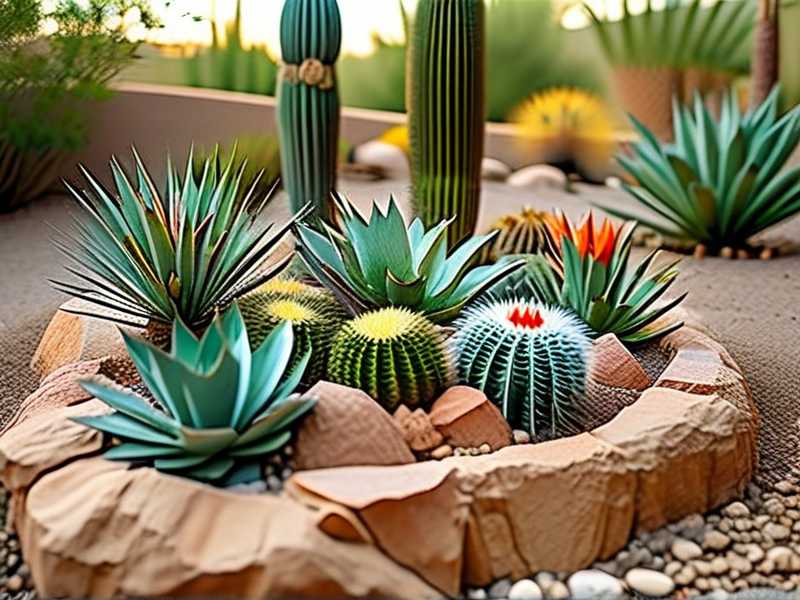
I built my first serious rock garden pocket two springs ago in a south-facing border. For the first two weeks I watched it like a hawk. Day three, nothing. Day seven, the soil surface was bone dry two inches down. Day ten, I spotted new spine growth on an Echinocereus I'd planted. By day fourteen, I could see the pocket was doing exactly what I wanted: drying out fast after a soaking. That two-week observation window told me more than any book did.
Why Planting Pockets Beat Open Ground
In the wild, desert cacti don't grow in flat, rich soil. They wedge themselves into rock cracks where rain drains instantly and roots stay cool. When I tried planting directly into amended garden soil, my first cactus turned to mush within a month.
A pocket recreates that crevice. You control the root zone completely.
The RHS notes that most cacti and succulents fail because of poor drainage and excess moisture at the roots, not cold. That matches everything I've seen.
The Three Mistakes That Kill Almost Every Cactus
Let me save you some dead plants.
Mistake one: overwatering. Honestly, 90% of indoor plants die from overwatering, and outdoor cacti in rock pockets are no different. New growers panic when the soil looks dry and reach for the hose. I did exactly that with a Mammillaria and watched it collapse in six days. The fix is simple: water deeply, then wait until the soil is completely dry. In summer that might be every ten days. In winter, once a month or less.
Mistake two: wrong light. I once placed a young Ferocactus in a spot that got full blazing afternoon sun. It scorched within a week, turning yellow-brown on the sun-facing side. Cacti love sun, but seedlings and freshly planted specimens need filtered light for the first few weeks. Morning sun plus afternoon shade is the sweet spot in most climates.
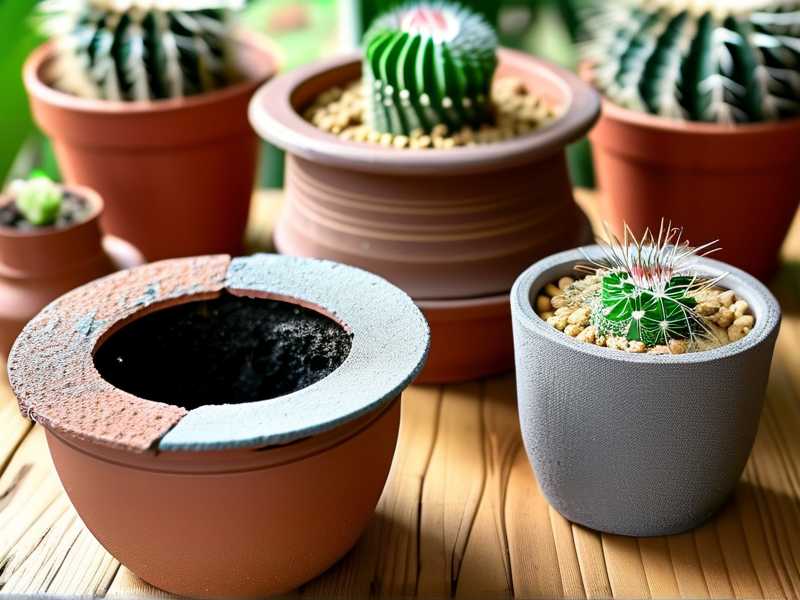
Mistake three: the wrong pocket or pot. I tried growing a small hedgehog cactus in a glazed ceramic pot that held moisture like a sponge. It rotted from the bottom up. Terracotta or unglazed containers breathe. In a rock garden, the "container" is the pocket itself, so treat the rock walls as your pot.
Choosing the Right Spot First
Before you touch a single stone, watch your site for a full day.
I mean it. Stand there in the morning, at noon, and late afternoon. Note where shadows fall.
Most desert-adapted cactus want six or more hours of direct sun, but the intense late-afternoon sun in hot climates can be brutal. According to the AHS, matching a plant to its preferred light exposure is the single biggest factor in long-term success.
A pocket that faces east or southeast works well in most gardens. It warms up early, dries off quickly, and avoids the worst of the afternoon bake.
Building the Pocket Step by Step
Here is the method I've refined over several seasons.
Step 1: Dig a shallow, wide hole. Aim for a hole that's about twice the width of the root ball and only as deep as the roots need. Cacti have surprisingly shallow, spreading roots. A narrow, deep hole traps moisture. A wide, shallow one lets roots breathe.
Step 2: Line the base with coarse material. I use a two-inch layer of crushed gravel or small lava rock. This is your drainage insurance policy. Water passes through and never pools around the roots.
Step 3: Mix your planting medium. My go-to blend is roughly 70% inorganic material and 30% organic. The inorganic part is a mix of coarse sand, pumice, and small gravel. The organic part is a light compost.
Do not use standard potting soil. It holds too much water.
Step 4: Set the cactus at the right depth. The crown, where the body meets the roots, must sit above the soil line. If you bury it, water collects there and rot begins. I plant mine so the base is just barely touching the mix.
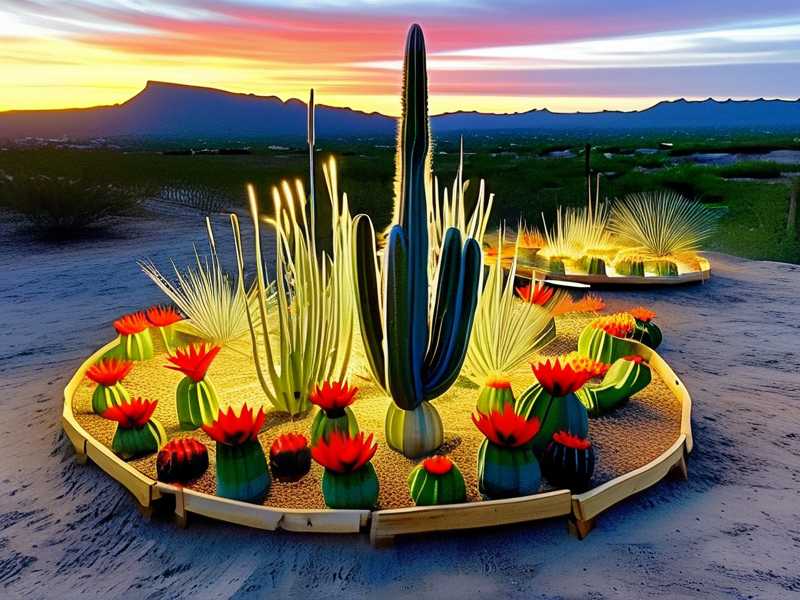
Step 5: Build the rock collar. This is where the "pocket" really forms. Arrange stones around the cactus at a slight outward tilt, so their tops lean away from the plant. This creates a funnel that directs rain away from the crown and down toward the outer roots.
Step 6: Top-dress with grit. A half-inch layer of gravel on the surface keeps the crown dry and stops soil from splashing up during rain.
Choosing Rocks That Actually Help
Not all rock is equal.
I prefer limestone, sandstone, or volcanic rock because they're porous and hold a little heat, which cacti love. Smooth river rock looks tidy but sheds water too efficiently and can reflect harsh light back onto the plant.
Flat, angular stones are easier to stack into a stable collar. Round stones roll and shift.
If you're in a wetter climate, tilt your pockets more aggressively. A steeper collar means faster runoff. I learned this after a wet autumn turned one of my flat pockets into a puddle.
The Soil Mix That Changed Everything
For two years I used a bagged cactus mix straight from the store. It worked, sort of, but my plants grew slowly and one nearly rotted after a rainy week.
Then I started making my own. The difference was obvious within a month.
My current mix:
- Three parts coarse pumice or perlite
- Two parts small gravel or chicken grit
- One part sifted compost or coir
This blend drains within seconds. When I pour water on it, it disappears almost immediately. That's what you want.
How to Water Cactus in a Rock Pocket
Watering is where most people go wrong, so let's be specific.
Soak the pocket thoroughly until water runs out the bottom of the root zone. Then stop.
Wait until the soil is dry at least two inches down before watering again. In my garden, that's every ten to fourteen days in summer. In winter, I barely water at all, maybe once every six weeks.
Never water in the evening. Damp crowns overnight invite rot.
Two-Week Observation: What to Watch For
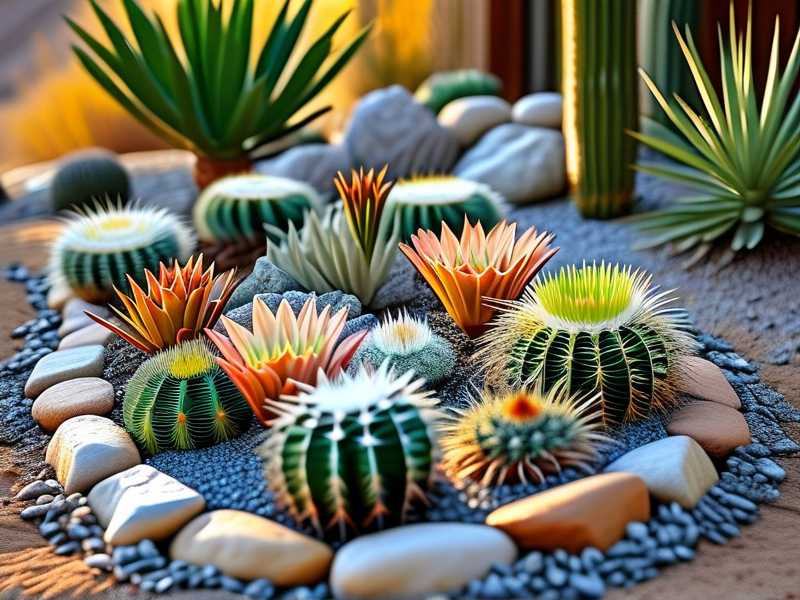
After planting, give yourself a two-week window to observe.
Healthy signs: the cactus stays firm, the color deepens slightly, and the soil dries within a day or two of watering.
Warning signs: the base turns soft or brown, the body shrinks and wrinkles despite watering, or the soil stays damp for more than three days.
If you see warning signs, dig the plant up, check the roots, and cut away any mushy sections. Let the cut callus for a few days before replanting in fresh, dry mix.
Long-Tail Tips for Different Climates
If you garden in a humid area like the UK or coastal Australia, lean your pockets harder and use more grit. Damp air means slower drying.
In hot, dry regions like Arizona or inland Australia, build pockets slightly deeper so roots stay cooler, and add a little more organic matter to hold what little moisture there is.
In cold-winter areas, tilt pockets south so winter sun reaches the plant and snowmelt drains away fast. Cold plus wet is deadlier than cold alone.
Planting Pocket Design for Small Spaces
You don't need a big rock garden. I've built effective pockets in half-barrels, troughs, and even old stone sinks.
The same rules apply: wide and shallow, gritty mix, rock collar tilted outward, top-dressed with gravel. The container just replaces the surrounding earth.
This is perfect for renters or anyone with a balcony. I know a grower in Canada who keeps eight species of hardy cactus alive on a sixth-floor balcony using exactly this method.
Common Questions I Get From New Growers
How big should the pocket be for a cactus?
Aim for at least twice the width of the root ball. Wider is better. Depth matters less than width because cactus roots spread out rather than down.
Can I use regular garden soil in the pocket?
No. Regular soil compacts and holds water. Use a gritty, mineral-heavy mix instead. Your cactus will thank you.
Do I need to fertilize cactus in a rock pocket?
Lightly, and only during the growing season. I use a diluted low-nitrogen cactus fertilizer once in spring. Too much food makes soft, weak growth that rots easily.
Final Thoughts From Someone Who's Killed a Few Cacti
Designing rock garden planting pockets for desert-adapted cactus isn't complicated, but it is unforgiving. Get the drainage, light, and depth right, and your plants will thrive for years. Get them wrong, and you'll learn the hard way, like I did.
Start with one pocket. Watch it for two weeks. Adjust. Then build another. That's how you go from killing cacti to growing a rock garden that actually looks like the desert it came from.