bluename
 How to Avoid Sudden Temperature Shocks for Newly Repotted Cactus Plants
I killed three cacti in one winter before I figured out the real culprit wasn't water or light — it was temperature shock. If you've just repotted a cactus and you're worried about those dramatic temperature swings near a window or radiator, the short answer is this: move it to a stable spot between 65–85°F, keep it out of direct sun and drafts for the first two weeks, and never water it right after repotting. That's the core of how to avoid sudden temperature shocks for newly repotted cactus plants. Everything else is just fine-tuning. Let me walk you through what I actually did, what went wrong, and what finally worked after two weeks of daily observation.
A repotted cactus is basically a plant in recovery. Its roots have been disturbed, tiny root hairs have snapped, and it has zero ability to regulate its own temperature the way a mammal does. Unlike a plant in the ground, a potted cactus is completely at the mercy of whatever air surrounds that pot. That's why sudden temperature shocks are so deadly — and why they're the hidden killer most new growers never see coming.
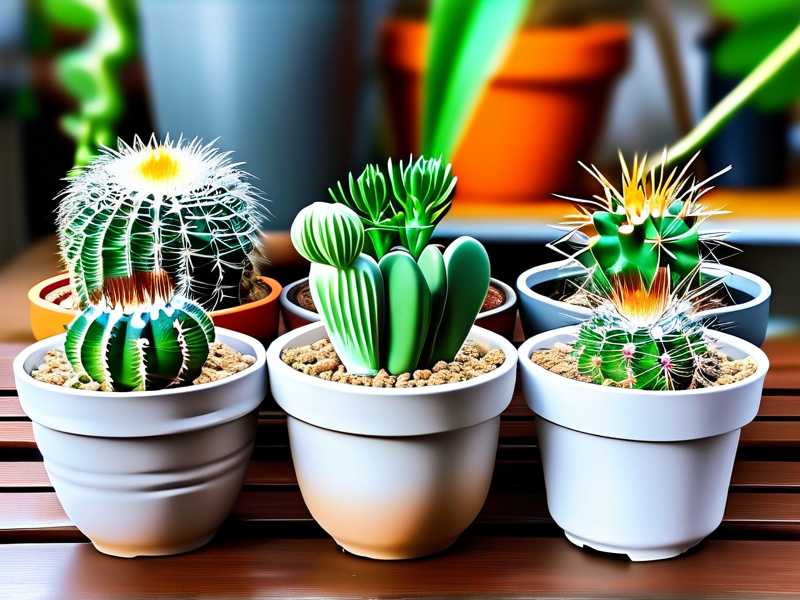
I remember repotting a beautiful Mammillaria into a slightly bigger terra cotta pot one October. I set it on a south-facing windowsill, felt proud of myself, and went to bed. That night the temperature dropped hard. By morning the cactus had that pale, washed-out look. By week two it was mushy at the base. I didn't overwater it. I didn't overpot it. The cold draft through that old window did the damage. That was the day I started taking temperature seriously.
Why Repotted Cacti Are So Vulnerable
When you repot a cactus, you break the fine root network. Those roots are responsible for absorbing water and nutrients, sure, but they're also part of how the plant manages stress. With damaged roots, the cactus can't take up water efficiently, so it becomes dehydrated from the inside even if the soil is damp. Add a temperature swing on top of that and you've got a plant that's losing moisture it can't replace.
According to the Royal Horticultural Society (RHS), cacti and succulents generally prefer a stable temperature range and are far more likely to suffer during rapid fluctuations than from any single cold or hot day. The American Horticultural Society (AHS) makes a similar point: stressed roots plus environmental swings equal decline. I've learned this the hard way, more than once.
The First 48 Hours Matter Most
The most dangerous window is the first two days after repotting. The roots are actively trying to heal, callus over, and re-establish. During this time, a jump of even 15°F can stall the process entirely. I used to think "cacti are tough, they'll bounce back." They don't always. Some just sit there looking fine for three weeks and then collapse. It's sneaky.
So here's what I do now. After repotting, I keep the plant in a spot that stays between 65 and 80°F. No direct sun. No air conditioning vents. No radiators. No drafty doorways. Basically the most boring corner of the house. I check the temperature twice a day with a cheap digital thermometer I got for ten dollars. That little gadget has saved more plants than any fertilizer I've ever bought.
My Two-Week Observation Log
I want to share exactly what happened during a recent repot because it might help you spot problems early. I repotted a small Echinopsis on a Sunday afternoon. Here's what I noted:
Day 1–2: No water. Kept in a shaded spot at 72°F. Soil bone dry. Cactus looked unchanged, which is good. Day 3–5: Noticed slight wrinkling at the base. That's normal after repotting — it's not a sign to water yet. Temperature stayed between 68 and 76°F. Day 6–8: Still no water. I saw the first tiny sign of new growth at the tip. That told me the roots were starting to work. Day 9–11: Gave the first light watering — just a few tablespoons around the edge of the pot, not at the base. Watched for any sign of rot. Day 12–14: Soil dried out completely within four days, which is a good sign the roots are absorbing. No mushy spots. No discoloration. I knew it was stable.
That two-week window is when most people panic and do the wrong thing. They water too soon because the cactus looks a little shriveled. They move it into brighter light because they think it needs more energy. That's the trap.
The Three Biggest Mistakes New Growers Make
Let me be blunt: 90% of indoor plants die from overwatering. Cacti aren't immune to that. But when you combine overwatering with temperature shock, you get a perfect storm.
Mistake One: Overwatering Right After Repotting
I've done this. I repotted a little Astrophytum once and gave it a full soak because I thought it needed hydration. The roots were damaged, the soil stayed wet, and the temperature in that room dipped to 60°F that night. Root rot set in within five days. The cactus turned to jelly. You can't save a cactus once the base goes soft like that.
The fix is simple. Don't water at all for at least five to seven days after repotting. Let the roots heal first. Then water lightly. Wait another week before you soak the soil properly. And never water when the temperature is below 65°F in that room. Cold and wet is death for cacti.
Mistake Two: Putting It in the Wrong Light Too Soon
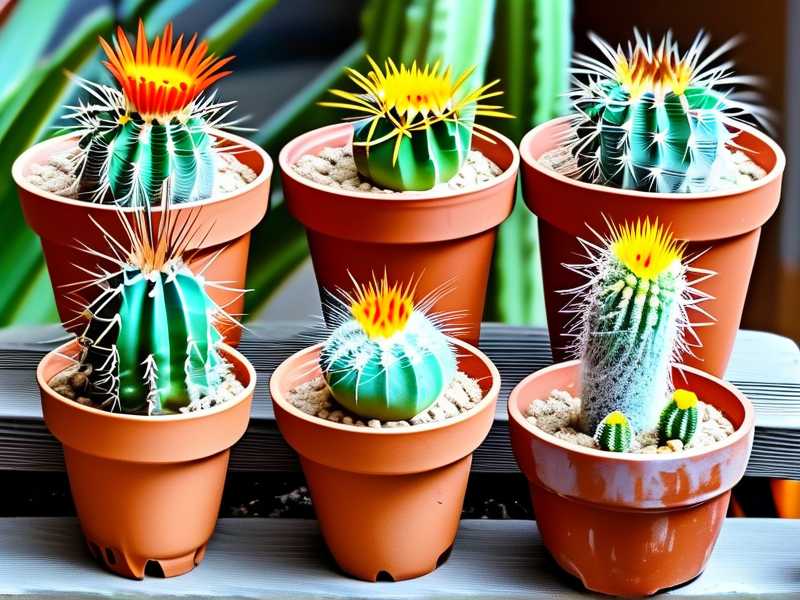
I used to think "cacti love sun, so more sun is better." Not after repotting. Direct sunlight heats the surface of the pot and the plant itself. A terra cotta pot sitting in full sun can hit 100°F easily while the air around it is only 75°F. That's a temperature shock on its own.
What I do now is keep the repotted cactus in bright, indirect light for two weeks. Think a spot a few feet back from a window. Then I gradually move it closer over the next week. This mimics how a cactus would acclimate in nature — slowly, not all at once.
Mistake Three: Using the Wrong Pot
I killed a cactus once because I repotted it into a dark plastic pot and left it near a window. The pot absorbed heat during the day and released it slowly at night. The soil stayed too warm for too long, and the roots cooked. On the flip side, a thin ceramic pot can lose heat fast and leave roots chilled.
Terra cotta is my go-to now. It breathes, it insulates reasonably well, and it doesn't swing temperature as dramatically as plastic or metal. I also size up only one pot size at a time. A huge pot means more soil, which means more moisture retention and slower temperature changes — but also slower drying, which can lead to rot.
The Truth About "Hardy" Cacti
I've heard people say "cacti survive desert temperature swings, so a little draft won't hurt." That's misleading. Desert cacti survive swings because the ground holds warmth and the air is dry. In your home, a repotted cactus in a small pot has no buffer. The air temperature is basically the root temperature. So when your house cools down at night, the roots cool down fast.
The RHS notes that many cacti actually prefer cooler winter temps, but that's for established plants, not freshly repotted ones. A repotted cactus doesn't have the root mass to handle cold. I've learned to treat the first two weeks like a recovery room — stable, moderate, boring.
Practical Steps I Use Every Time
Here's my actual checklist, no fluff:
Pick a spot that stays between 65 and 85°F. Check it with a thermometer, don't guess. Keep it out of direct sun for 14 days. Keep it away from vents, radiators, and drafty windows. Don't water for the first week. Water lightly in week two. Don't fertilize for at least a month. Roots can't handle it. Watch for wrinkling — that's normal. Mushiness is not. If the temperature drops below 60°F at night, move the plant to a warmer room. Even one cold night can set it back.
I also keep a little log now. It sounds nerdy, but writing down the date, the temperature, and any changes helps me catch problems before they become fatal. I used to rely on memory. Bad idea.
What About Homes With Wild Temperature Swings?
If you live somewhere with big day-night temperature differences — like a drafty old house or a place with hot days and cold nights — you need to be extra careful. I lived in a rental once with single-pane windows. The windowsill could hit 95°F at 3 PM and drop to 58°F by 2 AM. No cactus survives that after repotting.
My workaround was to move the repotted cactus to an interior shelf, away from windows, for the first two weeks. Then I gradually reintroduced it to the windowsill over another week. That slow transition made all the difference. I've since done this with a dozen cacti and haven't lost one to temperature shock since.
Can You Use a Heat Mat?
I've tried heat mats for seedlings and tropical plants, but not for cacti after repotting. The problem is heat mats warm the roots from below, which can dry out the soil unevenly and create a temperature gradient that the plant isn't ready for. If your room is genuinely too cold — below 60°F — a heat mat on a thermostat set to 70°F can help. But don't just plug one in and walk away. I made that mistake once and cooked a little rebutia. The roots were fine but the base turned yellow and never recovered.
Signs You're Doing It Right
After two weeks, a well-recovered cactus will show a few signs. The skin will look plump, not shriveled. New growth may appear at the tip. The soil will dry out at a normal rate after watering. And most importantly, the plant won't look worse than when you repotted it. If it's holding steady, you're winning.
If you see soft spots, black patches, or a sour smell, you've got rot. That's usually from overwatering combined with cool temps. At that point, you can try cutting away the rot and letting the cactus callus over, but honestly, I've only saved one plant that way out of five. Prevention is everything.
Frequently Asked Questions
How long should I keep a repotted cactus away from direct sun?
At least two weeks. I know it's tempting to give it light right away, but direct sun heats the plant and the pot unevenly. Bright, indirect light is plenty during recovery. After two weeks, gradually move it into stronger light over another week.
Can I repot a cactus in winter?
You can, but you'll need to be extra careful about temperature. Winter means colder rooms and bigger drafts. If you must repot in winter, keep the plant in the warmest stable spot in your house and don't water until you see new growth. I've done winter repots successfully, but only with a heat source nearby and a thermometer to monitor.
What if my house gets cold at night?
Move the cactus to an interior room or a shelf away from windows and exterior walls. Even a few feet can make a difference. If the room drops below 60°F, consider a gentle heat source, but don't place the cactus directly on it. A steady 65–75°F is ideal.
Final Thoughts
Avoiding sudden temperature shocks for newly repotted cactus plants isn't complicated, but it does require patience. The biggest mistake I see — and the one I made for years — is treating a repotted cactus like a normal plant. It's not. It's a patient in recovery. Keep it stable, keep it dry for the first week, keep it out of direct sun and drafts, and give it two full weeks before you expect anything. Do that, and you'll avoid the silent killer that takes out more cacti than pests or disease ever will.