bluename
 How to Avoid Overfertilizing Cactus in Late Autumn Before Dormancy Arrival
I killed my first three cacti the same way most people do: too much love, too much water, and way too much fertilizer in October. If you're reading this because your cactus is looking a little sad as the days get shorter, here's the short answer: stop feeding it. Seriously. Put the fertilizer down. Once late autumn hits and your cactus starts slowing down for dormancy, it cannot process extra nutrients the way it does in spring and summer. Feeding it now is like giving a sleeping person a five-course meal — the food just sits there and causes problems.
I've been growing cacti indoors for a little over nine years now, and I've learned more from dead plants than from healthy ones. Let me walk you through what I actually do every fall, what I got wrong for years, and the small details that made a real difference.
Why Late Autumn Feeding Backfires
Cacti aren't like your pothos or monstera. They follow a seasonal rhythm. In late autumn, shorter daylight hours and cooler indoor temperatures signal them to wind down. Growth basically stops. Roots go semi-dormant. Photosynthesis slows to a crawl.
When you pour fertilizer into the soil at this stage, those nutrients don't get absorbed. They accumulate. Salts build up around the root zone. The roots sit in a concentrated chemical bath for weeks. By the time spring arrives, the root system is already damaged — sometimes beyond saving.
The Royal Horticultural Society (RHS) notes that cacti and succulents need very little feeding even during active growth, and that feeding during rest periods can cause soft, weak growth that's prone to rot. That matches exactly what I've seen in my own collection.
There's also a common misunderstanding I want to clear up: a lot of people think "fertilizer = health." More isn't better. With cacti, less is almost always more.
My 2-Week Observation: What Happened When I Stopped Feeding in Mid-October
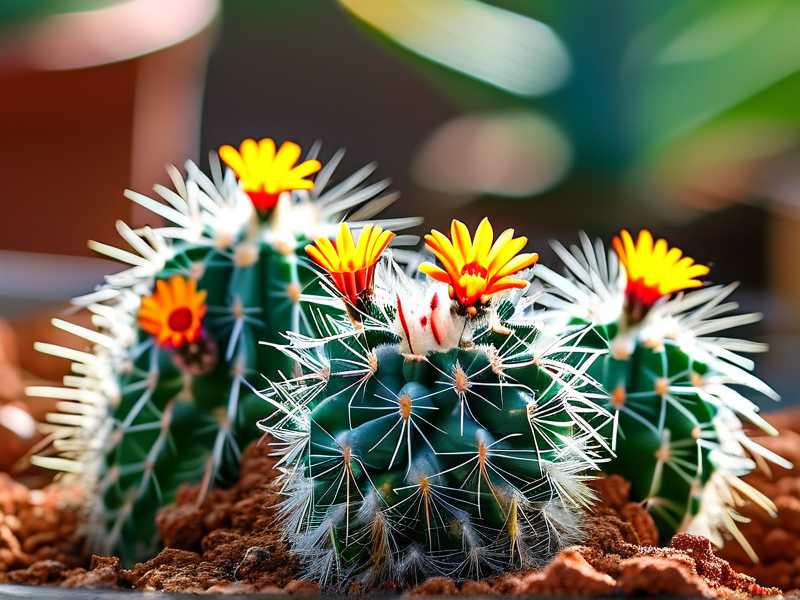
Two years ago, I decided to run a simple test. I had two identical Mammillaria cacti sitting on the same south-facing windowsill. Same potting mix, same pot size. Starting the second week of October, I stopped fertilizing one and gave the other a diluted liquid feed once a week, like I used to.
Week one: no visible difference. Both looked fine.
Week two: the fed cactus started showing pale, stretched growth at the tip. The unfed one looked the same — compact, firm, normal.
By mid-November, the fed cactus had soft spots near the base. I pulled it out and the roots were brown and mushy. That was the last time I fertilized anything after early October.
The unfed cactus? Still alive today. It bloomed the following April.
That experiment cost me one plant, but it taught me something no article could. Cacti don't need your help in autumn. They need your restraint.
The 3 Biggest Mistakes New Growers Make
These aren't random guesses. These are the exact things I did wrong, and the things I see people asking about in every cactus forum I visit.
Mistake #1: Watering Too Much in Autumn
I know this sounds like it belongs in a different article, but overwatering and overfertilizing are tangled together. Here's the thing: 90% of indoor plants die from overwatering. That's not an exaggeration. It's the single most common cause of death for houseplants, and cacti are especially vulnerable.
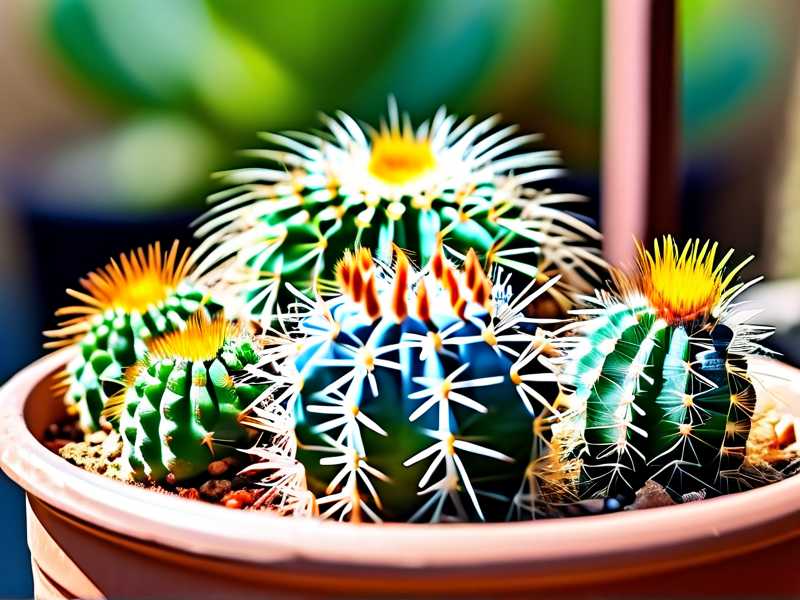
When you keep watering in late autumn, the soil stays wet for longer because the plant isn't drinking. Wet soil plus fertilizer equals root rot. I made this mistake with a beautiful Echinocactus grusonii — my "golden barrel" — and watched it turn to mush in three weeks.
What I do now: I water maybe once every three to four weeks in late autumn, and only if the soil is completely dry all the way through. If I'm not sure, I wait another week.
Mistake #2: Light Misplacement
This one surprised me. I used to think light and fertilizer were separate issues. They're not.
If your cactus isn't getting enough light in autumn, it can't photosynthesize properly. Fertilizer without adequate light is wasted — or worse, it fuels weak, etiolated growth. I had a Ferocactus that started stretching toward a dim corner because I moved it away from the window to "protect it from cold drafts." Bad move. The new growth was thin and pale, and no amount of fertilizer could fix it.
Cacti need as much bright, direct light as you can give them in autumn. South-facing windows are ideal in the Northern Hemisphere. If you're in Australia, north-facing. Don't move them away from the window just because it's getting chilly — cold isn't the enemy here. Darkness is.
Mistake #3: Using the Wrong Pot
I'll be honest — I didn't think pot choice mattered much until I lost a nice Astrophytum to a glazed ceramic pot with no drainage hole. I know. Rookie move.
The right pot for a cactus in autumn is:
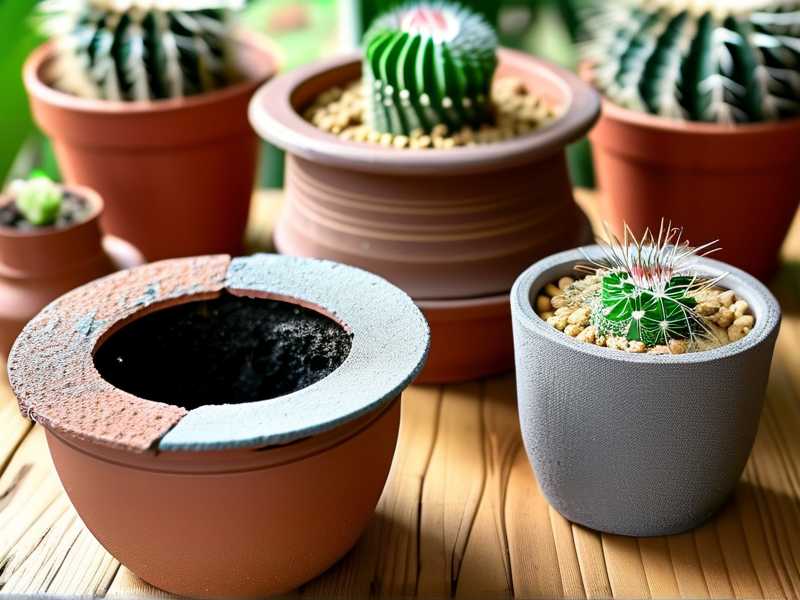
- Unglazed terracotta (breathes, wicks moisture)
- Has at least one drainage hole
- Slightly smaller than you think it needs
A pot that's too big holds too much moisture. The roots sit in wet soil even if you're barely watering. Combine that with leftover fertilizer salts and you've got a recipe for disaster.
I switched all my cacti to terracotta years ago and never looked back. The difference in root health is night and day.
What I Actually Do: My Late Autumn Cactus Routine
Here's my real, step-by-step routine. No fancy equipment. No expensive products.
Step 1: Stop fertilizing by early October.
I don't care what the fertilizer bottle says about "feeding year-round." Ignore it. The last feed of the year happens in late September or the first week of October, and it's heavily diluted — half the recommended strength at most.
Step 2: Taper off watering.
I go from weekly watering in September to every two weeks in October, then every three to four weeks in November. By December, I'm watering maybe once a month. The soil must dry completely between waterings.
Step 3: Maximize light.
I move every cactus to the brightest spot I have. No curtains, no shade. If natural light is limited in your area — I'm looking at you, UK and Pacific Northwest growers — a simple LED grow light can help. Just don't pair extra light with extra fertilizer. Light alone is enough.
Step 4: Check the soil for salt buildup.
If I see white crusty deposits on the soil surface or around the pot rim, that's salt accumulation from past fertilizing. I flush the soil with plain water once — letting it drain completely — and then let it dry out thoroughly before the next watering. This clears the buildup without adding more nutrients.
Step 5: Keep them cool if possible.
Dormancy is triggered by a combination of shorter days and cooler temperatures. I try to keep my cacti in a spot that stays between 45–55°F (7–13°C) at night if I can. This isn't always possible indoors, but even a cooler room helps.
What the Experts Say
The American Horticultural Society (AHS) recommends that cacti and succulents be given a rest period with minimal water and no fertilizer during the dormant season. This rest period is actually essential for healthy growth and blooming the following year.
The RHS also points out that overfeeding cacti leads to lush, soft growth that is more susceptible to pests and disease. In other words, the plant looks "healthy" for a few weeks, then falls apart.
I've found both of these to be absolutely true in practice. The best-looking cactus in spring is the one you basically ignored all winter.
Long-Tailed Tips That Made a Difference for Me
Let me share a few smaller things that don't fit neatly into a list but genuinely helped.
- I stopped fertilizing on a schedule and started fertilizing based on visible growth. If I don't see new spines or new growth, I don't feed.
- I use a diluted cactus-specific fertilizer (low nitrogen) in summer only. High-nitrogen formulas push soft growth that can't handle dormancy.
- I note the last fertilizing date on a small plant tag. This sounds obsessive, but it prevents the "did I already feed this?" confusion that leads to double-feeding.
- I don't repot in autumn. Repotting stresses roots, and stressed roots plus fertilizer equals disaster. I save repotting for early spring.
Signs You've Already Overfertilized (and What to Do)
If you're reading this and thinking, "Oops, I already fed my cactus last week," don't panic. Here's what to look for:
- White crust on the soil surface
- Soft, mushy base
- Yellowing or pale new growth
- Roots visible at the surface turning brown
- Wilting despite wet soil
If you see these signs, stop fertilizing immediately. Flush the soil with plain water and let it drain fully. Don't water again until the soil is bone dry. If the base is already mushy, you may need to unpot, trim the rotten roots, and repot in fresh, dry cactus mix. I've saved a few this way, but honestly, once rot sets in, it's a coin flip.
A Quick Note for Growers in Different Climates
If you're in Australia, your seasons are flipped — your dormancy period starts around April/May, not October. Same principles apply, just shift the timing.
If you're in Canada or the northern US, your indoor light drops fast in October. Be extra careful not to compensate with fertilizer. Add a grow light instead.
If you're in the UK, your autumn is often gray and damp. Watch your watering even more carefully — low light means slow drying, and slow drying plus fertilizer is the worst combination.
FAQ
How often should I fertilize my cactus in autumn?
Ideally, not at all after early October. If you must, one very diluted feed in late September is plenty. After that, stop until spring.
Can I fertilize my cactus if it's still growing in November?
If you see active growth — new spines, new segments — a very light feed is okay. But most cacti stop growing by late October. When in doubt, skip it.
What happens if I fertilize my cactus during dormancy?
The nutrients build up in the soil and can burn or rot the roots. You might not see damage until spring, when the plant fails to wake up properly. In bad cases, the cactus dies over winter.
Final Thoughts
Avoiding overfertilizing your cactus in late autumn isn't complicated. It just goes against every instinct that tells you to "do something." The best thing you can do for your cactus before dormancy is almost nothing — less water, less food, more light, and patience.
I've killed my share of cacti learning this. You don't have to. Stop feeding in early October, let the soil dry out completely between waterings, and give them the brightest window you've got. Your cactus will thank you in spring with firm, healthy growth and maybe even a flower or two.