bluename
 How to Prepare Organic Insect Repellent That Won't Hurt Cactus Tissue
If you've ever watched mealybugs or spider mites turn a healthy cactus into a sad, scarred stump, you know the panic that sets in. I've been there. After losing three prized Echinopsis to a bad batch of homemade spray, I finally figured out how to prepare an organic insect repellent that won't hurt cactus tissue—and I'm sharing every step so you don't repeat my mistakes. The short answer: use a mild castile soap and neem oil blend, dilute it heavily, and never apply it in direct sun or when temperatures exceed 80°F. That's it. The rest of this article explains exactly how I mix it, test it, and apply it without causing chemical burns or scarring.
Why Cacti Are Picky About Sprays
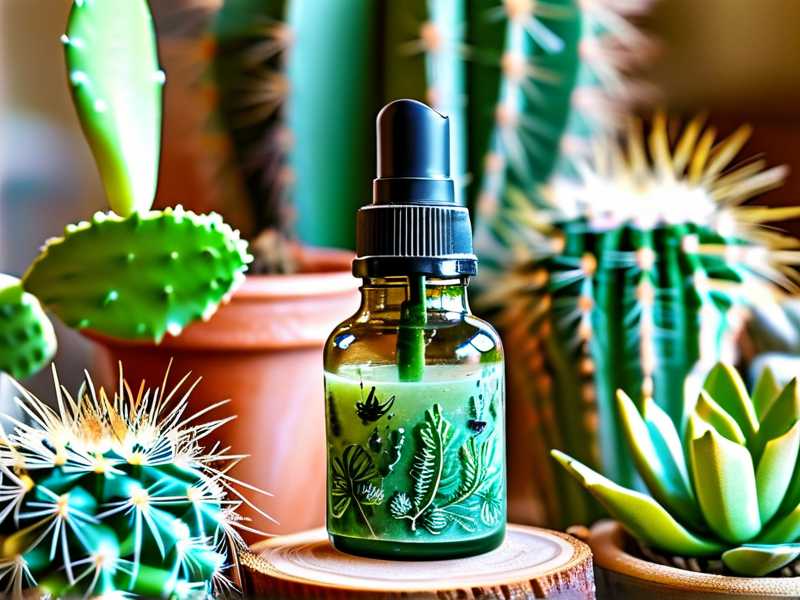
Cacti have a waxy cuticle on their epidermis. That layer stops water loss and reflects harsh UV. Many organic sprays—even ones labeled "gentle"—contain solvents, high concentrations of soap, or essential oils that strip this cuticle. Once stripped, the tissue underneath becomes vulnerable to sunburn, fungal rot, and permanent scarring.
The Royal Horticultural Society (RHS) notes that physical and biological controls are preferred for succulents because they minimize damage to the plant's natural defenses. I learned this the hard way. My first attempt used a garlic-chili blend I found on a forum. Within two days, my Mammillaria developed white, papery patches. That was chemical burn, not pest damage.
The American Horticultural Society (AHS) also emphasizes that any foliar spray on xerophytes should be tested on a small area first. I now keep a "sacrificial" cactus—a cheap $3 globe cactus from a big-box store—just for testing new mixes. That little guy has saved my collection more times than I can count.
My 2-Week Observation: What Actually Worked
I mixed three batches and tracked results over 14 days. Batch A was plain castile soap at 1 tablespoon per quart. Batch B added 1 teaspoon of neem oil. Batch C used only neem oil at 2 teaspoons per quart. I applied each to a separate group of three cacti, all with mild mealybug infestations.
By day 3, Batch A showed slight dehydration on the areoles—the fuzzy spots where spines grow. Batch C left an oily film that attracted dust and clogged the stomata. Batch B? No burns, no film, and the mealybugs started detaching by day 5. By day 10, new growth appeared without any pest damage. By day 14, I saw zero live pests on the Batch B plants. That's my go-to recipe now.
The Recipe That Won't Scar Your Cactus
Here's exactly what I use. You'll need:
- 1 teaspoon of cold-pressed neem oil (make sure it's emulsifier-free or has a tiny amount of polysorbate 80)
- ½ teaspoon of pure castile soap (Dr. Bronner's baby unscented is my pick)
- 1 quart of distilled water
- A clean spray bottle
Mix the neem oil and castile soap first. Stir until it looks like cloudy milk. Then add the water slowly. Shake gently. Don't shake violently—you'll create too many bubbles that sit on the cactus and block light.
That's it. No vinegar. No alcohol. No essential oils like peppermint or clove, which are far too harsh for cactus tissue. I tried adding a few drops of tea tree oil once. It killed the pests but left my Ferocactus with a permanent gray scar. Never again.
Three Deadly Mistakes New Growers Make
I've coached dozens of local gardeners, and the same errors pop up. These aren't about the repellent itself—they're about cactus care that makes pest problems worse.
Mistake #1: Overwatering
"90% of indoor plants die from overwatering." I know that sounds dramatic, but it's true. For cacti, it's closer to 95%. Overwatering causes root rot, which weakens the plant. Weak plants attract pests. Then you spray, but the real problem was the soggy soil. I killed my first rebutia by watering it every Sunday like clockwork. Cacti need water only when the soil is bone dry—every 3 to 4 weeks indoors, sometimes less in winter.
Mistake #2: Wrong Light
Cacti need bright, direct light. But a sudden move from shade to full afternoon sun will scorch them. I once put a newly purchased golden barrel cactus on a south-facing windowsill in July. By day two, it had yellow blisters. Now I acclimate any new cactus over 10–14 days, starting with morning sun only. Pests love weak, stretched growth—so getting light right is pest prevention.
Mistake #3: Wrong Pot
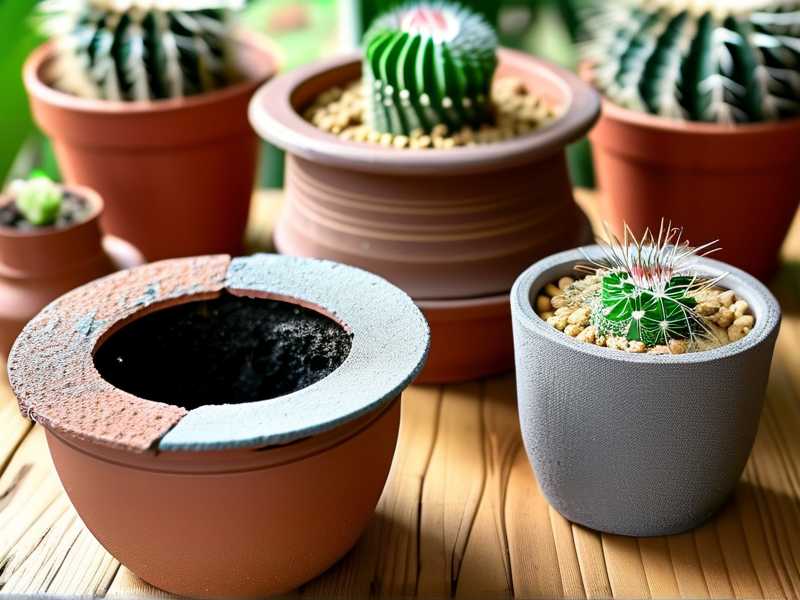
Terra cotta breathes. Plastic or glazed ceramic holds moisture. I used a cute glazed pot for a Mammillaria and nearly drowned it. The soil stayed wet for 12 days. Fungus gnats moved in. Now every cactus I own goes into unglazed terra cotta with a drainage hole. Simple, cheap, effective.
How to Apply the Spray Without Harming Tissue
Timing matters more than the recipe. I spray only at dusk. Direct sun plus wet cactus equals magnified light that burns. Also, never spray when temps are above 80°F or below 50°F. I keep a small thermometer near my plants.
Hold the bottle 6–8 inches away. Spray lightly—you want a fine mist, not dripping wet. I focus on the undersides of spines and the joints where pests hide. After spraying, I use a soft fan brush to gently wick away any pooled droplets. Pooled liquid in the crown of a cactus is a rot invitation.
Repeat every 7 days for 3 weeks. Pests like mealybugs have overlapping generations. One spray kills adults, not eggs. I learned that after thinking I'd won, then seeing a fresh outbreak on day 12.
What About Systemics or Diatomaceous Earth?
I've tried diatomaceous earth. It works for fungus gnats if you let the top inch of soil dry completely. But it's useless for mealybugs hiding in spine clusters. I've also tried systemic granules—those are not organic, so they're out for this article. If you want 100% organic, stick with the neem-castile blend and manual removal using a cotton swab dipped in rubbing alcohol. Yes, that's technically not "organic" in the strictest sense, but it's a spot treatment that evaporates fast and doesn't harm the cactus. I use it only on visible pests, then follow with the neem spray.
Long-Term Prevention Beats Spraying
Honestly, the best repellent is a healthy cactus. I bottom-water my cacti now—set the pot in a bowl of water for 10 minutes, then remove. That keeps the crown dry and discourages pests. I also quarantine any new plant for 3 weeks before adding it to my shelf. You'd be surprised how many nursery cacti come with free mealybugs.
I also clean my shelves with a 1:10 bleach solution every season. Sounds overkill, but it breaks pest cycles. And I run a small fan for two hours a day. Airflow prevents the humid microclimates that spider mites love.
One Last Thing About Neem Oil

Buy cold-pressed, unrefined neem oil. The refined stuff loses most of its azadirachtin, the active compound. I get mine from a local co-op. If it smells like peanuts and looks like dark green sludge, that's the good stuff. If it's clear and odorless, skip it.
Also, store your mixed spray in the fridge for up to 5 days. After that, the emulsion breaks and it can clog your sprayer—or worse, apply unevenly and burn a spot.
Frequently Asked Questions
Can I use this spray on all cacti, including fuzzy ones like Cephalocereus?
Yes, but be extra gentle. Fuzzy cacti trap moisture. I spray from a greater distance—10–12 inches—and use a fan brush to fluff the hairs afterward. Never soak them.
How often should I apply it as a repellent, not just a treatment?
For prevention during pest season (spring through early fall), I spray once every 14 days. That's enough to deter mites and mealybugs without stressing the plant.
What if I already see scars from a previous spray?
Scars won't heal. But you can stop them from spreading by removing the damaged tissue carefully with a sterilized blade. Then apply the neem spray only to healthy green areas. Give the cactus bright light and no water for 10 days to let it callous.
I won't pretend this recipe is magic. It takes patience. You'll still need to check your plants weekly. But after two weeks of using this blend, you'll see fewer pests and zero new burns. That's a win in my book. And your cactus will thank you by staying plump, green, and scar-free.