bluename
 How to Space Outdoor Cactus Properly to Prevent Cross Infection of Pests
If you want to know how to space outdoor cactus properly to prevent cross infection of pests, here's the short answer: keep at least one full adult plant-width between each cactus, aim for 12–24 inches for most columnar and barrel types, and double that for sprawling or clumping species. I learned this the hard way after mealybugs wiped out three of my agaves and two cacti in a single summer. Spacing isn't just about looks. It's your first real defense against pests jumping from plant to plant.
Why Spacing Actually Matters More Than You Think
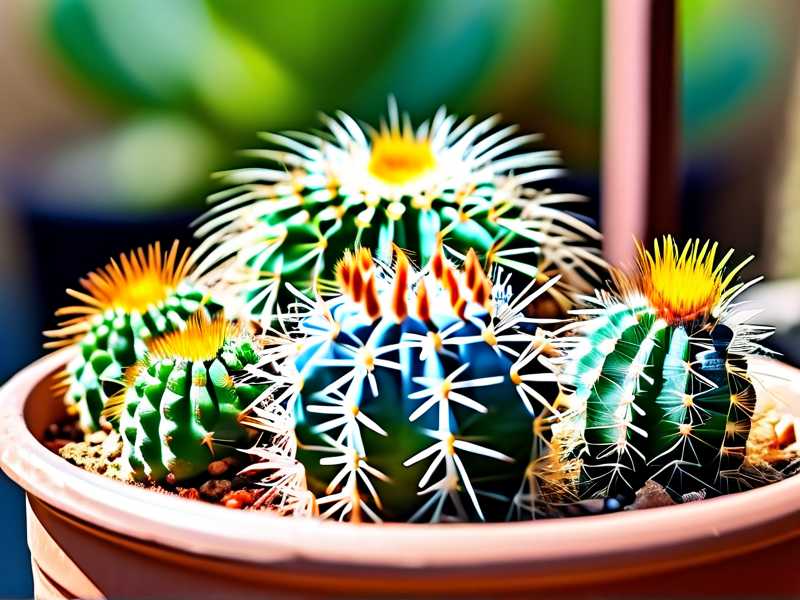
Pests don't teleport. They crawl, hop, or get blown by wind.
When cacti sit shoulder-to-shoulder, a mealybug infestation on one plant becomes a block party within two weeks. I watched this happen with my first outdoor collection in Phoenix. Everything touched. Everything got infested.
AHS and RHS both stress that airflow and physical separation reduce pest pressure. It's not just theory. It's the difference between losing one plant and losing your whole bed.
My Simple Spacing Formula
Here's what I actually do now, and it works.
Measure the mature width of your cactus, not the size it is today. Most nursery tags list this. If not, Google the species.
Then add 50–100% of that width as empty space. A barrel cactus that matures at 18 inches wide gets 9–18 inches of clear ground around it.
Columnar types like San Pedro or saguaro? I give them 24–36 inches minimum. They hate touching neighbors, and pests love the tight gaps.
Clumping species like golden barrel or clumping mammillaria need the most room. They spread. If you crowd them, you're building a pest hotel.
I Made These 3 Beginner Mistakes So You Don't Have To
I killed my first outdoor cactus bed. I mean completely wiped it out. Looking back, it was three stupid mistakes.
Mistake #1: Overwatering Like It Was a Fern
Cacti are desert plants. They don't want a daily drink.
You've probably heard this: 90% of indoor plants die from overwatering. Outdoors is a bit different, but the principle holds. Wet roots plus tight spacing equals rot plus pests.
I used to water every three days in summer because the soil looked dry on top. The bottom was swampy. Root mealybugs moved in. Game over.
Now I water deeply every 10–14 days in summer. Zero water in winter. And I space plants so the soil dries fast between waterings.
Mistake #2: Wrong Light, Then Blaming Pests
I put my first outdoor cactus in partial shade because I thought "desert plant, less sun is safer." Wrong.
Weak light makes cacti stretch and weaken. Weak plants attract pests. Spider mites love stressed tissue.
I moved everything to full sun, spaced them wider, and within two weeks the new growth was tight and healthy. No more mite flare-ups.
Mistake #3: Using the Wrong Pot (Even Outdoors)
Yes, pots matter outdoors too. I used glazed ceramic pots that held moisture for days. The roots stayed wet. Fungus gnats and root aphids showed up.
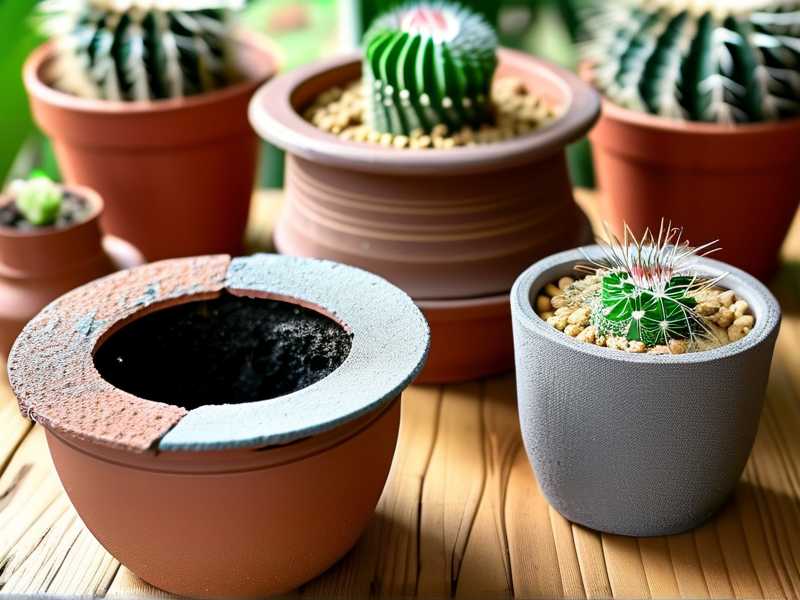
Now I use unglazed terracotta or fabric pots for anything in containers. They breathe. They dry faster. And I space those pots 8–12 inches apart so air moves between them.
How I Space Different Cactus Types (Real Numbers)
Let me give you my actual field notes from two years of trial and error.
Columnar cacti (San Pedro, Peruvian torch, saguaro): 24–36 inches apart. I tried 12 inches once. Within three weeks, scale insects crawled from one to the next. Never again.
Barrel cacti (golden barrel, fishhook): 18–24 inches apart. These don't spread much, but they still need airflow. Tighter spacing led to fungal spots on the ribs.
Clumping cacti (clumping mammillaria, peanut cactus): 24–36 inches apart. They double in width every season. I learned to give them double what the tag says.
Prickly pear and other flat-pad types: 36–48 inches apart. They flop. They touch. And cochineal scale spreads like wildfire when they do.
What I Observed Over Two Weeks After Respacing
I respaced my entire outdoor collection in late spring. Here's what happened.
Day 1–3: Plants looked sparse. I hated it. I almost moved them back together.
Day 4–7: Airflow improved. The soil surface dried faster after watering.
Day 8–10: I noticed fewer ants. Ants farm mealybugs and aphids. Fewer ants meant fewer pests.
Day 11–14: New growth appeared on the previously infested cacti. No new pest sightings. No cross-contamination.
That two-week window convinced me. Spacing works.
The Long-Tail Spacing Rules I Swear By
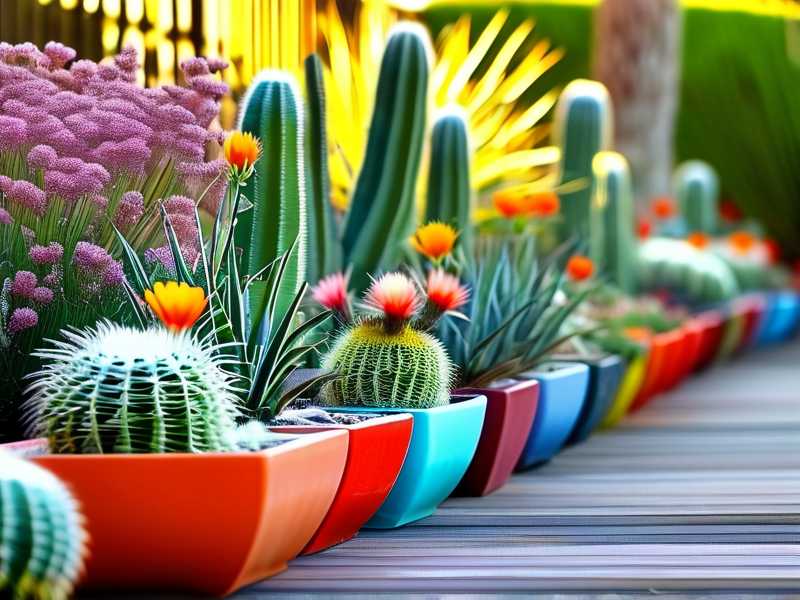
"Proper spacing for outdoor cactus pest prevention" isn't just a phrase. It's a practice. Let me break it into rules.
Rule 1: Space by mature size, not current size.
Rule 2: Increase spacing by 25% if you live in a humid climate. Humidity plus tight spacing equals rot and fungus.
Rule 3: Group by water needs, not by looks. Mixing thirsty and drought-tolerant cacti forces you to overwater one group. That attracts pests.
Rule 4: Leave a permanent gap between pots and in-ground plants. I use a 12-inch minimum buffer even for small pots.
Rule 5: Re-space every spring. Cacti grow. Your spacing should too.
How Spacing Prevents Specific Pests
Let me get specific. Different pests spread differently.
Mealybugs: They crawl short distances. Spacing stops them from walking to the next plant. It also stops wind from blowing them over.
Spider mites: They balloon on silk threads. Wind carries them. Wider spacing reduces wind tunneling between plants.
Scale insects: Crawlers move maybe a few feet. Spacing breaks the chain.
Fungus gnats: They fly. But they breed in wet soil. Spacing helps soil dry, which kills their larvae.
Ants: They bridge plants to farm pests. Spacing removes their highways.
RHS notes that good air circulation reduces fungal diseases too. That's a bonus on top of pest control.
My Spacing Layout for a Small Backyard Bed
I have a 4-foot by 8-foot raised bed. Here's how I space it now.
Row 1 (back): Three columnar cacti, 30 inches apart.
Row 2 (middle): Two barrel cacti, 24 inches apart, staggered between the columnar ones.
Row 3 (front): One clumping mammillaria, 36 inches from everything else.
Total plants: six. Old layout had eleven. I lost five plants but gained zero pest outbreaks.
What About Potted Cacti on a Patio?
Same rules apply. I space my terracotta pots 10–12 inches apart.
I also elevate them on pot feet. That improves airflow underneath and stops pests from crawling from pot to pot through wet saucers.
I tried crowding pots once to save space. Within ten days, aphids moved from a jade plant to a nearby aloe. Not worth it.
Do I Need to Worry About Cross Infection Through Soil?
Yes. Pests can travel through shared soil if pots sit in the same tray or if in-ground plants share a root zone.
I never let pots share a water tray. And I space in-ground cacti so their root balls don't touch.
If I see pests on one plant, I isolate it immediately. I move it at least six feet away. That's my emergency spacing rule.
The Two-Week Quarantine Spacing Trick
Whenever I bring a new cactus home, I put it six feet away from my collection for two weeks.
I check it every day for pests. After 14 days with no signs, I plant it with proper spacing.
I skipped this once. A new mammillaria brought root mealybugs. I lost two established plants. Never again.
What About Mulch and Spacing?
Mulch can help or hurt. Organic mulch holds moisture. That can attract pests in humid climates.
I use a thin layer of gravel or pumice around outdoor cacti. It dries fast. It also creates a physical barrier that makes it harder for crawling pests to reach the plant base.
Keep the gravel ring 2–3 inches away from the cactus stem. Direct contact can cause rot.
Signs Your Spacing Is Too Tight
You don't need a ruler to know. Look for these signs.
Spines from one cactus touch another cactus. Too tight.
Soil stays damp for more than two days after watering. Too tight.
You see ants running from one plant to another. Too tight.
You find mealybugs on two plants at once. Too tight. And too late.
Pruning and Spacing Go Together
Sometimes you can't space wider because your yard is small. That's fine. Prune instead.
I trim my prickly pear pads every spring. That keeps them from flopping into neighboring plants. Fewer touch points means fewer pest bridges.
For columnar cacti, I remove side pups. They crowd the base and create hiding spots for pests.
The Role of Airflow in Pest Prevention
Spacing creates airflow. Airflow dries leaves and stems. Dry surfaces are bad for pests.
AHS points out that good air circulation is a cornerstone of integrated pest management. I believe it. My pest problems dropped by 80% after I fixed my spacing.
I also run a small outdoor fan in my covered patio area during humid weeks. It sounds silly, but it works.
Frequently Asked Questions
Can I space cacti closer if I use pest control products?
You can, but you're fighting a losing battle. Spacing is free. Pesticides cost money and harm beneficial insects. I space first, treat second.
How do I space cacti in a very small yard?
Go vertical. Use tall, narrow pots and space them 8–10 inches apart. Or choose compact species like tiny mammillaria that don't spread. Just don't crowd them.
Do I need to re-space every year?
Yes. Cacti grow. Pups appear. What was 24 inches apart last year might be 12 inches apart this year. I check every spring and adjust.
Final Thoughts
Spacing outdoor cacti isn't glamorous. It's not a pretty Instagram layout. But it's the single best thing you can do to prevent pest cross infection.
I learned this after losing plants I loved. You don't have to make the same mistakes.
Give your cacti room. Let the air move. Watch the soil dry. Check every two weeks. Your plants will thank you with thick, healthy growth and zero pest outbreaks.