bluename
How to Group Cactus Plants to Simplify Regular Watering Management
I used to water my cacti one pot at a time, and it was a mess. Some got too much, some got too little, and I honestly lost track of which was which. Then I started grouping cactus plants by water needs, and everything got easier. That's the whole idea here: put cacti with similar thirst together so you water one group the same way instead of guessing pot by pot. It saves time, and honestly, it saves plants too. If you want to simplify regular watering management, grouping is the simplest fix I know.
Most people don't realize how much watering mistakes drive plant loss indoors. The commonly quoted figure is that 90% of indoor plants die from overwatering. Cactus growers aren't immune either. Grouping doesn't magically fix bad watering habits, but it does make the right habits way easier to keep.
Why Grouping Cactus Plants Actually Works
Cacti come from very different places. A desert barrel cactus and a jungle Christmas cactus both count as cacti, but their water needs are worlds apart. Put them on the same schedule and one of them suffers.
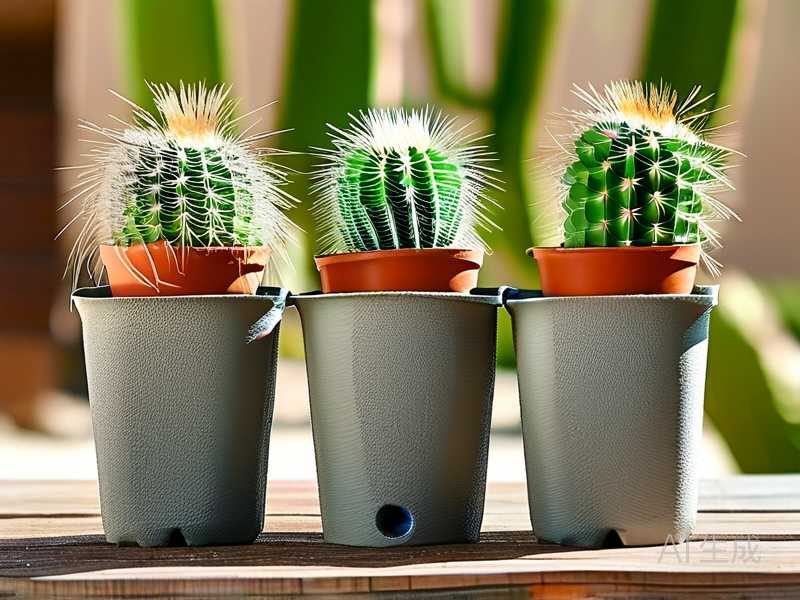
Grouping solves that. You sort your plants by how much water they want, then water each group as a unit. No more checking twelve pots individually.
I tried this about two years ago with a mixed shelf of cacti. Within two weeks I noticed fewer soggy pots and fewer shriveled ones. The plants weren't healthier because of some magic trick. They were healthier because I finally stopped overwatering the dry-lovers.
The RHS notes that cacti and succulents need sharply reduced water in winter and careful watering in summer. Grouping makes that seasonal shift much easier to manage because you treat whole groups, not individual pots.
Sort Your Cacti Into Water Groups First
Before you arrange anything, sort by thirst. I use three rough buckets.
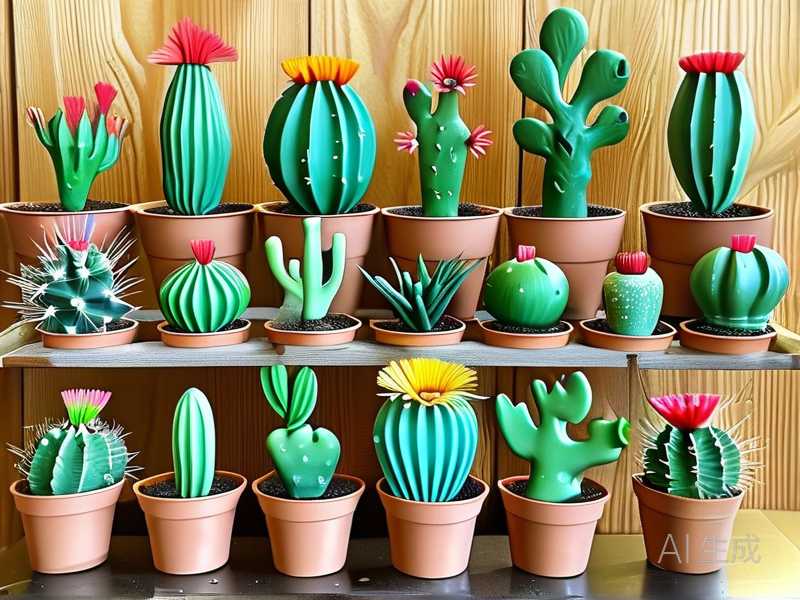
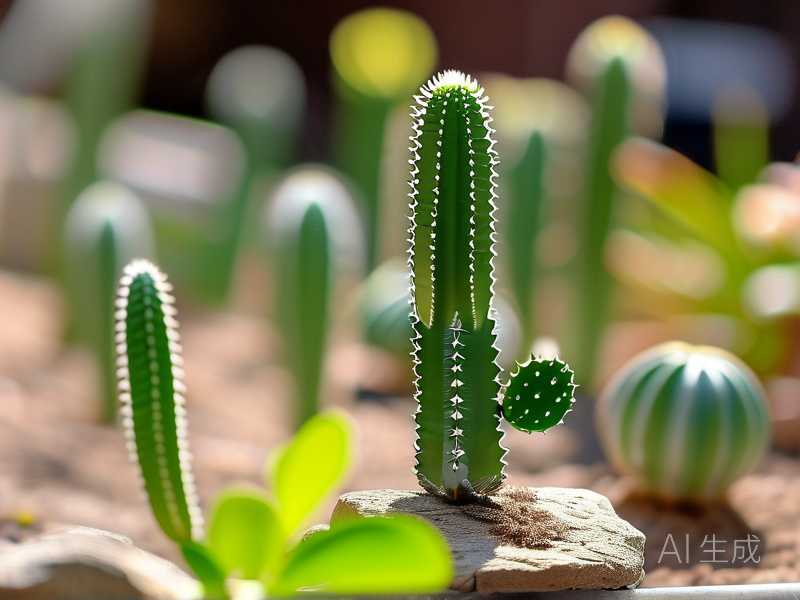
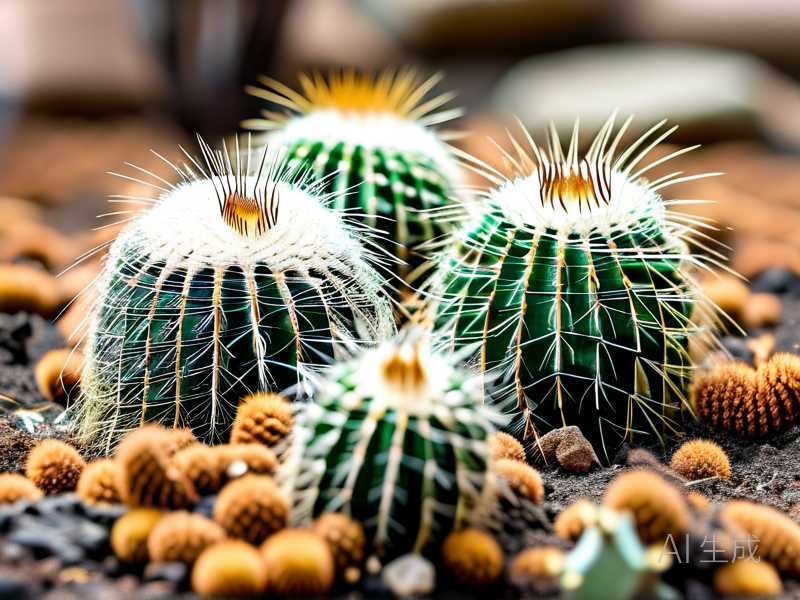
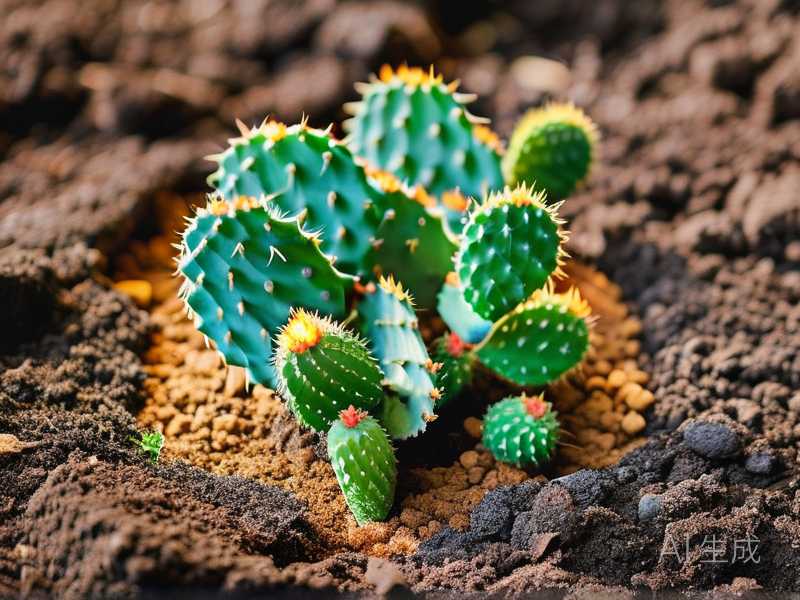
Group 1: Desert types. Think barrel cacti, prickly pears, and most column cacti. These want long dry spells and plenty of sun.
Group 2: Moderate types. Many Mammillaria and Echinopsis fall here. They like a bit more water in summer but still dry out fully between drinks.
Group 3: Jungle types. Christmas cactus, Easter cactus, and similar forest cacti. These appreciate more consistent moisture during growth and less harsh sun.
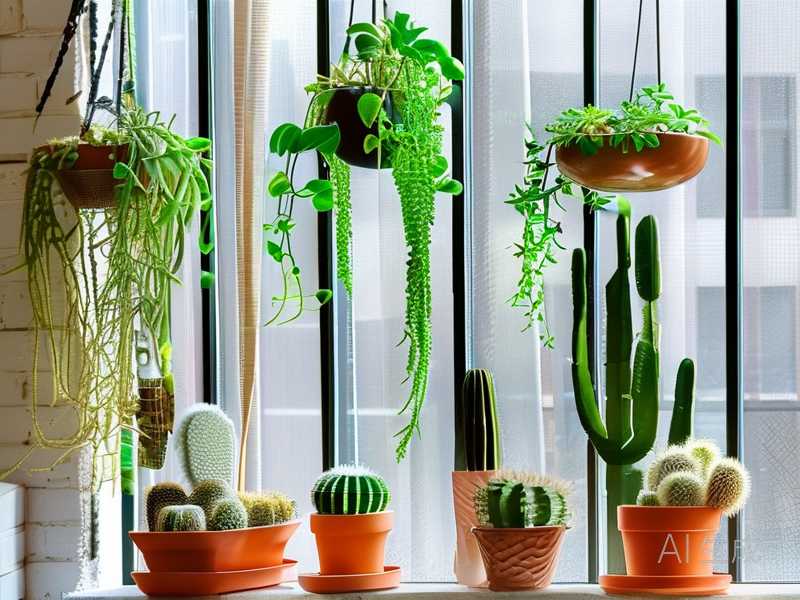
I keep Group 1 on the sunniest shelf, Group 2 in the middle, and Group 3 where light is bright but softer. Simple as that.
Long-Tailed Keyword Focus: Cactus Watering Schedule
Here's where grouping pays off. Once you know your groups, you build one cactus watering schedule per group instead of one per plant. That's the real time-saver.
I water Group 1 maybe every three to four weeks in summer and barely at all in winter. Group 3 gets water more often during active growth. Same schedule across a whole group means I can lift a pot, feel the weight, and just know.
Light and Placement by Group
Light drives water use, so placement and grouping go hand in hand. Desert types want the brightest spot you have, ideally several hours of direct sun.
Jungle cacti want bright but filtered light. Too much direct sun scorches them.
Too little light is its own problem. Plants stretch, pale out, and sit wet far too long because they're not using water. If a pot stays heavy for weeks, that's a sign it's in the wrong spot.
I learned this the slow way with a Mammillaria that sat in a dim corner. It didn't die fast, it just sulked and stayed damp. Moved it to brighter light with its group, and within two weeks the soil started drying properly again.
The Watering Method I Use for Each Group
Water deeply, then let the soil dry. That's the core rule. Shallow sips leave roots shallow and weak.
For each group, I water until it runs out the drainage holes, then I don't touch that group again until the soil is dry. I check with a finger or a bamboo skewer.
Group 1: bone dry before watering. Group 2: mostly dry. Group 3: slightly dry on top but not bone dry during growth.
The American Horticultural Society's guidance on AHS matches this: good drainage and letting soil dry between waterings keep most problems away.
Prevent soggy roots by never letting pots sit in saucers of water. Empty them after watering. It sounds trivial. It's not.
Soil, Pots, and Repotting for Grouped Plants
All your groups want fast-draining soil. I use a mix of roughly 60% potting soil, 30% gritty material like pumice or perlite, and 10% coarse sand. It drains fast and doesn't hold water like a sponge.
Pots matter more than most people think. Terracotta breathes and dries faster, which suits desert types. Plastic holds moisture longer, which can work for jungle cacti but is risky for dry-lovers.
Always use pots with drainage holes. Repot every two to three years, or when roots crowd the pot. I repot in spring when plants are waking up.
Feeding Your Cactus Groups
Feed lightly. Cacti aren't heavy feeders.
I use a diluted cactus fertilizer at half strength once a month during spring and summer. Nothing in fall or winter.
Don't feed a dry, stressed, or recently repotted plant. Wait until it's actively growing again. Thin feeding beats generous feeding every time.
Seasonal Care by Group
Spring
This is the wake-up season. Start watering a bit more, resume feeding, and repot if needed. Trim dead or damaged bits. I give my desert group their first real soak around early spring and watch closely for two weeks.
Summer
Watch the sun. Desert types love it. Jungle types need shade from harsh midday sun. Water in the morning so excess moisture dries by evening. Keep air moving to avoid rot.
Fall
Ease off water and stop feeding. This is when I start prepping everything for winter. Clear dead leaves and check for pests before plants slow down.
Winter
Most cacti want a rest. Group 1 stays almost dry. Jungle types get occasional light water. Keep everything above freezing, indoors if needed. No fertilizer.
Common Problems and How I Handle Them
Yellowing usually means too much water or poor light. Sagging and mushy base means rot. Shriveled skin usually means too little water, but check roots before you water more.
Pests like mealybugs and scale show up on grouped plants, so check group members together. Wipe them off with a cotton swab dipped in rubbing alcohol.
Three Mistakes New Growers Make
-
Overwatering. The classic killer. Grouping helps you spot the group that stays wet too long.
-
Wrong light. Desert types in shade, jungle types in blazing sun. Both go wrong fast.
-
Wrong pot. No drainage holes or the wrong material. Fix the pot and half your problems disappear.
I've made all three. My first cactus drowned in a cute pot with no holes. I still think about it.
FAQ
How many cacti should I group together? Three to five per group is a good start. It's enough to save time without making it hard to check each plant.
Can I group different cactus types in one pot? Only if they share water and light needs. Otherwise keep them separate. Mixed pots are a common beginner trap.
How do I know when a group needs water? Lift the pot. Light means dry. Heavy means wait. A bamboo skewer works too.
Grouping cacti won't make you a perfect waterer overnight. But it turns a guessing game into a routine. Sort by thirst, place by light, water by group, and you'll spend less time fussing and more time enjoying your plants.