bluename
 How to Care for Frost-Tolerant Opuntia Cactus Species in Winter: A Hands-On Survival Guide
You’ve carefully selected a beautiful, cold-hardy Opuntia, dreaming of its resilient silhouette against the winter sky. Yet, as the first hard frost approaches, a familiar dread creeps in. Is it truly frost-tolerant? Will it turn to mush by spring? I’ve been there, staring at my prized specimens with a mix of hope and anxiety. The term “frost-tolerant” is surprisingly vague, and the line between a cactus that thrives and one that merely survives—or dies—is thin. Through trial, error, and a two-week winter crisis that tested my knowledge, I learned that winter care for these hardy cacti isn’t about neglect; it’s about intelligent, proactive protection. This guide will walk you through the exact steps I now use, born from real experience, to ensure my frost-tolerant Opuntia cactus species not only endure winter but enter spring ready to flourish.
Understanding "Frost-Tolerant": It's Not a Free Pass
First, let’s demystify the label. A “frost-tolerant” Opuntia, such as Opuntia humifusa (Eastern Prickly Pear) or Opuntia polyacantha (Plains Prickly Pear), can typically withstand temperatures down to a specific range, often between -20°F to 0°F (-29°C to -18°C), depending on the species and its acclimation. However, as experts from the Royal Horticultural Society (RHS) emphasize, this hardiness assumes well-drained soil. Winter wetness is the true enemy, far more than cold itself. The American Horticultural Society’s (AHS) Plant Heat-Zone Map, while focused on heat, reminds us that microclimates matter just as much for cold. A cactus on a south-facing, sloping rockery experiences a very different winter than one in a flat, clay-based garden bed.
My Two-Week Winter Vigil: A Story of Rescue and Learning
Two winters ago, a predicted mild season turned brutal. An unexpected polar vortex sent temperatures plummeting to -15°F, accompanied by heavy, wet snow. I had five established Opuntia humifusa pads in the ground. I thought they were invincible. By the third day of deep freeze, I noticed a troubling sign: the normally firm pads on two plants looked slightly translucent and felt softer. Panic set in. This began my intense, 14-day observation and intervention period.
The Step-by-Step Winter Protection Protocol I Now Swear By
My previous complacency was replaced by a structured plan. Here’s the exact process I follow, refined from that critical experience.
Pre-Winter Preparation: The Foundation of Success
The work for winter begins in late summer and early fall. This is non-negotiable.
- Cessation of Watering: By late September, I completely stop watering my in-ground and potted Opuntia. This forces the plant to enter a state of dormancy and prevents it from holding excess water in its cells, which can freeze and rupture tissues.
- Soil and Site Assessment: For in-ground plants, I ensure the soil is exceptionally well-draining. If your soil is heavy, the best time to amend it was at planting. If not, consider transplanting in spring to a raised bed or slope. For potted specimens, I use a gritty, cactus-specific mix with at least 50% inorganic material like pumice or coarse sand.
- Health Check: I meticulously inspect for pests or disease. A weakened plant will not survive winter. I treat any issues well before the first frost.
Active Protection Strategies for Different Scenarios
Not all Opuntia or locations are equal. I categorize my protection based on risk.
For In-Ground, Established Plants (The Primary Focus): The goal here is to keep the crown and roots dry. My failed plants suffered from ice melt pooling at their base.
- The Dry Mantle Technique: This was my game-changer. Once the plant is fully dormant and after the first light frost, I create a protective “mantle.” I use a large, breathable cloche or simply fashion a tent from a piece of clear, corrugated plastic panel. I drive stakes into the ground around the cactus and secure the plastic over the top, ensuring it extends well past the plant’s drip line. Crucially, I leave the sides open for full air circulation. This prevents rain, sleet, and snow from directly hitting the plant and saturating the soil immediately around it, while avoiding a humid, stagnant environment that encourages rot.
- Strategic Mulching: I apply a thin layer (1-2 inches) of very coarse gravel or small lava rock around the base. Never use organic mulch like bark or straw, which retains moisture and can rot the stem. The gravel acts as a moisture-wicking blanket, pulling water away from the crown.
For Potted Opuntia: Potted plants are more vulnerable as their roots are confined. My rule is simple: when in doubt, move it out (of the weather).
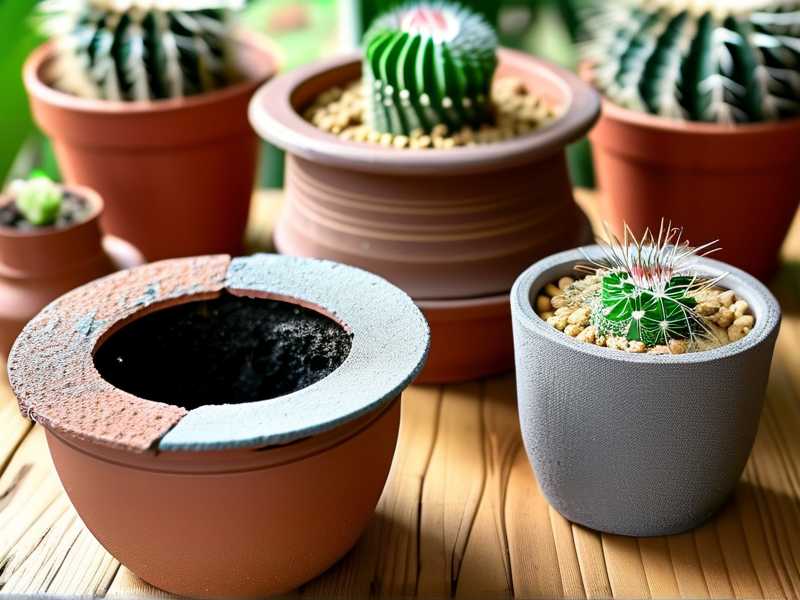
- The Unheated Shelter: I move all my potted frost-tolerant Opuntia to an unheated garage, shed, or against a south-facing house wall under an eave. The location must be cold (to maintain dormancy) but completely dry and shielded from precipitation and wind. I place them on a shelf or table, and I do not water them at all from October through March.
During a Cold Snap: Emergency Measures When extreme cold is forecast, like during my two-week crisis, I take extra steps.
- Temporary Insulation: For my in-ground plants, I gently place a loose layer of frost cloth or even an old breathable blanket directly over the cactus on the coldest nights. I remove it during the day. This traps a small pocket of slightly warmer air. For the softening pads I observed, this, combined with the dry mantle, halted further damage.
- The Cardboard Box Trick: For smaller potted plants left outdoors, a simple cardboard box placed over the pot for the night provides remarkable insulation against radiative heat loss.
Post-Freeze Assessment and Spring Awakening
After that brutal two-week freeze, the weather moderated. The two affected pads remained discolored but firmed up slightly. I resisted the urge to cut immediately. A critical lesson: Wait until all danger of frost has passed and active growth is visible in spring to assess damage. Often, what looks dead is merely dormant or superficially damaged.
In spring, the truly damaged pads on my plants were obvious—they remained mushy and collapsed. I carefully cut them away with a sterile knife. The healthy pads, protected by the dry mantle, plumped up and produced new growth by late May. The recovery was slow but successful.
Common Pitfalls I’ve Encountered (And How to Avoid Them)
- The “Water Before a Freeze” Myth: A common gardening myth is to water plants before a freeze. For succulents like Opuntia, this is a death sentence. Always ensure the soil is dry.
- Over-covering with Plastic: Sealing a plant in plastic without ventilation creates a sauna by day and a freezer by night, guaranteeing rot. Always ensure airflow.
- Premature Spring Watering: As temperatures rise, the urge to water is strong. Wait until you see consistent new growth. Dormant roots in cold, wet soil will rot.
Addressing Your Top Concerns
Can I just leave my frost-tolerant Opuntia completely alone? In its ideal native habitat with perfect drainage and predictable climate, perhaps. In a garden setting with variable winters, proactive protection drastically increases success rates and prevents heartbreaking losses. It’s the difference between survival and thriving.
My cactus looks shriveled and sad in winter. Should I water it? No. Winter shriveling is normal and desirable. It shows the plant is using its internal water stores and is properly dormant. Watering will break dormancy and make it vulnerable to rot. Trust the process.
How do I know if my cactus is dead or just dormant after winter? Wait for consistent spring warmth. Then, gently press a pad. A dormant pad will feel firm, even if thin or discolored. A dead pad will be mushy, hollow, or brittle and dry throughout. You can also scratch a tiny spot with a thumbnail; green tissue underneath means it’s alive.
Success with frost-tolerant Opuntia in winter hinges on mastering the balance between cold and dryness. By understanding that their tolerance has limits, preparing them properly for dormancy, and employing smart, breathable protection like the dry mantle technique, you can transform winter from a season of anxiety into one of quiet confidence. Observe your plants closely, learn from the conditions in your specific garden, and never underestimate the power of keeping their feet dry. The reward is a resilient, beautiful cactus that greets each spring with vigor, a true testament to your thoughtful care.