bluename
 How to Select Pollinator-Friendly Cactus Species for Wildlife Gardens
I’ve always wanted my garden to buzz with life—literally. As a plant enthusiast, my goal was to create a vibrant sanctuary for bees, butterflies, hummingbirds, and other crucial pollinators. Yet, for years, I struggled. My wildlife garden felt incomplete; it had blooms, but they were fleeting, and the pollinators seemed to visit only sporadically. The core pain point was clear: how could I provide consistent, reliable nourishment for these beneficial creatures, especially during hot, dry periods when other plants wilted? The answer, I discovered, was hiding in plain sight—cacti. Not the stereotypical barren desert plants, but stunning, flowering pollinator-friendly cactus species. This realization began a transformative journey in my wildlife garden.
My initial assumption was that all cacti were good for wildlife. I quickly learned this was my first major pitfall. I bought a few attractive cacti from a local garden center, planted them in a sunny spot, and waited. For two weeks, I observed almost zero pollinator activity. The cacti were healthy but silent. The issue? I had chosen species prized for their form, not their flowers. They either bloomed rarely or produced flowers inaccessible to local pollinators. This two-week observation period was crucial. It taught me that selection is everything. A pollinator-friendly cactus isn’t just a cactus that can flower; it’s one that produces abundant, nectar-rich, accessible blooms at a time when your local pollinators need it most.
Understanding What Makes a Cactus Truly Pollinator-Friendly
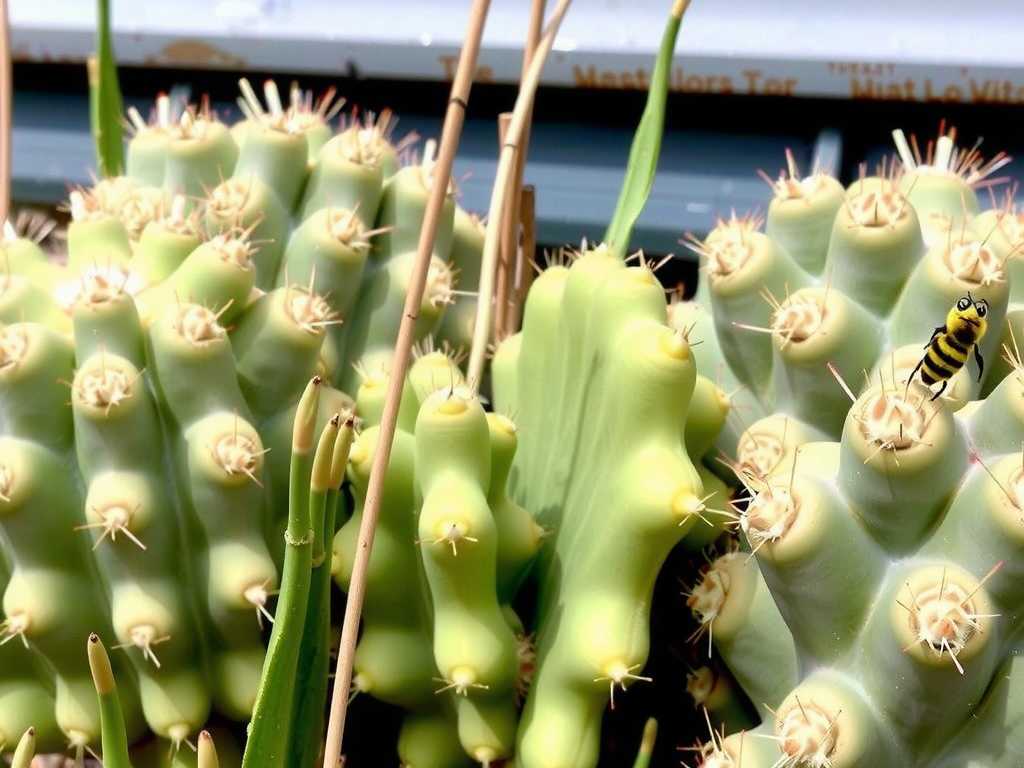
To avoid further missteps, I dove into research. According to the Xerces Society for Invertebrate Conservation, a leading authority in pollinator preservation, effective pollinator plants share key traits: they offer high-quality nectar and pollen, have a bloom period that supports seasonal pollinator needs, and are native or adapted to the local environment. The Royal Horticultural Society (RHS) further emphasizes the importance of plant structure, noting that open, bowl-shaped flowers are often more accessible to a wider range of insects than complex, tubular ones.
For cacti, this translates to a specific set of characteristics. A top-performing pollinator cactus should have:
- Prolific and Reliable Blooming: It must flower annually and abundantly.
- Accessible Flower Architecture: Open blooms or shorter tubes that native bees, butterflies, and flies can easily navigate.
- Nectar and Pollen Production: Flowers must be fertile and resource-rich, not sterile hybrids.
- Native or Ecological Value: Prioritizing species native to your broader region supports co-evolved pollinator relationships, a cornerstone of creating a sustainable wildlife habitat.
My Selection Process: A Step-by-Step Guide
Armed with this knowledge, I developed a practical, four-step selection process. This framework moved me from random picking to strategic gardening.
Step 1: Research Your Local Pollinators and Climate I started not with plants, but with animals. I spent time noting which pollinators were already in my area—mostly native ground-nesting bees, honeybees, and monarch butterflies. I also checked my USDA Hardiness Zone and noted my region’s rainfall patterns. This context is vital. A cactus that thrives in the Sonoran Desert may struggle in the humid Southeast, and its pollinators won’t be present anyway. The goal is to choose cacti suited to your local wildlife garden conditions.
Step 2: Prioritize Native Cactus Species This was the single most impactful decision I made. Native plants and pollinators have evolved together over millennia. I consulted resources from local native plant societies and university extension services. For my area, this meant looking beyond the generic "prickly pear" to identify the specific native Opuntia species. The difference was staggering. When I planted Opuntia humifusa (Eastern Prickly Pear), a native to my region, the pollinator response was immediate and specific. I observed specialist bees like Diadasia, which have a unique relationship with prickly pear pollen. This level of ecological interaction is the hallmark of a truly successful wildlife garden.
Step 3: Evaluate Key Pollinator-Friendly Traits At the nursery or when browsing catalogs, I now had a checklist:
- Flower Form: I looked for species with open, dish-shaped flowers (like many Echinopsis or Opuntia) for bees and butterflies, and slightly tubular ones (like some Cleistocactus) for hummingbirds.
- Bloom Time: I aimed for a sequence. I chose early-summer bloomers like Opuntia and late-summer to fall bloomers like Cylindropuntia (Chollas) to provide a long-lasting buffet.
- Growth Habit: I considered structure. Clumping cacti provide shelter for insects, while tall columnar cacti offer landing pads and visual cues for pollinators from a distance.
Step 4: Source Plants Responsibly I learned to ask nursery staff about the plant’s origin. I now actively seek out nurseries that propagate from seed or cuttings, never purchasing cacti poached from the wild. Protecting native habitats is integral to supporting pollinators on a larger scale.
Top Cactus Picks for a Thriving Pollinator Garden
Through trial, error, and extensive observation, I’ve narrowed my list to three superstar genera. These have provided the most consistent, dramatic results in supporting garden wildlife.
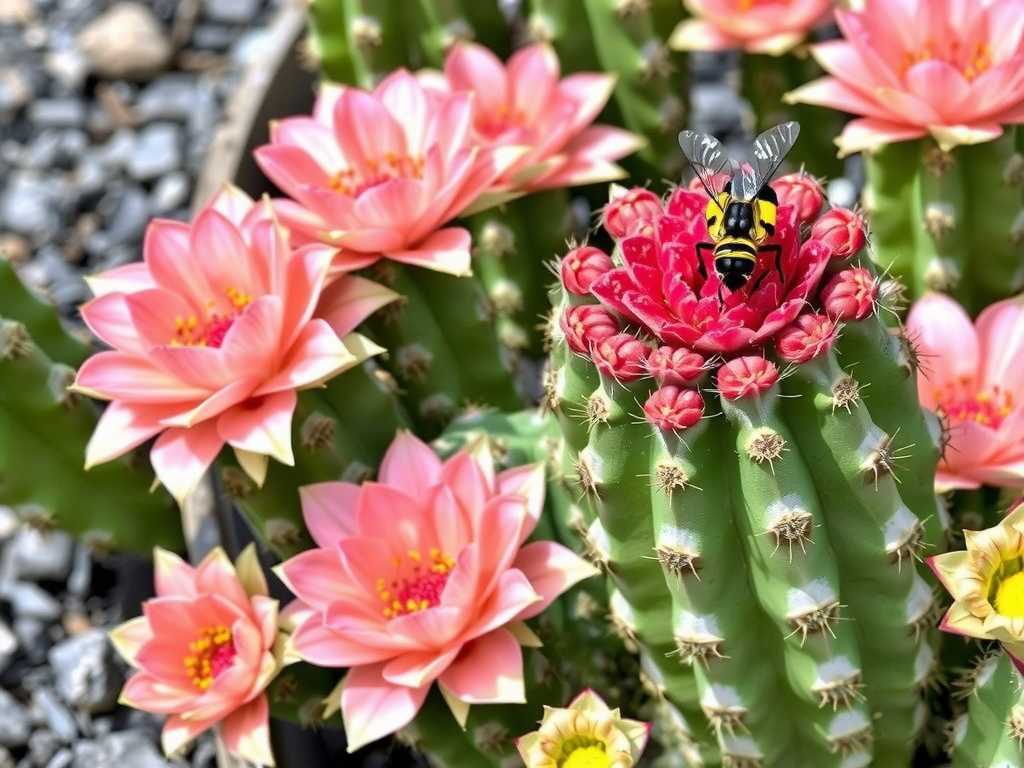
Opuntia (Prickly Pear and Cholla): The Pollinator Powerhouse This genus is my number-one recommendation. Their large, satiny flowers in yellows, pinks, and reds are irresistible to a huge array of insects. My Opuntia engelmannii became the busiest diner in my garden. Over a two-week peak bloom period, I documented over 15 different insect species visiting its flowers, from large carpenter bees to tiny sweat bees. The subsequent fruits also feed birds and mammals. A key lesson: wear thick gloves when handling! Their tiny, hair-like glochids are a nuisance I learned to respect.
Echinopsis (Sea Urchin Cactus): The Night-Blooming Spectacle For something truly magical, I incorporated Echinopsis. Their enormous, fragrant flowers open at dusk. I dedicated two evenings to observing them. As night fell, hawkmoths appeared as if on cue, their long proboscises perfectly adapted to the deep tubes. It was a breathtaking demonstration of co-evolution. For gardens hoping to support nocturnal pollinators, this cactus is non-negotiable.
Cylindropuntia (Cholla): The Architectural Hub While some chollas can be aggressive, selected species like Cylindropuntia whipplei offer stunning structure and fantastic wildlife value. Their cylindrical joints and persistent, dry fruits create nesting sites for cavity-nesting bees. The bright, cup-shaped flowers are bee magnets. My caution here is placement—plant them where their detachable joints won’t be a hazard to pets or pathways.
Planting and Care for Maximum Pollinator Appeal
Selecting the right cactus is only half the battle. How you plant and care for them determines their success as a wildlife resource.
Site Selection and Planting: All cacti demand full sun and impeccable drainage. I dug wider holes than needed and amended the native soil with generous amounts of coarse sand and small gravel to replicate their natural, gritty environment. Planting too deep or in heavy, water-retentive soil is a death sentence—a pitfall I avoided this time by doing my homework.
Ongoing Maintenance for Wildlife: I practice neglectful cultivation. I rarely water established native cacti, forcing them to develop deep, resilient root systems. I never use systemic pesticides; even a small amount can poison the nectar and pollen. If scale insects appear, I spot-treat with horticultural oil. The most important "maintenance" is observation. I keep a simple journal to note which cacti are in bloom and which pollinators visit, refining my plant choices year after year.
Creating a Complementary Habitat: Cacti are the anchor, but they work best in a community. I planted drought-tolerant native wildflowers like blanketflower (Gaillardia) and penstemon around my cactus beds to extend the floral resources. I also left bare, undisturbed patches of sandy soil for ground-nesting bees and placed a few flat stones as basking spots for butterflies.
Common Questions from Fellow Gardeners
Aren’t cacti dangerous for wildlife because of their spines? This was a major concern of mine. In reality, spines provide critical shelter. Birds like the Cactus Wren nest in them, and small mammals use them for protection from predators. Pollinators are adept at navigating around spines to reach the flowers. The structure is a benefit, not a barrier.
I have a small, shady garden. Can I still grow pollinator cacti? Unfortunately, cacti and shade are incompatible. They require a minimum of 6-8 hours of direct sun to flower profusely. For shadier wildlife gardens, focus on native shade-tolerant perennials like wild ginger or columbine.
How long until I see pollinators on my new cacti? Patience is key. A newly planted cactus may focus energy on root establishment in its first year. By the second or third growing season, once the plant is settled and mature enough to flower robustly, you should see pollinator activity. My Opuntia put on a modest show in year one, but by year two, it was a pollinator festival.
Embracing pollinator-friendly cacti has utterly transformed my approach to wildlife gardening. It shifted my focus from mere aesthetics to creating a functional, resilient ecosystem. The process taught me to observe deeply, choose thoughtfully, and appreciate the intricate connections between a plant’s structure and its animal partners. By selecting the right cactus species—prioritizing natives, understanding their traits, and planting them with care—you can build a stunning, low-maintenance garden that doesn’t just look alive, but truly teems with life, season after season. Start with one native prickly pear, and watch your garden begin to buzz.