bluename
 How to Choose Heat-Tolerant Cactus Species for Desert Landscaping
I stood in my new Arizona backyard, the relentless sun beating down on a blank canvas of dry, rocky soil. My vision of a vibrant, low-maintenance desert garden seemed to evaporate in the 110°F heat. The core problem wasn't just finding a cactus; it was choosing heat-tolerant cactus species that wouldn't just survive, but truly thrive in extreme desert landscaping conditions. I needed plants that could handle the oven-like temperatures, reflected radiation from my pale walls, and occasional, brutal monsoon downpours. Through trial, error, and a dedicated two-week observation period, I developed a foolproof selection process. Let me guide you through the exact steps I took, the mistakes I made, and the resilient champions that finally turned my yard into a stunning, sustainable oasis.
Understanding True Heat Tolerance in Cacti
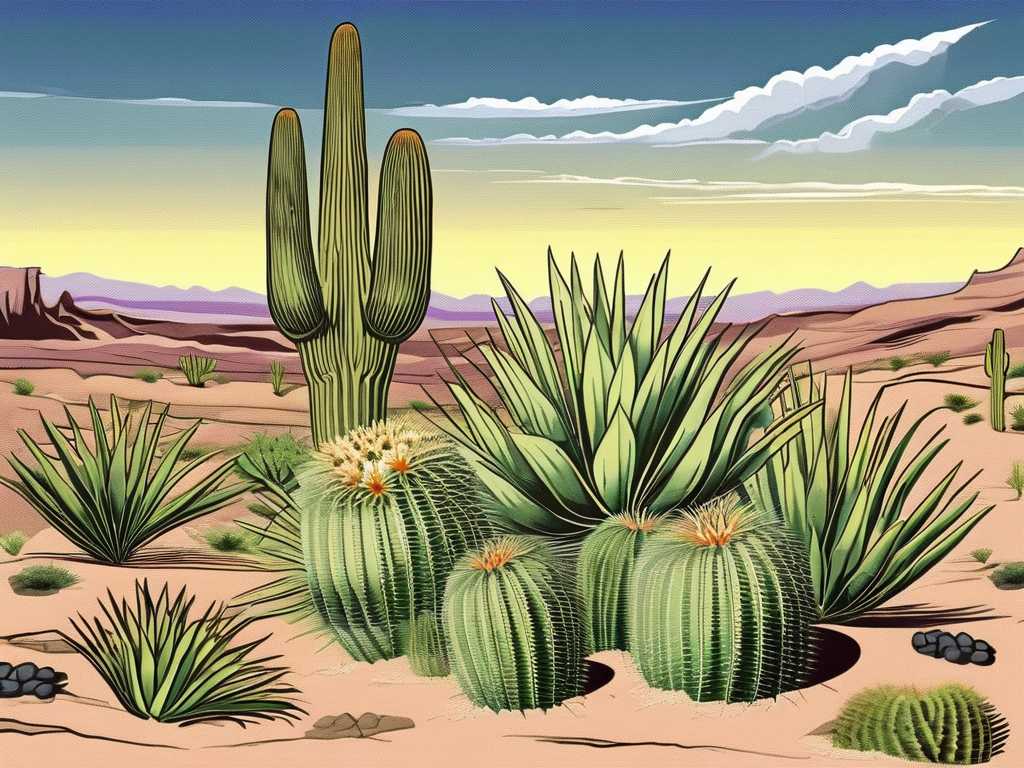
Many beginners assume all cacti are created equal for hot weather. My first mistake was thinking exactly that. I quickly learned that "heat-tolerant" involves several specific adaptations beyond just storing water. True champions of desert landscaping with cacti possess a combination of features: dense spine coverage that provides shade to the stem surface, a ribbed structure that expands for water storage without splitting, and a waxy coating (cuticle) that minimizes moisture loss. As noted by the Arizona-Sonora Desert Museum, species native to the lower Colorado River valley and Sonoran Desert flats have evolved under the most intense solar exposure, making them genetically primed for success.
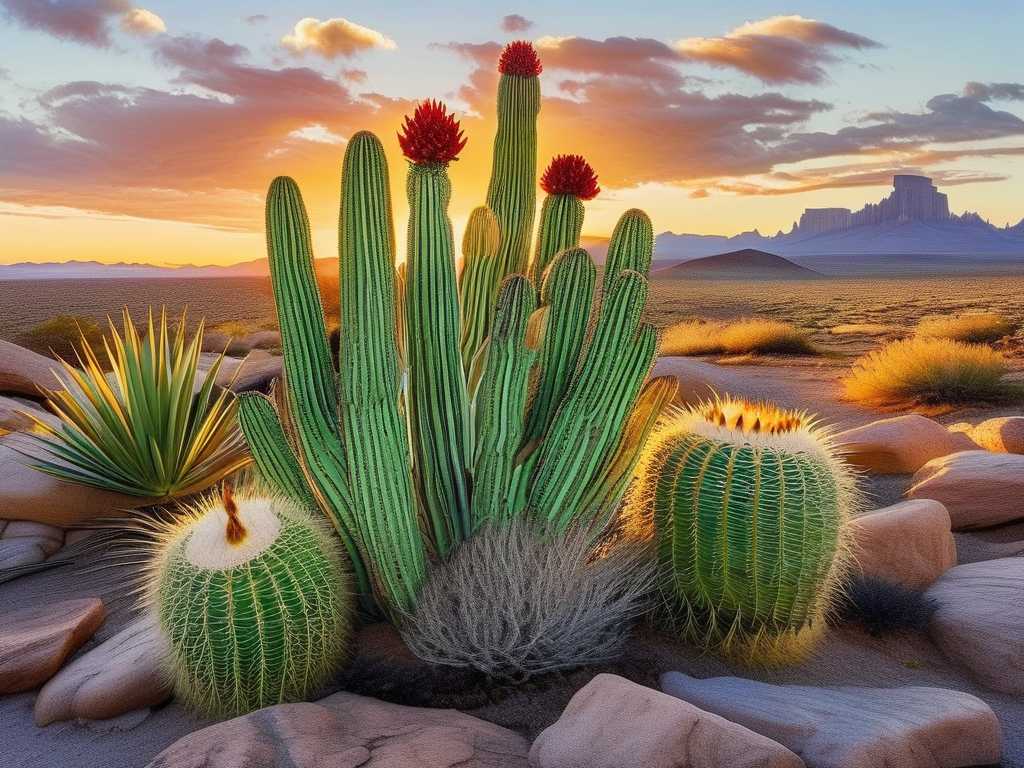
During my initial selection, I overlooked a critical factor: root heat tolerance. I planted a young Saguaro (Carnegiea gigantea), a symbol of the desert, in a shallow bed near a south-facing wall. While the stem seemed okay, the soil temperature at root level was scorching. Within days, it showed signs of stress. The solution? I learned from the Cactus and Succulent Society of America (CSSA) that providing a "root shade" through strategic rock placement or using companion ground-cover plants can insulate the soil. For that Saguaro, I carefully amended its base with larger, light-colored gravel, which reflected heat and lowered the root zone temperature. After this adjustment and two weeks of monitoring, its pallor improved, and firmness returned to its base.
My Step-by-Step Selection Process for a Resilient Garden
This hands-on process is what finally led to my landscaping success.
Step 1: Analyze Your Micro-Climate I mapped my yard's sun exposure throughout the day. The area near my south-facing wall was a "super-heat zone" with over 12 hours of direct, amplified sun. Other spots had afternoon shade. This zoning was crucial. For the super-heat zones, I needed the most resilient species. According to horticulturist and author Scott Calhoun, focusing on regional natives is the safest bet for heat endurance. I decided to focus on two core long-tail keyword groups: "best cactus for extreme heat and full sun" and "low water cactus for desert gardens."
Step 2: Selecting the Champions – My Top Performer Species Based on research and local nursery advice, I selected three primary species for my hottest bed and observed them closely for two weeks.
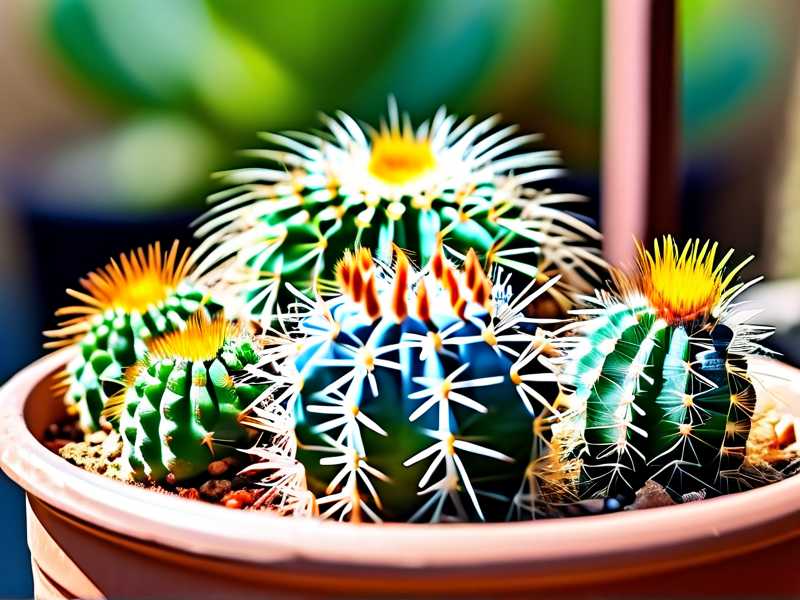
- Barrel Cactus (Ferocactus spp.) – The Unshakeable Tank: I chose Ferocactus wislizeni (Fishhook Barrel) for its formidable spines and robust, columnar shape. Its deep taproot anchors it and accesses cooler subsurface moisture. Observation (Week 1-2): Planted in the harshest spot, it showed zero signs of stress. Its deep green color held steady, even when nearby non-cactus succulents scorched. It was the clear MVP for full sun, heat-resistant cactus placement.
- Prickly Pear (Opuntia spp.) – The Adaptive Workhorse: I opted for Opuntia engelmannii for its fast growth and sprawling form. Its large pads have a super-thick cuticle. The "Aha!" Moment & Fix: Initially, I planted a pad too vertically. A veteran at a local botanical garden (a member of the Royal Horticultural Society, RHS, affiliate) pointed out that flat pads angled to the sun minimize midday exposure. I replanted it on a slight angle. Over the next 14 days, the previously slightly wrinkled pad plumped up significantly, demonstrating how proper orientation maximizes its natural cooling strategy.
- Organ Pipe Cactus (Stenocereus thurberi) – The Architectural Statement: While slower-growing, its multi-armed structure is iconic. I placed it in a hot area with slight afternoon shade from a palo verde tree. Observation: It required more careful watering at establishment to encourage deep roots but exhibited superb heat tolerance once its root system settled, confirming its status as a prime drought and heat tolerant landscape cactus.
Step 3: The Planting Protocol That Makes the Difference Here’s where I made my second big mistake. I planted them in pure native clay, thinking "they're desert plants, they'll manage." They struggled with compaction. The fix was creating a tailored planting mix. I dug holes three times wider than the root ball and blended 50% native soil with 50% coarse sand and small lava rock for ultimate drainage. I planted them slightly higher than ground level to prevent water pooling at the stem base—a major cause of rot in hot, wet conditions. I then topped the soil with a layer of decomposed granite mulch to further reduce soil temperature and evaporation.
Step 4: The Critical Two-Week Monitoring Period The first fortnight is diagnostic. I checked my plants every morning and evening for color changes (yellowing or bleaching), unusual softness, or leaning.
- Barrel Cactus: Remained perfectly firm and upright. Passed with flying colors.
- Prickly Pear: After re-planting, the pad firmed up and showed new glochid growth at the top—a sure sign of happiness.
- Organ Pipe: Maintained a steady, deep green color. No shrinkage.
This daily observation taught me more than any book could: consistent firmness and color are the true indicators of successful heat adaptation.
Designing for Beauty and Endurance
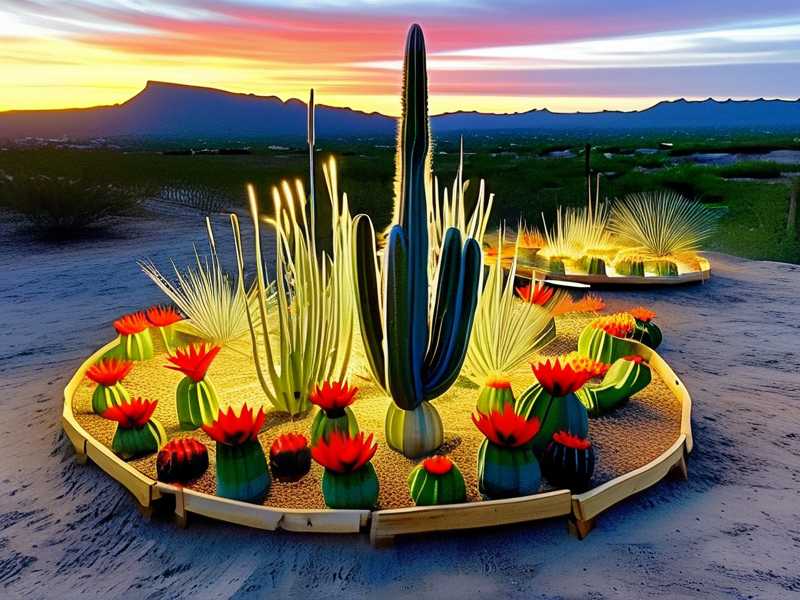
Choosing the right species is half the battle; placing them thoughtfully completes the garden. I use larger, columnar cacti like Saguaro or Organ Pipe as focal points. Clustering low-growing, globular cacti like Hedgehog (Echinocereus spp.) in groups creates visual impact and provides mutual root shade. I incorporated heat-tolerant non-cactus companions like Red Yucca (Hesperaloe parviflora) for vertical interest and color, following the principle of layered planting to create a microclimate that benefits all plants.
Essential Care for Peak Performance
Even the toughest cacti need smart care. My watering rule for established plants: deep, infrequent soaks only when the soil is completely dry several inches down. In peak heat, this might be every 2-3 weeks, not weekly. Overwatering in heat is a silent killer, leading to root rot. For feeding, I use a low-nitrogen, slow-release fertilizer formulated for cacti once in early spring. Most importantly, I always wear heavy gloves and use specialized long-handled tongs when working near them—a lesson learned from a painful encounter with a nearly invisible glochid cluster.
Addressing Your Top Questions
Can I grow heat-tolerant cacti in a non-desert climate if we have hot summers? Yes, but with caveats. The primary challenge often isn't summer heat, but winter cold and wetness. Species like many Opuntia are remarkably cold-hardy. The key is ensuring absolutely perfect drainage with raised beds or gritty soil amendments to prevent winter rot. Your success will depend more on managing excess moisture than the summer sun.
How quickly do these cacti establish and show growth? Patience is essential. In the first year, focus on root establishment, not top growth. You might not see visible new growth for several months. My Barrel Cactus showed its first new crown spine cluster after about 4 months. Faster-growing species like Prickly Pear may show new pad development within a single growing season with adequate water.
Are these cacti safe for yards with pets or children? This is a serious consideration. Many of the most heat-tolerant species have formidable spines. For safer landscaping, consider less-armed options like the Old Man Cactus (Cephalocereus senilis), which has long, hairy, relatively soft spines, or rely more on architectural agaves and yuccas. Always place severely spined specimens away from walkways, play areas, and pet runs.
Transforming a harsh desert plot into a thriving garden is deeply rewarding. The journey taught me that success lies in respecting the specific, evolved genius of each plant. By meticulously selecting true heat-adapted species like the steadfast Barrel Cactus, understanding your unique micro-climate, and providing a foundation of perfect drainage, you create a landscape that doesn't just endure the heat, but celebrates it. Start with a single, well-chosen cactus, observe it closely, and let that success guide your next planting. Your resilient, beautiful desert oasis is waiting to take root.