bluename
 How to Identify Rare Copiapoa Cactus Species for Collectors: A Hands-On Guide
As a dedicated cactus collector, I know the thrill of the hunt. That moment you spot a unique, barrel-shaped beauty in a nursery or a private collection, your heart skips a beat. Is it a common Copiapoa cinerea or could it be the elusive, near-mythical Copiapoa solaris? The frustration is real. Misidentification is not just a blow to the ego; it can lead to improper care, a wasted investment, and the disappointment of nurturing a plant that isn’t what you dreamed of. For years, I relied on blurry photos and conflicting online forums, until I decided to develop a systematic, foolproof method. This guide is the result of my own two-week deep dive into authenticating a suspected rare Copiapoa. I’ll walk you through the exact steps I took, the mistakes I made, and how you can confidently learn how to identify rare Copiapoa cactus species for your own collection.
My journey began with a single, promising specimen I acquired from a specialized seller. It was labeled simply as “Copiapoa sp.,” a tantalizing mystery. I committed the next fourteen days to solving it.
Laying the Groundwork: Essential Pre-Identification Tools
You cannot identify what you don’t understand. Before even examining the cactus, I spent the first two days in research mode. This foundational step is non-negotiable.
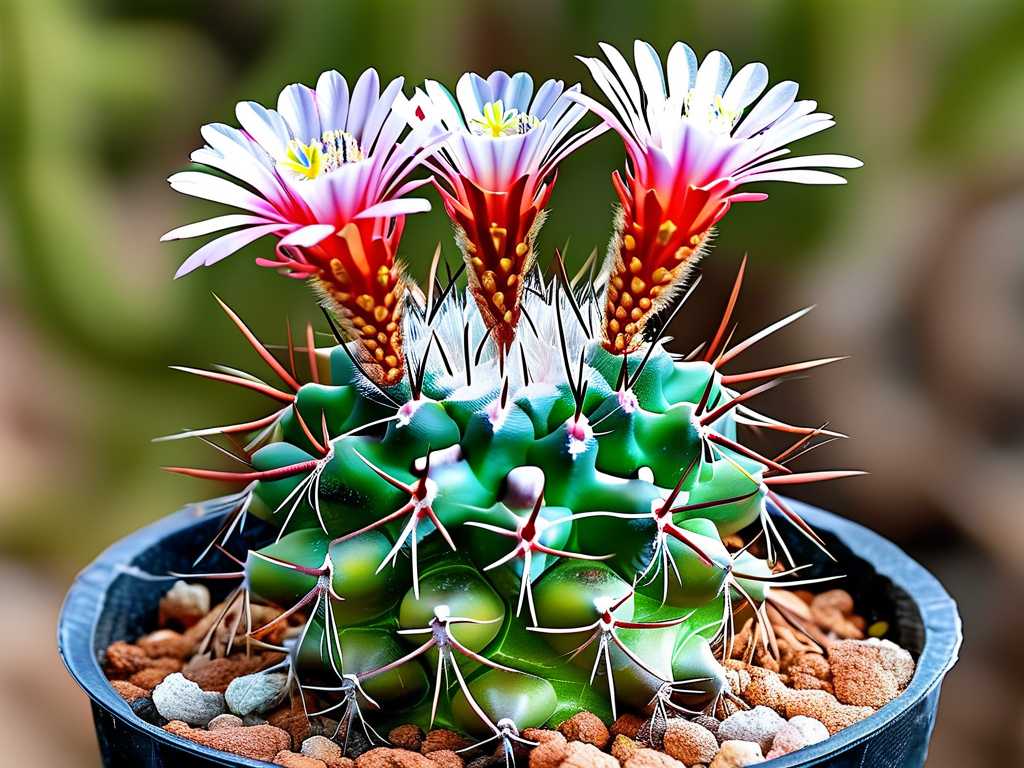
First, I familiarized myself with the genus’s core characteristics. Copiapoas are endemic to the coastal deserts of Chile, a fact that shapes everything about them. They often exhibit a distinctive, chalky white or gray epidermis (farina or wax coating) as protection against fierce sun. Their ribs are usually well-defined, and their spines can range from dense and hair-like to stout and formidable. Flowers are typically yellow, emerging from the crown.
For authority, I turned to resources from the Royal Horticultural Society (RHS) and the American Horticultural Society (AHS). The RHS’s emphasis on precise botanical terminology was invaluable. For instance, understanding the difference between “central” and “radial” spines is critical. The AHS’s guidelines on ethical collecting reinforced why proper identification matters—it’s about preserving biodiversity, not just owning a rarity.
My core long-tail keyword focus became “key features for identifying Copiapoa species” and “authenticating rare Copiapoa cactus varieties.” I also noted semantic variants like “distinguishing traits of Copiapoa” and “Copiapoa species verification.”
The Hands-On Examination: A Step-by-Step Forensic Analysis
With knowledge armed, I began my physical inspection. I created a dedicated logbook to record every observation.
Step 1: Documenting the Overall Habit and Body I started with macro photos in consistent, natural light. I noted the plant’s solitary or clustering nature, its overall shape (globular, columnar), and its size. The color was my first big clue. My specimen had an ashy, almost bluish-gray cast. This immediately pointed me away from greener species like Copiapoa humilis and towards the “cinerea” group. A common pitfall here is misinterpreting color due to substrate or water staining. I gently brushed a small, inconspicuous area to see if the color was intrinsic or superficial.
Step 2: A Close-Up on Ribs, Areoles, and Spines This is where the devil is in the details. I used a magnifying loupe.
- Ribs: I counted them. Were they straight, tuberculate, or spiraled? My plant had 16-18 perfectly straight, vertical ribs.
- Areoles: These are the woolly or felted spots from which spines emerge. How far apart were they spaced? Were they round or elongated?
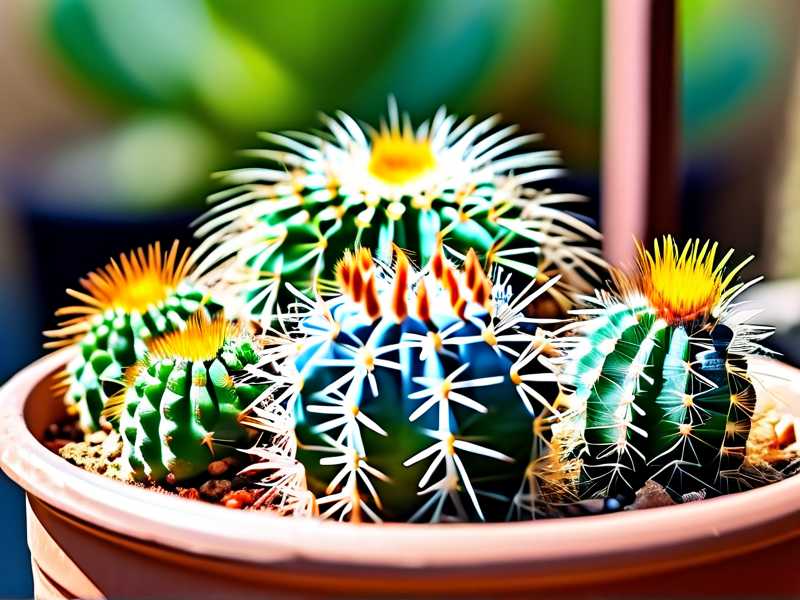
- Spines: This was crucial. I differentiated between radial spines (the smaller, outer ones) and central spines (usually longer and centered). I counted them, noted their color, thickness, and direction. Were they appressed (pressed against the body) or radiating outward? My cactus had about 10 pale yellow radial spines and 1-3 darker, slightly thicker central spines. Initially, I miscounted by not cleaning the areole gently with a soft brush—dust and debris can hide smaller spines!
Step 3: Investigating the Crown and Roots The top of the cactus, especially on older specimens, can show unique wool or cephalium. I looked for old flower scars. A more invasive—but sometimes necessary—step for verification is a root check. With extreme caution, I partially unpottted my plant. Many true Chilean Copiapoas have a distinct, thick taproot. The presence of a large, tuberous root was another strong indicator of authenticity, aligning with descriptions from expert habitat reports. I immediately repotted it into a dry, mineral-heavy mix to avoid root shock.
Step 4: Cross-Referencing with Authoritative Sources Here’s where I almost went wrong. I initially relied on crowd-sourced plant apps and general gardening sites. The identifications were all over the map. I shifted to peer-reviewed sources. I compared my photos and notes against the seminal work “Copiapoa” by Fred Kattermann, and databases from specialized botanical gardens. I paid for access to a high-resolution image archive of documented habitat plants. This was the breakthrough. My plant’s combination of ashy skin, 16-18 ribs, and specific spine arrangement matched Copiapoa cinerea ssp. columna-alba far more closely than the ultra-rare solaris I had hoped for. The process of Copiapoa species identification requires this level of meticulous comparison.
The Two-Week Observation Period: Beyond Static Traits
Identification isn’t just about a moment in time. I observed the plant daily under controlled conditions.
- Sunlight Response: True coastal Copiapoas develop their characteristic farina maximally under strong light. I placed it in gradual, increased sun. Over 14 days, its gray coating became more pronounced and even, confirming its adaptation.
- Watering Response: Based on AHS advice on xerophytes, I gave it a single, deep water at the start. A true, slow-growing Copiapoa absorbed it without dramatic plumping, unlike some faster-growing, look-alike genera. This behavioral clue was vital.
- Growth Pattern: I measured the crown. Growth was virtually imperceptible over two weeks, consistent with the extremely slow metabolism of authentic, mature specimens.
Resolving Common Pitfalls and Misidentification Traps
I hit several snags. First, “collector’s bias”—I so wanted it to be rare that I ignored contradictory evidence. I had to consciously set aside hope and focus on data. Second, cultivation vs. habitat form: Plants grown in greenhouses can look etiolated or differently spined. My specimen was grafted early in its life (I found the old graft line), which altered its spine density. I had to find references for cultivated forms, not just wild ones. The solution was to join a dedicated forum and share my findings with experienced growers, who pointed out the graft scar I’d overlooked.
Bringing It All Together: Your Authentication Protocol
So, how do you identify rare Copiapoa cactus types with confidence?
- Research First: Know the genus’s range, key groups, and terminology.
- Document Meticulously: Photograph, count, measure, and describe in a log.
- Examine Forensically: Use tools (loupe, brush) and inspect all parts, including roots if safe.
- Cross-Reference Authority: Use scientific texts and verified habitat photos, not just social media.
- Observe Behavior: Watch how the plant reacts to light and water over time.
- Seek Community Wisdom: Consult specialized communities but vet their advice against authoritative sources.
Frequently Asked Questions
Is spine color a reliable identifier for Copiapoa? Not on its own. Spine color can fade with age or vary with sunlight exposure. It’s a helpful data point, but you must consider it alongside rib count, areole spacing, and overall body shape. A Copiapoa haseltoniana might have golden spines in one form and darker in another.
How important is provenance when buying a rare Copiapoa? It is the single most important factor after physical traits. A plant with documented provenance from a reputable habitat seed collection or a known breeder is infinitely more trustworthy than one with a vague “imported” label. Always ask for history. It’s a cornerstone of ethical collecting.
Can a grafted Copiapoa still be accurately identified? Yes, but with an asterisk. Grafting can accelerate growth, altering spine density and body proportions. The fundamental architecture—rib formation, spine arrangement, flower structure—remains true. Look for the graft union and compare your plant to images of other grafted specimens of the suspected species.
Identifying rare Copiapoa is a blend of botany, detective work, and patient observation. It transformed my collecting from one of guesswork to one of knowledgeable curation. The satisfaction of correctly naming my Copiapoa cinerea ssp. columna-alba, though not the rarest, was deeper than any initial disappointment. It now holds a proud, accurately labeled place in my collection, a testament to the rewarding journey of truly knowing your plants. The desert holds its secrets close, but with the right tools and mindset, you can learn its language.