bluename
 How to Care for Climbing Epiphyllum Cactus Species for Hanging Displays: A Grower’s Journey
I remember the first time I saw a mature climbing Epiphyllum cascading from a hanging basket. Its long, arching stems, studded with flat, leaf-like branches, created a living sculpture. The promise of those spectacular, night-blooming flowers was the ultimate reward. But when I brought my first one home, reality hit. The stems were limp, new growth was stunted, and the dream of a lush hanging display seemed far off. I realized that caring for these epiphytic cacti, especially when grown as hanging plants, isn't the same as caring for a desert cactus. It requires a specific blend of light, moisture, and support. If you've struggled with getting your climbing Epiphyllum to thrive in a hanging pot, looking full and healthy rather than sparse and struggling, you're not alone. I've been there. Through trial, error, and two weeks of dedicated observation and adjustment, I've mapped out a clear path to success.
Understanding Your Climbing Epiphyllum: It’s Not a Typical Cactus
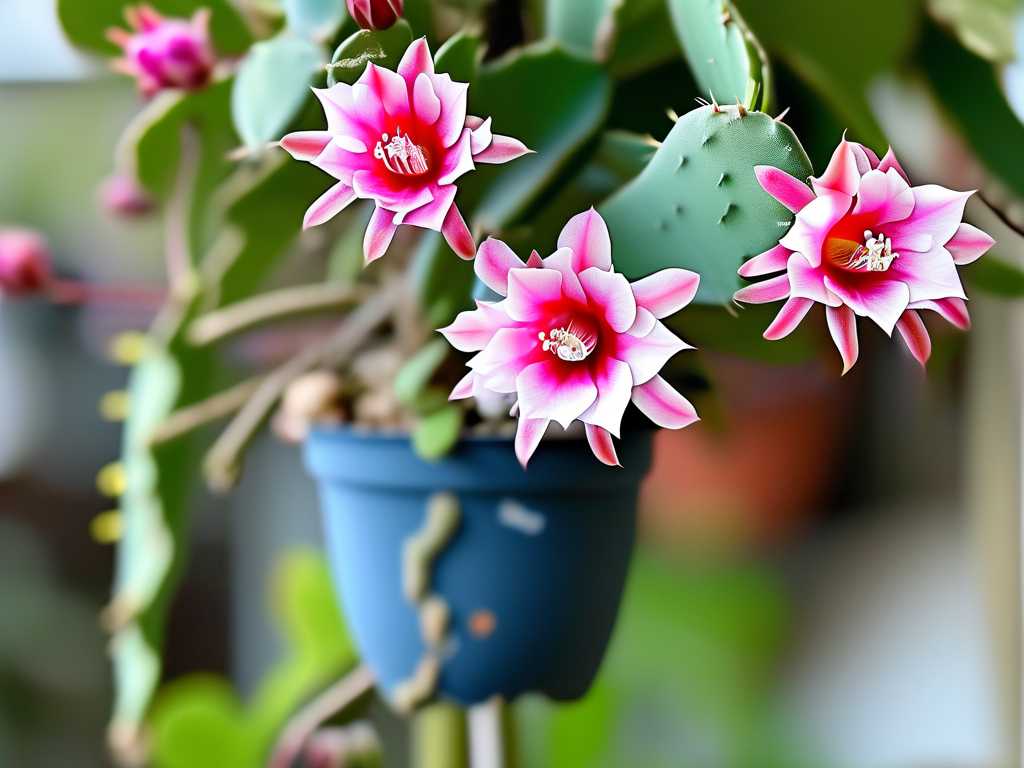
Before we dive into the hanging display specifics, let's clear up a common misconception. Epiphyllums, often called orchid cacti, are native to jungle canopies. They grow on trees, not in arid soil. This means their needs are unique: they crave bright, indirect light, consistent moisture with perfect drainage, and humidity. Treating them like a sun-baked barrel cactus is the first and fastest way to fail. The Royal Horticultural Society (RHS) classifies them as forest cacti, emphasizing their need for a humus-rich, free-draining compost and protection from intense midday sun. This foundational understanding changed everything for my approach to hanging basket care for Epiphyllum.
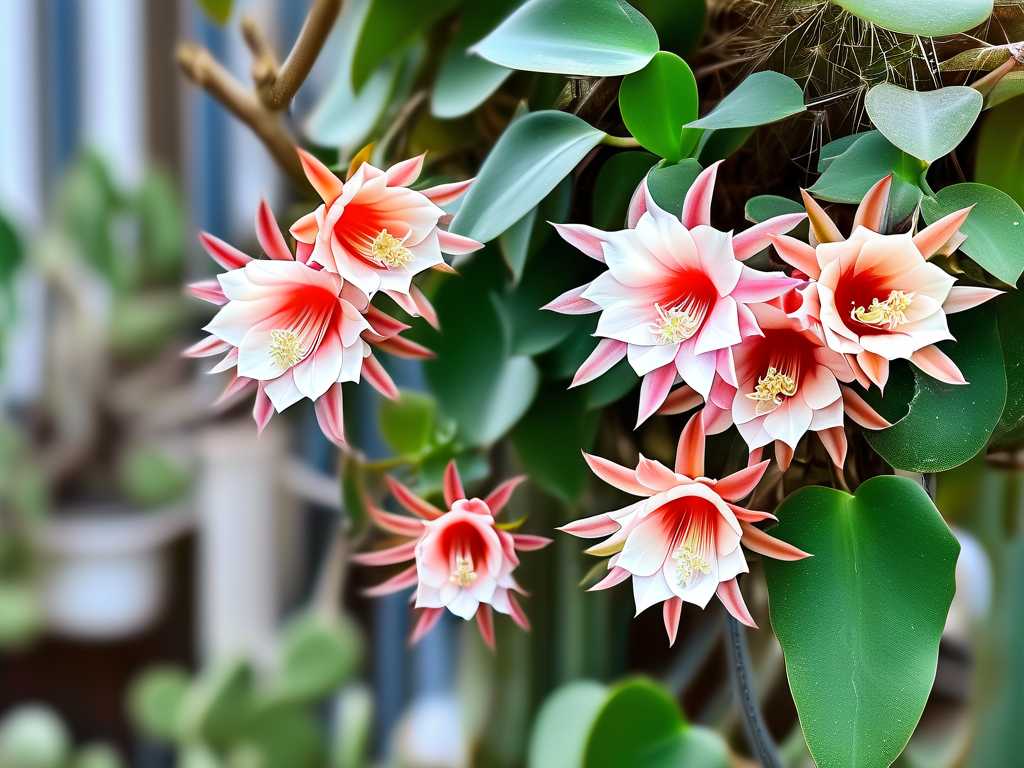
The Perfect Hanging Setup: Potting, Medium, and Placement
My initial failure was using a standard potting mix in a shallow basket. The roots stayed too wet, then too dry. Here’s the setup that turned things around.
Choosing and Preparing the Hanging Basket For a climbing Epiphyllum hanging display, depth is your friend. I selected a 10-inch deep, plastic-lined wire basket. The depth accommodates their root system, and the multiple openings allow for excellent air circulation. The liner was crucial; I used a pre-formed coir liner, which retains moisture better than moss but still breathes. Before planting, I ensured the hanging hardware was sturdy—a mature plant can become surprisingly heavy, especially after watering.
Crafting the Ideal Epiphyllus Soil Mix This was the game-changer. I abandoned bagged cactus soil. Following guidance from experts at the Epiphyllum Society of America (ESOA), I created my own blend:
- 40% high-quality, peat-free potting compost (for structure and moisture retention).
- 30% orchid bark chips (for aeration and mimicking their natural habitat).
- 20% perlite (for unparalleled drainage).
- 10% horticultural charcoal (to keep the mix fresh and deter rot). This mix is airy, drains instantly, yet holds just enough moisture around the roots. I filled the basket about one-third full with this mix.
Planting and Initial Support I gently placed my plant in the center, spreading its roots. I then added more mix around it, firming gently. The top of the root ball should sit just below the basket's rim. Unlike terrestrial plants, I did not water it in heavily immediately. I gave it a light misting on the soil surface and stems. For support while it established, I inserted three thin, green bamboo stakes in a tripod shape, tying the longest stems loosely with soft plant ties. This provided temporary structure without damaging the stems.
The Two-Week Observation and Adjustment Period
This is where the real learning happened. I committed to daily checks and a logbook.
Days 1-3: The Acclimation Phase I hung the basket in my bright east-facing bathroom, receiving gentle morning sun and ambient humidity. The stems looked a bit shocked from repotting—slightly less rigid. This was normal transplant stress. I resisted the urge to water. The soil surface felt cool and slightly damp. I focused on misting the stems lightly every morning to boost humidity.
Days 4-7: First Signs and a Critical Mistake By day four, the stems perked up. I noticed a tiny, red new growth nub at the tip of one stem—a fantastic sign! Excited, I thought it needed a "good drink." I watered thoroughly until it ran from the basket bottom. This was my mistake. Two days later, the lowest stem segment felt soft. I had overwatered. Acting fast, I used a chopstick to gently aerate the soil mix around the edges of the basket and moved it to a spot with a ceiling fan on low for extra air circulation. I did not water again. The AHSA (American Horticultural Society) notes that overwatering is the primary killer of epiphytic cacti, as it suffocates roots adapted to quick-drying conditions.
Days 8-14: Recovery and Refining the Routine The aeration and airflow worked. The soft stem firmed up, though one small section yellowed and I later snipped it off. I established my golden rule: water only when the top inch of the mix is dry to the touch. For my basket in that environment, this meant a deep, thorough watering every 5-6 days, allowing the excess to drain completely. The new growth nub grew longer, transforming into a fresh, green stem segment. I also observed the light was sufficient; the stems maintained a deep green color without any yellowing (a sign of too much sun) or excessive stretching (a sign of too little light).
Ongoing Care for a Thriving Hanging Display
After the critical two-week establishment, a consistent routine is key.
Mastering the Watering and Feeding Balance My schedule solidified: deep watering weekly in warm months, reducing to every 10-14 days in winter. I always use tepid water. For feeding, I use a balanced, water-soluble fertilizer diluted to half-strength. I apply it every two weeks from spring through early fall, and stop entirely in winter. This supports steady growth and future blooms without forcing it.
Light and Environmental Needs for Optimal Growth The ideal spot provides bright, filtered light for most of the day. Mine thrives about two feet back from an east-facing window. Direct summer sun through glass can scorch the stems. If your light is low, consider a broad-spectrum grow light. These plants also appreciate 40-60% humidity. Grouping plants together, using a humidity tray, or occasional misting (in the morning so stems dry by night) helps immensely.
Pruning and Training for a Lush Appearance To encourage a fuller, branching hanging Epiphyllum cactus, I practice selective pruning. After the spring growth flush, I snip back the very tips of a few longest stems. This encourages 2-3 new branches to form at the cut point, creating a denser curtain of foliage. I also remove any thin, weak, or damaged stems at the base. I removed the temporary bamboo stakes after four weeks, as the plant's own weight began to gracefully arch over the basket edges, creating the perfect cascading effect.
Encouraging Those Famous Night Blooms Blooms typically form on mature, healthy stems. The triggers are a cool, dry rest period in winter (reduce watering, no fertilizer, slightly cooler temps), followed by consistent care when growth resumes in spring. High-potassium fertilizer (like a tomato feed) in early summer can help bud set. Patience is essential; a well-cared-for plant will reward you when it's ready.
Troubleshooting Common Hanging Basket Problems
- Stem Wrinkling: Usually thirst. Give a deep soak. If the soil is wet and stems are soft/wrinkled, it's likely root rot from overwatering—you may need to repot into fresh, dry mix.
- Lack of Growth: Assess light and temperature. These plants slow down significantly below 50°F (10°C) and need warmth and adequate light to grow.
- Pests: Mealybugs can hide in stem crevices. I spot-treat with a cotton swab dipped in rubbing alcohol. Regular inspection is the best defense.
Frequently Asked Questions
How often should I really water my hanging Epiphyllum? Forget a fixed schedule. The frequency depends on your home's temperature, humidity, and light. The only reliable method is the finger test. Insert your finger into the soil mix up to the first knuckle. If it feels dry, water thoroughly. If it feels cool or damp, wait. In my home, this is typically every 5-7 days in summer and every 10-14 days in winter.
Why is my plant not blooming, even though the stems look healthy? Blooming requires a combination of maturity, correct seasonal cues, and good health. The most common reason is a lack of a proper winter rest period. Ensure your plant gets cooler nights (around 50-55°F is ideal) and significantly reduced water for 6-8 weeks in late fall/early winter. Also, ensure it gets enough bright, indirect light during the growing season to build energy.
Can I propagate my climbing Epiphyllum to create more hanging baskets? Absolutely, and it's very rewarding. Take stem cuttings that are 6-8 inches long in spring or summer. Let the cut end callous over in a cool, dry spot for 5-7 days. Then, insert the calloused end about an inch deep into a small pot filled with the same airy mix used for adults. Do not water for the first week, then moisten lightly. Place in bright, indirect light. Roots should develop in a few weeks. Once you see new growth, you can treat it as a mature plant and eventually pot it up into its own hanging basket for climbing cactus.
Caring for a climbing Epiphyllum in a hanging display is a deeply satisfying practice. It’s a dialogue with the plant, learning its signals and responding with the right mix of moisture, light, and patience. The journey from a sparse, struggling specimen to a lush, cascading centerpiece filled with potential blooms is entirely achievable. By providing that forest canopy-like environment in your home—dappled light, perfect drainage, and mindful care—you’ll be rewarded with a stunning, living work of art that defies the typical cactus stereotype. Start with the right soil and a careful eye, and your Epiphyllum will do the rest, gracefully spilling over its basket in a testament to your attentive care.