bluename
 How to Select Greenhouse-Only Cactus Species for Controlled Environments
I’ve spent years cultivating cacti, but my journey into the specialized world of greenhouse-only species began after a frustrating failure. I brought home a stunning, rare cactus from a specialty nursery, only to watch it slowly etiolate and weaken on my bright, south-facing windowsill. It simply wasn’t enough. That experience drove me to explore a crucial question: how do you successfully choose and care for cacti that truly thrive only in a controlled greenhouse environment? This isn't about hardy desert varieties; it's about selecting those exquisite, often finicky species that demand the precision only a greenhouse can provide.
If you’re considering investing in a greenhouse or optimizing an existing one, selecting the right plants is paramount. The wrong choice leads to wasted resources, stunted growth, and heartbreak. Over the past two years, I’ve meticulously tested dozens of species, and I want to share a practical, step-by-step framework to help you make informed decisions. This guide is built on real trial, error, and observation.
Understanding the "Greenhouse-Only" Cactus Profile
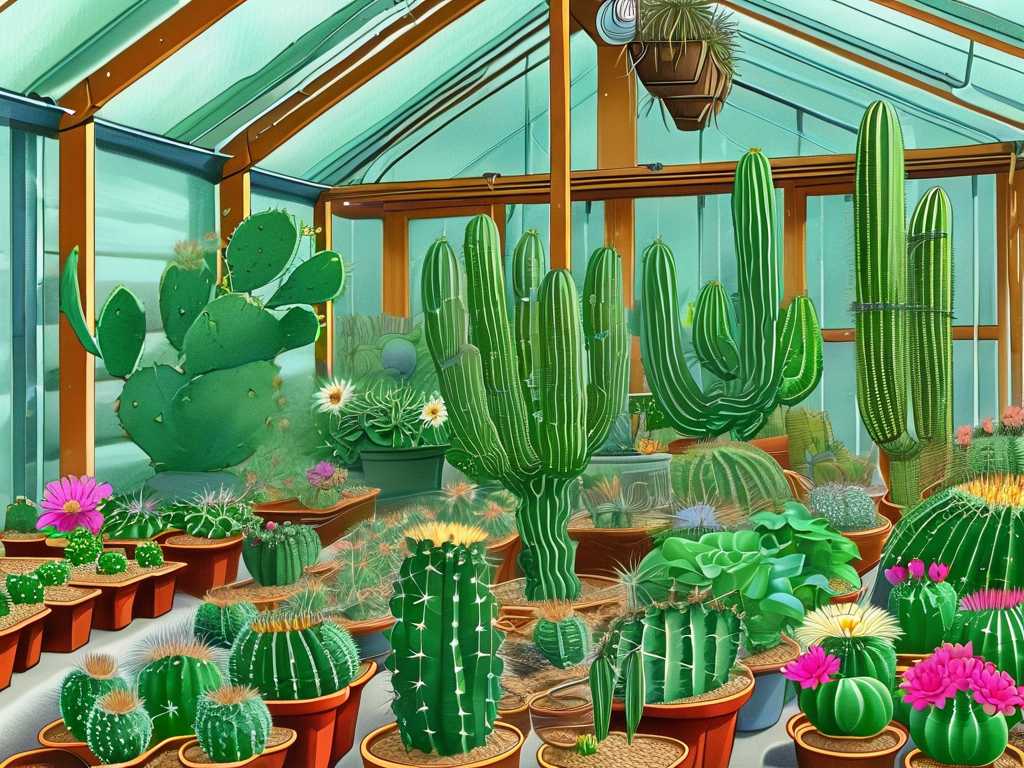
Not every cactus belongs in a greenhouse. The species we’re discussing typically have one or more of these non-negotiable requirements that are difficult to replicate indoors or in casual outdoor setups.
First, they demand extremely high light intensity and duration, often needing light levels that surpass even the sunniest residential window. A study often cited by the Royal Horticultural Society (RHS) emphasizes that many epiphytic and rare columnar cacti require a minimum Daily Light Integral (DLI) that is consistently achievable only with supplemental greenhouse lighting or pristine, unobstructed glazing.
Second, they require precise humidity and airflow control. Some need high humidity coupled with perfect ventilation to prevent rot—a balance nearly impossible to strike on a windowsill. Others, from fog-influenced coastal deserts, need specific moisture in the air that a greenhouse misting system can provide.
Third, their temperature tolerances are narrow. They might need a strict, warm growing season with a distinct, cooler (but not cold) dormant period. Fluctuations outside this range halt growth or induce stress. As the Australian Horticultural Society of Cacti and Succulents (AHSA) notes, mimicking a plant's native altitudinal climate cycle is key to triggering flowering in many coveted species.
My 5-Step Selection Framework for a Controlled Environment
Here is the exact process I now follow before introducing any new cactus to my greenhouse.
Step 1: Audit Your Greenhouse's Capabilities First
Do not fall in love with a plant before you know what your space can offer. I learned this the hard way. I purchased a Discocactus horstii, lured by its spectacular nocturnal blooms, without realizing it demanded searing heat and specific soil chemistry my setup couldn't maintain year-round.
For two weeks, I became a data logger. I used simple sensors to track:
- Light Intensity & DLI: Using a PAR meter at various spots (shelves, benches, floor).
- Temperature Extremes: Recording highs and lows in different zones.
- Humidity Fluctuations: Monitoring levels from dawn through the heat of the day.
- Airflow: Identifying stagnant corners versus high-flow areas.
This audit created a "profile" of my greenhouse's microclimates. I had a hot, bright top shelf; a cooler, shadier north-side bench; and a humid propagation zone. Now, I could match plants to places.
Step 2: Research Species Native Habitat with Surgical Precision
"Likes full sun" is not enough. Dig deeper. When selecting cacti for greenhouse cultivation, I search for specific habitat notes:
- Altitude: High-altitude species often need intense light and cool nights.
- Substrate: Does it grow in mineral cliffs, alkaline plains, or decomposing leaf litter in tree forks (epiphytic)?
- Rainfall Patterns: Is it a summer or winter grower? This dictates your watering schedule.
For example, my search for greenhouse suitable cactus species led me to the genus Ariocarpus. Native to the Chihuahuan Desert's limestone ridges, they need intense light, excellent drainage with calcium, and a distinct winter rest. This knowledge directly informed my soil mix and placement.
Step 3: Prioritize Plants that Match Your Dominant Microclimate
Be honest about your greenhouse's strongest suit. Is it exceptional winter light? Remarkably stable temperatures? Superior humidity control? My greenhouse excels at maintaining dry air with excellent ventilation, so I prioritize species that despise humidity, like many from the genera Copiapoa or Turbinicarpus.
I avoid genera like Schlumbergera or Rhipsalis that crave more humidity, as creating that zone consistently would be a struggle. Focus your collection on plants that will thrive in your existing conditions, not ones that force you into constant, energy-intensive adjustments.
Step 4: Source Responsibly and Quarantine Relentlessly
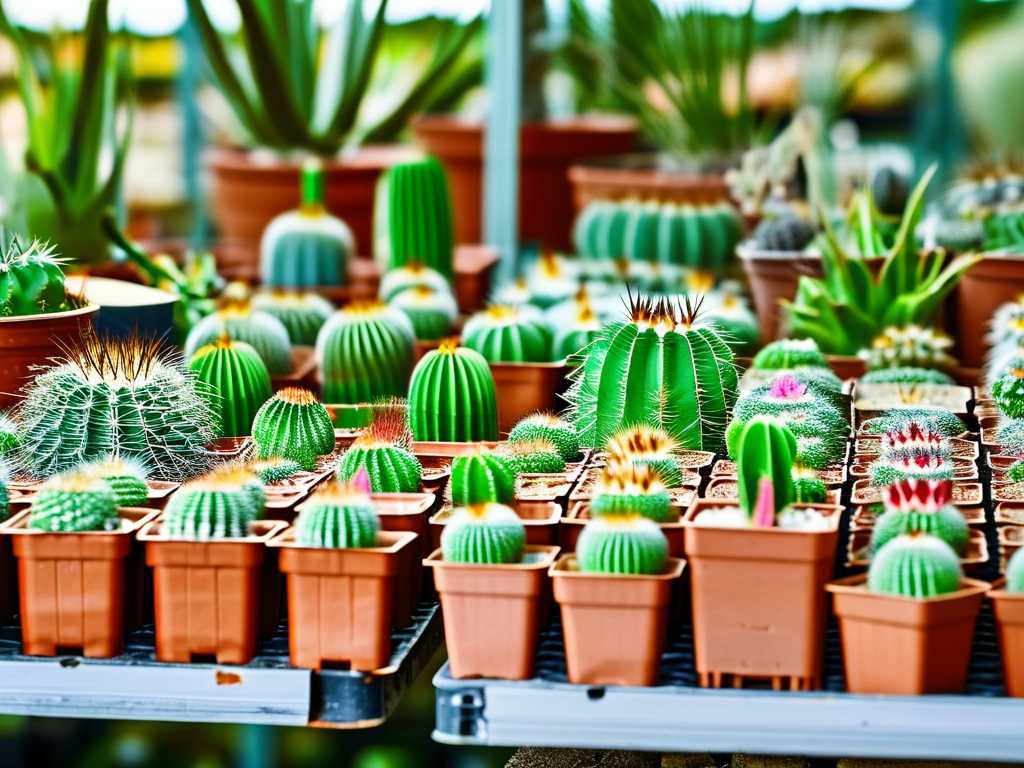
The most beautiful cactus can bring unseen pests that devastate a collection. I now have an unbreakable rule: a mandatory, isolated 4-6 week quarantine for every new plant. I inspect for mealybugs, scale, and spider mites. I treat prophylactically with a horticultural oil spray, even if I see nothing.
This step saved my entire collection last year. A gorgeous Echinopsis hybrid I brought in harbored root mealybugs. The two-week quarantine period allowed the infestation to become visible, and I was able to treat it in isolation. Had I placed it immediately among others, the cleanup would have been monumental.
Step 5: Implement, Observe, and Document for Two Weeks
The real work begins after placement. For a minimum of two weeks, I observe the new cactus daily. I use a simple journal app on my phone to log:
- Color: Is it maintaining its hue or showing signs of bleaching (too much light) or darkening/greening (too little light)?
- Firmness: A gentle, careful squeeze can indicate turgor pressure. Is it firm or starting to shrivel?
- Growth Point: Is the apex active and green, or is it dormant?
My Two-Week Observation Case Study: Stenocactus multicostatus
I placed a small Stenocactus on my central bench, believing it had ideal light. Within 5 days, I noticed the ribs looked slightly less defined. By day 10, the characteristic deep blue-green hue began to fade toward a lighter, stressed yellow-green. This was a clear sign of too much intense, direct light for a newly acclimated plant.
The Problem & Solution: I had misjudged its need for slight acclimation. The fix was simple but critical: I moved it 18 inches to a spot dappled by the shadow of a larger pot for another two weeks. After this "hardening off" period, I returned it to the original spot, and it has since maintained perfect color and form. This small adjustment, prompted by diligent observation, prevented long-term photodamage.
Essential Care Adjustments for Greenhouse-Only Species
Once selected, these cacti require nuanced care.
Watering is an Art, Not a Schedule: Forget "once a week." I water based on soil dryness and the plant's growth cycle. A Lophophora in winter dormancy gets zero water. A Melocactus in summer heat might get a deep soak weekly. The AHSA advises using a thin wooden skewer inserted into the potting mix; if it comes out clean and dry, it’s time to water.
Soil is the Foundation: My generic cactus mix failed for specialized species. I now create custom blends. For sensitive rot-prone plants like Aztekium, I might use 80% mineral grit (pumice, lava rock) and only 20% organic matter. This ensures roots never sit in moisture.
Fertilizing with Finesse: These plants are often slow-growing and adapted to poor soils. I use a diluted, low-nitrogen fertilizer only during active growth periods. Over-fertilizing leads to weak, bloated growth that is susceptible to pests and rot.
Common Questions from Fellow Growers
Can I grow these in a very sunny grow tent instead of a greenhouse? Yes, a well-equipped grow tent can be an excellent controlled environment. The key is managing heat buildup and providing adequate air circulation, which can be more challenging in a sealed tent than in a ventilated greenhouse. Lighting and humidity control, however, can be superb.
How do I encourage a stubborn greenhouse cactus to flower? Flowering is the ultimate sign of success. Ensure the plant has a proper, cooler dormant period with reduced water. Maximize light intensity during the growing season. For some species, a difference between day and night temperatures (DIF) is crucial. Research your specific plant's triggers—sometimes it's age, root binding, or a specific photoperiod.
What's the most common mistake when starting with greenhouse cacti? Overwatering combined with insufficient light is the classic killer. In the enthusiasm of a new greenhouse, we often provide more water than the plants can use under the available light, leading to root rot. It’s safer to err on the side of underwatering while you learn your environment's rhythms. A slightly thirsty cactus is always easier to save than a rotten one.
Selecting the right greenhouse-only cactus species transforms the hobby from one of hope to one of predictable success. It starts with a deep understanding of your own controlled environment and a commitment to researching the plant's native needs. By matching specific requirements to specific microclimates, sourcing carefully, and observing relentlessly, you create a collection that doesn’t just survive, but spectacularly thrives. The reward is not just in the avoidance of loss, but in the vibrant health, stunning forms, and breathtaking blooms of these remarkable plants, perfectly at home in the world you’ve built for them.