bluename
 Living in a city apartment, I used to think my balcony gardening dreams were limited to a few sad-looking herbs. My concrete corner, barely 4 feet deep and shaded for half the day, felt like a botanical dead zone. I craved greenery that was resilient, sculptural, and low-maintenance—something that wouldn’t just survive but thrive in my constrained, often forgetful care. That’s when I turned my focus to cacti. But not just any cactus. The journey to how to choose small-space cactus species for apartment balconies became my personal mission. Through trial, error, and a two-week intensive observation period, I learned that the secret isn’t just picking a small plant; it’s about matching the right species to your specific light, space, and lifestyle. Let me walk you through my process, the mistakes I made, and the stunning results that finally turned my balcony into a miniature desert oasis.
Understanding Your Balcony’s Microclimate: The Non-Negotiable First Step
Before you buy a single plant, you must become a detective of your own space. What I initially thought was a “sunny balcony” was, in reality, a complex patchwork of light and shadow.
The Light Audit: More Than Just “Sunny” or “Shady” I spent a day mapping the sun. From 8 AM to 6 PM, I checked my balcony every hour, noting where direct sunlight fell and for how long. The results were humbling. One corner received a glorious 6 hours of direct, afternoon sun—perfect for many cacti. Another area, where I originally wanted to place a shelf, got only 2 hours of dappled light. The Royal Horticultural Society (RHS) emphasizes that most cacti need at least 4-6 hours of direct sunlight daily to maintain compact growth and encourage flowering. Placing a sun-loving cactus in a low-light spot is the fastest route to etiolation—where the plant stretches out, becoming pale and weak.
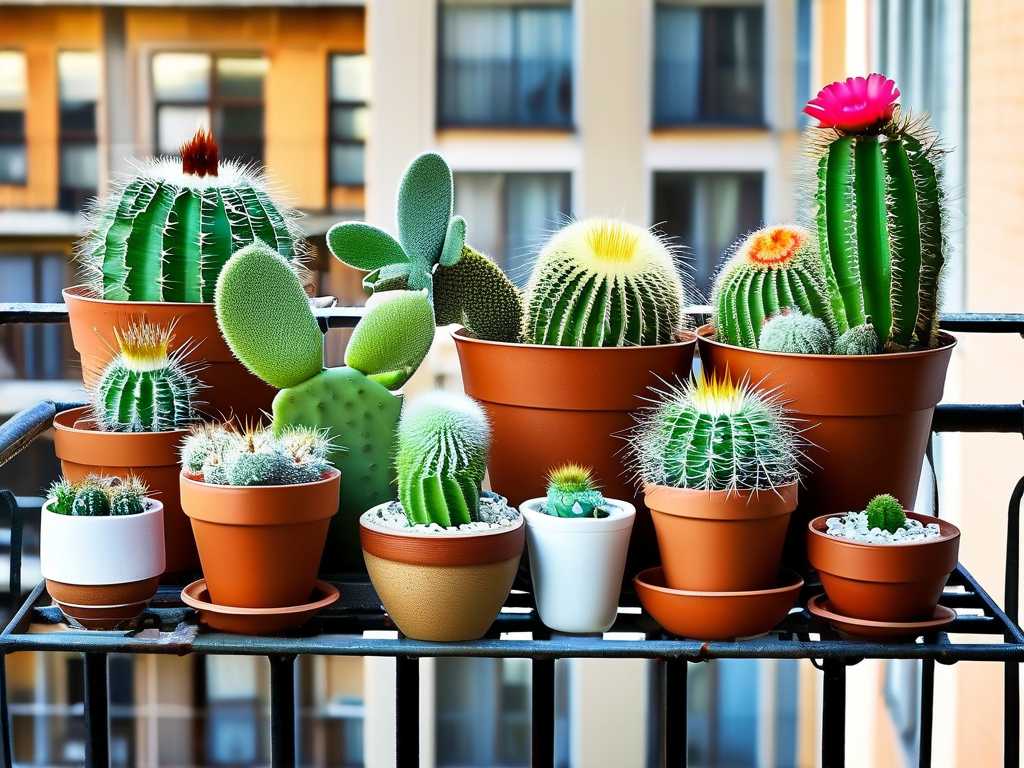
Assessing Space and Scale My balcony is narrow. Floor space was precious for a tiny bistro set, so vertical and railing space became key. I measured everything: railing width for planters, wall space for hanging options, and the depth of any potential shelves. The goal was to select compact cacti for narrow balconies without creating a cluttered, jungle-like feel. I aimed for a curated, architectural look.
My Selection Criteria: Choosing Champions for Small Spaces
Armed with my light map and measurements, I developed a checklist. A suitable apartment balcony cactus needed to hit most of these points:
- Slow Growth & Naturally Compact Form: I didn’t want a species that would outgrow its spot in a single season.
- Container Tolerance: Must thrive being root-bound in a pot for years.
- Resilience: Ability to handle the occasional missed watering (my travel schedule can be unpredictable).
- Visual Interest: Unique shapes, textures, or reliable flowering potential.
The Species I Chose and Why (My Two-Week Test Cohort)
I bought five different small cactus species from a reputable nursery. Here’s my lineup and the reasoning behind each choice.
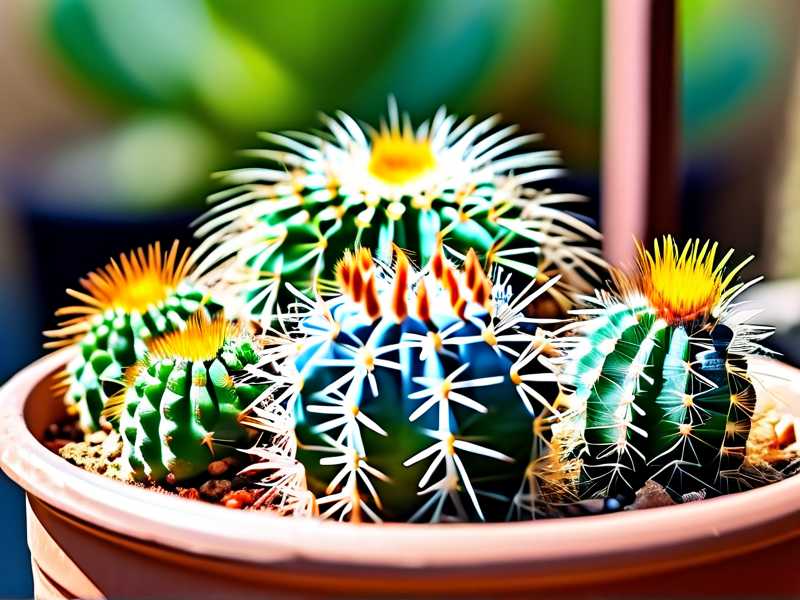
1. Mammillaria Hahniana (Old Lady Cactus) This was my top pick for a low maintenance cactus for apartment living. Its spherical shape, covered in a web of white hairs and spines, stays delightfully small. It’s a prolific bloomer, producing a crown of tiny pink flowers, which the American Horticultural Society (AHS) notes is a sign of excellent plant health in cacti when grown in sufficient light. I placed it in my sunniest spot.
- My 2-Week Observation: No dramatic growth (good!), but I noticed a slight tightening of the white hairs, almost like it was fluffing up. A few new bright pink buds appeared at the crown, confirming it was happy. It required zero attention beyond the initial placement.
2. Echinopsis Chamaecereus (Peanut Cactus) I chose this for its trailing, clustering habit—perfect for a hanging planter or a tall pot where it could spill over. Its finger-like stems are compact, and it’s famous for producing large, stunning red or orange flowers disproportionate to its size. This addressed my need for drought tolerant balcony plants with visual impact.
- My 2-Week Observation: This was the most dynamic of the group. Several of the “peanut” stems visibly plumped up with water. I observed no trailing growth yet, but the color deepened to a healthy green. It handled the balcony’s breeze without issue.
3. Rebutia Minuscula (Red Crown Cactus) A classic choice for small spaces. This tiny, clustering cactus forms a mound rarely exceeding 4 inches in height. Its claim to fame is covering itself in vibrant red-orange flowers in spring. It’s a slow-grower that loves sun and fits anywhere.
- My 2-Week Observation: The tight cluster remained unchanged, which is ideal. The areoles (the spots where spines grow) looked dry and healthy. It was a textbook “set it and forget it” performer during my observation.
The Pitfalls I Encountered (And How I Fixed Them)
My journey wasn’t without stumbles. Here’s where I went wrong in real time.
Pitfall #1: The “Potting Mix” Blunder Like many beginners, I initially used the generic, moisture-retentive potting soil they came in. After a week, we had an unexpected rainy spell. While I moved them to shelter, the Mammillaria and Rebutia still felt damp at the base days later. I knew this was a root rot risk.
- The Solution: I immediately repotted all of them into a specialized succulent & cactus mix. I took it a step further, amending it with an extra 30% perlite and a handful of coarse sand (as recommended by many cactus cultivation guides) for ultimate drainage. The difference was noticeable within days—the soil dried out completely between my waterings.
Pitfall #2: Overwatering from Enthusiasm In my eagerness, I watered them all on day 3, following a generic “weekly” advice online. The Echinopsis in its deeper pot showed signs of slight yellowing at the base of one stem—a classic overwatering warning.
- The Solution: I adopted the “soak and dry” method religiously. I stuck my finger an inch into the soil. Only when it was completely dry did I water—thoroughly soaking the pot until water ran out the drainage holes. For my cohort, this meant watering only once during the entire second week. The Echinopsis stabilized, and the yellowing did not spread.
Pitfall #3: Ignoring Acclimatization (Sunburn!) I made the rookie mistake of placing my new, nursery-grown Rebutia directly into the full afternoon sun. Within 48 hours, it developed a pale, whitish-yellow patch on its sun-facing side—a sunburn.
- The Fix: I moved it to a spot with bright but indirect light for the remainder of the two weeks. The burn scar didn’t go away (it’s permanent), but it stopped spreading. The lesson? Always acclimate new plants to full sun over 7-10 days, increasing exposure gradually.
Designing Your Miniature Cactus Garden
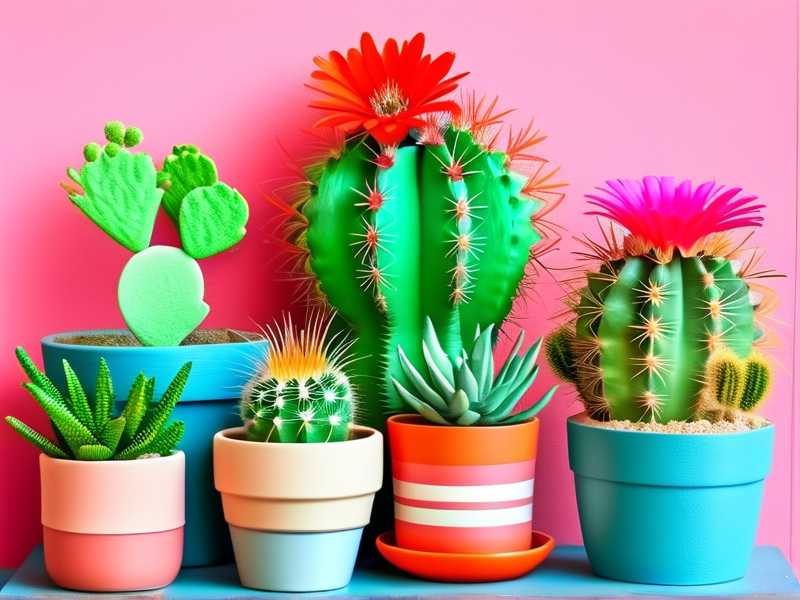
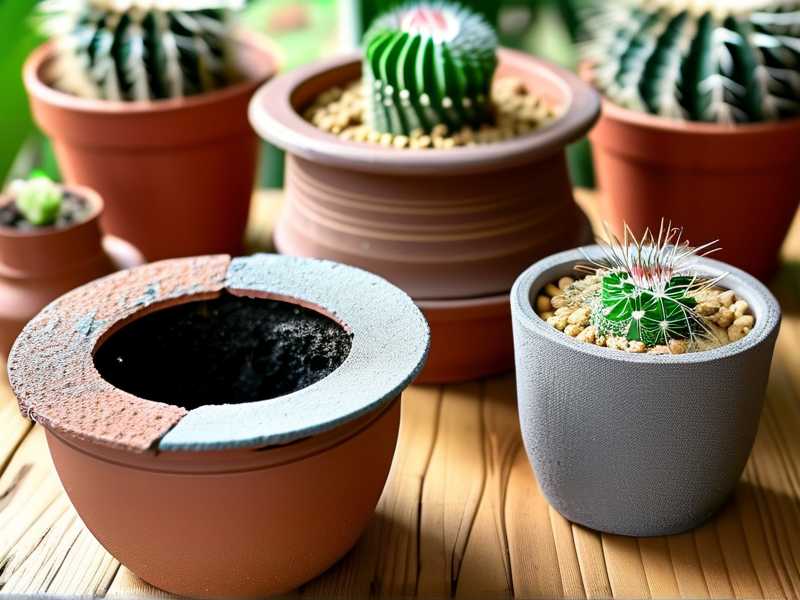
With the right plants and care nailed down, arranging them is the fun part. I used a mix of terracotta pots (excellent for wicking away moisture) and a modern, vertical wall planter for my Peanut Cactus. Grouping cacti with similar light needs together creates a powerful visual statement. I added a top dressing of small white pebbles, which serves a dual purpose: it looks clean and prevents soil from splashing onto the cactus bodies during watering, reducing rot risk.
How often should I really water my balcony cacti? Throw away the calendar. Frequency depends entirely on pot size, material, weather, and season. During my two-week test in warm, dry weather, once a week was enough for small pots. In humid or cool weather, it could be every 2-3 weeks. The finger test or a moisture meter is your only reliable guide.
Can cacti survive on a balcony that doesn’t get direct sun? It’s very challenging for true, desert-type cacti. If your balcony gets only bright indirect light (like a north-facing one), you’ll have better luck with “jungle cacti” like Christmas or Easter Cactus (Schlumbergera), which are technically epiphytic cacti adapted to lower light under forest canopies.
What’s the single most important factor for success? Unquestionably, drainage. More cacti are killed by overwatering and soggy roots than by neglect. Ensure every pot has a generous drainage hole and use a gritty, fast-draining soil mix. This one practice will prevent the vast majority of common problems.
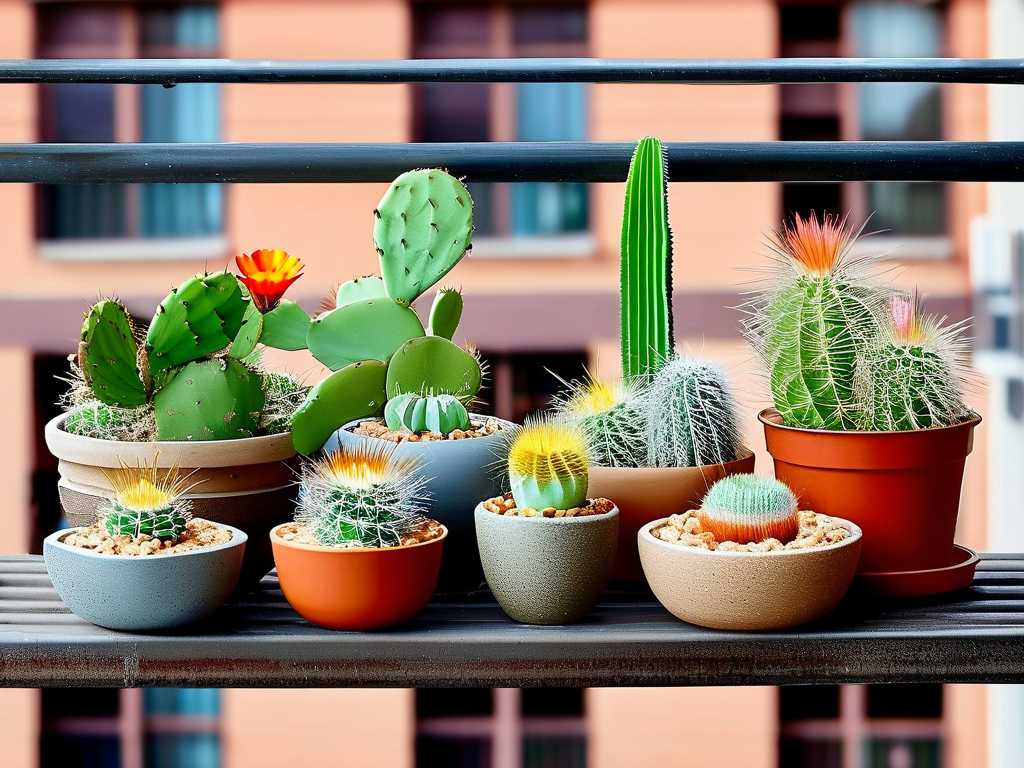
Choosing the right cactus for a small balcony transforms it from a forgotten ledge into a point of pride and daily joy. It’s a lesson in observation, patience, and working with nature’s constraints. By understanding your light, selecting naturally compact and resilient species, and mastering the art of neglectful-but-attentive watering, you can cultivate a stunning, low-maintenance desertscape. My two-week experiment proved that even the most limited space can host vibrant, thriving life. Start with one or two of the champion species I tested, learn their language, and watch your own miniature oasis take root.