bluename
 How to Select Humid-Climate Cactus Species for Your Tropical Garden
I used to think cacti and tropical gardens were sworn enemies. The image of a sun-baked desert dweller wilting in my humid, rainy backyard was a persistent one. Every attempt ended the same way: soft, discolored stems, root rot, and a disappointing trip to the compost bin. My dream of adding those striking, sculptural forms to my lush tropical oasis seemed impossible. If you’ve ever felt that frustration, you’re not alone. The key isn’t to fight your climate, but to work with it by choosing the right humid-climate cactus species. This isn’t about finding “the one” cactus that might survive; it’s about discovering a whole family of plants perfectly adapted to thrive where you live. After years of trial, error, and a particularly enlightening two-week experiment, I’ve cracked the code.
Why Most Cacti Fail in Humidity (And Which Ones Won’t)
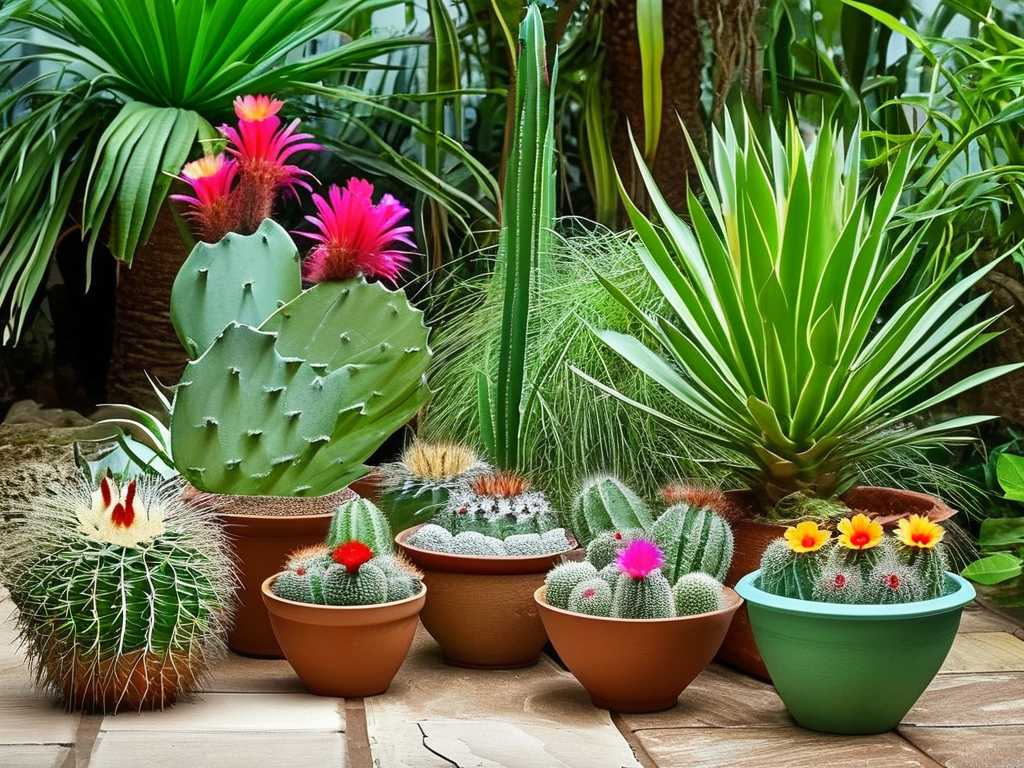
The issue isn’t rainfall or moisture in the air itself. Many cacti in their natural habitats experience seasonal rains. The real killers in tropical gardens are consistently wet soil and poor air circulation. Desert cacti have evolved for rapid water uptake and long storage, expecting their roots to dry quickly. In dense, moisture-retentive tropical soil, they simply drown.
The solution lies in epiphytic and semi-epiphytic cacti. These are the best cacti for tropical environments. They naturally grow on trees (epiphytes) or rocky outcrops in jungles, from places like the cloud forests of South America to the Caribbean. Their roots are adapted to fast drainage and high humidity. They are the perfect candidates for your garden.
My Two-Week Humidity Test: A Game Changer
Theory is great, but I needed proof. I selected three promising cactus species for humid climates: Epiphyllum oxypetalum (Queen of the Night), Rhipsalis baccifera (Mistletoe Cactus), and Disocactus ackermannii (Orchid Cactus). I also included a classic desert Mammillaria as a control, knowing it would likely fail.
I potted them all in my standard, fast-draining succulent mix and placed them on my shaded patio, which sees 80-90% humidity daily. For two weeks, I mimicked a rainy season, watering lightly every other day and misting in the mornings. I monitored them daily for signs of stress.
- Week 1 Observations: The Mammillaria (control) already showed a slight dullness in its green color. The Rhipsalis looked perfectly happy, plump and green. The Epiphyllum and Disocactus showed new, bright red growth at the tips—a sign they were actively growing in these conditions.
- Week 2 Results: The desert Mammillaria had clear signs of edema (water-soaked spots) and its base felt soft. The three jungle cacti, however, were thriving. The Rhipsalis had grown noticeably longer, the Epiphyllum’s new stems were elongating, and the Disocactus plumped up. This hands-on test was undeniable: selecting for ecological adaptation works.
The Pitfall I Fell Into: Soil is Everything
Here’s where I made my biggest past mistake. Even with the right plants, I used a standard potting soil. It held too much moisture. The fix was creating an aggressively draining medium. My now-favorite mix, endorsed by many experts from the Epiphytic Society, is:
- 40% coarse orchid bark (for aeration and structure)
- 30% coconut coir or peat (for slight moisture retention)
- 20% perlite or pumice (for drainage)
- 10% worm castings (for gentle nutrition)
This mix replicates the airy, quick-draining debris found in tree crotches, preventing root rot even during heavy rains.
Top Humid-Climate Cactus Species to Seek Out
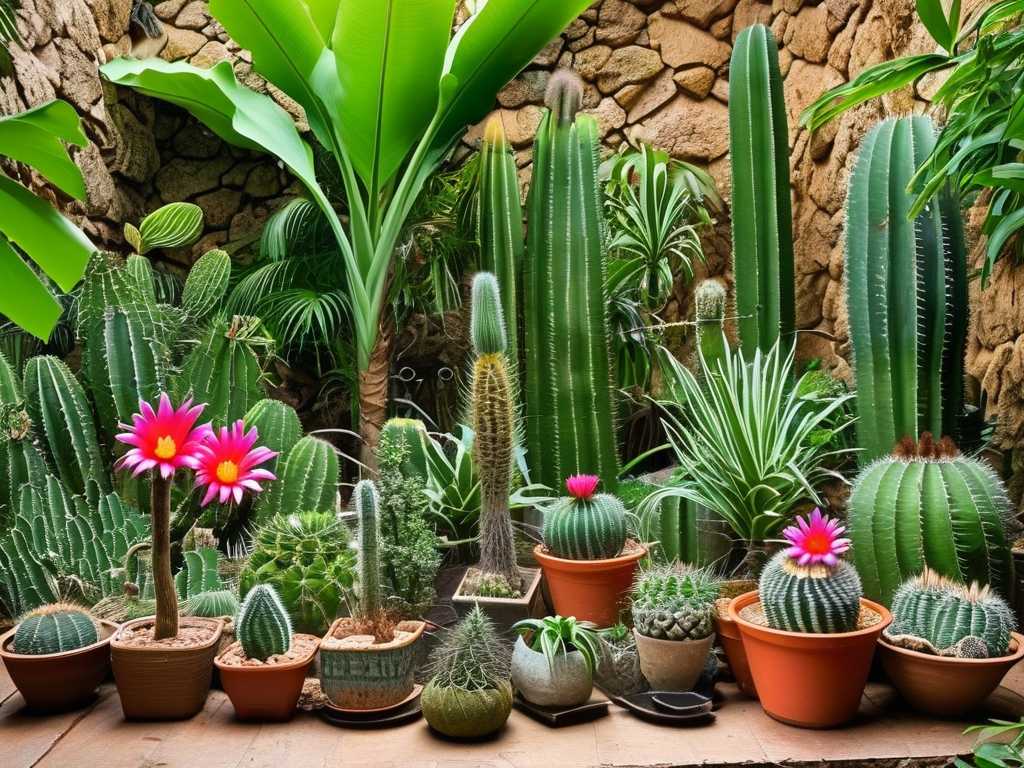
Based on my experience and research from authorities like the Royal Horticultural Society (RHS), which provides excellent guidance on epiphytic cacti care, here are my top recommendations. These are proven performers that answer the question of how to choose cactus for tropical gardens.
1. The Jungle Classics: Epiphyllum and Disocactus Often called “orchid cacti,” these are the showstoppers. They offer breathtaking, large flowers. Epiphyllum oxypetalum blooms with fragrant, dinner-plate-sized flowers at night. Disocactus hybrids provide vivid, day-blooming flowers in reds, pinks, and oranges. They prefer bright, filtered light—think under a tree canopy or a shaded pergola. Direct afternoon sun in the tropics can scorch their stems.
2. The Effortless Trailers: Rhipsalis and Hatiora For sheer, easy-going volume, these are unbeatable. Rhipsalis baccifera is practically bulletproof, with long, cascading green stems perfect for hanging baskets in deep shade. Hatiora (like the Easter Cactus) adds seasonal color with blooms at the stem tips. They are perfect for vertical interest in a sheltered, shady corner where other plants might struggle.
3. The Unexpected Succulent: Schlumbergera Don’t overlook the classic Holiday Cactus (Thanksgiving/Christmas Cactus). These Schlumbergera are quintessential humid-climate cacti. They thrive in the dappled light and humidity of a covered balcony. To trigger their famous blooms, they need consistent darkness (12-14 hours) and cooler temperatures for several weeks in the fall—a condition my tropical garden’s milder winters provide perfectly.
Designing with Cacti in a Tropical Landscape
Integrating these cacti is about mimicking their natural habitat.
- Elevate Them: Plant in hanging baskets or mount them on cork plaques or trees. This instantly improves drainage and air flow.
- Create Microclimates: Use them under broad-leaved trees, on covered patios, or in screened lanais. These spots offer the bright, indirect light they love.
- Companion Planting: Pair them with other humidity-loving epiphytes like staghorn ferns, bromeliads, and certain orchids. This creates a layered, textured jungle vignette.
Essential Care Tips for Success
- Watering: Water thoroughly when the top inch of your chunky mix feels dry. Then, let it drain completely. In the rainy season, you may hardly water at all.
- Feeding: These are not heavy feeders. A diluted, balanced liquid fertilizer monthly during the active growing season (spring-summer) is sufficient. The American Horticultural Society (AHA) notes that over-fertilizing epiphytes can lead to salt buildup and damage their sensitive roots.
- Pests: Watch for scale or mealybugs, which love succulent stems. A strong jet of water or a dab of horticultural oil usually manages them. Good air circulation is your best preventative measure.
Common Questions from Fellow Gardeners
Can I plant these cacti directly in my garden soil? I strongly advise against it. Tropical garden soil is typically too dense and wet. Always plant them in containers or raised beds with the specialized, fast-draining mix I described. This gives you full control over their root environment.
How much sun do they really need? Bright, indirect light is the golden rule. Morning sun is usually fine, but protect them from harsh afternoon sun. A north or east-facing location, or under a tree’s dappled shade, is ideal. My Rhipsalis grows beautifully in almost full shade.
My cactus is becoming pale or yellowish. What’s wrong? This is often a sign of too much direct sunlight (sunburn) or, conversely, a potential sign of nutrient deficiency or the beginning of root issues. Assess its light exposure first. If it’s in strong sun, move it. If light isn’t the issue, check the roots for sogginess and repot if necessary into a drier mix.
Embracing cacti in a tropical garden is a lesson in reimagining possibilities. It moves us away from the desert stereotype and into the incredible diversity of the cactus family. By focusing on species evolved for the jungle—the Epiphyllums, Rhipsalis, and Schlumbergeras—and pairing them with the right gritty, airy soil and a shaded spot, you unlock a world of texture, form, and spectacular blooms. My garden is now a testament to this harmony, where the architectural lines of these humid-loving cacti rise and trail among my ferns and palms, proving that with the right knowledge, even the most unexpected plants can call your tropical paradise home.