bluename
 How to Differentiate Spiny vs Spineless Cactus Species: A Hands-On Guide
I’ve been there. You’re standing in a nursery, captivated by a stunning cactus, but a nagging question holds you back: “Is this a spiny or a spineless cactus?” The distinction is crucial, especially if you have curious pets, young children, or simply prefer a more hands-on, low-maintenance plant care experience. Misidentifying a cactus can lead to painful surprises and frustrating care routines. Over years of collecting, I’ve learned that telling them apart goes beyond a simple glance. It requires a systematic, multi-sensory approach. In this guide, I’ll walk you through the exact steps I use, based on my own trials, errors, and a two-week observation experiment that clarified everything.
My Personal Framework for Cactus Identification
Forget vague advice. I developed a practical, five-step framework that combines visual inspection, tactile clues, and growth pattern observation. I recently tested this method on three new, unlabeled cacti I purchased, documenting the process over two full weeks to see how initial impressions held up.
Step 1: The Visual Inspection – Beyond the Obvious
The first look is important, but you must know what to look for. Distinguishing cactus types starts with understanding that “spineless” is often a relative term.
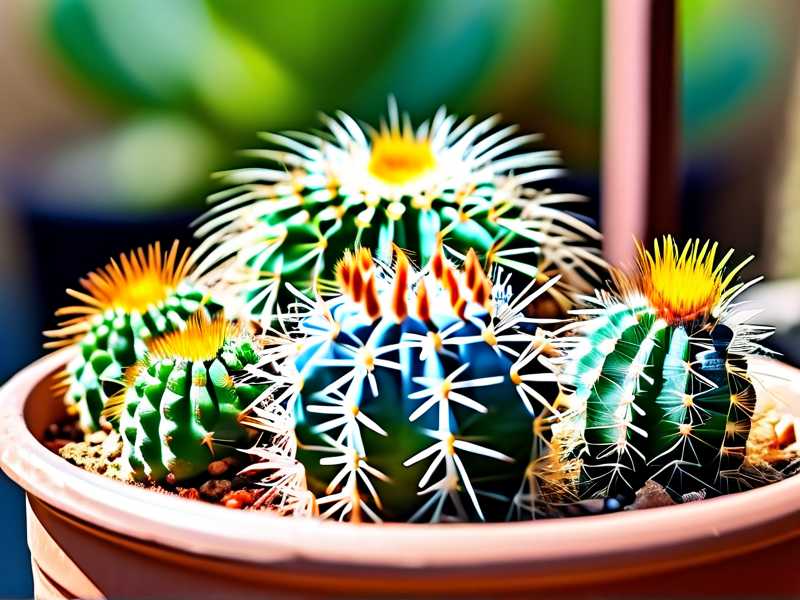
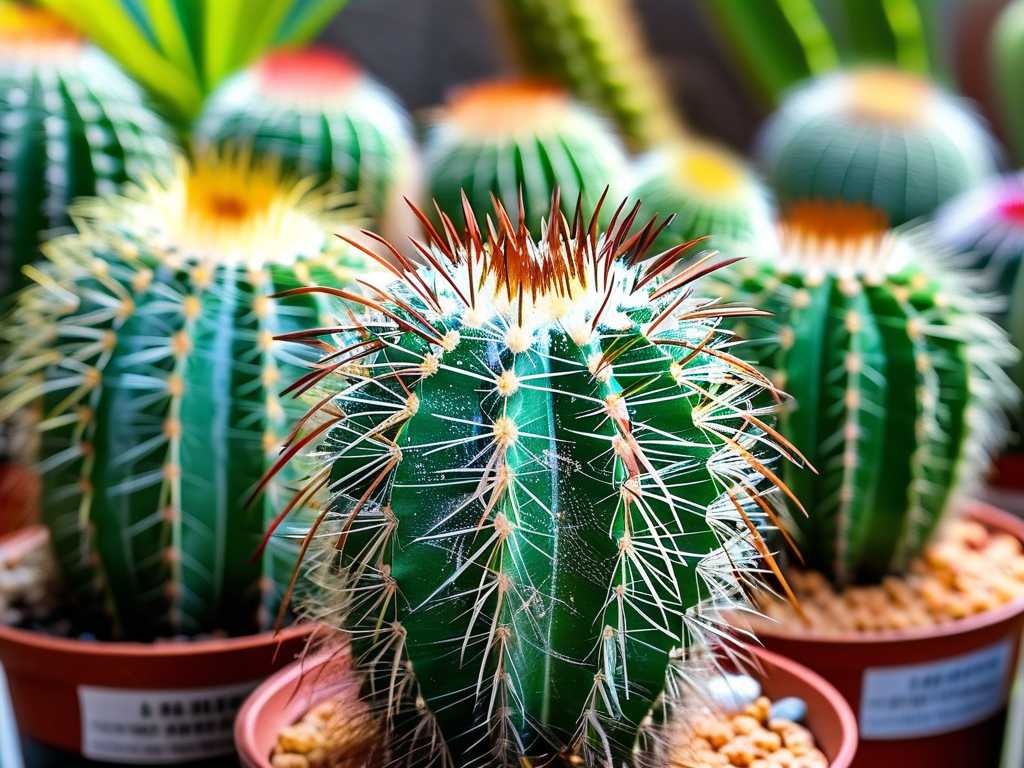
- Areoles Are the Key: This is the most critical factor. Areoles are the small, fuzzy, cushion-like spots on a cactus from which spines, glochids (tiny, barbed hairs), flowers, and new branches grow. All true cacti have areoles. In a classic spiny cactus species, like a Golden Barrel (Echinocactus grusonii), the areoles are prominent and host large, hard, clearly visible spines. In a spineless cactus variety, like most Astrophytum asterias (Star Cactus), the areoles may be present but lack any hard spines entirely, appearing as just fuzzy dots.
- Look for Glochids: Some cacti, like many Opuntias (Prickly Pears), may appear to have fewer large spines but are covered in deceptively dangerous glochids. These tiny, hair-like barbs detach easily and are a nightmare to remove from skin. A true spineless cactus plant should lack both spines and these irritating glochids.
- Texture and Ribbing: Observe the skin. Many spineless or near-spineless cacti, such as Lophophora williamsii (Peyote) or some Gymnocalycium species, have a smoother, more uniform texture. Spiny species often have a more rugged, armored appearance defined by their spinescapes.
My Two-Week Note: My suspected Gymnocalycium mihanovichii (Moon Cactus) had areoles with tiny, soft bristles that couldn’t pierce skin—confirming its “spineless for handling” status. This remained consistent.
Step 2: The Safe Touch Test – Proceed with Caution
Never grab a cactus! I learned this the hard way with a Opuntia microdasys (Bunny Ears) early in my journey. My “gentle” touch resulted in a palm full of glochids. Now, I use this safe method:
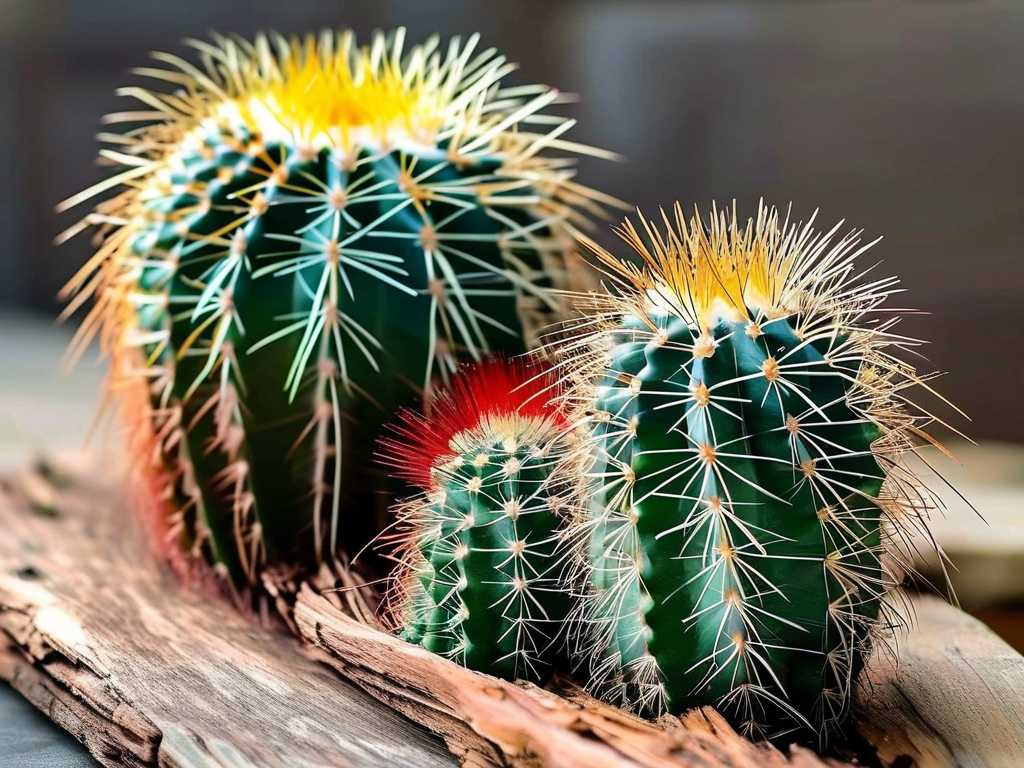
- Use a Tool: Gently run the wooden end of a chopstick or a soft artist’s brush over the areoles.
- Assess Resistance: Does the tool catch on firm, sharp points? Or does it glide over with little to no snagging?
- The Cotton Swab Test: For further confirmation, lightly dab a cotton swab on the areole. If fibers catch, it indicates the presence of small spines or glochids.
This tactile investigation is vital for identifying spiny and spineless cacti. A plant that passes the swab and tool test is much safer for a home environment.
The Pitfall I Encountered: One of my test subjects, a Parodia magnifica, looked relatively benign from a distance. The brush test, however, revealed stiff, sharp spines hidden within its dense, woolly areoles. It was a firm “spiny” classification, a fact my initial visual scan had missed.
Step 3: Research and Cross-Reference Growth Habits
Visual and tactile checks should be backed by research. Once I have a preliminary ID (e.g., “looks like a Mammillaria”), I dive into its expected growth pattern.
- Spiny Species Behavior: Many heavily spined cacti are native to extremely arid, high-sun environments. Their spines provide shade and protection. They often grow slower and are more tolerant of intense, direct light. The American Horticultural Society’s (AHS) plant database often notes these adaptations for sun-scorched habitats.
- Spineless Species Behavior: Cacti without spines often come from slightly shadier niches or have evolved other protections (like bitter sap). They may grow faster or require a bit more protection from midday sun. According to insights from the Royal Horticultural Society (RHS), some spineless cultivars have been selectively bred for safer handling, but their core light and water needs still follow their spiny ancestors’ patterns.
My Observation Correlation: Over two weeks, I placed my three test cacti in the same bright, indirect light spot. The confirmed spiny Parodia showed zero signs of stress. The spineless Gymnocalycium developed a slight blush, indicating it was getting enough light but was at its limit. This aligned perfectly with the researched profiles—the spiny type was built for harsher conditions.
Why This Distinction Matters for Your Care Routine
Getting this right isn’t just about safety; it dictates your entire care approach, from placement to potting.
Watering and Light Adjustments
Based on my experience and the RHS’s guidance on succulent care, a spiny cactus from a harsh desert environment typically prefers a more “neglectful” watering schedule and can handle direct, hot sun. A spineless cactus, while still drought-tolerant, might appreciate slightly more frequent watering during growth periods and protection from scorching afternoon rays. My two-week log showed the spineless test subject’s soil dried out a day slower than the spiny ones under identical conditions.
Repotting and Handling Safety
This is where the difference is most practical. Repotting a massive spiny cactus species requires serious gear: thick leather gloves, tongs, and folded newspaper. For my large Ferocactus, I use a custom-made loop of heavy-duty webbing to lift it. In contrast, repotting a spineless cactus plant like my Schlumbergera (Christmas Cactus) is as easy as handling any other houseplant. This drastically reduces the hassle and risk of plant damage during essential care.
Common Questions from Fellow Cactus Enthusiasts
Can a cactus be completely smooth with no areoles? No. If a plant has no areoles whatsoever, it is not a true cactus. All cacti possess areoles. The defining feature is whether those areoles produce spines/glochids or not. Some, like the Blossfeldia genus, have extremely subtle areoles, but they are present.
I bought a “spineless” cactus but it has tiny, soft hairs. Is this normal? Yes, this is common. Many plants marketed as “spineless” or “friendlier” cacti may have soft, flexible bristles or fuzz in their areoles that are incapable of piercing skin. These are not considered true defensive spines. The Gymnocalycium I observed is a perfect example of this.
Are spineless cacti more susceptible to pests? They can be, as they lack the physical spine barrier. My spineless cacti tend to be slightly more appealing to mealybugs and scale. This means I incorporate them into my regular inspection routine, checking leaf joints and under the rim of the pot more frequently. A proactive, gentle spray with insecticidal soap or neem oil solution is part of their care.
Identifying whether you have a spiny or spineless cactus is a foundational skill that transforms your plant care from guesswork into a confident practice. It starts with a careful eye for areoles, is confirmed by a safe tactile test, and is solidified by understanding the plant’s growth habits. My two-week deep dive with new specimens reinforced that while labels can be wrong, a consistent, multi-step approach never is. By applying this method, you can choose, place, and care for your cacti with complete confidence, ensuring a thriving, safe, and enjoyable collection for years to come.