bluename
 How to Grow Flowering Schlumbergera Cactus Species for Holiday Decor
I love the holidays, but I used to dread the cost and waste of store-bought decorations. Every year, I’d buy poinsettias that would drop leaves by New Year’s or cheap plastic decor that felt hollow. I wanted something living, vibrant, and meaningful to create a warm, festive atmosphere. That’s when I discovered the Schlumbergera cactus, often called Christmas or Thanksgiving cactus. These aren't your typical spiky desert dwellers; they are epiphytic cacti from Brazilian rainforests that burst into stunning blooms right when we need holiday cheer the most. The challenge? Getting them to flower reliably and using them as the centerpiece of my decor. After several seasons of trial, error, and finally, success, I’m here to guide you through the entire process. This guide is based on my hands-on experience, including a detailed two-week observation period that was a game-changer for my holiday display.
Understanding Your Schlumbergera: It’s Not Just a Cactus
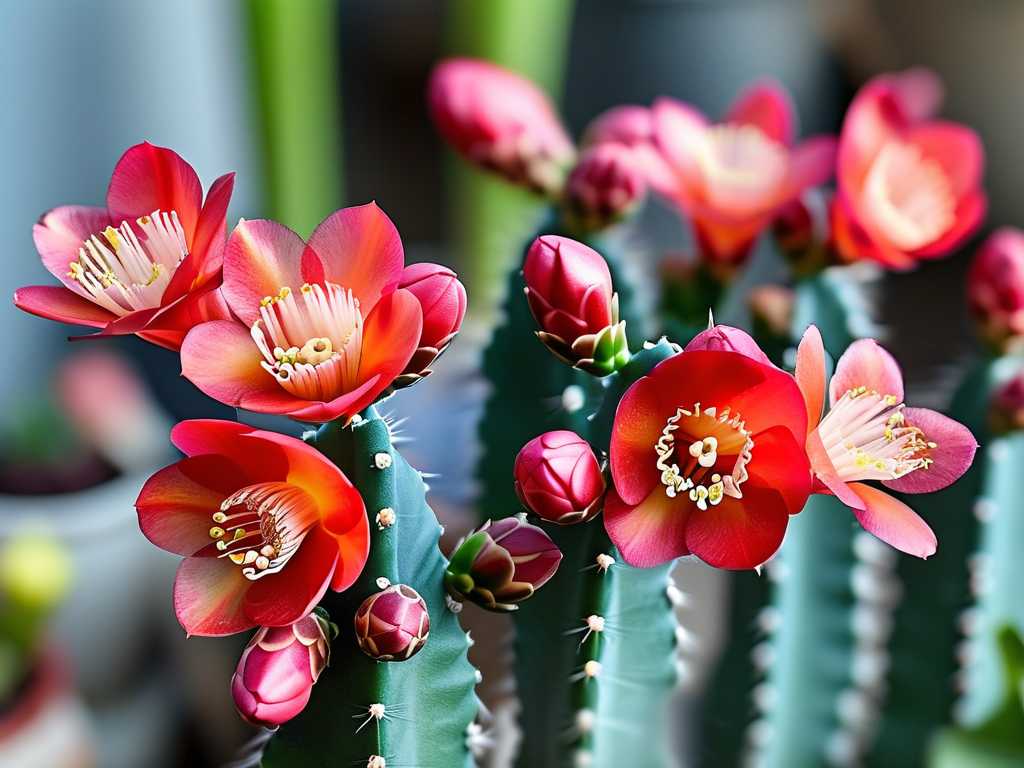
Before we dive into the "how," knowing your plant is crucial. Schlumbergera species, primarily Schlumbergera truncata (Thanksgiving cactus) and Schlumbergera x buckleyi (Christmas cactus), are key for holiday decor. Their segmented, flat stems and spectacular tubular flowers in reds, pinks, whites, and purples are perfect for festive color schemes. The Royal Horticultural Society (RHS) notes that their flowering is triggered by specific environmental cues, primarily cooler temperatures and longer nights. This isn't a plant you just water and forget; it requires a seasonal rhythm. I learned this the hard way when my first plant remained stubbornly green all December. I was treating it like a common houseplant, not the photoperiod-sensitive beauty it is.
My Core Strategy: A Two-Week Transition Protocol
The secret to spectacular holiday blooms lies in the fall. About 6-8 weeks before your desired bloom time, you need to initiate a conditioning period. I dedicated a strict two-week phase to kickstart this process, and the results were transformative.
Week 1: Initiating the Flowering Signal My goal was to simulate the shorter days and cooler nights of autumn. I chose a room that was naturally cooler and, most importantly, could be kept in total darkness for 12-14 hours each night. Every evening at 6 PM, I would move my Schlumbergera into a dark closet. At 8 AM the next morning, I’d bring it back to a bright, but not directly sunny, windowsill. I also reduced watering significantly, allowing the top inch of the soil to dry out completely. The American Horticultural Society (AHS) emphasizes this dry, cool, and dark period as non-negotiable for bud set. During this first week, I saw no visible changes—no buds, no dramatic growth. It was a test of patience. The pitfall I avoided here was using a room with streetlights or occasional light at night, as even brief exposure can disrupt the cycle.
Week 2: Observation and Adjustment By the start of the second week, I began a daily morning inspection. Around day 10, I spotted them: tiny, pinkish nubs at the tips of the terminal segments. Buds! This was the confirmation my protocol was working. I maintained the strict light/dark schedule but became even more cautious with water. I used a moisture meter to ensure I wasn’t overwatering, which is the fastest way to cause bud drop. I also gave it a single, half-strength dose of a high-potassium fertilizer (like a tomato feed) to support bud development. The environment was kept consistently cool, between 55-65°F (13-18°C). The buds grew noticeably larger each day. The key lesson here was consistency. One night, I forgot to put the plant away until 9 PM. I worried I’d ruined everything, but a single lapse didn’t undo the progress, proving the plant responds to consistent patterns, not perfection.
Integrating Schlumbergera into Your Holiday Decor
Once the buds are fat and showing color, the decor magic begins. You can stop the strict dark periods and enjoy the plant in your living space.
Creating a Living Centerpiece I use my flowering Schlumbergera as a living centerpiece. I place the pot inside a larger, decorative basket or a rustic wooden container that matches my holiday theme. I surround the base with sphagnum moss, pine cones, and cinnamon sticks for a natural, fragrant display. The cascading stems with bright flowers spilling over the edges create a stunning focal point on a mantel or dining table. It’s alive, it’s breathing, and it becomes a conversation starter.
The Hanging Basket Display For a different look, I grow some of my Schlumbergera in hanging baskets. When in full bloom, these make incredible natural ornaments. I hang them in a bright window where the light shines through the translucent petals. It’s a beautiful alternative to traditional wreaths or tinsel. Just ensure the location isn’t near a heat vent or fireplace, as sudden dry heat can cause flowers to wilt prematurely.
Propagation for Festive Gifting A wonderful aspect of Schlumbergera is how easily it propagates. During the spring, I twist off 2-3 segment cuttings, let them callous for a day, and plant them in a small pot. By carefully conditioning them in the fall, I have beautiful, budding plants ready to give as heartfelt, personalized holiday gifts. It’s a gift that keeps on giving, as recipients can continue the tradition.
Year-Round Care for Holiday Success
The holiday bloom is the reward for year-round care. Here’s my seasonal breakdown:
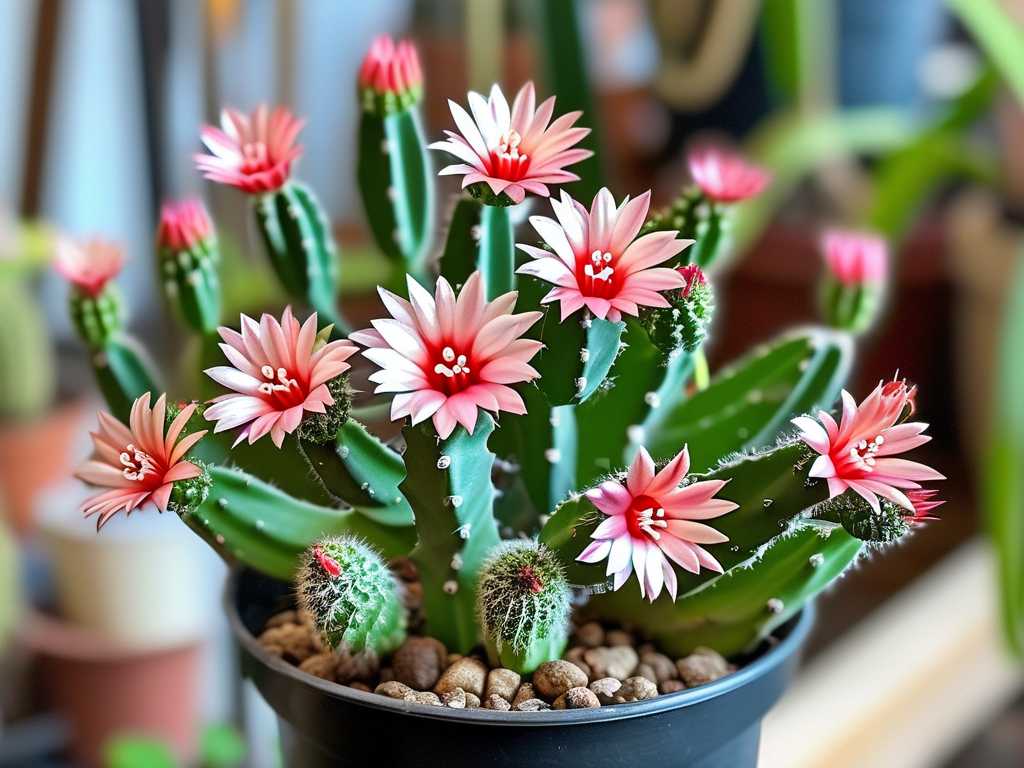
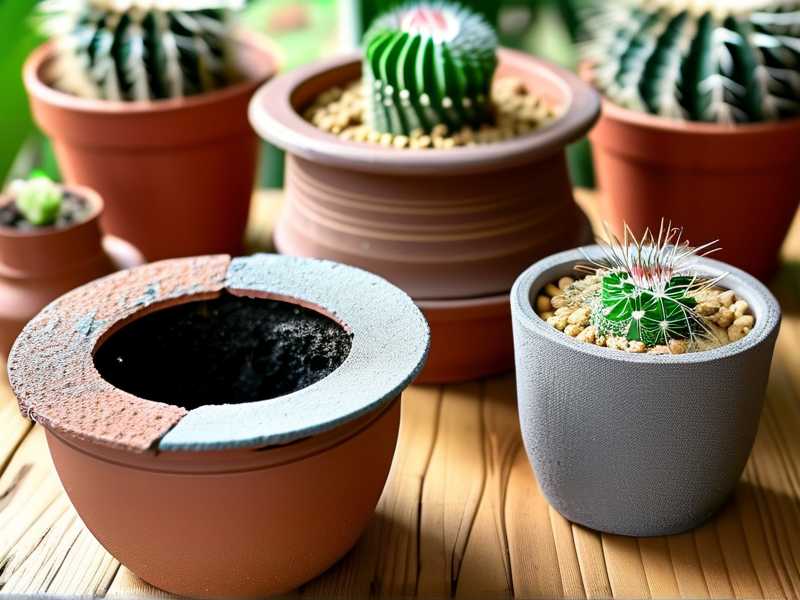
Spring & Summer: The Growth Phase After flowering, the plant needs a rest. I then repot if necessary, using a specific bromeliad or orchid mix for perfect drainage—a lesson from losing a plant to root rot. I place it outdoors in dappled shade (never full sun, which scorches the stems) and water regularly. I fertilize monthly with a balanced fertilizer. This is when it builds energy for next year’s show.
Fall: The Critical Conditioning Period As described, this is the most important time. I start my light/temperature protocol in early October for Thanksgiving blooms and mid-October for Christmas blooms.
Winter: Enjoying the Show Once blooming, keep the plant in a stable, moderately cool location with bright, indirect light. Water when the soil surface feels dry, and avoid moving it frequently, as this can also cause bud drop. My two-week observation taught me that stability is everything during the bloom period.
What’s the difference between a Christmas Cactus and a Thanksgiving Cactus? The most reliable way is to look at the stem segments. Thanksgiving Cactus (Schlumbergera truncata) has very pointed, claw-shaped projections on the edges. Christmas Cactus (Schlumbergera x buckleyi) has more rounded, scalloped edges. Thanksgiving varieties typically bloom earlier, from late November, while true Christmas cacti bloom closer to December. Most plants sold commercially are Thanksgiving types.
Why are all the flower buds falling off my plant before they open? This is heartbreaking and usually due to environmental stress after bud set. The most common causes are a sudden change in location (like moving from a cool room to a warm one), overwatering or underwatering, or exposure to drafts or direct heat sources. Once buds form, try to keep everything—light, temperature, watering—as consistent as possible.
Can I make my Schlumbergera bloom again at Easter? The so-called "Easter Cactus" is actually a different but related genus, Hatiora gaertneri. True Schlumbergera are triggered by fall’s short days. While you might get an odd bloom, forcing a major spring bloom goes against their natural cycle and can exhaust the plant. It’s best to let them follow their natural rhythm for long-term health.
Growing Schlumbergera for the holidays has transformed my seasonal traditions. It moves beyond decoration into the realm of nurturing and anticipation. The two-week commitment to triggering blooms is a small investment for a month of breathtaking beauty. By understanding its needs—the well-draining soil, the strategic summer growth period, and the critical fall conditioning—you cultivate more than a plant; you cultivate a living symbol of celebration. Start this journey, be patient through the process, and you’ll be rewarded with a sustainable, stunning holiday highlight that returns year after year.