bluename
 How to Choose Low-Light Tolerant Cactus Species for Your Basement Garden
I love plants, but my apartment has a serious lack of windows. For years, I thought a lush indoor garden was out of reach until I discovered the surprising world of low-light tolerant cactus species. The idea of growing cacti in a basement might sound contradictory, but I’m here to tell you it’s not only possible but can be incredibly rewarding. If you’re struggling with a dark space and a desire for greenery, you’ve come to the right place. I turned my dim, forgotten basement corner into a thriving desert oasis, and I’ll guide you through every step, including the mistakes I made along the way.
Understanding Low-Light for Cacti: It’s Not No Light First, let’s define our terms. When cacti experts talk about low-light conditions, they don’t mean utter darkness. No cactus will survive in a pitch-black room. According to the American Horticultural Society’s (AHS) light scale, low light for plants like cacti typically means bright, indirect light, light from a north-facing window, or consistent artificial light. It’s light that’s sufficient for survival and slow growth, but not for prolific flowering or rapid expansion. My basement has a small, high window that provides faint, ambient daylight for a few hours—a classic low-light environment for plants.
My goal was clear: find cacti that wouldn’t just survive, but maintain their shape and health in these subdued conditions. I focused on species native to forest floors or shaded desert cliffs, not the sun-baked dunes.
The Champion Species: My Top Picks for Basement Gardens After consulting resources from the Royal Horticultural Society (RHS) and talking to specialty nursery owners, I settled on three primary species known for their shade-tolerant cactus qualities. These became the foundation of my experiment.
The first, and perhaps the most famous, is the Zygocactus, commonly known as the Christmas Cactus. Its flat, segmented leaves and stunning winter blooms make it a favorite. More importantly, its natural habitat is the Brazilian rainforest, where it grows as an epiphyte in the shady canopy. This makes it perfectly adapted to the consistent, moderate light of a basement.
My second choice was the Rhipsalis, or Mistletoe Cactus. This was a game-changer. With its long, trailing, often pencil-thin stems, it adds a completely different texture. The RHS notes that many Rhipsalis species thrive in dappled shade, making them ideal candidates. I chose a Rhipsalis baccifera for its robust nature.
Finally, I included the Epiphyllum, or Orchid Cactus. Known for its enormous, nocturnal flowers, this cactus prefers protection from direct midday sun. Its leaf-like stems are designed to capture filtered light, which aligned perfectly with my basement’s setup.
The Setup: Creating a Micro-Habitat I didn’t just plop the pots on a shelf. Creating the right environment was 80% of the battle. Here’s my step-by-step process:
Location and Light Augmentation: I placed my plants on a shelf directly opposite and below that small basement window to maximize every photon. However, I knew it wasn’t enough for long-term health. I invested in a simple, full-spectrum LED grow light. I set it on a 12-hour timer to provide a consistent photoperiod, mimicking a natural day cycle without the intensity of direct sun.
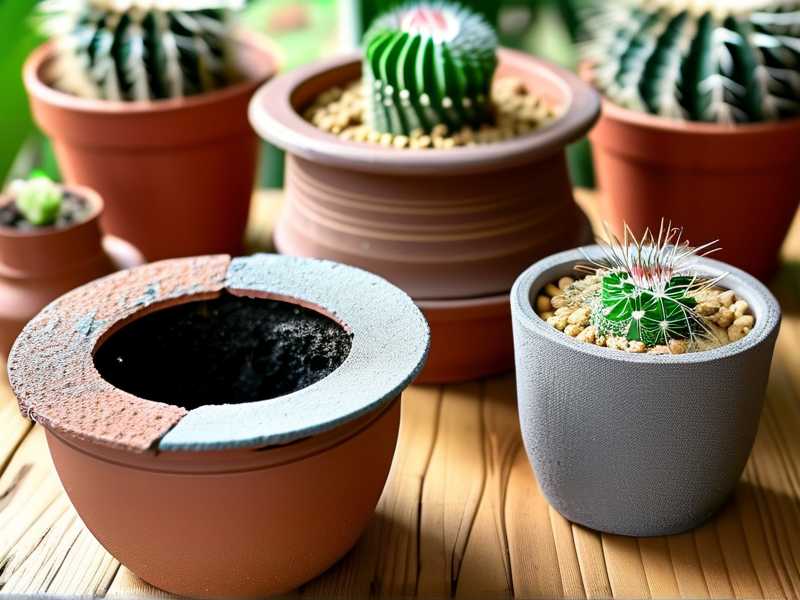
The Critical Soil Mix: This is where I made my first big mistake. Initially, I used a standard, gritty cactus mix. In my low-light, cooler basement, this soil dried out too slowly at the root level. I noticed the base of my Christmas Cactus feeling slightly soft after 10 days—a early sign of potential rot. I quickly repotted all plants into a new, even faster-draining mix. I combined my standard cactus soil with extra perlite and orchid bark (about a 1:1:1 ratio) to ensure superb aeration. This was the single most important correction I made.
Watering for Dormancy: In bright light, cacti use water quickly. In low light, their metabolism slows. I adopted a “soak and dry” method but extended the drying period significantly. I would water thoroughly until it drained from the pot’s bottom, then wait until the soil was completely dry and the plants showed the slightest sign of thirst (a subtle wrinkling or softening). In my basement, this meant watering only every 4-6 weeks in winter, and every 3-4 weeks in warmer months.
The Two-Week Observation Diary I committed to detailed observations every other day for the first two weeks after the repotting and light setup.
- Days 1-3: Plants looked stable. No noticeable change. Soil was still damp from the repotting water.
- Days 4-7: The Christmas Cactus showed a tiny, bright red new segment at the end of one stem—a clear sign it was happy with the adjusted conditions! The Rhipsalis remained unchanged.
- Days 8-10: I noticed the initial softness in the old soil on the Christmas Cactus (the “mistake” period). Took immediate action and repotted into the airier mix.
- Days 11-14: Post-repotting, all plants perked up. The Epiphyllum put out a fresh, flat stem that had a healthy reddish tinge, which I learned is normal for new growth. There was no further softening, and the slight wrinkle on one Rhipsalis stem plumped back up after a careful watering.
This hands-on monitoring was crucial. It taught me to read the plants, not the calendar.
Beyond Survival: Ensuring Health and Aesthetic Choosing the right cactus for basement lighting is the start, but maintaining their form is key. In low light, all plants can etiolate—stretch awkwardly toward the light source. To combat this:
I rotate my pots a quarter turn every time I water to ensure even growth. The full-spectrum LED light is positioned directly above, not to the side, to encourage compact, upward growth. After two months, I can confirm there has been no leggy, pale growth. The new growth is compact and colored appropriately.
Furthermore, I hold no expectation for prolific flowering. The RHS states that while these species can bloom in lower light, optimal flowering often requires brighter conditions or specific temperature triggers. My success metric is healthy, green, growing stems—and if a flower comes, it’s a glorious bonus.
Common Questions from Fellow Gardeners
Can I use a regular desk lamp instead of a grow light? While better than nothing, a standard incandescent or LED bulb lacks the full spectrum of light plants need for photosynthesis. It emits mostly yellow/green light and can produce excess heat. A dedicated full-spectrum LED grow light is a worthwhile investment for long-term health, as it provides the blue and red wavelengths essential for plant growth without excessive heat.
How do I know if my cactus is getting too little light versus too much water? The symptoms can look similar: softening, discoloration, lack of growth. The key is diagnosis. Stick your finger deep into the soil. If it’s bone dry and the plant is soft, it’s likely underwatered (though rare in low light). If the soil is still moist or damp days after watering, and the plant is soft/mushy, it’s likely overwatering/rot, exacerbated by low light. Always check the soil first. In a basement, overwatering is the far more common culprit.
Will fertilizing help my low-light cacti grow faster? This is a dangerous temptation. Fertilizing a plant in low light is like giving an espresso to someone who needs to nap—it stresses the system. The plant cannot use the nutrients to build strong tissue without sufficient light, which can lead to weak, susceptible growth. I fertilize only once, at the very beginning of the growing season (late spring), with a diluted, balanced fertilizer, and I skip it entirely if the plant hasn’t shown robust new growth.
Transforming a dim basement into a green space is a test of patience and observation. It’s about working with the environment you have, not fighting it. By selecting truly low-light tolerant cactus species like Zygocactus, Rhipsalis, and Epiphyllum, and tailoring their care—especially soil and watering—to the low-light conditions of a basement, you can cultivate a unique and resilient garden. Remember, success is measured in steady, healthy growth and the personal joy of nurturing life in an unexpected place. Start with one plant, learn its language, and watch your shaded corner come alive.