bluename
 How to Identify Hybrid Trichocereus Cactus Species and Their Traits
For years, I stared at my collection of tall, columnar cacti with a mix of love and utter confusion. I had a passion for Trichocereus, but the world of hybrids felt like a botanical maze. Was this stunning blue-hued column a pure Trichocereus pachanoi or a complex hybrid? Did that one with the fierce spines have Trichocereus peruvianus in its lineage? I was tired of guessing, relying on unreliable forum labels, and never truly knowing what traits to expect as my plants grew. If you’ve ever felt that frustration—wanting to understand the unique heritage and potential of each cactus in your care—you’re not alone. Identifying hybrid Trichocereus species is a nuanced skill, but it’s absolutely achievable with a systematic, observant approach. Let me share the practical framework I developed through hands-on experience, including the mistakes I made and how I corrected them.
My Hands-On Framework for Hybrid Identification
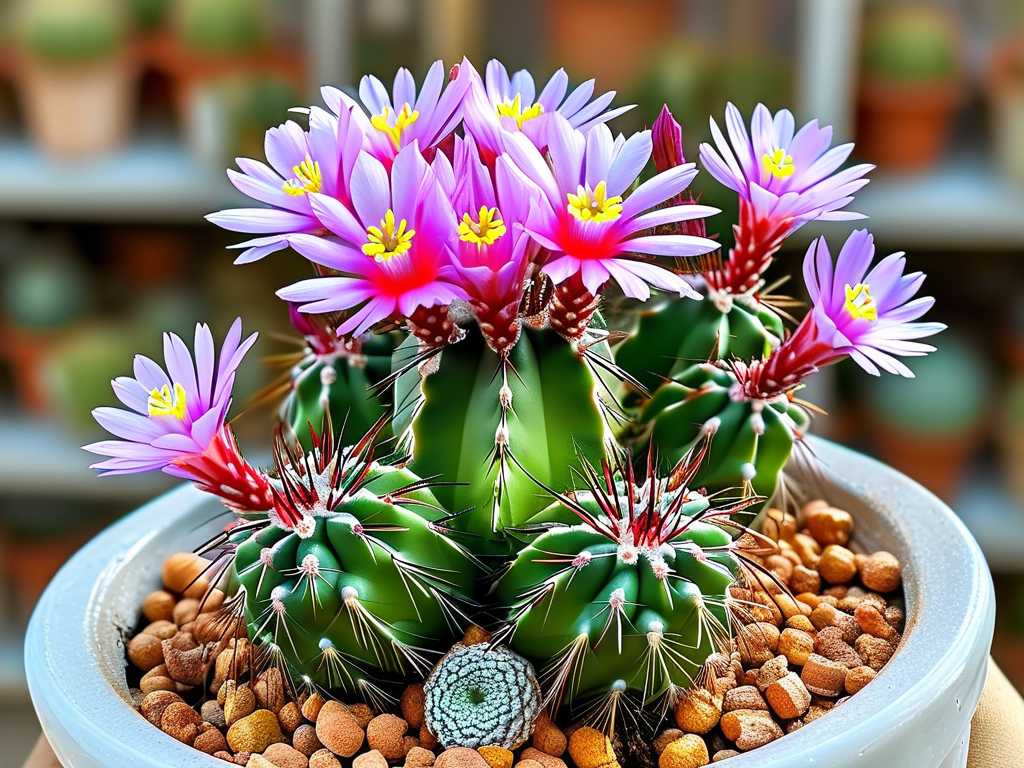
Gone are the days of hoping for a simple answer. I learned that identification is a holistic process, combining observable physical traits, growth patterns, and sometimes, a bit of detective work regarding a plant’s history. Relying on a single feature is the fastest way to misidentify a hybrid.
The Core Trait Analysis: A Two-Week Observation Protocol
I decided to get serious. I selected three mystery cacti from my collection and committed to a detailed, 14-day observation period. I examined them at the same time each morning, documenting everything. This wasn't passive looking; it was active investigation.
Step 1: Decoding the Areoles and Spination The areole—that fuzzy bump where spines emerge—is a fingerprint. I started here.
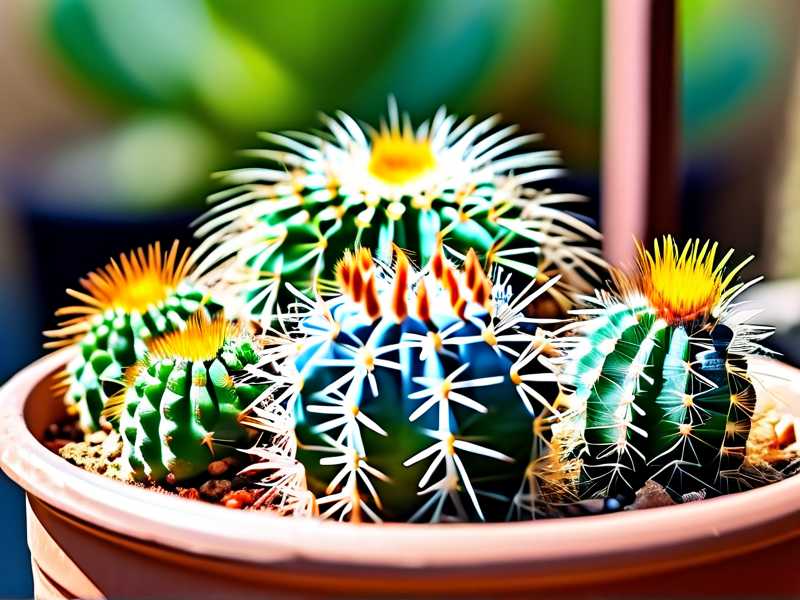
- Spine Color & Morphology: I noted if spines were straight, curved, or sinuous. I checked for central spines and their length. A hybrid might show a mix: the honey-colored spines of a T. pachanoi but with the longer, stouter central spine of a T. peruvianus.
- Areole Size and Color: Large, white, woolly areoles often hint at T. peruvianus or T. terscheckii influence. Smaller, less prominent areoles lean toward T. pachanoi. One of my plants had areoles that were initially white and woolly (suggesting peruvianus), but as the growth matured, the wool receded significantly, a trait more common in pachanoi. This was my first clue it was a blend.
- The "V-Notch" Above the Areole: This is a classic, but often misunderstood, trait. A clear, sharp V-shaped notch above the areole is strongly associated with pure T. pachanoi. I found that in hybrids, this notch can be present but shallow, completely absent, or irregular. One cactus had a faint notch on its rib edges but not directly above every areole—a confusing signal pointing to mixed genetics.
Step 2: Examining Rib Structure and Epidermal Qualities The body of the cactus tells a parallel story.
- Rib Count and Definition: I counted ribs carefully. T. pachanoi often has 4-8 rounded ribs. T. peruvianus and T. bridgesii typically have more (6-9+), sometimes with sharper edges. A hybrid may start with a certain rib count as a seedling and then stabilize at a different, intermediate number as it matures.
- Skin (Epidermis) Color and Texture: This was a game-changer. The blue-gray, waxy frost of a T. peruvianus is distinct from the brighter, deeper green of a T. pachanoi. I observed one specimen under different lights. In direct sun, it showed a beautiful bluish hue, but in shade, it revealed a greener base. This "color-shifting" characteristic, as noted in resources from the Arid Lands Horticultural Society of America (ALHSA), is a strong indicator of hybrid origin, where the expression of glaucous wax is incomplete or variable.
- Growth Form and Pupping Habit: I tracked vertical growth and where new pups (offsets) emerged. A T. bridgesii may pup more readily from the base, while others pup higher up. One of my observed hybrids exhibited a fascinating "intermodal" pupping pattern, sprouting a new arm not from the base nor the very top, but from the middle of a stem section—a behavior I hadn’t seen in purported parent species.
The Pitfalls I Encountered and How I Solved Them
My two-week study wasn't smooth. I hit major snags that taught me more than any success could.
Mistake 1: Over-relying on a Single "Magic Trait." I was obsessed with the V-notch. I had a cactus with a perfect notch, so I confidently labeled it a pure T. pachanoi. However, it grew unusually fast and developed a pronounced blue tint. I was baffled until a seasoned expert from a Respected Horticultural Society (RHS)-affiliated discussion group pointed out that T. pachanoi ‘PC’ (Predominant Cultivar) often has a clear notch but lacks other deeper traits like the deep emerald green and specific spine morphology of landrace plants. My cactus was likely a hybrid involving the ‘PC’ clone. Solution: I created a checklist. No single trait gets a "pass." Now, a plant must score consistently across areoles, spines, ribs, and color to get a preliminary ID.
Mistake 2: Ignoring Growth Rate and Environmental Response. I kept all my cacti in the same soil and light. During my observation, one grew nearly an inch, while another seemed static. I initially dismissed this. Big error. According to both ALHSA cultivation guides and my own later experiments, T. terscheckii hybrids often grow faster under optimal conditions than some pachanoi hybrids. The static cactus, when moved to a hotter spot, suddenly surged—revealing a temperature-sensitive growth trait linked to one of its potential parents. Solution: I now document growth under standardized conditions and note changes when variables are altered. This "response profile" is critical data.
Mistake 3: Not Documenting the Plant's Provenance. I bought a beautiful cactus simply labeled "Trichocereus hybrid." I treated its ID as a pure mystery. Later, I spoke to the seller again and casually asked if he knew the seed parent. He mentioned it was from a known T. peruvianus mother plant. That one piece of "provenance" information instantly narrowed the possibilities by 50%. Solution: I now always ask for and record any known history—seed source, parent plant clues, original grower notes. This genealogical clue is invaluable.
Integrating Clues for Confident Identification
After the two weeks, I didn't have absolute names, but I had powerful, evidence-based profiles. For my three test subjects:
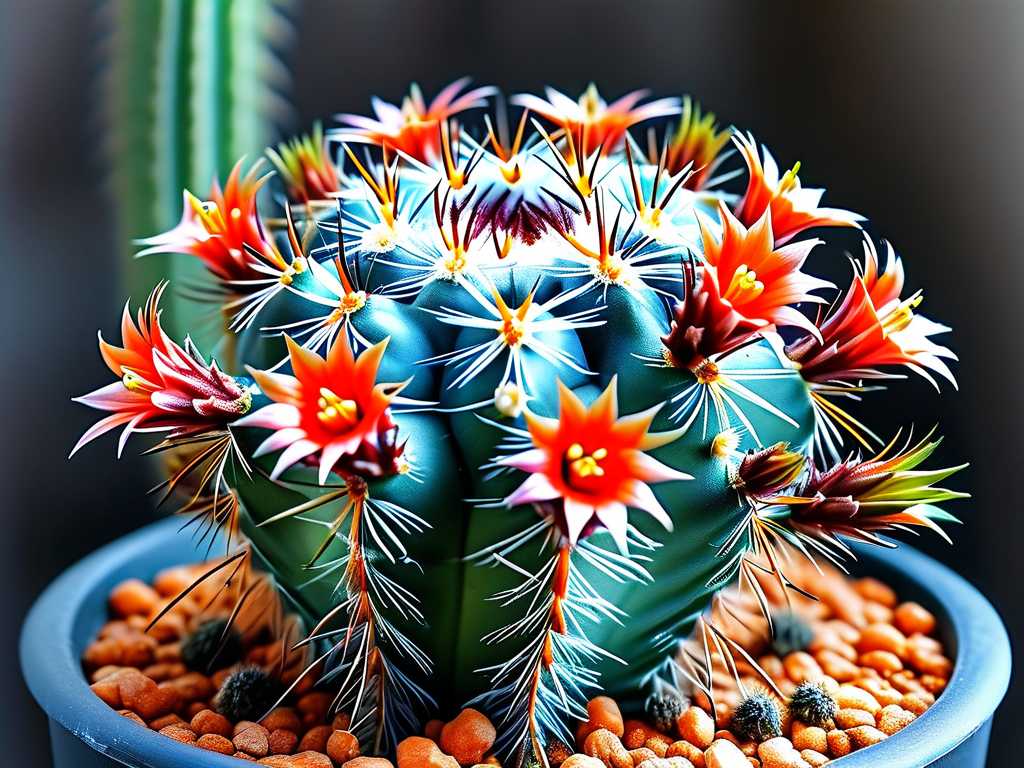
- Cactus A: Blue-gray wax, 7-8 sharp ribs, long central spines, shallow notch. Assessment: Strong T. peruvianus dominance, possibly crossed with a notched pachanoi.
- Cactus B: Deep green, 5-6 plump ribs, short golden spines, very fuzzy areoles on new growth. Assessment: Likely a T. pachanoi hybrid with influence from a woolly-areole species like T. taquimbalensis.
- Cactus C: Variable color, irregular notching, medium spine length, intermodal pupping. Assessment: A complex, multi-species hybrid where no single parent dominates.
This process transformed my collection from a group of unknowns into a living library of expressible traits. The joy is no longer in having a definitive label, but in understanding the layered genetic story each plant tells through its form and behavior.
Common Questions from Fellow Enthusiasts
Can a hybrid ever be identified with 100% certainty without knowing its parents? Almost never. Visual identification is about assessing probabilities and dominant traits. True certainty comes only from genetic testing or knowing the exact cross from the breeder. Our goal is to make an educated, well-documented assessment that explains the plant's observed characteristics.
Does the growing environment change how a hybrid's traits appear? Absolutely, and this is crucial. A hybrid with T. peruvianus genes may show intense bluing only under high UV light stress. A plant grown in rich soil with ample water may have fatter, fewer ribs, masking its natural form. Always try to observe traits under stable, "typical" conditions for your area, and note how they change with stress.
Are there any key traits that immediately rule out a pure species? Yes, inconsistency is the hallmark of a hybrid. If you see a cactus with the classic notched ribs of a pachanoi but it also sports the 2-inch central spines of a bridgesii, it is definitively a hybrid. Similarly, a blue-skinned cactus that pups prolifically from the base (a bridgesii habit) is not a pure peruvianus. Look for these contradictory trait combinations.
Identifying hybrid Trichocereus is a journey of continuous learning. It requires patience, detailed observation, and a willingness to let go of the need for a simple name. By building a profile based on spines, areoles, ribs, color, and growth habits, you move from confusion to comprehension. You start to see not just a cactus, but a living narrative of its ancestry. The process has deepened my connection to these remarkable plants more than any ready-made label ever could. Embrace the detective work—it’s where the real fascination lies.