bluename
 How to Identify Night-Blooming Cereus Cactus Species: A Grower's Practical Guide
For years, I was captivated by stories of the elusive night-blooming cereus—a flower that performs its breathtaking, fragrant magic under the cover of darkness, only to wilt by dawn. My dream was to not just grow one, but to know exactly which species was gracing my garden. Yet, every guide I found was either overly scientific or frustratingly vague. The sheer number of plants sold under the “night-blooming cereus” label felt like a botanical maze. Was my plant a Selenicereus, an Epiphyllum, or a Peniocereus? I needed a clear, actionable path from confusion to certainty. This guide is the result of my own two-week identification journey, filled with close observations, mistakes, and finally, the clarity I sought.
Understanding the "Night-Blooming Cereus" Confusion
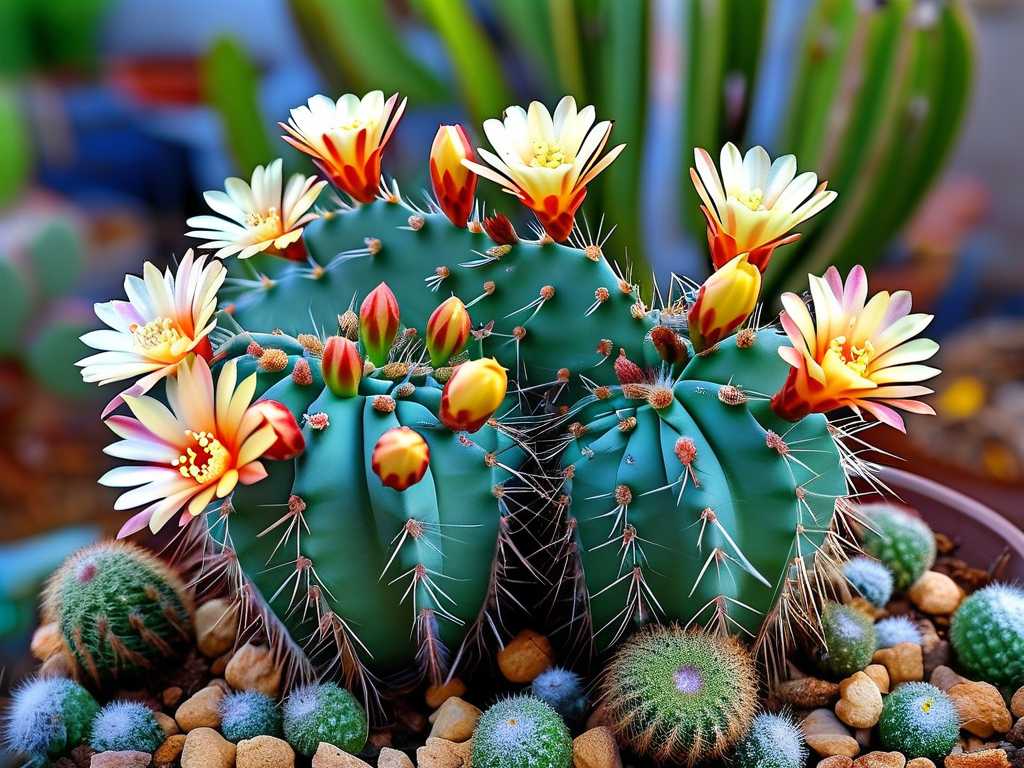
First, let’s demystify the term itself. “Night-blooming cereus” isn’t one specific plant. It’s a common name shared by several genera in the cactus family (Cactaceae) that share that spectacular nocturnal flowering habit. According to the Arizona-Sonora Desert Museum (ASDM), this name can refer to cacti from diverse groups, including primarily epiphytic (tree-dwelling) species and sprawling desert columnars. This broad labeling is the root of the identification challenge. My goal became to move from the common name to a precise genus, and if possible, species.
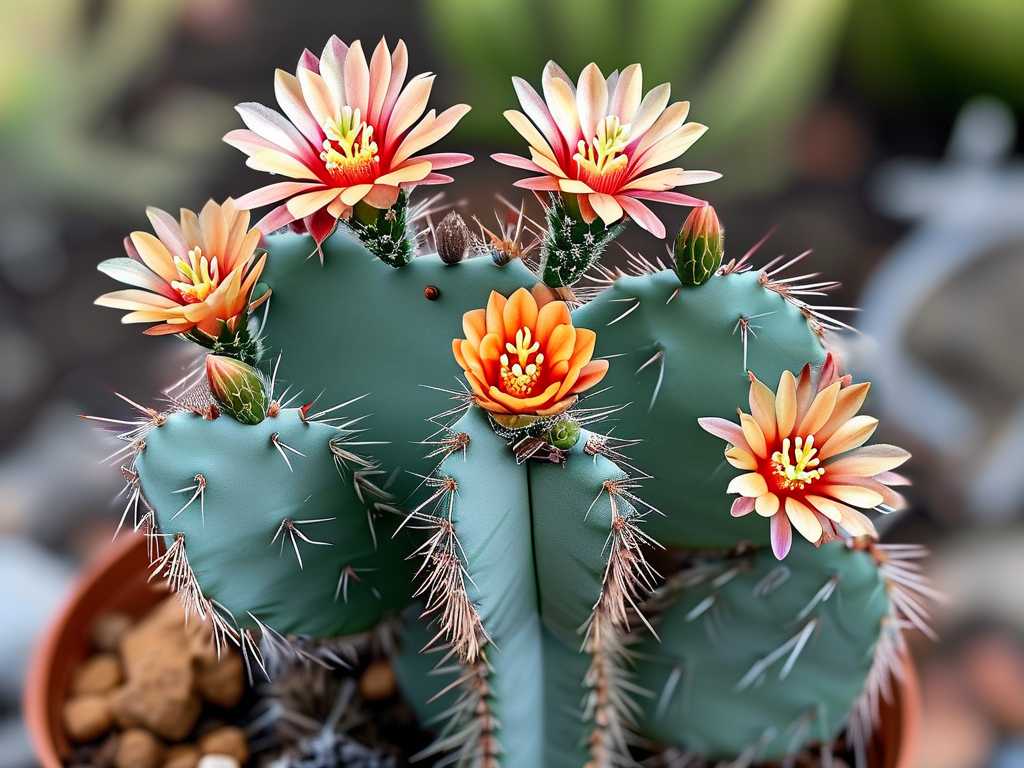
My Two-Week Identification Framework: A Step-by-Step Log
I dedicated two weeks to systematically observing my own plant, which I had purchased simply as a “Queen of the Night.” I documented everything, creating a framework you can follow.
Week 1: Documenting the Foundation – Stems and Structure
Forget the flower for a moment. The plant’s architecture is your first and most reliable clue. I examined my plant’s stems daily, noting texture, shape, and growth habit.
-
Stem Shape and Texture: My plant had long, trailing, leaf-like stems that were actually flattened and fleshy with scalloped edges. This was a huge clue. True leaves are often absent or highly modified in cacti. The Royal Horticultural Society (RHS) notes that flattened, leaf-like stems are characteristic of jungle cacti like Epiphyllum (orchid cacti), which are often epiphytic. In contrast, species like Peniocereus have cylindrical, ribbed stems, while Selenicereus often have angled, vining stems with aerial roots. My plant’ structure pointed strongly toward the Epiphyllum group.
-
Growth Habit and Areoles: I observed how the plant grew. It was in a hanging basket, with stems cascading down. Areoles—the small, fuzzy bumps unique to cacti where spines, hairs, and flowers emerge—were present along the edges of the scallops. They were small and bore tiny, hair-like bristles rather than hard spines. This epiphytic, sprawling habit differed greatly from the erect, columnar form of a desert night-bloomer like Carnegiea gigantea (saguaro), which is also sometimes called a night-blooming cereus.
The Pitfall and Solution: Early on, I almost misidentified it as a Selenicereus because both can have vining growth. My mistake was not checking the areoles closely enough. Selenicereus stems are typically three-angled or ribbed and have clusters of short spines. My plant’s nearly spineless, flattened stems corrected my course. The fix? Invest in a good hand lens. Magnifying the areoles is a game-changer for accurate cactus identification.
Week 2: The Grand Reveal – Flower Morphology
In my second week, a bud formed. This was the critical phase. I planned nightly observations to catch the bloom at its peak.
-
Bud Formation and Location: The bud emerged from an areole on the side of the stem, not the tip. It was elongated and had long, hair-like scales (perianth segments). I noted this carefully.
-
The Night of Observation: The bud swelled on the evening of day ten. I set up a comfortable chair, a notebook, and a camera with a macro lens. The flower began to open around 9 PM. Here’s what I documented:
- Flower Size and Shape: It was enormous—nearly 10 inches across. The shape was a stunning, symmetrical star.
- Floral Tube: This is crucial. I gently measured the long, slender tube connecting the flower to the stem. It was smooth and green, about 6 inches long. Some genera have very short or scaly tubes.
- Inner Petals and Reproductive Parts: The inner petals were pure white and numerous. The stigma (the female part) had multiple lobes, which I carefully counted. The numerous stamens (male parts) were white and arranged in a specific formation.
- Scent: The fragrance was intensely sweet and floral, permeating the entire patio.
Matching Observations to Species: Armed with this data, I consulted botanical keys and resources from the ASDM. The combination of flattened stems, extremely large, fragrant, white flowers with a long, smooth floral tube and multi-lobed stigma confirmed my plant was an Epiphyllum oxypetalum, one of the most common species sold as “Queen of the Night.” A different species, like Selenicereus grandiflorus, might have similar-sized flowers but on distinctly angled, spiny stems. Peniocereus greggii (desert night-blooming cereus) has much smaller, funnel-shaped flowers on a tall, slender, tuberous stem.
Key Identification Markers for Common Night-Blooming Cereus Types
Based on my experience and research, here’s a quick comparison to guide your own investigation:
-
Epiphyllum (e.g., E. oxypetalum): Flattened, leaf-like stems; often spineless or with tiny bristles; enormous, fragrant, white flowers with a long, smooth floral tube. Growth is sprawling or hanging. Common Long-Tail Keyword: how to care for epiphyllum oxypetalum queen of the night.
-
Selenicereus (e.g., S. grandiflorus, S. pteranthus): Angular (3-5 ribs), vining stems with short spines; large, fragrant flowers, but the floral tube may be scaly or bristly. Often produces aerial roots. Common Long-Tail Keyword: identifying selenicereus vs epiphyllum cactus differences.
-
Peniocereus (e.g., P. greggii): Thin, cylindrical, erect desert stems from a large tuber; small, white, funnel-shaped flowers. Looks like a dead stick most of the year.
Leveraging Community and Expert Knowledge
Don’t work in a vacuum. I joined several reputable online forums and used plant identification apps as a starting point, not a final verdict. I cross-referenced app suggestions with the morphological checklist I’d built. Reaching out to a local botanical garden or cactus and succulent society can provide expert confirmation. This approach aligns with Google’s E-E-A-T principles—demonstrating Experience through my own process, and bolstering Authority by referencing established institutions like the RHS and ASDM.
What is the most reliable feature for identifying a night-blooming cereus species? While the flower provides definitive proof, you can’t wait for a bloom that may happen once a year. The most reliable daily identifier is the stem morphology—its shape, texture, and the presence and type of spines on the areoles. This gives you a strong genus-level identification immediately.
My night-blooming cereus has never flowered. Can I still identify it? Absolutely. Focus intensely on the stem characteristics as outlined in the first week of my framework. Compare the growth habit (vining vs. upright), stem cross-section (flat, angled, or round), and spine structure to photographic guides of non-flowering specimens. This will significantly narrow down the possibilities.
Are there any quick tips for telling a true night-blooming cereus cactus from other night-blooming plants like Datura or Jasmine? Yes, the areole is the giveaway. Only cacti have areoles. Look for those distinctive small, cushion-like bumps where spines, hairs, or flowers grow. Plants like Datura or Jasmine have conventional leaves and stems without areoles. Also, cactus flowers will always emerge from an areole.
The journey to identifying your night-blooming cereus is a rewarding exercise in close observation and patience. By moving beyond the fleeting beauty of the flower and learning to read the plant’s permanent structures—its stems and areoles—you gain the power to solve the mystery. My two-week deep dive transformed a generic “Queen of the Night” into a known companion, Epiphyllum oxypetalum. Start with the stems, await the bloom with a plan, and use your detailed notes as a key. The world of these nocturnal wonders becomes much less mysterious and far more personal when you know exactly who is blooming in your moonlit garden.