bluename
 How to Care for Variegated Gymnocalycium Cactus Species: A Grower’s Personal Guide
I’ve killed my fair share of cacti. There, I said it. It’s a humbling admission for any plant enthusiast. But my journey took a particularly frustrating turn when I brought home my first variegated Gymnocalycium cactus species. Its beautiful, creamy yellow and green patches were mesmerizing, unlike any standard green cactus on my shelf. I treated it like my others, and that was my first, nearly fatal, mistake. Within weeks, it started to look stressed, its vibrant colors dulling. I realized these stunning, chlorophyll-deficient plants aren’t just “another cactus.” They demand a nuanced approach. If you’ve ever wondered why your prized variegated gymnocalycium is struggling while your other cacti thrive, you’re not alone. This guide is born from two years of focused care, meticulous observation, and lessons learned the hard way.
Understanding Your Variegated Gymnocalycium: It’s Not Just a Pretty Face
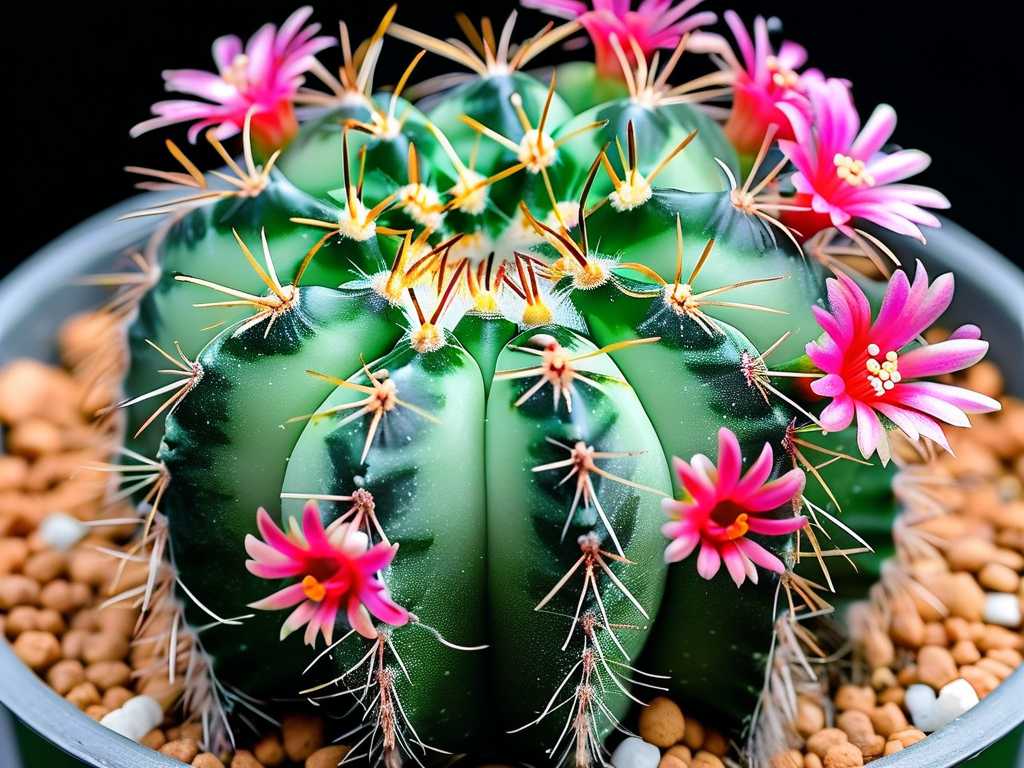
Before we dive into the daily care, we must understand what makes these plants unique. Variegation is a genetic mutation that reduces chlorophyll, the pigment plants use for photosynthesis. Those beautiful white, yellow, or pink sections have little to no chlorophyll. This is the core of all care adjustments: a variegated cactus has a reduced capacity to feed itself.
I learned this the hard way. My initial assumption was “less green, less light needed.” Wrong. The green parts must work overtime to sustain the entire plant. According to insights from the Arizona Horticultural Society (AHS), variegated plants often require more careful light management—not necessarily less, but protected from intense, direct sun that can scorch their sensitive, pale tissues. They are simultaneously more hungry for light and more vulnerable to it.
My Two-Week Rescue Plan: A Step-by-Step Log
When I noticed my Gymnocalycium mihanovichii ‘Hibotan’ (a common variegated type) looking soft and discolored, I instituted a strict 14-day rescue protocol. Here’s exactly what I did.
Week 1: Assessment and Environmental Reset
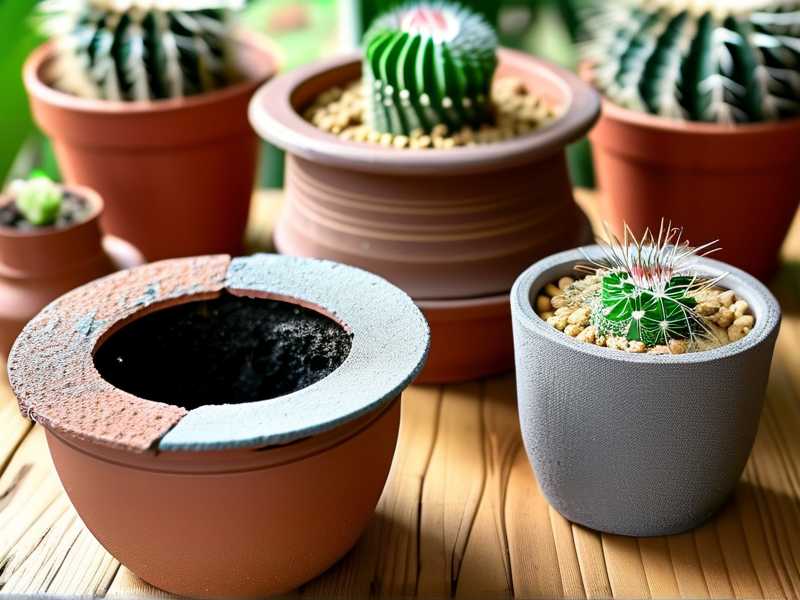
- Day 1-2: The Soil Intervention. I gently un-potted the cactus. The soil was still slightly damp from a watering 10 days prior—a major red flag. My standard cactus mix, while gritty, retained moisture too long for this slow-drinker. I created a new, hyper-draining mix: 50% potting soil, 30% perlite, 20% coarse sand, and a handful of small pumice. Repotting into a terracotta pot (which breathes) was crucial.
- Day 3-5: Light Audit and Placement. I moved it from a south-facing windowsill (too harsh) to an east-facing one. This provided bright, direct morning sun for about 4 hours, followed by bright indirect light. I used a simple light meter app to confirm the intensity had dropped by about 30%. The goal was to maximize photosynthesis in the green sectors without frying the yellow ones.
- Day 6-7: The Watering Hold. I did not water. At all. The plant needed to recover from repotting stress and for its roots to seek moisture in the new, airy medium. This encourages healthy root growth.
Week 2: Observation and Adjustment
- Day 8-10: First Strategic Water. I performed the “toothpick test”—inserting a wooden skewer into the soil. It came out completely dry. I then gave a thorough bottom-watering. I placed the pot in a shallow dish of water for 15 minutes, allowing the soil to wick moisture upward. This prevents water from sitting on the sensitive body of the cactus. I immediately discarded any excess water.
- Day 11-14: Monitoring and Documentation. This was the most revealing phase. I took daily photos. By day 12, I noticed a slight firming up of the cactus body. The dull, stressed yellow patches began to look creamier and healthier, not desiccated. No new growth yet, but the existing structure was stabilizing. The key takeaway? Proper care for variegated gymnocalycium is about consistency, not heroics.
The Four Pillars of Long-Term Care (And the Pitfalls I Encountered)
1. Mastering the Light Balance This is the most delicate dance. Too little light, and the plant will etiolate (stretch) and the variegation may revert or fade as the plant desperately tries to produce more chlorophyll. Too much direct, hot sun, and the pale areas will scorch, leaving permanent brown scars.
- My Mistake: Assuming “bright shade” was sufficient. The cactus became elongated and pale.
- The Fix: I now use a sheer curtain as a filter for a south or west window, or employ the east-facing window method. During darker winter months, I’ve successfully used a basic grow light for 4-6 hours to supplement. The Royal Horticultural Society (RHS) advises that variegated plants often perform best with bright but filtered light, which aligns perfectly with my experience.
2. The Art of Watering and Soil Overwatering is the fastest killer. Variegated Gymnocalycium, with its reduced metabolic rate from less chlorophyll, needs even less frequent watering than its all-green cousins.
- My Mistake: Watering on a schedule (every 2 weeks) regardless of conditions.
- The Fix: I now water only based on signs of thirst and soil dryness. I look for a slight give when I gently press the sides of the cactus (a very subtle softness) and always check that the soil is completely dry to the bottom. My gritty soil mix ensures this happens within a safe timeframe. In winter, watering may only happen once a month or less.
3. Feeding and Growth Expectations These are slow growers. Fertilizing can help but must be done with extreme caution. A strong fertilizer will burn their roots.
- My Mistake: Using a standard-strength cactus fertilizer.
- The Fix: I now use a fertilizer specifically formulated for cacti and succulents, but I dilute it to half the recommended strength. I apply this only during the active growing season (late spring to early summer), and only after a thorough watering to prevent root burn. I’ve learned to celebrate stability over rapid growth.
4. Temperature, Humidity, and Seasonal Shifts Gymnocalycium species appreciate a cooler, dry winter rest period to encourage flowering in the growing season. This is non-negotiable for long-term health.
- My Mistake: Keeping it on a warm, centrally heated windowsill all winter.
- The Fix: From late autumn to early spring, I move my plant to a cooler spot (around 50-55°F / 10-13°C) and drastically reduce watering. This dormancy period is vital. It mimics their natural habitat and sets the stage for vibrant growth and potential blooms when warmer days return.
Bringing It All Together: The Joy of Success
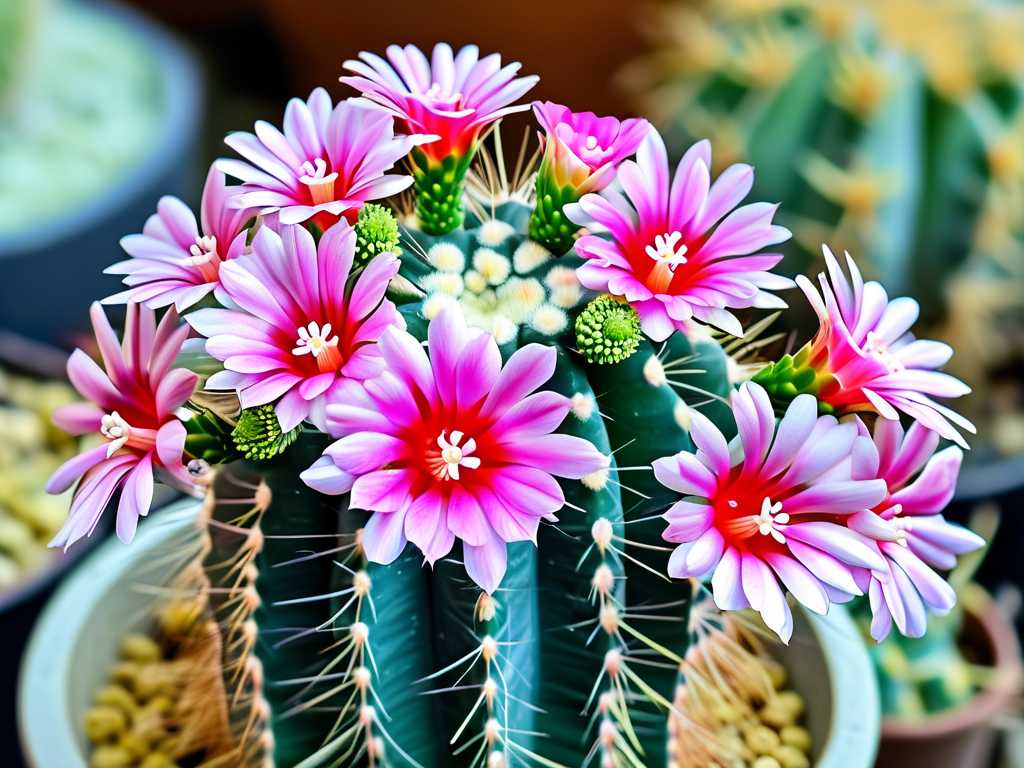
After months of tailored care, the reward came. My once-struggling plant not only plumped up beautifully but produced a stunning, delicate pink flower from its areoles. That moment validated every adjustment. Caring for a variegated moon cactus—a common name for grafted Gymnocalycium mihanovichii—or any variegated gymnocalycium, is a practice in attentive, gentle gardening. You become a steward for a uniquely fragile yet resilient life.
I’ve heard variegated cacti are grafted. Is mine? Not necessarily. While the bright red or orange “moon cacti” are always grafted (they lack chlorophyll entirely and cannot live on their own), many Gymnocalycium species have stable, natural variegation and grow on their own roots. Check the base of your plant. If there is a visible graft union (a horizontal line where a different, green cactus rootstock meets the colored top), it is grafted. If it’s a single, continuous plant from soil to crown, it’s a true, root-grown variegated species.
Can the variegation revert to all green? Yes, this is called “reversion.” If the plant is under low light stress, it may push out all-green growth because that tissue is more efficient at photosynthesis. If you see a solid green stem or pad forming, you can carefully remove it at the base with a sterile knife to encourage the plant to put energy back into the variegated growth.
Why is the white/yellow part of my cactus turning brown? This is almost always sunburn. The non-green tissues have no protection against intense UV rays. The damage is permanent but not usually fatal if the plant is moved to a less intense light situation immediately. Think of it as a plant tan line—a reminder to provide filtered, not direct, afternoon sun. Consistent, proper care for variegated gymnocalycium means preventing this in the first place through smart placement.
Patience is your greatest tool. These plants operate on their own slow, beautiful timeline. By providing bright but filtered light, watering with profound restraint in a gritty mix, feeding sparingly, and respecting their winter rest, you’re not just keeping a cactus alive. You’re creating the conditions for a stunning, slow-motion masterpiece to thrive under your care. The journey from near-loss to vibrant health has been one of my most rewarding experiences in plant keeping.