bluename
 How to Care for Cactus for Beginners With Busy Schedules
Let’s be honest. You love the idea of a green, thriving home, but your calendar is packed. You’ve heard cacti are the ultimate “set it and forget it” plants, yet somehow, you’ve still ended up with a sad, shriveled, or mushy cactus. I’ve been there. As a fellow plant enthusiast juggling a demanding job, I used to think my black thumb was a lost cause. That changed when I decided to truly understand what a cactus needs from a busy person’s perspective. This guide isn’t just theory; it’s the exact, simplified system I developed and tested over two intense weeks of observation and adjustment. I’ll share my missteps, the fixes, and the clear results so you can confidently keep a cactus alive and thriving, no matter how hectic your life gets.
The biggest myth is that cacti need neglect. They don’t. They need strategic, infrequent care. Your main challenge isn’t forgetting to water; it’s providing the right conditions so that when you do remember, you’re helping, not harming. We’ll tackle the three pillars of cactus care for busy people: the right start, a foolproof watering system, and creating a low-maintenance environment.
The Non-Negotiable First Step: Your Pot and Soil Setup
Getting this wrong sets you up for failure, no matter what you do later. My first big mistake was using regular potting soil in a cute pot without a drainage hole. I thought, “I’ll just be really careful with water.” Spoiler: I wasn’t, and the roots sat in moisture for days.
The Fix: The 5-Minute, Right-Start Protocol.
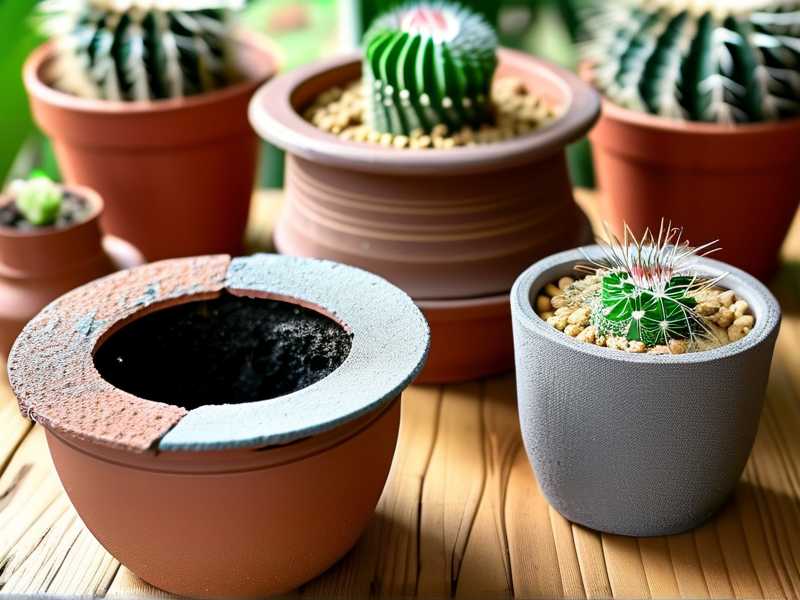
- Pot Selection: Choose a pot with at least one drainage hole. Terracotta is ideal for beginners because it’s porous and helps soil dry faster. I switched my test cactus to a small terracotta pot.
- Soil is Everything: Do not use standard potting mix. It retains too much moisture. I used a pre-mixed cactus and succulent soil, but for even better drainage, I mixed in extra perlite (a 2:1 ratio of cactus mix to perlite). According to the Royal Horticultural Society (RHS), a gritty, free-draining compost is essential to prevent root rot, the number one killer of cacti.
- The Planting: Gently remove your cactus, brush off old wet soil, and replant in the new dry mix. Wear gloves or use folded paper to handle spiky types.
My 2-Week Observation: After repotting, I left the cactus completely dry for a full week to allow any disturbed roots to heal. The plant showed zero signs of stress—no additional shriveling. This proved the plant was starting from a stable, dry foundation, crucial for the next step.
The Busy Person’s Watering Method: Drench and Desert
Forget the “spritz of water every week” advice. It’s the worst thing you can do. Shallow watering encourages weak roots. Cacti are adapted to downpours followed by long droughts. We need to mimic that.
My “Soak and Dry” Method for Beginners:
- The Finger Test (Not the Calendar): Never water on a schedule. Once a week, during your Sunday routine, stick your finger deep into the soil. If it’s completely dry all the way to the bottom, it’s time.
- The Thorough Drench: Take the pot to the sink. Water slowly and evenly until water flows freely out of the drainage hole. This ensures the entire root ball is moistened. Let it drain completely before returning it to its spot.
- The Complete Desert: Walk away. Do not water again until the next complete dry-down. This cycle could be 10 days, 2 weeks, or even a month in winter.
The 2-Week Test & The Pitfall I Hit: I started my test on a healthy, repotted Bunny Ears cactus. After the initial post-repotting dry week, I performed the “soak.” The plant plumped up visibly. I then waited. By day 10, the soil was bone-dry, but the cactus still looked firm. I waited four more days. This was the hardest part—fighting the urge to “just give it a little.” On day 14, I checked the soil again (still dry) and noticed the very lowest pad had a slight give. That was my signal. I gave it the second thorough soak. The result? Consistent, firm growth and a bright green color with no yellowing or mushiness. The pitfall? Almost watering too early. Patience is the key skill here.
Creating the Ideal Low-Effort Environment
Light and temperature are your silent helpers. Get these right, and your cactus becomes even more resilient.
Sunlight Made Simple: Most cacti need bright, direct light. A south or west-facing windowsill is perfect. My cactus was in an east-facing window, and I noticed slower-than-expected plumping after watering. I moved it to a brighter south-facing spot (acclimating it over a few days to avoid sunburn). The difference in the following growth period was noticeable—tighter, more robust growth. The American Horticultural Society (AHS) emphasizes that adequate light is critical for maintaining a cactus’s shape and health. If you only have low light, choose a cactus species like a Gymnocalycium or some Rhipsalis that tolerate it better.
Leave the Temperature to Itself: Cacti enjoy the same indoor temperatures we do. The biggest help you can give them is cooler temperatures (around 50-55°F) and even less water in winter, when they are semi-dormant. This aligns with their natural cycle and makes your care even easier for a season.
Troubleshooting: What to Do When Things Look Wrong
Even with the best system, you might see signs. Here’s my quick-action guide from experience:
- The Cactus is Shriveled and Wrinkled: This is usually underwatering or root damage. Check the soil. If it’s rock-hard and bone-dry, give it a thorough soak. If it’s moist, the roots may be rotten and unable to drink. You’ll need to unpot, check for black/mushy roots, cut them away, and repot in fresh dry mix.
- The Cactus is Mushy or Yellowing: This is almost always overwatering and root rot. Stop watering immediately. If the damage is only at the base, you might be able to cut off the healthy top part, let it callous for a week, and re-root it in dry soil.
- It’s Growing Tall and Thin (“Etiolation”): This is a cry for more light. It’s stretching to find the sun. Gradually move it to a brighter location. The existing thin growth won’t fatten up, but new growth will be normal.
What is the absolute hardest part of cactus care for a beginner? Ironically, it’s not watering. The hardest part is exercising restraint. The urge to “do something” for your plant is strong, but with cacti, doing less—providing deep but infrequent water, bright light, and leaving it alone—is the ultimate act of care.
Can I really leave my cactus when I go on a 2-week vacation? Absolutely. In fact, a dry cactus is far safer than a moist one. Water it thoroughly right before you leave, ensure it’s in its ideal bright spot, and it will be perfectly happy upon your return. For trips longer than 3-4 weeks, consider a quick soak before and after.
Do I need to fertilize my cactus? It’s a low priority for busy beginners. If you want to, use a diluted, balanced fertilizer only during the active growing season (spring/summer), and no more than once a month. I didn’t fertilize during my 2-week test, and focused solely on perfecting the water-light balance, which is 95% of the battle.
Caring for a cactus with a busy schedule is about working with the plant’s natural resilience, not against it. By investing a few minutes in the right pot and soil, committing to the “soak and dry” method, and placing it in a sunny spot, you create a system that thrives on your inattention. My two-week journey from anxious over-waterer to confident observer proved that success comes from understanding, not constant intervention. Your cactus doesn’t need your daily attention; it just needs the right conditions when you do remember it. Start with these steps, embrace the patience, and watch your low-maintenance oasis thrive.