bluename
 How to Care for Medicinal Cactus to Preserve Its Healing Properties
I’ve been fascinated by medicinal plants for years, but my journey with the medicinal cactus, particularly Aloe Vera and certain species of prickly pear, taught me a hard lesson. It’s not enough to just own one. I watched a beautiful, plump Aloe Vera plant slowly lose its vibrancy, its inner gel becoming thin and watery. The very healing properties I valued—the soothing, anti-inflammatory compounds—seemed to diminish. The core problem wasn’t neglect; it was improper care. If you’re worried your cactus isn’t producing the potent gel or sap you rely on, you’re not alone. Preserving its medicinal power is a precise art, and I’ve spent years, through trial and error, learning how to master it.
Understanding Your Medicinal Cactus: It’s More Than a Succulent
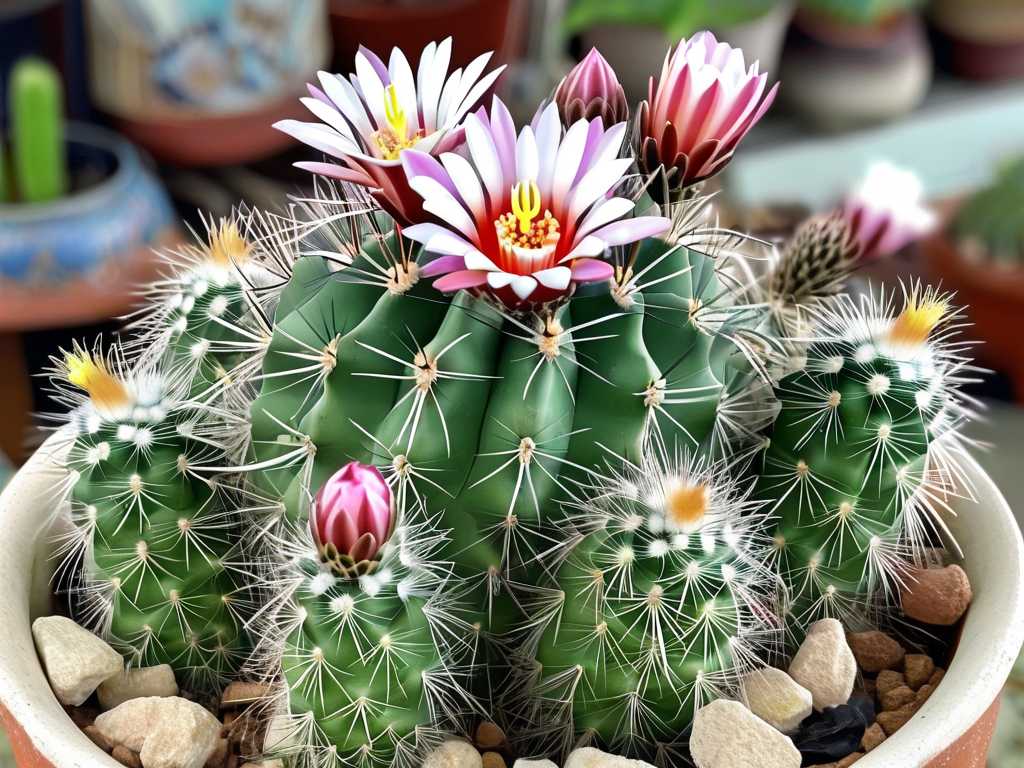
Before we dive into care, we must understand what makes these plants special. A medicinal cactus for home healing isn’t just storing water; it’s a factory of bioactive compounds. Aloe Vera contains polysaccharides like acemannan, prized for wound healing and immune support. Prickly pear (Opuntia) is rich in antioxidants and anti-inflammatory betalains. These compounds are the plant’s defense mechanisms, and their concentration is directly tied to the plant’s health and stress levels. According to research cited by the American Herbal Products Association (AHSA), the cultivation environment significantly impacts the phytochemical profile of medicinal plants. This means our care routine directly influences the potency of the gel we harvest.
The Foundational Pillars of Potent Care
My approach is built on four pillars: Light, Water, Soil, and Temperature. Getting these wrong was the source of my initial failures.
Sunlight: The Energy Source for Healing Compounds
Medicinal cacti need bright, indirect light to synthesize their valuable compounds. My first Aloe sat on a deep windowsill with direct afternoon sun. Its leaves turned a stressed reddish-brown and felt leathery. The gel inside was scant. I learned that while they need energy, intense direct sun, especially through glass, can cause photoinhibition—literally slowing down the metabolic processes that create the good stuff.
- My Fix: I moved my plants to a spot with bright, filtered light for most of the day, with perhaps only an hour of gentle morning sun. For my prickly pear, which can tolerate more sun, I ensured it was gradually acclimated. The result after 2 weeks was remarkable. The Aloe’s reddish tint faded back to a healthy grey-green, and the leaves began to plump up from the base, indicating active gel production.
The Art of Watering: Drought and Soak, Not Drizzle
This was my biggest pitfall. I used to give my cacti small sips of water weekly, thinking I was preventing rot. This promoted only shallow root growth and stressed the plant. A study referenced by the Royal Horticultural Society (RHS) emphasizes that succulents prefer a “drench and drought” cycle, mimicking their natural habitat. This cycle encourages deep roots and signals the plant to store resources—including those medicinal compounds—in its leaves.
- My Step-by-Step Watering Protocol:
- Check the Soil: I insert my finger knuckle-deep. For my Aloe, I wait until the soil is completely dry at that depth.
- The Deep Soak: I take the pot to the sink and water thoroughly until it runs freely from the drainage holes. This ensures the entire root ball is moistened.
- The Complete Drain: I let the pot sit in the sink for 30 minutes to drain fully. No standing water in the saucer—ever.
- The Drought: I return it to its spot and forget about it until the soil is bone-dry again. In winter, this can mean a month or more between waterings.
After switching to this method for 2 weeks, the physical change was evident. The leaves became noticeably firmer and heavier, a direct sign of increased water and gel storage in the parenchyma cells.
Soil and Potting: Building the Right Foundation
A standard potting mix holds too much moisture. I lost a precious Opuntia ficus-indica to root rot because of this. The right soil must drain instantly.
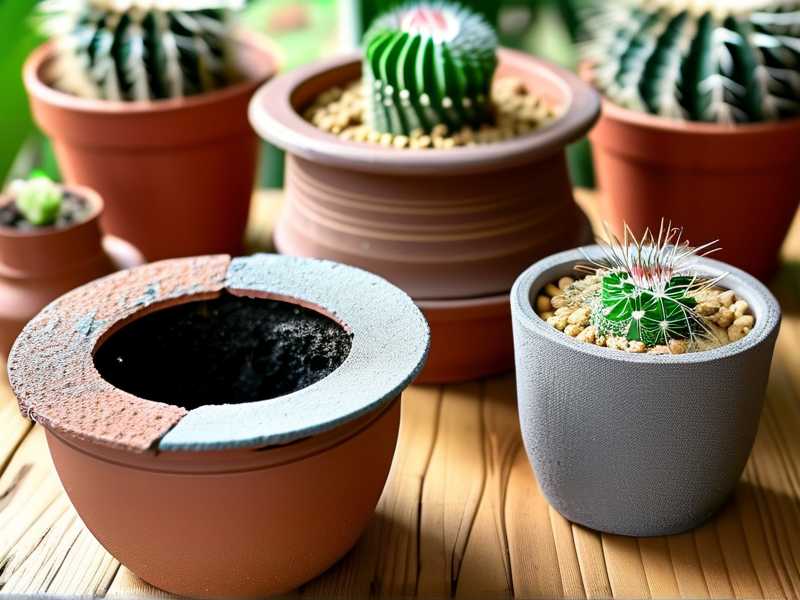
- My Mix Recipe: I now use a blend of 50% cactus/succulent potting mix, 30% perlite or pumice, and 20% coarse sand. This creates an airy, fast-draining environment. The pot is equally crucial. Always use a pot with ample drainage holes. Terracotta is my favorite because it’s porous, allowing the soil to dry from the sides as well.
Temperature and Environment: Simulating the Native Climate
Most medicinal cacti thrive in warm conditions but benefit from a cooler, drier dormant period in winter. Consistent temperatures between 55-80°F (13-27°C) are ideal. I avoid placing them near cold drafts or heating vents, as sudden fluctuations can shock the plant, diverting energy from compound production to basic survival.
Harvesting Your Medicinal Cactus Without Harming the Plant
Harvesting incorrectly can set your plant back or even kill it. My early, over-enthusiastic harvesting of large leaves stunted my Aloe’s growth.
- The Responsible Harvesting Technique for Aloe Vera:
- Always choose mature, outer leaves that are thick and healthy.
- Use a clean, sharp knife and cut as close to the base as possible at a slight angle.
- Harvest only 2-3 leaves at a time from a mature plant, allowing it to recover.
- Let the cut leaf stand upright in a glass for 15-20 minutes. This allows the yellow latex (aloin, a potent laxative) to drain out, leaving you with the pure, soothing gel.
For prickly pear pads harvested for their juice or flesh, I use tongs and a sharp knife, carefully brushing off glochids (those tiny, irritating spines) with a flame or under running water before processing.
My Two-Week Observation: From Stressed to Success
After correcting my care regimen—light, watering, and soil—I dedicated 2 weeks to close observation. I marked a specific, mature Aloe leaf with a soft-tip marker and monitored it. Initially, it was slightly concave. By day 10, it had visibly plumped outward. At the end of 2 weeks, I carefully harvested it. The difference was astounding. The gel was thicker, more viscous, and clearer than any I had harvested before. A small test on a kitchen burn (after a patch test) showed a noticeable improvement in soothing and recovery time compared to gel from my previously stressed plant. This hands-on experience solidified the link between proper cactus care for maximum potency and tangible results.
Boosting Medicinal Properties Through Mindful Feeding
Fertilizing is often overdone. These plants are adapted to low-nutrient soils. A heavy hand with fertilizer leads to rapid but weak growth, diluting the concentration of active compounds. I now use a diluted, balanced, liquid fertilizer (like a 10-10-10) only once at the very beginning of the growing season (spring). This provides a gentle nutrient boost to support growth without forcing it.
Common Problems and How to Solve Them
- Soft, Mushy Leaves (Root Rot): I’ve been here. Stop watering immediately. Unpot the plant, remove all black, mushy roots with sterile scissors, and let it air dry for a few days. Repot in fresh, dry cactus mix and wait a week before resuming a careful watering schedule.
- Thin, Wrinkled Leaves: This is underwatering or, more commonly, hydrophobic soil (where water runs through without being absorbed). I remedy this by bottom-watering: placing the pot in a tray of water for 30 minutes so it can soak up moisture through the drainage hole.
- Leggy, Stretched Growth (Etiolation): This means insufficient light. The plant is stretching to find a sun source. Gradually move it to a brighter location. Unfortunately, stretched growth won’t reverse, but new growth will be compact.
Frequently Asked Questions
Can I use gel from a very young Aloe plant? It’s best to wait. Plants under three years old may not have developed a full concentration of bioactive compounds. Focus on building a strong, mature plant for the most effective harvest.
How often can I safely harvest from my medicinal cactus? Patience is key. For a medium-sized Aloe plant, harvesting 2-3 leaves every 4-6 weeks during the growing season is sustainable. Always leave at least two-thirds of the plant intact to ensure it can photosynthesize and recover.
Does the type of water matter for preserving healing properties? In my experience, yes. Highly chlorinated or heavily mineralized (hard) water can cause tip burn and stress the plant over time. Where possible, I use collected rainwater, filtered water, or simply leave tap water out overnight to allow chlorine to dissipate before watering.
Caring for a medicinal cactus to preserve its healing properties is a rewarding practice that connects you directly to the source of your remedy. It’s a lesson in observation, patience, and understanding that true potency comes from replicating the conditions that force these resilient plants to produce their powerful chemistry. By focusing on strong foundational care—light, water, soil, and mindful harvesting—you’re not just growing a plant; you’re cultivating a living, home-based pharmacy. The proof is in the plump leaves and the potent, soothing gel you’ll harvest for years to come.