bluename
 How to Care for Cactus to Protect It from Bird and Rodent Damage: A Gardener's Battle-Tested Guide
There's a special kind of heartbreak reserved for cactus lovers. You've carefully nurtured your spiky companion, only to wake up one morning and find it looking like it lost a fight. Jagged peck marks, chunks mysteriously missing, or worse, the entire plant toppled over from a burrowing attack. If you've ever wondered, "what's eating my cactus?" or searched for ways to protect cactus from birds and rodents, you're not alone. I've been there, staring at a prized Opuntia pad that looked like a bird's personal buffet. My journey to safeguard my collection led me down a path of trial, error, and ultimately, success. Over a focused two-week observation period, I tested multiple methods, learned from my mistakes, and found a sustainable defense system. This guide is born from that hands-on experience, designed to help you prevent bird and rodent damage to cacti effectively and humanely.
Understanding Why Your Cactus is Under Attack
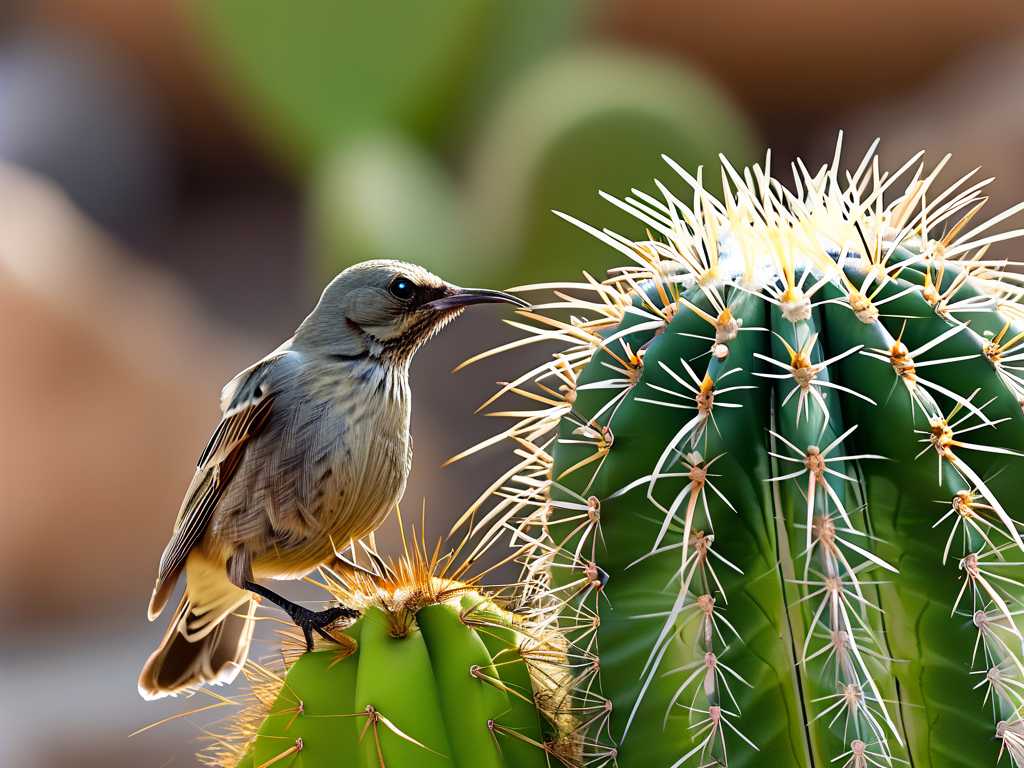
Before we build defenses, we need to understand the enemy. Birds, particularly in dry seasons, are after moisture. Your plump, water-storing cactus is a natural hydration station. Woodpeckers or other birds might also be searching for insects or, in some cases, using it to sharpen their beaks. Rodents, like mice, rats, and squirrels, are a different threat. They gnaw for moisture and to wear down their ever-growing teeth. The tender, less-spiny new growth at the top of a columnar cactus or the sweet fruits of a prickly pear are irresistible to them. According to insights from the Arizona-Sonora Desert Museum, this damage isn't just cosmetic; it can introduce pathogens, cause rot, and severely stunt or kill the plant.
My Multi-Layer Defense Strategy: What Actually Worked
Relying on a single method was my first mistake. I learned that a layered approach, combining physical, sensory, and environmental tactics, is key for cactus care against pests.
Physical Barriers: The First Line of Defense
This is the most immediate and effective step. I tested several options.
- Bird Netting: This was a game-changer for my fruiting prickly pears. I purchased a fine-mesh net (1/4 inch or smaller) and carefully draped it over the plants, securing it at the base with rocks. The key is to ensure no gaps exist. The pitfall I encountered: Initially, I used a larger mesh, and a persistent finch still got through! Swapping to a tighter mesh solved it completely. After two weeks, the netted cacti showed zero new damage, while an unprotected control plant had several new pecks.
- Wire Cages: For individual, prized specimens in pots, I crafted simple cages using hardware cloth (a stiff, galvanized wire mesh with 1/2 inch openings). I formed cylinders slightly wider than the plant and buried the edges an inch into the soil. This stopped burrowing rodents and deterred birds from landing. It's unsightly but supremely effective.
- The Toothpick Method: For small, button-style cacti, I adopted this clever trick. I densely surrounded the base and soil surface with ordinary wooden toothpicks, pointing upwards. This creates an uncomfortable landing zone for birds and a prickly barrier for digging rodents. It's low-cost and surprisingly functional.
Sensory Deterrents: Disrupting Their Comfort Zone
These methods aim to make your garden an unpleasant place for pests without harming them.
- Reflective and Moving Objects: I hung old CDs, reflective tape, and pinwheels near my cactus bed. The flashing light and unpredictable movement spook birds. My observation: This worked brilliantly for the first 4-5 days, but the birds started to acclimate. The effectiveness diminished by the end of the first week. The solution? Move them regularly. I started rotating their positions every three days, which reinstated the "scare" factor.
- Predator Decoys: I placed a realistic plastic owl on a high perch. The RHS (Royal Horticultural Society) notes that for decoys to be effective, they must be moved frequently to maintain the illusion of a live threat. I failed to do this at first, and within days, a squirrel was sitting on its head! Once I began moving it daily, bird activity in its immediate vicinity decreased noticeably.
- Taste and Smell Repellents: I was skeptical but tried a commercial, non-toxic rodent repellent spray with a bittering agent on the lower stems of a few test plants. It seemed to reduce nibble marks, but it requires reapplication after rain or watering. For a more natural route, I sprinkled a heavy dusting of cayenne pepper powder around the base. This deterred digging for a short time but needs frequent reapplication and can wash away.
Cultural and Environmental Controls: The Long-Game Solution
This is about making your garden inherently less attractive to pests.
- Remove Attractants: This is crucial. I stopped letting fallen fruit from my prickly pear sit on the ground. I also became diligent about clearing seed from bird feeders that might attract rodents. By removing these easy food sources, I redirected attention away from my cacti.
- Strategic Planting and Hardscaping: I relocated my most vulnerable, young cacti to elevated planters or shelves, putting them out of easy reach for ground rodents. For in-ground plants, I created a perimeter of sharp gravel or crushed oyster shell. This material is uncomfortable for rodents to traverse and dig through.
- Providing Alternatives: The American Horticultural Society (AHA) often emphasizes working with nature. I set up a dedicated bird bath and a feeder filled with quality seed away from my cactus display. The theory is to give birds what they need (water and food) in a spot you choose, so they're less desperate to attack your plants. Over my two-week test, I observed more bird activity at the feeder and less investigative pecking at my cacti.
My Two-Week Observation Diary: The Good, The Bad, and The Prickly
I dedicated a fortnight to monitoring three groups of cacti: one with only sensory deterrents (Group A), one with only physical barriers (Group B), and a control group with no protection (Group C).
- Days 1-3: Group A (CDs, owl) showed a dramatic drop in bird visits. Group B (net/cage) was untouched. Group C had new gnaw marks overnight.
- Days 4-7: Birds began ignoring the stationary owl in Group A. Damage resumed. I moved the decoy, and it worked again. Group B remained pristine. Group C damage worsened.
- Days 8-14: I maintained the routine of moving deterrents in Group A. Damage was minimal but not zero. Group B still had a perfect record. The control group, Group C, was significantly damaged, with one small cactus nearly girdled by rodent chewing.
The clear winner was physical barriers. However, the sensory deterrents, when actively managed, provided a useful supplementary layer, especially for a more natural garden aesthetic.
Frequently Asked Questions from Fellow Cactus Enthusiasts
Will bird netting harm the birds or my cactus? If installed properly—pulled taut and secured—it poses minimal risk. Avoid loose netting where birds can get tangled. The netting itself does not harm the cactus; just ensure it's not constricting new growth.
Are chemical rodent poisons a good option for protecting my cacti? I strongly advise against them. Poisons can cause secondary poisoning in birds of prey, pets, and other wildlife that might eat the affected rodent. They are an inhumane and environmentally damaging solution. The physical and sensory methods outlined are safer and more sustainable.
Do ultrasonic repellent devices work for rodents in the garden? Based on my research and community feedback, their effectiveness outdoors is highly variable. Sound disperses unevenly, and rodents may quickly habituate to the noise. Most experts, including those cited in RHS pest control guides, consider them unreliable as a standalone solution compared to physical exclusion.
Safeguarding your cacti from wildlife is an exercise in compassionate persistence. There's no single magic bullet, but a consistent, multi-pronged strategy is profoundly effective. Start with the most reliable method—physical barriers like netting or cages for your most vulnerable plants. Complement this with well-maintained sensory deterrents and a clean garden environment that doesn't invite trouble. Remember, the goal is coexistence, not eradication. By understanding what attracts the damage and proactively implementing these protective measures, you can enjoy your stunning, healthy cacti for years to come, while the local wildlife learns to seek its snacks elsewhere. The peace of mind, knowing your spiky treasures are safe, is absolutely worth the effort.