bluename
 How to Care for Cactus in Green Roof Gardening Systems: A Practical Guide from a Fellow Plant Lover
I’ll be honest. When I first decided to integrate cacti into my green roof gardening system, I was met with a wave of skepticism. “Aren’t they too delicate?” “Won’t they rot?” “How can desert plants survive up there?” If you’re reading this, you’ve likely hit the same wall. The dream of a low-maintenance, visually striking, and sustainable rooftop garden clashes with the perceived high-maintenance needs of succulents like cacti. I’m here to tell you it’s not only possible but incredibly rewarding. Through trial, error, and a two-week intensive observation period, I cracked the code on how to care for cactus in green roof gardening systems. This guide is my firsthand account, sharing every step, every mistake, and the simple solutions that led to a thriving, resilient rooftop cactus garden.
Understanding the Unique Rooftop Environment
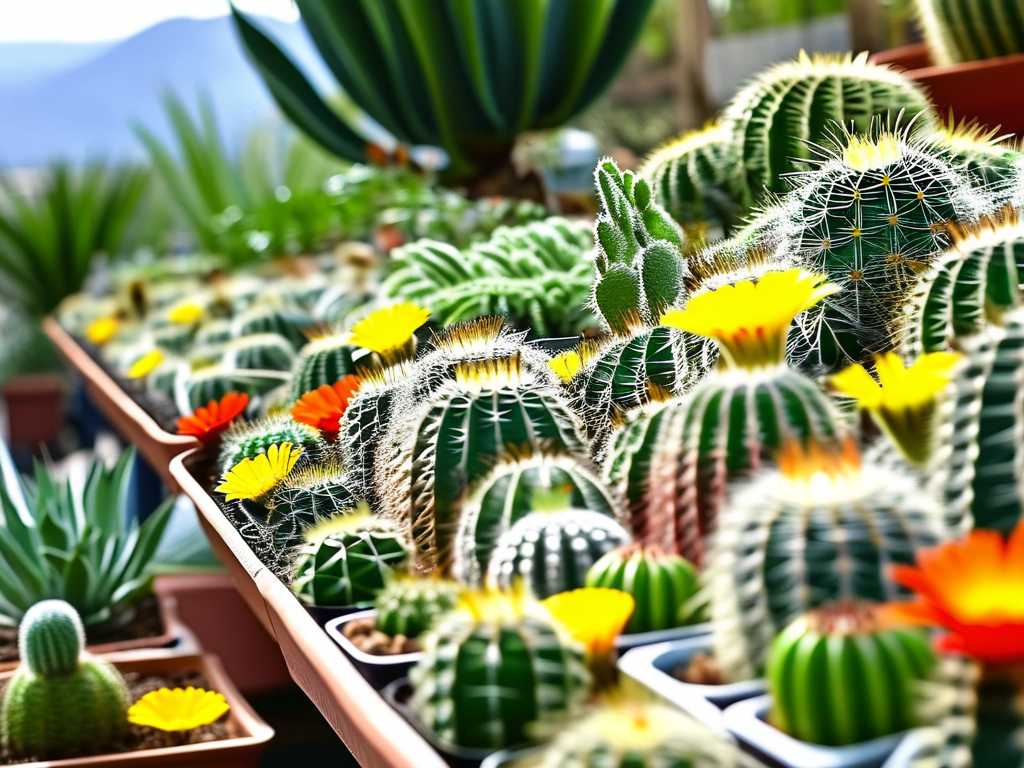
A green roof is a world apart from your backyard garden. It’s a harsh, exposed microclimate. Understanding this is the first step to success.
The Double-Edged Sword: Sun and Wind My rooftop gets blasted with full sun for over 10 hours a day. While cacti adore sunlight, the intensity on a roof, coupled with reflective heat from surfaces, can cause sunscald. During my initial setup, I learned this the hard way with a young Barrel Cactus. Its skin turned a pale, yellowish-white. The fix was surprisingly simple: I used a temporary shade cloth for the first week to allow for acclimatization. According to guidelines from the Royal Horticultural Society (RHS), even sun-loving plants often require a period of adjustment to prevent shock when moved to significantly brighter conditions.
The Drainage Imperative This is non-negotiable. Poor drainage is the fastest way to kill a cactus. A green roof system already has drainage layers, but the planting medium is critical. I used a specialized succulent and cactus mix, but I further amended it with extra perlite and coarse sand (about a 1:1:1 ratio of soil:perlite:grit). The goal is a mix that drains almost instantly.
The Weight and Depth Consideration Extensive green roofs have shallow soil depths. This is perfect for many hardy succulents like Sedum, but larger cacti need more root space. I opted for a semi-intensive system for part of my roof, allowing for deeper planting beds. For truly extensive setups, focus on smaller, shallow-rooted cactus species like certain Mammillaria or Rebutia.
My Step-by-Step Cactus Green Roof Installation
Here’s the exact process I followed, which you can adapt to your project.
1. Planning and Plant Selection I didn’t just buy every cute cactus I saw. Research is key. I chose species known for cold-hardiness and tolerance to temperature fluctuations, as nights on the roof can be chilly. My final selection included Opuntia humifusa (Eastern Prickly Pear), known for its exceptional hardiness, Echinocereus species for their stunning flowers, and a few Agave parryi, which, while not a true cactus, share similar care needs and add architectural form. The American Horticultural Society (AHA) emphasizes the importance of right-plant, right-place principles, which is tenfold more critical on a rooftop.
2. Preparing the Planting Medium and Bed As mentioned, I created a super-draining mix. I laid it over the roof’s existing filter and drainage layers to a depth of about 8-12 inches for most areas. I mounded it slightly higher where I planned to place larger specimens. Before planting, I thoroughly moistened the mix. It sounds counterintuitive, but planting into slightly damp medium helps settle roots without the need for heavy watering afterward.
3. The Planting Process I handled every cactus with thick leather gloves and folded newspaper. Carefully tipping them out of their nursery pots, I gently teased out any circling roots. I planted them at the same depth they were in their pots, firming the gritty mix around them for support. I left ample space between plants for air circulation and future growth.
4. The Initial Watering Strategy Here was my first major “aha!” moment. Conventional wisdom says to wait before watering newly planted cacti. On a windy, sun-drenched roof, however, the transplant stress is compounded by extreme desiccation. I gave each plant a modest, targeted drink at the base immediately after planting to help settle the roots and provide initial moisture. Then, I began my observation period.
The Crucial Two-Week Observation and Adjustment Period
I committed to checking my rooftop garden twice daily for two weeks. This wasn’t just a glance; it was a full inspection.
Week 1: Monitoring for Shock The first three days were nerve-wracking. Some plants looked a bit wilted or dull—a normal sign of transplant shock. I resisted the urge to overwater. Instead, I focused on physical stability, ensuring none were rocking in the wind. I also watched for signs of severe sun stress. My temporary shade cloth proved invaluable for the most sensitive-looking individuals.
The “Squeeze Test” for Moisture I developed a simple tactile test. I would gently squeeze a small bit of the planting mix from 2-3 inches down near a plant’s base. If it felt cool and held any form, I waited. If it was bone-dry and dusty, I would give that specific plant a small, deep watering at dawn. This spot-watering approach prevented blanket watering that could drown more tolerant plants.
Week 2: Signs of Establishment By the second week, the magic happened. The Opuntia pads began to plump up and regain a vibrant green hue. Tiny new spines were emerging on the Mammillarias. This was the sign they were rooting in. I gradually removed the shade cloth. I also noticed one Ferocactus was still looking shriveled despite my spot-watering. Upon investigation, I found the gritty mix had washed away slightly from its base, exposing a root. I remedied this by building a small, well-draining gravel mound around its stem.
Long-Term Care and Maintenance
Once established, rooftop cacti are remarkably self-sufficient, but they’re not “no-maintenance.”
The Seasonal Watering Rhythm Forget a fixed schedule. My routine is entirely season-driven. In the hot, dry growing season (late spring to early fall), I perform a deep, thorough watering only when the forecast promises several days of sun and heat. I water at dawn to minimize evaporation and prevent nighttime moisture on the plants. In fall and spring, watering is rare. In winter, I provide absolutely no water. Their natural dormancy and the risk of freeze-thaw damage make dry conditions essential.
Feeding: Less is More I apply a low-nitrogen, high-potassium fertilizer only once per year, in early spring, to support flowering and hardiness. Overfeeding leads to weak, sappy growth that is prone to pests and frost damage.
Winter Protection Strategies Cold, wet conditions are the enemy. My primary winter protection is perfect drainage. For particularly valuable or tender specimens, I use a pane of glass or clear acrylic leaned over the plant to create a cold frame effect, shielding it from rain and snow while letting in light. Never use non-breathable fabric or plastic that touches the plant, as it can promote rot.
Common Pitfalls and My Solutions
- Pitfall: The “Helicopter Gardener” Syndrome: Constantly fussing and overwatering. Solution: Trust the plants. Learn to read the signs of thirst (subtle wrinkling, less firm flesh) versus dormancy.
- Pitfall: Ignoring the Microclimates: My roof has a slightly sheltered corner and a windy pinnacle. Solution: Group plants with similar needs. More moisture-tolerant Opuntia can go in slightly less draining spots, while fragile Astrophytum get the sunniest, best-draining mounds.
- Pitfall: Forgetting About Debris: Leaves from nearby trees can pile up and trap moisture. Solution: A quick, gentle sweep with a soft brush during fall keeps the cactus bases clean and dry.
Frequently Asked Questions
Can any cactus survive on a green roof? No, selection is paramount. Start with cold-hardy, resilient genera known for adaptability, like Opuntia, Echinocereus, Escobaria, and Mammillaria. Always check your USDA hardiness zone and the plant’s rating.
Do I need to water my rooftop cacti in the summer? Yes, but infrequently and deeply. The interval could be anywhere from 2 to 6 weeks, depending on your climate, roof exposure, and soil depth. Always perform the “squeeze test” before reaching for the hose.
What is the biggest threat to cactus in a green roof system? Winter wetness, not cold, is often the killer. A cactus that can handle -10°C in dry, frozen conditions may rot at 0°C if its roots are sitting in damp soil. Ensuring impeccable drainage is the single most important factor for long-term survival.
Integrating cacti into a green roof system is a lesson in observation and restraint. It challenges the typical gardening urge to intervene. By choosing the right plants, engineering a brutally fast-draining environment, and learning to read your plants’ subtle language, you can create a stunning, sustainable, and surprisingly low-maintenance rooftop oasis. The sight of a prickly pear in bloom against the urban skyline, thriving on neglect and sheer grit, is a reward unlike any other in gardening. Start small, observe closely, and let these resilient desert beauties show you just how tough they can be.