bluename
 How to Care for Cactus with Stunted Growth Issues: A 2-Week Rescue Plan from a Fellow Plant Lover
I’ve been there. You bring home a cactus, full of hope, only to watch it stubbornly refuse to grow for months, even years. It’s not dying, but it’s not thriving either. It’s just… stuck. This stunted growth in cacti is a common frustration, and it’s exactly what I faced with my beloved Echinopsis that seemed frozen in time. Over two weeks of focused intervention, I learned that how to care for cactus with stunted growth issues isn’t about one magic trick, but a systematic diagnosis and correction of its environment. Let me walk you through the exact steps I took, the mistakes I made, and the remarkable turnaround I witnessed.
Understanding Why Your Cactus Has Stopped Growing
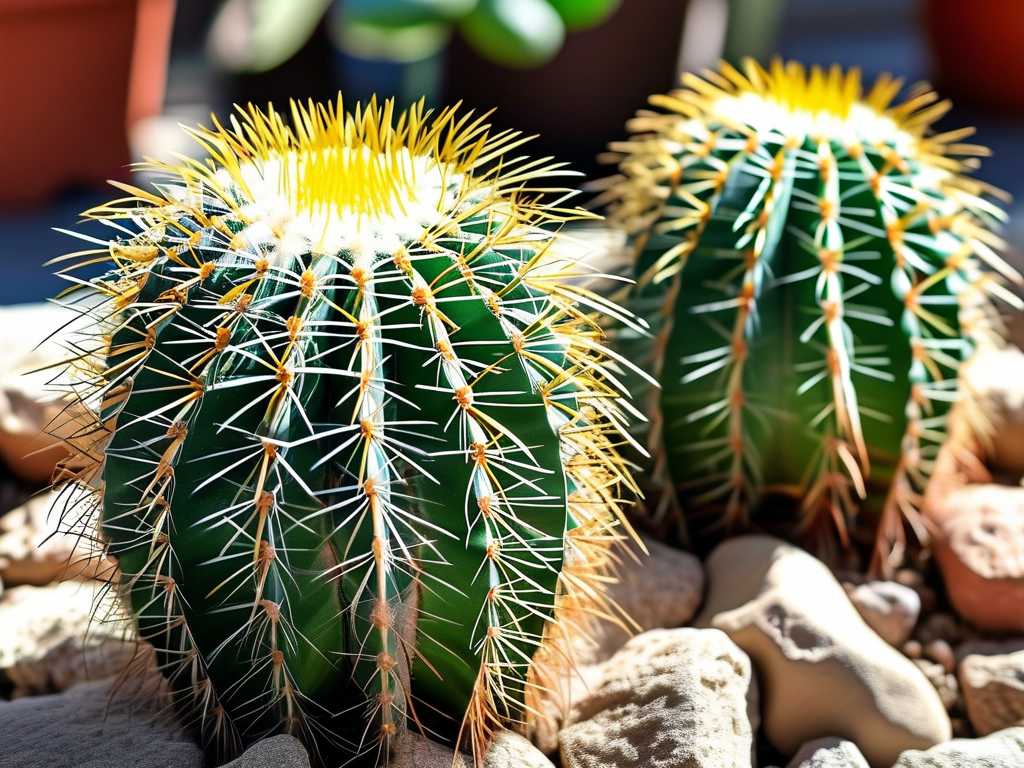
Stunted growth is a symptom, not a disease. It’s your cactus’s way of saying its basic needs aren’t being met. Before any action, observation is key. The Royal Horticultural Society (RHS) notes that poor growth in succulents is most often linked to inadequate light, improper watering, or insufficient root space. My cactus sat in a north-facing window, looked pale, and its soil stayed damp for too long. I realized I was likely dealing with a combination of factors: low light causing weak photosynthesis, and dense soil discouraging new root development.
My 2-Week Rescue Protocol: Step-by-Step
I committed to a 14-day plan, knowing some changes would show effects quickly, while others would need more time.
Week 1: The Diagnostic and Immediate Action Phase
Day 1-2: The Root of the Problem My first step was a thorough root inspection. Gently tipping the pot, I slid the cactus out. The sight confirmed my fears: the roots were cramped, circling the bottom, and the potting mix was a dense, peat-heavy mass that held moisture like a sponge. Healthy cactus roots need air and fast drainage. Using a clean, soft brush, I carefully removed the old soil. I trimmed away any dry or mushy roots with sterilized scissors—there were a few—and let the plant air-dry on a paper towel for 48 hours. This crucial callusing period prevents rot when repotted.
- The Mistake I Almost Made: I was tempted to water it immediately after reporting to “help it settle.” This is a major pitfall. Watering a plant with fresh root micro-wounds invites infection. Patience is non-negotiable.
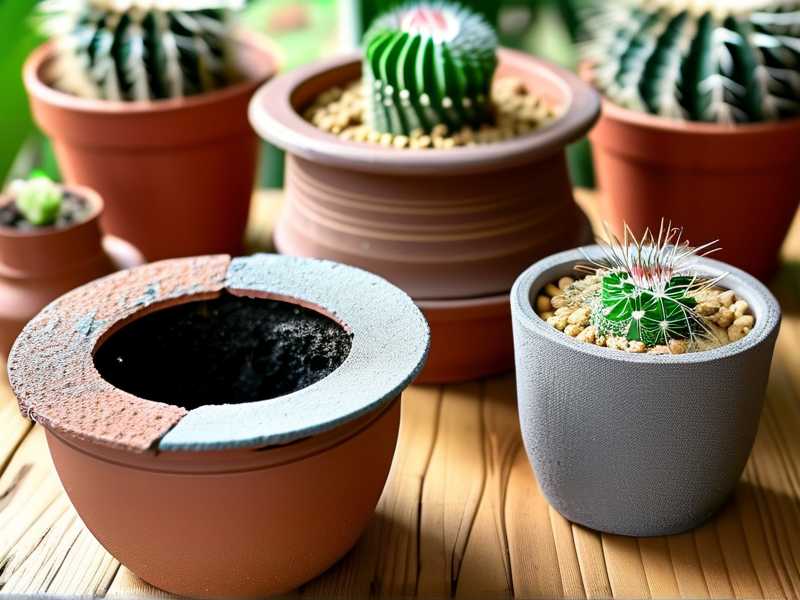
Day 3: The Perfect Fresh Start – Repotting For the new soil, I bypassed standard potting mix. I created a gritty, well-draining blend recommended by many cactus experts: 50% commercial cactus soil, 30% perlite, and 20% coarse sand. This mix ensures water flows through instantly, mimicking the cactus’s natural arid habitat. I chose a pot only about 1-2 inches wider in diameter than the root ball, with a mandatory drainage hole. Terracotta was my choice for its breathability. After potting, I placed it in a bright, but indirect light spot to avoid sunburn while stressed.
Day 4-7: Light Therapy and Patience Light is the engine of growth. The American Horticultural Society (AHS) emphasizes that most cacti require several hours of direct sun daily for robust growth. My north window was a death sentence for growth. I moved the cactus to a south-east facing windowsill where it would get bright, direct morning sun for about 4-5 hours. I monitored for any signs of scorching (yellowing or bleaching). This was a change in cactus care for stunted growth that required gradual adjustment.
Week 2: Monitoring, Adjustment, and First Signs of Life
Day 8-10: The First Careful Watering After a full week of drying and acclimating, I gave the plant its first deep watering. I used the “soak and dry” method: placing the pot in a sink and watering thoroughly until it ran freely from the bottom, ensuring the entire root ball was moistened. Then, I let it drain completely. The difference was immediate—the new soil mix dried out in just 3 days, compared to the old mix’s 10+ days.
Day 11-14: Observation and Subtle Shifts This was the waiting game. I resisted the urge to fuss. My routine was simple: check the soil dryness with a finger, provide maximum light, and observe. Around Day 12, I noticed the first change. The cactus’s color, which was pale and dull, began to deepen to a healthier, richer green. This is a classic sign of improved chlorophyll production. Furthermore, the very top of the cactus, the growth point (areole), looked plump and slightly more prominent. No new spines yet, but the plant just felt firmer, more turgid, and engaged. This was the initial payoff for addressing stunted cactus growth solutions.
Key Growth Factors I Learned to Master
Watering: The Delicate Balance Underwatering causes shrinkage, but overwatering is the silent killer that leads to root rot and halted growth. I now water only when the soil is completely dry all the way through. In my brighter, warmer spot, this meant watering every 10-14 days, a rhythm my cactus clearly preferred.
Light: The Non-Negotiable Fuel Stunted growth from low light is a slow starvation. If a south-facing window isn’t available, a strong grow light is a worthy investment. I learned that etiolation (stretching) is a sign of desperate search for light, but simple stunting is its quieter cousin.
Nutrition: Less is More During my two-week trial, I used no fertilizer. A recovering plant doesn’t need the stress of salts. For long-term care, I plan to use a diluted, low-nitrogen cactus fertilizer only during the active summer growing season, and never in winter. As one expert put it, “Feed the soil, not the plant.” A good potting mix does most of the work.
Common Pitfalls and How I Avoided Them
- Wrong Pot Size: Too large a pot holds excess moisture around the small root ball, leading to rot. Always size up incrementally.
- Inconsistent Care: Cacti appreciate routine. Wild swings between drought and flood cause stress. Find a rhythm based on your environment and stick to it.
- Ignoring Dormancy: Cacti often slow or stop growth in winter (low light, cool temps). Trying to force growth then by watering or feeding can backfire. I learned to respect its natural cycle.
Frequently Asked Questions
Can a stunted cactus ever grow normally again? Absolutely. Once the limiting factors are removed—be it light, water, or space—the cactus will resume growth from its apex. My Echinopsis showed visible improvement in tissue quality within two weeks, a precursor to new growth. Full recovery and visible new segments or pads may take a full growing season.
How often should I water a cactus that isn’t growing? Even less than a growing one. If your cactus is dormant (due to season or stress), its water needs plummet. Always let the soil be your guide, not the calendar. In my case, the improved soil made “when to water” incredibly obvious.
Is fertilizer the solution to kickstart a stunted cactus? No, and this is critical. Fertilizer is not medicine. Applying it to a stressed, stunted cactus in poor conditions is like giving an energy drink to someone suffering from lack of sleep and poor diet—it adds more stress. First fix the core issues of light, soil, and water. Fertilize only when the plant is clearly healthy and actively growing.
Watching a cactus break free from its growth plateau is deeply rewarding. It taught me that these resilient plants aren’t just surviving our care; they respond precisely to it. The journey from stunted to steadily growing hinges on mimicking their native, harsh, bright, and well-drained world as closely as possible. Start with the roots and the light, exercise restraint with water and food, and give it time. Your patience will be rewarded with a plant that doesn’t just sit in its pot, but actively lives in it.