bluename
 How to Care for Cactus in Edible Garden Combinations: A Practical Guide from a Fellow Gardener
I used to think my edible garden and my cactus collection had to live in completely separate worlds. One was for tender herbs and juicy tomatoes, demanding constant water and rich soil. The other was a spiky, stoic display that thrived on my benign neglect. The idea of combining them seemed like a recipe for disaster—either drowning my precious cacti or starving my vegetables. But the aesthetic appeal of blending sculptural, drought-tolerant cacti with the soft, flowing textures of herbs and greens was too compelling to ignore. So, I decided to experiment. If you’ve ever wondered how to care for cactus in edible garden combinations without killing either, you’re in the right place. I’ve been through the trial and error, and I’m here to share a practical, step-by-step guide based on my hands-on experience.
My Two-Week Experiment: Observing the Balance
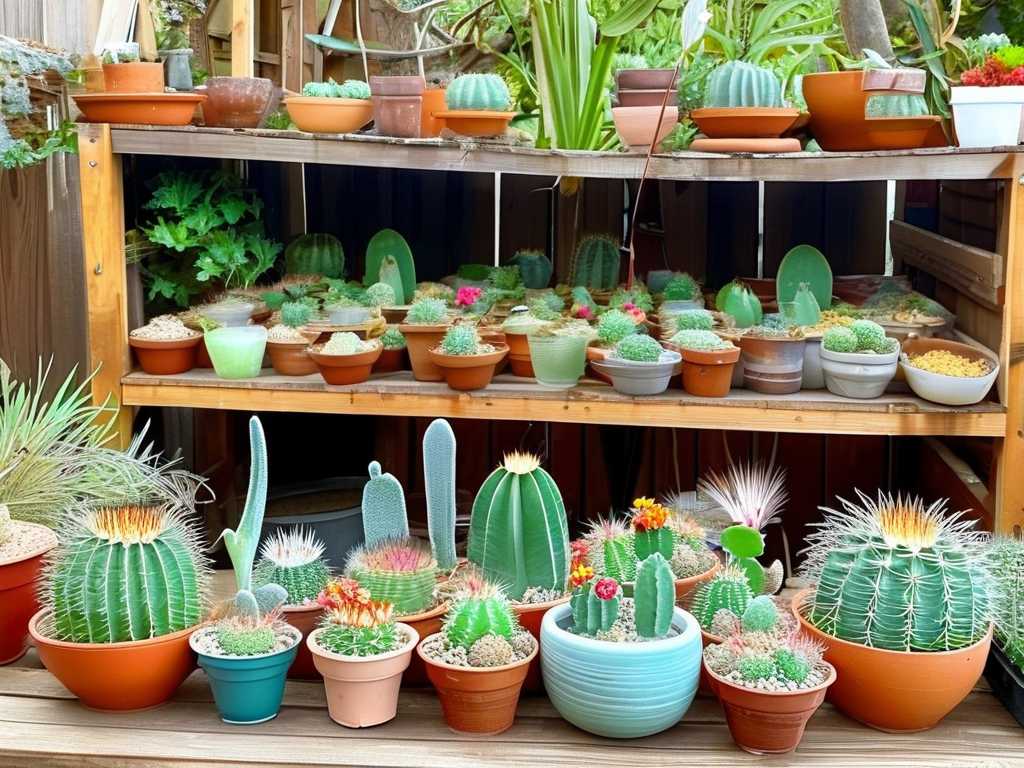
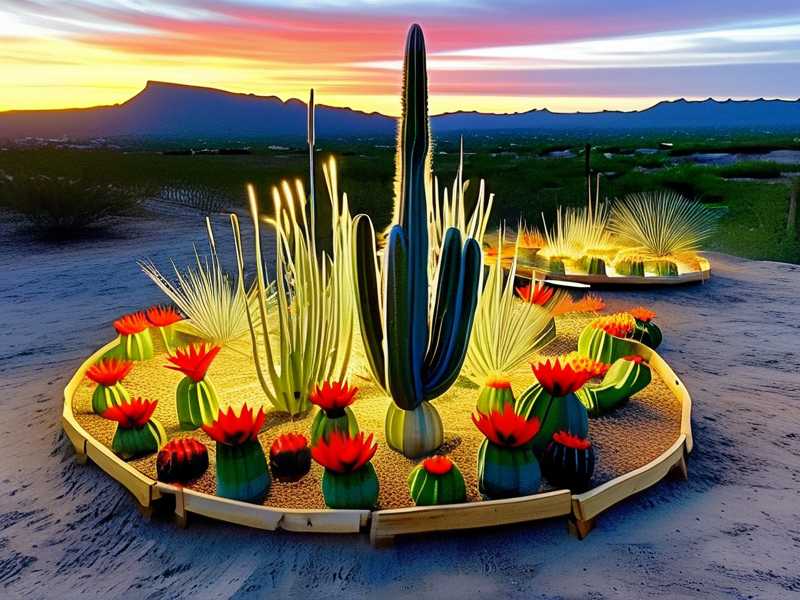
I dedicated a raised bed in a full-sun location for this project. My goal was to create a visually striking and functional combo. I selected a few young, cold-hardy Opuntia (Prickly Pear) and a cluster of Echinocereus for their manageable size and edible potential. For the edible companions, I chose drought-tolerant herbs like rosemary, thyme, and oregano, along with some purple sage and a few silvery artichoke seedlings. The key was pairing plants with similar fundamental needs: maximum sun and excellent drainage.
The first week was all about establishment. I planted everything in a custom soil mix: roughly 50% native soil, 30% coarse sand, and 20% compost. The compost provided a gentle nutrient boost for the herbs, while the sand ensured the mix wouldn’t hold excess moisture around the cactus roots. I gave the entire bed a thorough but careful initial watering to settle the roots.
Then, I began my cactus watering schedule for mixed plantings. This is where most failures happen. For the next two weeks, I watered only the immediate root zones of the herb plants, using a narrow-spout watering can to avoid splashing the cactus bases. I used a simple moisture meter to check the soil an inch deep near the cacti; it consistently read “dry,” while the soil around the herbs would be slightly moist. I observed zero signs of distress in the cacti—no yellowing or softening. The herbs, after an initial slight wilt on day two, perked up and began establishing new growth. By the end of the observation period, a clear pattern emerged: the herbs acted as a living mulch, shading the soil surface and reducing evaporation, while the cacti provided structure. The system started to show a harmonious balance.
The Foundational Pillar: Mastering Soil and Drainage
You cannot overstate this. Standard garden soil or potting mix will kill your cacti in a combined setting. Their roots are supremely adapted to dry out completely and quickly. According to the Royal Horticultural Society (RHS), the single most critical factor for cactus health is avoiding waterlogged conditions, which lead to rapid root rot.
My soil mix recipe evolved into this reliable formula:
- Base: A good-quality, well-draining garden soil (40%).
- Drainage Agents: Coarse horticultural sand or poultry grit (30%). This is non-negotiable. It creates permanent air pockets.
- Aeration & Structure: Perlite or small pumice (20%).
- Nutrient: Well-rotted compost or a cactus-specific potting mix (10%). This provides a slow-release nutrient base for the edible plants without being too rich.
I also always plant my cacti slightly “high,” meaning the root ball sits a centimeter above the surrounding soil level. This prevents water from pooling at their stem. For potted combinations, ensure the container has multiple large drainage holes. I learned this the hard way when a beautiful pot with a single small hole led to a soggy, lost Mammillaria. The fix was drastic: I had to unpot the entire arrangement, let the roots dry for a week, and replant in a more suitable container. It set my experiment back a month.
Strategic Watering: The Art of Targeted Hydration
This is the daily practice that makes or breaks your edible garden cactus care. A “one-size-fits-all” watering approach is the enemy.
My method is zone-based watering. I visualize my planting bed in hydration zones:
- Zone 1 (High Frequency): The root zones of annual herbs like basil (if grown) or leafy greens. Watered when the top inch of soil is dry.
- Zone 2 (Low Frequency): The area around perennial Mediterranean herbs (rosemary, lavender, thyme). Watered deeply but only when the soil is completely dry several inches down.
- Zone 3 (Minimal Frequency): The immediate vicinity of the cacti. These areas are watered only incidentally from overspill or rainfall. I actively avoid direct watering here for weeks at a time, especially in humid climates.
During my two-week observation, we had one unexpected heavy rain. My immediate fear was overwatering. The solution was proactive: I gently covered the cactus bases with a temporary “tent” made from a piece of clear plastic propped up on sticks. It wasn’t pretty, but it kept the crown dry. For potted combos, I simply move them under an eave during prolonged wet spells.
Choosing the Right Companions: A Symbiotic Relationship
Not all edibles are created equal for this purpose. The goal is drought-tolerant edible companion planting. The American Horticultural Society (AHS) emphasizes the importance of “right plant, right place” for sustainable gardening. This principle is paramount here.
Excellent Companions:
- Herbs: Rosemary, Thyme, Oregano, Lavender, Sage. These are my top picks. They share the cacti’s love for sun and lean, well-drained soil.
- Vegetables: Garlic, Onions, Leeks. They have low water needs and may even help deter pests.
- Fruits: Some strawberries (especially alpine varieties) can work at the edges if the drainage is exceptional.
Proceed with Caution:
- Leafy Greens (Lettuce, Spinach): These need more water. If you include them, plant them in a separate, soil-rich pocket or as seasonal fillers you don’t mind replacing, and water them individually.
- Tomatoes or Peppers: While sun-loving, their water and nutrient needs are generally too high for a true shared root zone with cacti. They are better grown nearby in their own beds.
In my setup, the rosemary and thyme thrived. The artichokes, while drought-tolerant once established, needed more water in their seedling stage than I’d anticipated, requiring careful spot-watering away from the Opuntia.
Ongoing Care and Seasonal Adjustments
Caring for cactus in the vegetable garden isn’t a “set and forget” project. Seasonal shifts demand strategy changes.
- Spring/Summer: This is the primary growing season for most cacti and herbs. Watering frequency increases for the edible zones, but always check the cactus zone first. I feed my edible companions with a half-strength, balanced organic liquid fertilizer, applied directly to their root zones, avoiding the cacti.
- Fall: I begin to taper off watering significantly for the entire bed to allow the cacti to harden off for winter.
- Winter: This is the most critical protection period. Wet + cold = fatal for most cacti. I stop watering the bed entirely from late fall. For in-ground plantings in areas with winter rain, I use a permanent rain shield—a pane of glass or clear plastic angled over the cacti to keep them dry. Mulching with gravel (not organic mulch) around the cacti helps prevent soil splash and keeps the neck dry.
Troubleshooting Common Issues
- Yellowing or Soft Cactus Stem: Almost certainly overwatering. Stop all water immediately. For potted combos, remove the cactus, let the roots dry for several days, and replant in fresh, dry mix. You may need to separate it from the thirstier companions.
- Shriveling Cactus: This could be underwatering, but it’s rare in a mixed bed where the surrounding soil gets moisture. Check if the roots have rotted away (from prior overwatering), leaving the plant unable to drink. If the soil is bone dry and the plant has been neglected, a deep, careful soak might help.
- Herbs Looking Wilted or Stunted: They are likely competing with the fast-draining soil. Increase the frequency of targeted watering to their specific zones and consider a light, organic feed.
Frequently Asked Questions
Can I really plant cactus next to vegetables like tomatoes? I don’t recommend it for a truly shared soil space. Their needs are too opposed. However, you can create a stunning and functional juxtaposition by planting them in adjacent but separate beds or in a large, divided container. This gives you the visual combination without the cultural conflict.
How often should I fertilize a cactus in a mixed edible bed? Very sparingly, if at all. The light compost in the initial mix and the occasional fertilizer meant for the herbs (which will lightly diffuse) is usually sufficient. Cacti are adapted to low-nutrient soils. Over-fertilizing leads to weak, bloated growth that is prone to disease and cold damage.
What is the biggest mistake beginners make when trying this? Using standard potting soil and watering the entire combination evenly. This guarantees the cactus will succumb to root rot, often within a few weeks. Investing time in creating the correct gritty soil mix and practicing disciplined, zone-specific watering from day one is 90% of the battle.
Blending cacti into your edible landscape is an exercise in mindful gardening. It challenges the conventional wisdom of uniform care and pushes you to observe each plant’s individual needs within a community. The reward is a uniquely resilient, water-wise garden that offers both beauty and bounty. By focusing on impeccable drainage, practicing strategic watering, and choosing companions wisely, you can create a thriving ecosystem where these seemingly opposite plants not only coexist but complement each other in surprising and delightful ways. Start small, observe closely, and let the plants guide you.