bluename
 How to Care for Cactus Exposed to Sudden Temperature Drops
I’ll never forget the panic I felt that October morning. Overnight, an unseasonal cold front swept through, plunging temperatures by nearly 25 degrees Fahrenheit. Rushing to my patio, I was met with a heartbreaking sight: several of my prized cacti, which had been thriving just hours before, now looked deflated, discolored, and bore soft, darkened spots. As a dedicated plant enthusiast, I realized I was facing a critical test. How to care for cactus exposed to sudden temperature drops became my immediate and urgent mission. This guide is the culmination of my hands-on experience, a detailed two-week rescue protocol, and the hard-earned lessons from the mistakes I made along the way. If your cactus has suffered a cold shock, don’t despair—actionable help is here.
Understanding Cold Shock: The Silent Threat to Your Cactus
Most cacti are champions of harsh, dry heat, but they have a critical weakness: rapid temperature change. Unlike a gradual seasonal shift that allows them to enter dormancy, a sudden drop is a violent shock to their system. Think of it like jumping into an ice bath after a sauna—your body goes into shock. For a cactus, this disrupts cellular activity. Water inside the plant’s tissues can freeze, forming ice crystals that rupture cell walls. This leads to the telltale signs of damage: soft, mushy areas (often turning black or brown), a puckered or shriveled appearance, and a loss of firm texture.
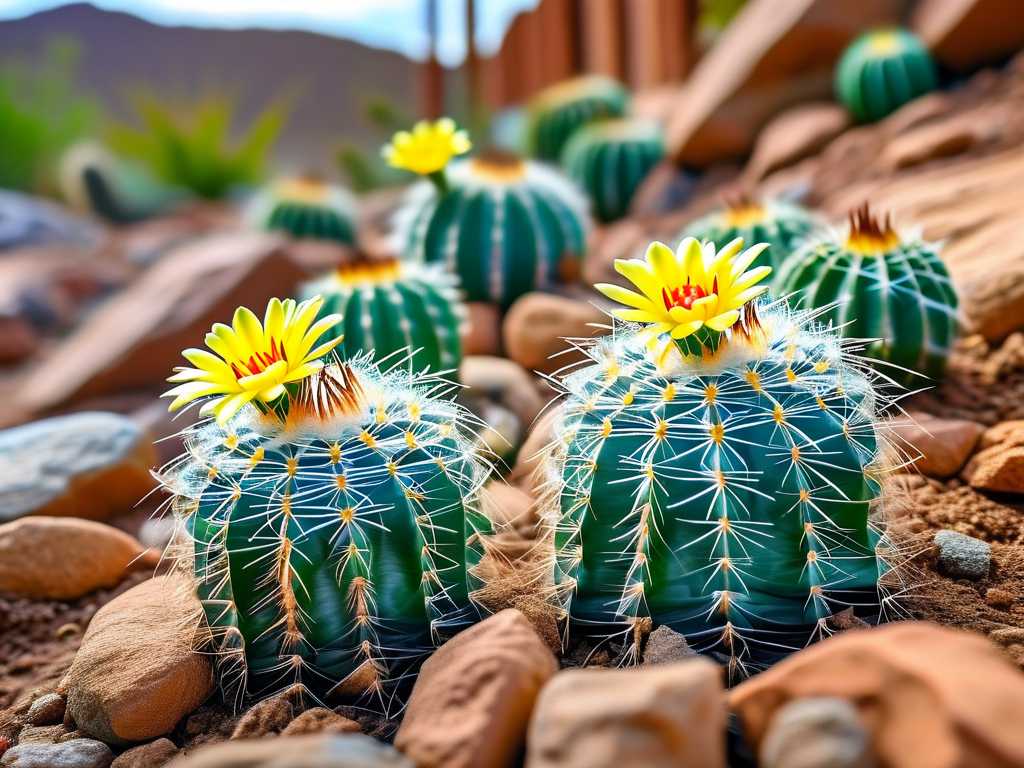
According to the Arizona-Sonora Desert Museum, while some desert species can tolerate brief, light frosts when fully acclimated and dry, a sudden, drastic cooldown is almost always damaging, regardless of the species. The Royal Horticultural Society (RHS) emphasizes that the damage from sudden cold exposure is often exacerbated by wet soil, which chills the roots more rapidly.
My Immediate 48-Hour Rescue Protocol: Step-by-Step
The first two days are crucial. Your goal isn’t to “fix” the damage but to stabilize the plant and prevent further harm.
Step 1: The Gentle Relocation Do NOT immediately move the plant to a hot room. This is my first big mistake. I panicked and brought my shocked Echinopsis into my warm living room. The drastic swing from cold to hot added more stress. The correct method is a gradual transition. I moved my other affected plants to a cool, bright, and dry indoor space like a garage, sunroom, or spare room with a consistent, moderate temperature (around 55-65°F). This halts further chilling and allows for a slow adjustment.
Step 2: The Critical Dry-Out Water is the enemy of a cold-shocked cactus. Wet soil accelerates root rot in compromised plants. I did not water any of my affected cacti. I even carefully tipped them to drain any excess water from their saucers. The soil must be allowed to dry completely. This was perhaps the hardest part—fighting the instinct to “nurse” it with water.
Step 3: The Assessment and Mark After 24 hours in the stable environment, I conducted a thorough inspection. Using a soft-tipped permanent marker, I gently outlined the edges of any visible soft, discolored, or sunken spots. This “marking” technique, recommended by many cactus and succulent society forums, is vital. It allows you to monitor over the coming days whether the damage is spreading (a bad sign) or stabilizing (a good sign).
The Two-Week Observation Window: Patience is Key
This is where real-time observation begins. I committed to checking my plants daily, but intervening as little as possible.
Week 1: Vigilant Monitoring Days 3-7 were about watching the marked areas. On my Mammillaria, the darkened spot stopped expanding by day 5—a huge relief. However, on a columnar Cereus, the soft area continued to creep upward. This indicated active rot, requiring the next step. For plants with stable marks, I simply ensured they remained in bright, indirect light and bone-dry soil. No water. No fertilizer. Just quiet observation.
Week 2: The Surgical Intervention (If Needed) By day 10, the Cereus needed action. Using a sterile, sharp knife (I wiped it down with isopropyl alcohol), I carefully cut away all the soft, damaged tissue. I cut back into healthy, firm, green flesh to ensure no rot was left behind. This left a large wound. I dusted the cut surface with sulfur powder (a great antifungal) and left the plant in its dry, bright space to callus. This process can take weeks. Do not water until a firm callus has formed over the entire cut.
The Pitfalls I Encountered and How I Solved Them
My journey wasn’t perfect. Here’s where I stumbled so you don’t have to.
Pitfall 1: The Overwatering Temptation A week in, my Opuntia looked so sad and wrinkled I convinced myself it was thirsty. I gave it a small drink. Within days, the base turned to mush. I had to perform emergency surgery, beheading it to save the top pad. The solution? Trust the process. Wrinkling after cold shock is often the plant sealing off damaged areas, not a plea for water. Wait for signs of new growth before even considering water.
Pitfall 2: Insufficient Light in Recovery I kept one Gymnocalycium in a shady corner to “rest.” It etiolated, stretching weakly toward light, compromising its recovery. Cacti need bright light to fuel any recovery process. I moved it immediately to a south-facing windowsill (with a sheer curtain for diffusion), and its condition stabilized.
Pitfall 3: Premature Repotting In a bid to “help,” I repotted a shocked cactus with fresh soil. The disturbance further stressed its fragile roots. The American Horticultural Society (AHS) advises against repotting stressed plants unless absolutely necessary (e.g., due to soggy, poor-quality soil). Leave repotting for the next active growing season.
Long-Term Recovery and Prevention for Future Cold Snaps
Recovery is measured in months, not weeks. Once a cactus has callused over any cuts and shows no signs of spreading damage, you can gradually reintroduce it to its normal care routine. Begin with minimal watering in the growing season. Its growth may be stunted for a cycle, and scars will remain, telling the story of its survival.
Prevention is always better than cure. I now use a weather app with alerts for temperature drops. When a sudden cooldown is forecast, I move my sensitive potted cacti indoors preemptively. For in-ground plants, having frost cloths on hand to cover them overnight can make all the difference. Ensuring your cactus enters the cooler seasons with dry soil is also one of the best practices for cactus cold protection.
Can a cactus recover from cold damage? Yes, many cacti can recover if the damage is not too extensive and the meristem (growth center) is intact. The key is prompt, correct action: stop watering, provide stable cool-bright conditions, and surgically remove any spreading rot. Recovery is slow and requires patience.
How do I know if the damage is just cosmetic or fatal? If the damage is localized, firm to the touch, and does not spread beyond your initial mark, it is likely cosmetic scarring. If the soft, mushy, or discolored area continues to expand toward the plant’s base or crown over several days, or if the plant becomes completely soft and collapses, the damage is likely fatal or will require major amputation to save a portion.
Should I use a heat lamp or space heater near my cold-shocked cactus? No. Applying direct, artificial heat creates another sudden temperature swing and dries out the plant abnormally. It adds thermal stress. The goal is a stable, moderate, and natural environment. Gradual warming is always better than a heat shock.