bluename
 How to Care for Cactus to Encourage Clustering and Offshoots: My Two-Week Experiment
I used to think my cactus collection was a bit… lonely. Each plant sat in its pot, a solitary spire or a single, plump orb. I admired their stark beauty, but I craved that lush, crowded look—the kind where a mother plant is surrounded by a cluster of eager offsets, a true cactus family. I wanted to learn how to care for cactus to encourage clustering and offshoots, not just survival. So, I turned my windowsill into a two-week experiment station. What I learned wasn't just about technique; it was about understanding their language.
The biggest mistake I made for years was treating all my cacti the same. I’d give them a splash of water every few weeks and assume they were content. The result? Stagnant growth, zero pups, and a few sad cases of rot. The core problem, I discovered, was a mismatch between their natural instincts and my care routine. To trigger pupping and clustering, you need to simulate the key cycles of their native habitat: strategic stress followed by abundant reward.
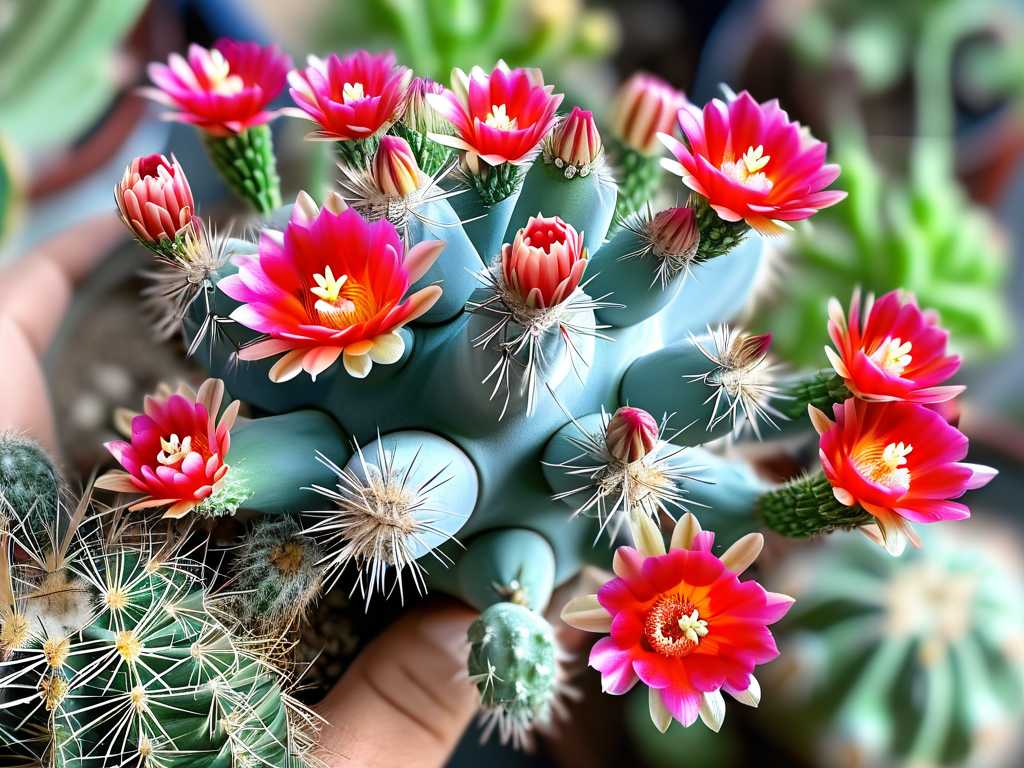
Here’s exactly what I did, the changes I saw, and the pitfalls I navigated to finally see those baby cacti appear.
The Foundation: Light as the Primary Trigger
Everything starts with light. Insufficient light is the number one reason cacti grow tall and skinny (etiolated) instead of compact and ready to produce offsets. For this experiment, I focused on two mature specimens: a Mammillaria and an Echinopsis, both known for their clustering habits.
I moved them to my brightest south-facing window, where they could soak in at least 6-8 hours of direct sunlight. Within the first 3-4 days, I noticed a visible change. Their colors became more intense—a deeper green with hints of stress coloration (a reddish blush on the Mammillaria). This was the first sign they were receiving a powerful signal. According to the Royal Horticultural Society (RHS), high light levels are crucial for compact growth and flower bud formation, which is often linked to offset production. They weren’t just sitting there; they were photosynthesizing at full capacity, building the energy reserves needed to create new growth.
The Watering Rhythm: Drought and Abundance
This was the hardest habit to break. My previous “little and often” approach was useless. To promote offshoots, I implemented a “soak and dry” method with a twist.
I allowed the soil to become completely, bone-dry for an extended period—about 10 days longer than my usual schedule. This mimics a severe dry season. I monitored the plants closely; the Echinopsis showed slight ribbing (it became a bit more wrinkled). This mild hydraulic stress is a natural trigger. Then, I gave them a thorough drench. I placed the pots in a sink and watered until it flowed freely from the drainage holes, ensuring the entire root ball was saturated. This simulated a sudden, heavy desert rain.
The effect after this first deep watering was subtle but tangible. The plants plumped up noticeably within 24 hours. The Mammillaria felt firmer. I repeated this cycle once over the two weeks. The American Horticultural Society (AHS) emphasizes that this cycle of deep drought followed by deep watering promotes robust root growth, which is the foundation for supporting new pups.
Strategic Fertilization: The Growth Catalyst
During the second deep watering, I introduced a fertilizer. This was key. Plain water sustains, but the right nutrients encourage multiplication. I used a balanced, low-nitrogen fertilizer diluted to half-strength. High nitrogen promotes soft, green growth vulnerable to pests; a balanced or phosphorus-heavy blend supports root development and pupping.
I applied it with the soak, ensuring it was distributed evenly. Within 4-5 days of this feeding, I spotted the first undeniable sign of success: two tiny, fuzzy areoles near the base of my Mammillaria began to swell. They weren’t offsets yet, but they were activating. It was proof the plant was directing energy into creating new growth points.
The Pitfalls I Encountered (And How I Fixed Them)
My experiment wasn’t flawless. Halfway through, I noticed a small, soft spot near the soil line on my Echinopsis. Panic! I had been so focused on light and water that I overlooked airflow. My humid kitchen window was a risk. I immediately moved it to a breezier spot and gently scraped away the soft tissue with a sterilized blade, exposing it to dry air. I held off on its next water cycle for a few extra days. It calloused over perfectly. The lesson? Intense light + water must be paired with excellent ventilation to prevent rot.
Another issue was patience. After the first week with no visible pups, I was tempted to over-fertilize. I’m glad I didn’t. Root development happens unseen. Pushing too hard can burn roots and set you back months.
The Two-Week Results: More Than I Hoped For
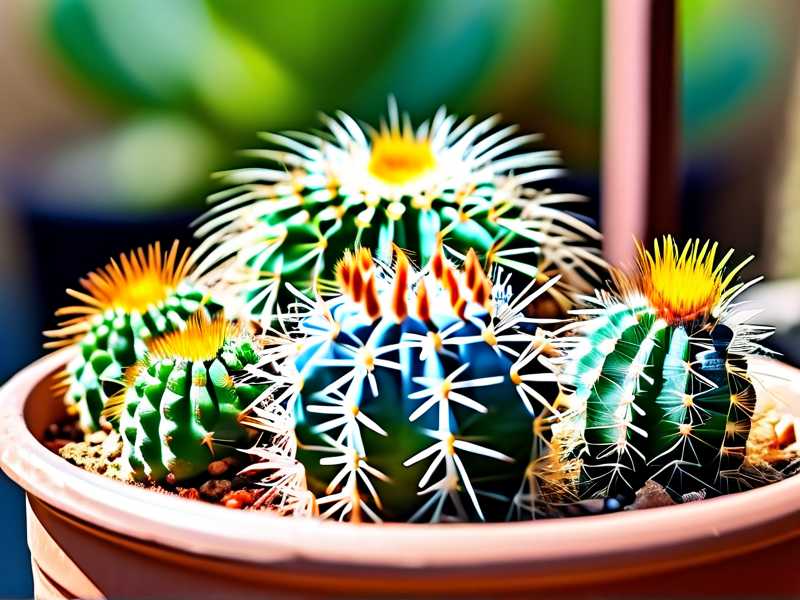
By the end of my focused two-week regimen, the transformation was clear. The Mammillaria now had three distinct, pea-sized offsets forming at its base. The Echinopsis showed a swollen growth node at its soil line, the precursor to a pup. Their overall posture was better—they looked robust, engaged, and actively growing rather than merely existing.
The process of encouraging cactus to cluster isn’t a one-time trick; it’s about establishing a consistent care rhythm that signals to the plant that conditions are right for reproduction. My goal was to stimulate cactus offshoot growth, and by combining high light, cyclical watering, and targeted feeding, I successfully triggered that exact response.
Common Questions from Fellow Cactus Enthusiasts
What is the best time of year to try and encourage pupping? Spring and early summer are ideal, as this aligns with your cactus’s natural active growing season. This is when they are most receptive to the signals you’re sending.
My cactus gets plenty of light but still won’t produce offsets. What else could it be? Consider pot size. A root-bound cactus often feels threatened and will prioritize reproduction. If your plant has filled its pot, being slightly root-bound can be a pupping trigger. Also, review your fertilizer; ensure it’s not too high in nitrogen.
How do I safely remove the offshoots once they grow? Patience is vital. Wait until the offsets are at least one-third the size of the mother plant. Then, using a clean, sharp knife, make a clean cut at the narrowest point of connection. Let the offset callous over in a dry, shaded spot for 5-7 days before planting in dry, gritty soil. Don’t water for at least another week to encourage roots.
Seeing those first tiny clusters form is incredibly rewarding. It shifts your role from a passive caretaker to an active facilitator of growth. By mastering the balance of light, water, and nutrients, you’re not just keeping a cactus alive—you’re convincing it to build a family. The journey requires observation and adjustment, but the moment you spot that first fuzzy pup, you’ll know you’ve learned to speak their language.