bluename
 How to Care for Cactus in Low-Maintenance Retirement Home Gardens: A Simple, Joyful Guide
Let’s be honest. When you picture a retirement home garden, you might imagine high-maintenance flower beds, demanding lawns, or fragile plants that require constant bending and tending. That’s the exact problem I wanted to solve. As a lifelong plant enthusiast who now volunteers at a local senior living community, I saw residents who loved the idea of a garden but were wary of the physical upkeep and complexity. They wanted beauty, joy, and a touch of nature—without it becoming a chore. The solution, I discovered, was brilliantly simple: cactus.
Why Cactus are the Perfect Choice for Senior-Friendly Gardens
Forget the stereotype of cactus being just prickly, desert oddities. In a low-maintenance retirement home garden, they are absolute superstars. Their core needs align perfectly with a lifestyle that values ease, safety, and consistent enjoyment over daily labor.
First, their water requirements are minimal. This isn’t just convenient; it’s a safeguard against overwatering, which is the number one killer of houseplants. For gardeners who may travel or simply prefer not to be on a strict watering schedule, cactus offer incredible forgiveness. A study by the Royal Horticultural Society (RHS) highlights that most cactus species thrive on “neglect” compared to typical ornamentals, needing water only when the soil is completely dry—sometimes going weeks between drinks.
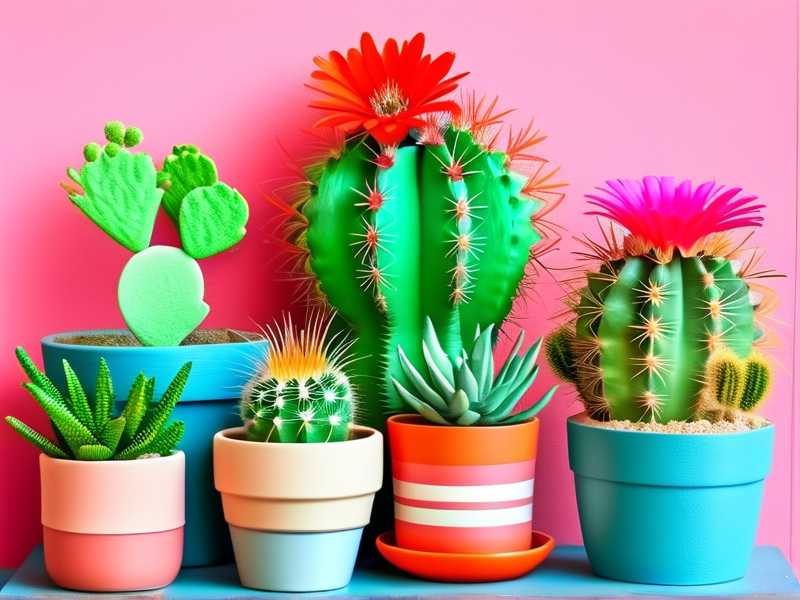
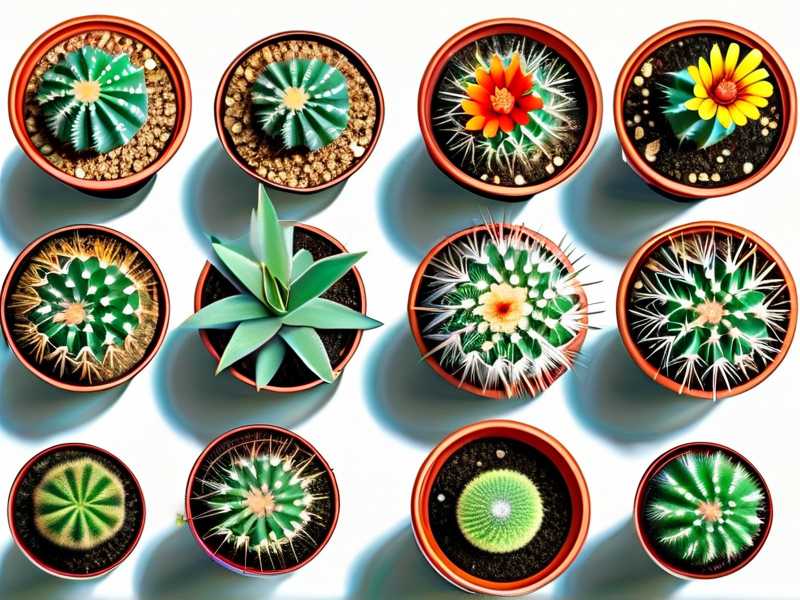
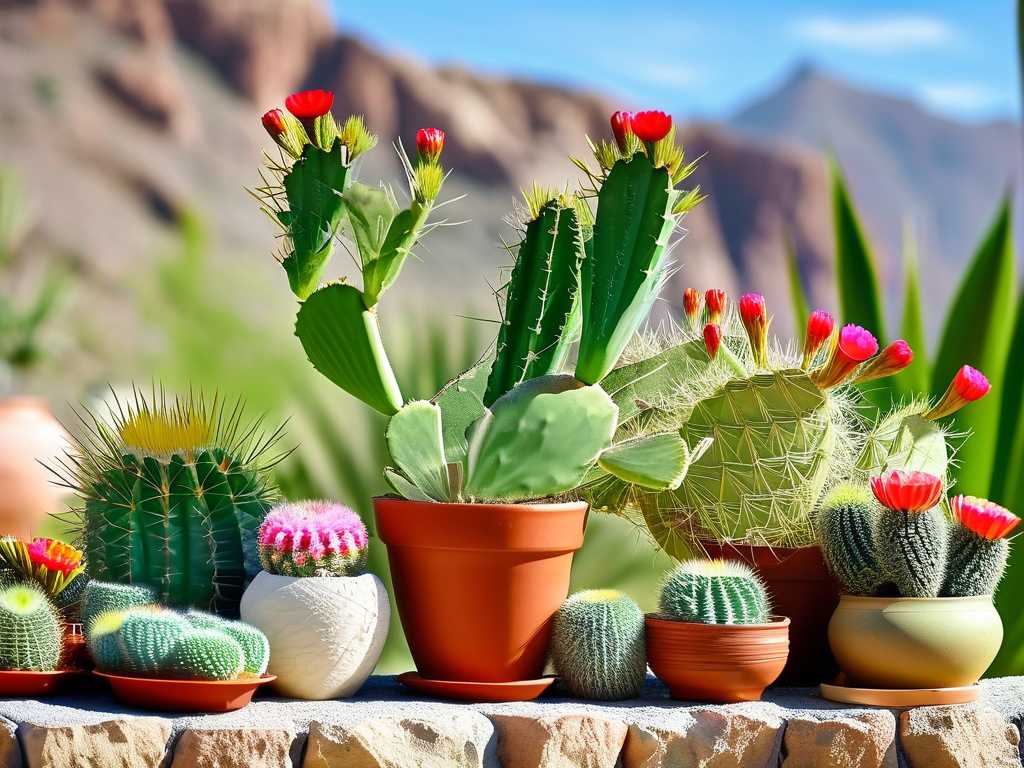
Second, they offer stunning variety. From the round, friendly shapes of Mammillaria to the architectural elegance of Echinocactus, and even the trailing beauty of Epiphyllum (orchid cactus), there’s a cactus for every aesthetic. They provide year-round structure and surprising seasonal blooms in vibrant pinks, reds, and yellows, creating ever-changing points of interest outside a window or along a garden path.
Getting Started: My Two-Week Setup and Observation Journey
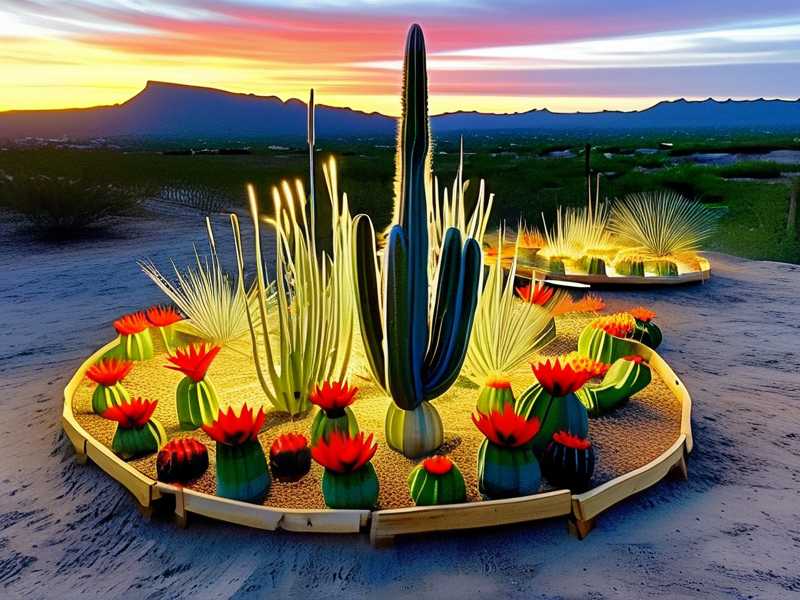
My project began at “Sunny Meadows,” a retirement community with a few unused, sunny patio planters. My goal was to create a vibrant, cactus garden for seniors that required intervention only once every few weeks. Here was my hands-on process.
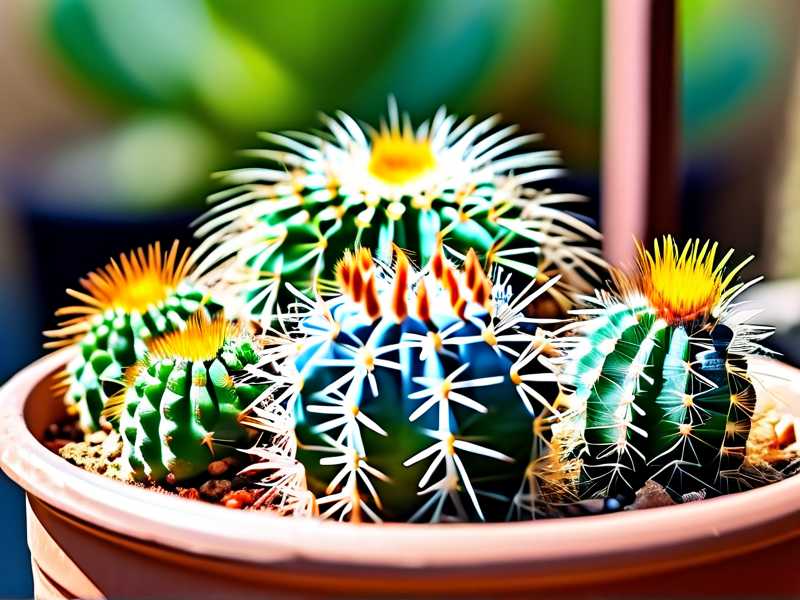
Step 1: The Right Potting Mix is Everything I learned this the hard way. My initial mistake was using standard potting soil. It retains too much moisture. After the first watering, the soil stayed damp for over 10 days, and I noticed the base of one Golden Barrel Cactus (Echinocactus grusonii) becoming slightly soft—a classic sign of impending rot. I acted fast.
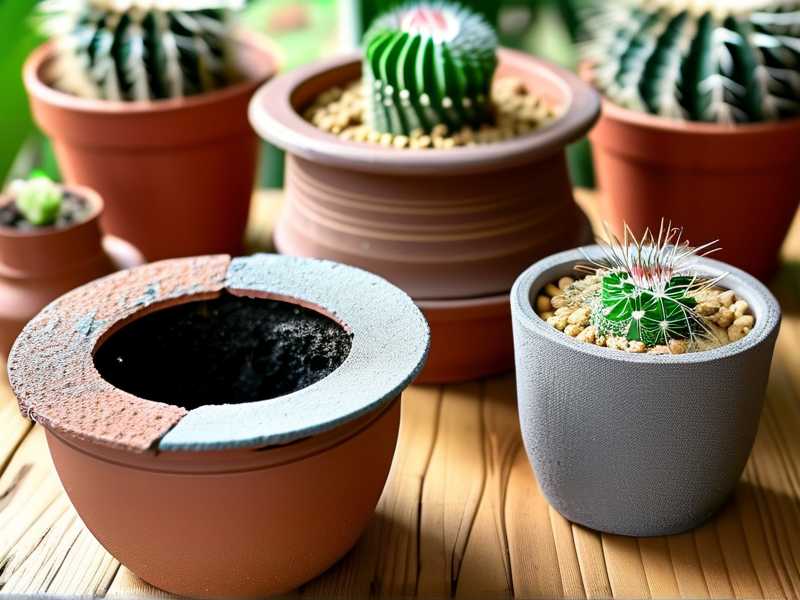
The fix? I repotted everything using a specialized cactus and succulent mix, but I didn’t stop there. Following advice from the Arizona Horticultural Society (AHS), I added extra perlite (about 1:1 ratio) to create a gritty, fast-draining environment. This single change was transformative. During my two-week observation period after repotting, the soil dried out evenly and completely within 4-5 days under the sun, providing the perfect dry cycle the roots craved. The slightly softened cactus firmed back up beautifully.
Step 2: Strategic Planting for Visual Ease Accessibility is key. We used raised planters and containers of varying heights to eliminate bending. I grouped cactus with similar light and water needs together. A pro tip: I placed smoother, less-spiny varieties like certain Opuntia (prickly pear) or Astrophytum (star cactus) at the front and edges, reserving the fiercely spined types for the center or back. This made tending safer and more enjoyable for residents who loved to get a closer look.
Step 3: The “Soak and Dry” Watering Method Demonstrated I established a simple routine. Every two weeks, I would perform a thorough check. I’d insert a wooden skewer deep into the soil; if it came out clean and dry, it was time. Instead of a light sprinkle, I would slowly soak the soil until water ran freely from the drainage holes—mimicking a rare desert downpour. Then, I would walk away. Over the next two weeks, I observed the plants plump up, then gradually use those reserves. This cycle teaches patience and aligns with the natural rhythm of the plants. Residents loved the predictability of it.
Step 4: Finding the Perfect Light Balance Most cactus crave bright light. Our patio got full morning sun and dappled afternoon light—an ideal situation. However, I placed one Gymnocalycium (chin cactus) in what I thought was a similarly bright spot, but it was shaded by a beam for most of the afternoon. Over two weeks, I noticed it began to stretch slightly toward the light, a condition called etiolation. The fix was simple: I rotated it weekly and eventually moved it to a spot with more direct, unfiltered morning light. Its growth normalized. The lesson? Observe your light patterns closely; even a few feet can make a difference.
Long-Term, Effortless Care for Lasting Enjoyment
Once established, your cactus garden becomes almost self-sustaining, which is the heart of a low-maintenance garden for retirees.
Feeding: Less is More During the active growing season (spring and summer), I apply a diluted, low-nitrogen fertilizer formulated for cactus. I do this only once at the start of the season and maybe once more in mid-summer. The American Horticultural Society (AHS) confirms that over-fertilizing leads to weak, leggy growth, so restraint is a virtue here.
Winter Rest: The Key to Future Blooms This is a crucial but easy step. In late fall, I gradually reduce watering. Through the winter, the cactus enter a dormancy period. They might look a bit shriveled or less vibrant—this is normal! They are resting. I water them only once a month, if at all, and keep them in a cool, bright spot. This period of rest is what triggers an abundance of spectacular flowers in the spring. It’s a wonderful seasonal marker for the garden.
Safety and Accessibility: Non-Negotiable Priorities Always use thick gloves when handling any cactus, even the “friendly” looking ones. Long-handled tongs (like kitchen tongs) are fantastic tools for placing or adjusting small plants without getting too close. Ensuring all containers are stable and on level ground prevents tipping. The garden path around them should be wide, clear, and non-slip.
Common Questions from the Sunny Meadows Residents
“I’m worried about the spines. Are there any truly safe cactus?” Absolutely. Look for varieties with glochids (tiny, hair-like spines) that are less hazardous, or spineless options. Opuntia ficus-indica (Spineless Prickly Pear) is a fantastic, large option. Also, many Echinopsis and Schlumbergera (Christmas/Thanksgiving Cactus) have minimal or flexible spines. Starting with these can build confidence.
“What if I go on vacation or forget to water for a month?” Rejoice! Your cactus garden is likely the only one that will welcome you back looking just as good, if not better, after your trip. Their adaptation to drought means they are built for this. It is always, always better to underwater than to overwater. If you’re leaving for an extended period in summer, give them a good soak before you go, and they’ll be perfectly fine.
“My cactus has a brown, soft spot at the bottom. What do I do?” This is likely rot from excess moisture. Act quickly. Using a clean, sharp knife, cut away all the soft, brown tissue until you see only healthy, firm green flesh. Let the cut end callous over in a dry, airy spot for several days. Then, replant it in fresh, dry cactus mix. Do not water for at least a week to allow roots to recover. This can often save the plant.
Creating a cactus garden in a retirement home setting has been one of my most rewarding projects. It brought daily smiles, sparked conversations, and provided a sense of nurturing without burden. The residents took pride in “their” resilient, beautiful plants that asked for so little but gave so much in return. By choosing the right soil, mastering the soak-and-dry cycle, and placing plants for both beauty and safety, you can cultivate a thriving, vibrant oasis of calm and color. It’s a living lesson in resilience and joy—qualities that truly blossom at any age.