bluename
 How to Care for Climbing Cactus on Trellises and Supports: A Grower’s Complete Guide
I’ve always been fascinated by the architectural beauty of climbing cacti. Their sprawling, often dramatic forms can transform a blank wall or corner into a living sculpture. But for years, I struggled. My Epiphyllum and Selenicereus would either flop over miserably or cling weakly to their supports, never achieving that lush, vertical growth I dreamed of. The real pain point wasn’t just getting them to climb; it was understanding the specific, ongoing care these unique plants need once they’re on a trellis. It’s a different ballgame from caring for a potted cactus on a shelf. Through trial, error, and a dedicated two-week experiment, I finally cracked the code. This guide is everything I wish I’d known about how to care for climbing cactus on trellises and supports.
Understanding Your Climbing Cactus: It’s Not Your Average Cactus
First, let’s clear a major misconception. Most climbing cacti, like the popular Queen of the Night (Selenicereus grandiflorus) or various Epiphyllum (Orchid Cacti), are epiphytic in nature. This means in their native jungle habitats, they grow on trees, not in desert soil. According to the American Horticultural Society (AHS), epiphytic plants have distinct needs: they crave excellent drainage, appreciate more humidity than desert cacti, and require support to mimic their natural growth pattern. Recognizing this was my first breakthrough. They’re not seeking arid ground; they’re seeking a sturdy branch to ascend towards the dappled light.
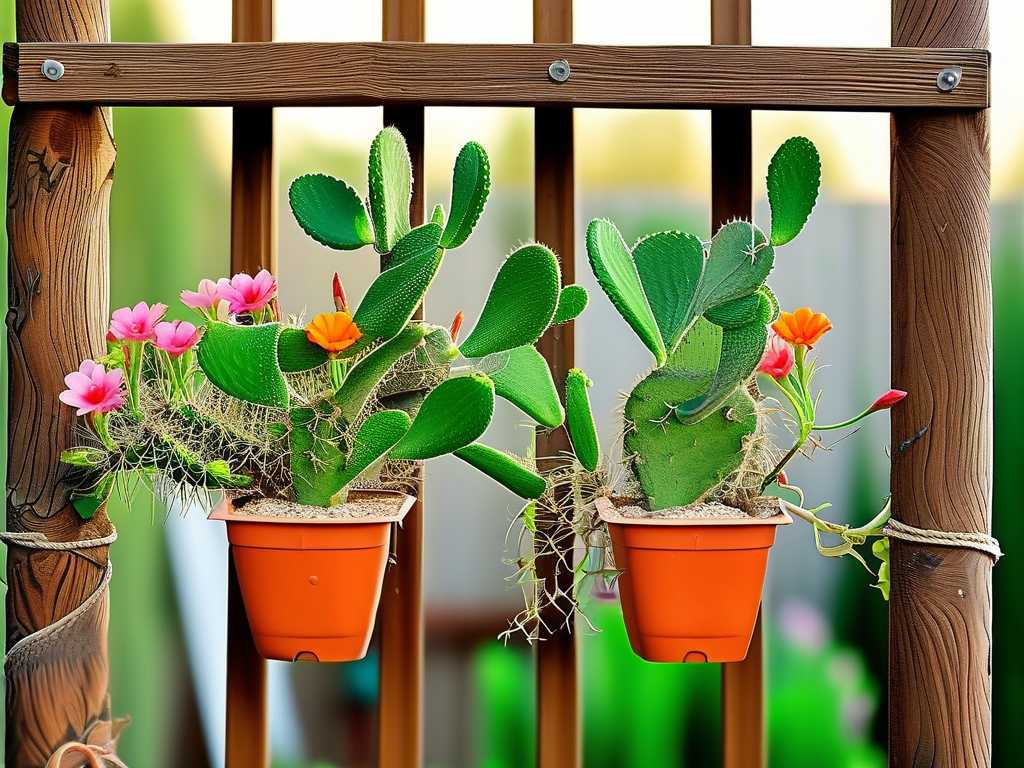
Choosing and Installing the Perfect Support System
The right support isn’t an afterthought; it’s the foundation of your plant’s health and form. A flimsy trellis leads to instability, broken stems, and a stressed plant.
Selecting the Material I’ve tested bamboo, plastic-coated metal, and cedarwood trellises. Bamboo is affordable but can rot over time with frequent watering. Plastic-coated metal is durable, but ensure the coating is intact to prevent rust. My personal favorite is untreated cedar or redwood. It’s naturally rot-resistant, blends beautifully, and provides a slightly rough texture that the cactus’s aerial roots can grip onto more easily. The size matters, too. Choose a trellis that gives your plant room to grow for at least two years. A common mistake is starting with one that’s too small.
Secure Installation is Non-Negotiable This is where I made my biggest initial mistake. I simply pushed a small trellis into the pot’s soil. After a few months of growth, the weight of the cactus pulled the whole structure over, damaging roots and stems. How to properly support a climbing cactus starts with a pot that can counterbalance the top growth. Use a heavy, wide-based pot—terracotta is ideal for its weight and breathability. Secure the trellis to the pot itself using sturdy plant ties or wires through the drainage holes and the trellis base. For larger installations, you may need to anchor the trellis to a wall or a deeper container. This stability is paramount.
The Gentle Art of Training and Tying
You can’t force a cactus to climb; you must guide it patiently. New growth, which is often softer and greener, is the most pliable.
Initial Training Techniques When I started my two-week observation period, I focused on a young Epiphyllum oxypetalum with several new segments. I gently bent the leading growth toward the trellis, never forcing a sharp bend that could cause it to snap. Using soft, stretchy plant ties (I prefer velcro tape), I loosely attached the main stem to the support. The key word is loosely. You must allow for growth and swelling. A tight tie will strangle the stem as it matures. I checked these ties every three days during my experiment, adjusting their position and looseness.
Ongoing Management and Observation Over those two weeks, I witnessed something remarkable. The cactus didn’t just hang from the ties; it began to actively engage. Tiny aerial roots along the stems made contact with the rough wood of the trellis, seeking to adhere. This is the plant’s natural climbing mechanism at work. My role shifted from tying to simply redirecting new growth and removing ties once the aerial roots had taken hold. This process of training cactus on a vertical structure is a dialogue with the plant, not a monologue of commands.
Tailored Watering and Feeding for Potted Climbers
Once on a trellis, your watering approach must evolve. Elevated growth often means faster drying of the potting mix, but the epiphytic nature means they still hate soggy roots.
The Watering Balance I adopted the “soak and dry” method but with a twist for climbers. During my two-week test, I used a moisture meter to track conditions at the root level and near the surface. I found that the top few inches dried out much faster than the core, especially in a well-draining mix. I watered deeply only when the meter read dry at the root zone, not just the surface. The Royal Horticultural Society (RHS) emphasizes that epiphytic cacti prefer consistent moisture during active growth (spring/summer) but still require perfect drainage to prevent rot. I used room-temperature water to avoid shocking the roots.
Fertilizer: The Growth Catalyst A supported cactus putting energy into vertical growth is a hungry cactus. A balanced, water-soluble fertilizer formulated for cacti or tomatoes (higher potassium) is ideal. I applied a half-strength dose every two weeks during the growing season. The result in my observation period was visibly plumper, brighter green new segments. The plant was clearly utilizing the nutrients to fuel its climb. In winter, I stop feeding entirely as growth slows.
Soil and Repotting: The Foundation of Health
The perfect climbing setup can be undone by the wrong soil. Standard cactus mix is often too mineral-heavy for epiphytes.
Creating the Ideal Mix After research and consultation with expert growers, I now use a blend that mimics the forest canopy: 40% high-quality potting soil, 30% orchid bark (for chunkiness and air), 20% perlite, and 10% horticultural charcoal. This mix is airy, drains instantly, yet retains just enough moisture and provides anchorage for the roots. Repotting a mature, trained cactus is a delicate operation. I do it in early spring before a major growth spurt. The trick is to carefully untie the plant from its trellis, support the entire mass with one hand, and repot it before re-securing the trellis in the new, slightly larger pot. Never bury the plant deeper than it was before.
Light, Temperature, and Humidity: The Environmental Trio
Optimal Light for Growth and Form These plants need bright, indirect light. Direct, harsh afternoon sun can scorch their stems, especially when newly trained and potentially stressed. An east or west-facing window behind a sheer curtain is perfect. Insufficient light leads to weak, etiolated growth that will never support itself. I noticed during my project that the side of the cactus facing the light source grew more vigorously, so I rotate the pot a quarter turn weekly for even growth.
Creating a Comfortable Microclimate As tropical natives, they appreciate moderate humidity (40-60%). In my dry home, I placed a shallow pebble tray with water beneath the pot. The evaporating water creates a localized humid zone without making the soil wet. They thrive in normal household temperatures but should be kept above 50°F (10°C).
Troubleshooting Common Problems on the Trellis
Even with perfect care, issues arise. Here’s what I’ve faced and fixed.
The Sagging or Detaching Cactus If your plant is pulling away from its support, the ties are likely too old, too tight, or the aerial roots haven’t secured. Re-tie with fresh, loose ties. Sometimes, misting the stem and trellis contact point can encourage aerial root growth. Ensure the trellis texture is rough enough for grip.
Yellowing or Soft Stems This is usually a cry for help from the roots. Overwatering is the prime suspect. I let the soil dry out completely and reassess my watering schedule. If the base is mushy, you may need to unpot, cut away rot, and repot in fresh, dry mix. Poor drainage or a pot that’s too large can also cause this.
Pests in Hard-to-Reach Places Mealybugs love to hide in the nooks where stems meet the trellis. During my two-week watch, I inspected these junctions daily with a flashlight. I use a cotton swab dipped in rubbing alcohol to spot-treat any white, cottony masses immediately. Neem oil sprays can be used as a preventative, but apply in the evening to avoid sunburn on the stems.
How often should I water my climbing cactus? There’s no universal schedule. It depends on your mix, pot, light, and climate. The only reliable method is to check the soil moisture. Insert your finger or a chopstick 2-3 inches into the pot. Water thoroughly only when it feels completely dry at that depth. In winter, this could mean watering only once a month or less.
Can I use a moss pole for my climbing cactus like I do for monstera? While moss poles provide excellent humidity for aerial roots, they retain a lot of moisture. For epiphytic cacti, which are prone to stem rot if kept constantly damp, a moss pole can be risky. A dry, wooden or metal trellis is a safer, more suitable choice that better mimics their natural tree-bark substrate.
My cactus is growing well but not flowering. What am I missing? Flowering is the ultimate reward and requires specific conditions. First, ensure it’s mature enough—some species take years. Second, provide a cool, dry, and bright rest period in winter with minimal water and no fertilizer. This dormancy is crucial for bud set. Finally, ensure it gets enough bright, indirect light during the growing season. A high-potassium fertilizer in early spring can also encourage blooming.
Success with climbing cacti is a journey of observation and subtle guidance. It’s about providing a sturdy foundation, the right environmental cues, and then stepping back to let the plant do what it does naturally. The transformation from a tangled pot into a structured, living masterpiece is incredibly rewarding. Start with a strong support, listen to your plant’s needs, and you’ll not only keep it alive but will help it thrive vertically, turning its unique growth habit into its greatest asset.