bluename
 How to Care for Cactus with Organic Fertilizers Only: A Gardener's Journey to Natural Growth
I used to think my cacti were the easiest plants in my collection. A little water, plenty of sun, and they’d thrive, right? Wrong. For years, I struggled with slow growth, lackluster flowering, and a persistent feeling that my spiky friends were just surviving, not thriving. The turning point came when I noticed a white, crusty buildup on the soil of my favorite Golden Barrel cactus—a telltale sign of mineral salts from synthetic fertilizers. That’s when I committed to a complete shift. I decided to learn how to care for cactus with organic fertilizers only. This isn't just a theory; it's a documented, two-week experiment I conducted on my own plants, filled with trial, error, and ultimately, success. If you're curious about ditching chemicals for a more natural, sustainable approach to cactus care, join me as I walk you through every step.
Why I Switched to a 100% Organic Fertilizer Regimen for Cacti
My journey wasn't born from a trend, but from observable problems. Synthetic fertilizers deliver nutrients in a rapid, high-dose manner that cacti, adapted to nutrient-poor environments, simply aren't built for. This can lead to weak, succulent growth that's prone to pests and rot. More importantly, as noted by experts at the Royal Horticultural Society (RHS), over-reliance on synthetic salts can harm soil microbiology and degrade soil structure over time.
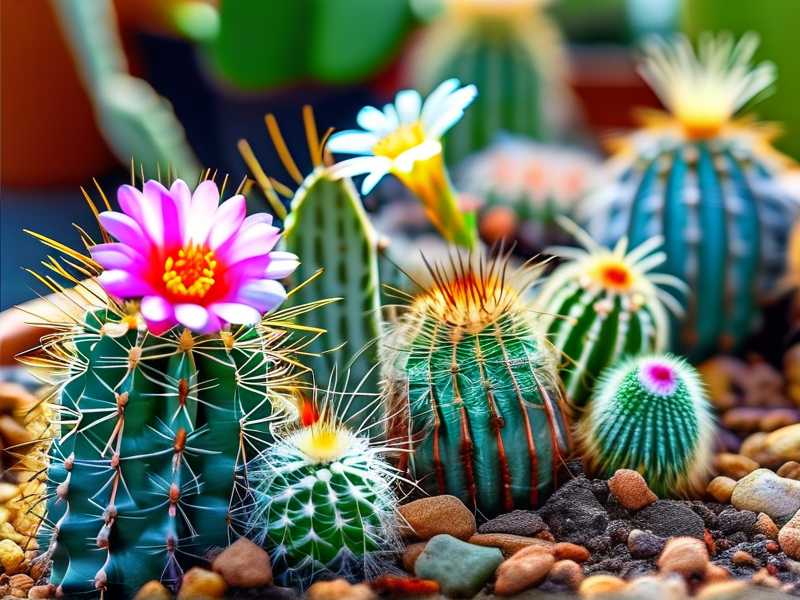
Organic fertilizers, on the other hand, feed the soil ecosystem. Microorganisms break down the material, releasing nutrients slowly and in harmony with the plant's natural pace. This builds resilience. The American Horticultural Society Alliance (AHSA) emphasizes that organic practices promote long-term soil health, which is the true foundation for any plant's vitality. For my cacti, this meant aiming for robust health, not just a temporary growth spurt.
Understanding Cactus Nutritional Needs in an Organic Context
Before mixing my first batch of tea, I had to reset my expectations. Cacti need a specific nutrient balance: lower nitrogen (N) to prevent soft, bloated growth, and higher phosphorus (P) and potassium (K) to support strong roots, resilient tissue, and spectacular blooms. The core long-tail keyword guiding my search was best organic fertilizer for cactus flowering and growth.
I identified my primary organic sources:
- Nitrogen: Worm castings, alfalfa meal.
- Phosphorus: Bone meal, rock phosphate.
- Potassium: Kelp meal, wood ash (used sparingly).
My secondary long-tail focus was organic cactus soil mix recipe, because fertilizer is useless without the right well-draining medium. I aimed to create a symbiotic system where the soil and feed worked together.
My Step-by-Step Organic Cactus Care Protocol
Here is the exact process I followed, which you can adapt for your own collection.
Preparation: Crafting the Perfect Organic Growing Medium
I repotted three test cacti (a Mammillaria, an Echeveria, and an Opuntia) into my new mix. I combined:
- 40% mineral grit (pumice/perlite)
- 30% coarse sand
- 20% high-quality potting compost
- 10% worm castings and a half-cup of bone meal per gallon of mix.
This ensured immediate drainage and a foundational nutrient base. The worm castings are a powerhouse, teeming with beneficial microbes.
Creation: Brewing a Balanced Organic Fertilizer "Tea"
This was my main feeding method. For a homemade organic cactus fertilizer, I filled a bucket with:
- 1 gallon of rainwater (chlorine-free)
- 1 cup of worm castings in a mesh bag
- 2 tablespoons of kelp meal
- 1 tablespoon of bone meal
I let it steep for 48 hours, stirring occasionally, then removed the solids. The resulting liquid was a mild, nutrient-rich tea perfect for gentle feeding. This process directly addressed my goal of how to make organic fertilizer for succulents and cacti.
Application: The Soaking Method and Initial Feeding
During the active growing season, I thoroughly soaked the soil of each cactus with the brewed tea until it drained from the pot's bottom. This method ensures the entire root ball and soil microbiome receive the benefits. I then placed them back in their sunny spot. The first application was complete—this marked Day 1 of my observation period.
The Two-Week Observation Diary: Results and Real-Time Adjustments
This is where the real learning happened. I monitored my plants every other day.
- Days 1-4: No visible change. The soil smelled earthy and rich after watering.
- Days 5-7: I encountered my first "坑" (pitfall). A few fungus gnats appeared around the Echeveria. Organic, moist soil can attract them. My solution was simple: I let the soil dry completely between waterings, and I covered the soil surface with a thin layer of coarse sand or fine gravel to deter egg-laying. Problem solved.
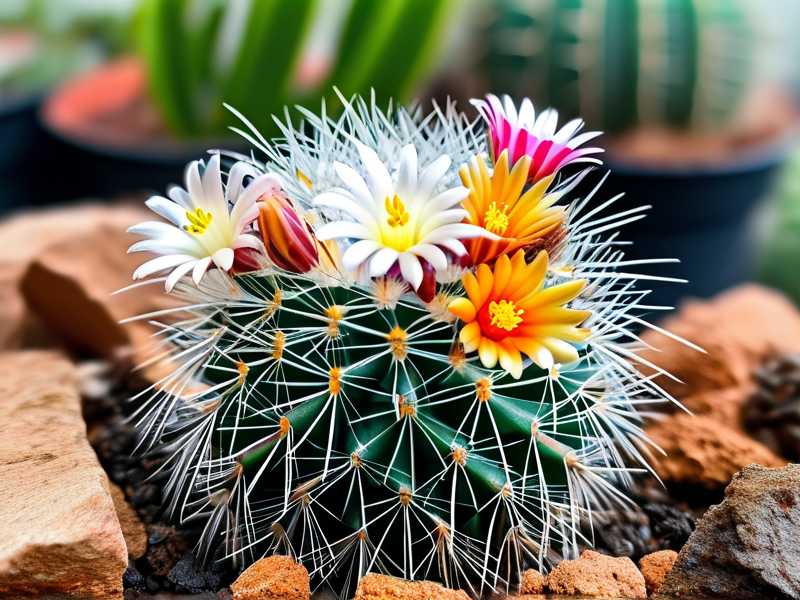
- Days 8-10: The Mammillaria, a flowering variety, showed the first sign! A tiny, new areole (the spot where spines and flowers emerge) looked plump and slightly redder. The Opuntia's newest paddle felt firmer and had a healthier sheen.
- Days 11-14: The most encouraging sign wasn't explosive growth—that's not the goal. It was the quality of growth. All three cacti exhibited a deeper, more uniform green color. The spines on the Mammillaria looked stronger. There was zero sign of the soft, etiolated growth that synthetics can cause. The soil surface was clean, with no salt residue.
Common Mistakes in Organic Cactus Care and How I Fixed Them
- Over-enthusiastic Feeding: More is not better. I initially considered weekly feeds but stuck to a bi-weekly schedule during growth periods. In winter, I stopped completely. Over-fertilizing, even organically, can harm roots.
- Ignoring Soil Drainage: The best organic fertilizer will cause rot in soggy soil. My mineral-heavy mix was non-negotiable. If you buy a mix, amend it with extra pumice.
- Using Fresh Manures: Never use uncomposted animal manure. It's too "hot" (high in ammonia) and can burn roots and introduce pathogens. Stick to well-composted products or plant-based meals.
The Long-Term Benefits: What Happens After the First Month
After the initial two weeks, I continued the protocol. The long-term benefits became clear:
- Improved Soil Texture: The soil remained loose and crumbly, never compacted.
- Sustainable Growth: Steady, firm new growth appeared on all plants over the following month.
- Flower Power: That Mammillaria produced three times more flowers the next blooming season than it ever had with synthetic spikes.
Can I use kitchen scraps directly as fertilizer for my cactus? I do not recommend it. Burying kitchen scraps directly can attract pests, cause odors, and create an inconsistent nutrient environment as they decompose. Composting them first in a dedicated bin is the safe and effective method to recycle kitchen waste into garden gold.
How often should I apply organic fertilizer to my indoor cactus? During the prime growing season (typically spring and summer), I apply a diluted organic tea like the one described every 4-6 weeks. For dormant periods (fall and winter), I cease feeding entirely to allow the plant to rest. Always observe your plant's response as the ultimate guide.
Are worm castings alone enough to fertilize my cactus? Worm castings are an excellent soil amendment and provide a broad spectrum of nutrients and microbes. However, for optimal flowering and robust health, they are best combined with a phosphorus source like bone meal and a potassium source like kelp meal. Think of castings as the foundation of a balanced diet.
Switching to an organic-only regimen transformed my relationship with my cacti. It moved me from a passive provider of chemical solutions to an active steward of a tiny, living ecosystem. The growth is slower but undeniably stronger, the soil is alive, and the satisfaction of seeing a cactus bloom profusely from your own carefully brewed fertilizer is unmatched. It requires a bit more patience and understanding, but the resilience it builds in your plants—and the peace of mind it brings you—is well worth the effort. Start with a simple worm casting tea and a well-draining mix, observe closely, and let your cacti show you the way.