bluename
 How to Care for Cactus in High-Altitude Gardening Environments: A Mountain-Tested Guide
Let’s be honest. When I first decided to bring my cactus collection to my new home in the mountains, I thought it would be easy. “They’re cacti,” I told myself. “They thrive on neglect.” I couldn’t have been more wrong. Within weeks, I saw signs I’d never encountered at sea level: strange discoloration, halted growth, and one precious specimen that simply rotted from the inside out. The unique challenges of high-altitude gardening environments had turned my resilient desert plants into struggling survivors. If you’re facing thin air, intense sun, and wildly swinging temperatures, this guide is for you. I spent two intensive weeks experimenting, observing, and yes, making costly mistakes, to figure out a reliable system for cactus care at high elevation. Here’s everything I learned the hard way, so you don’t have to.
Understanding the High-Altitude Assault on Your Cacti
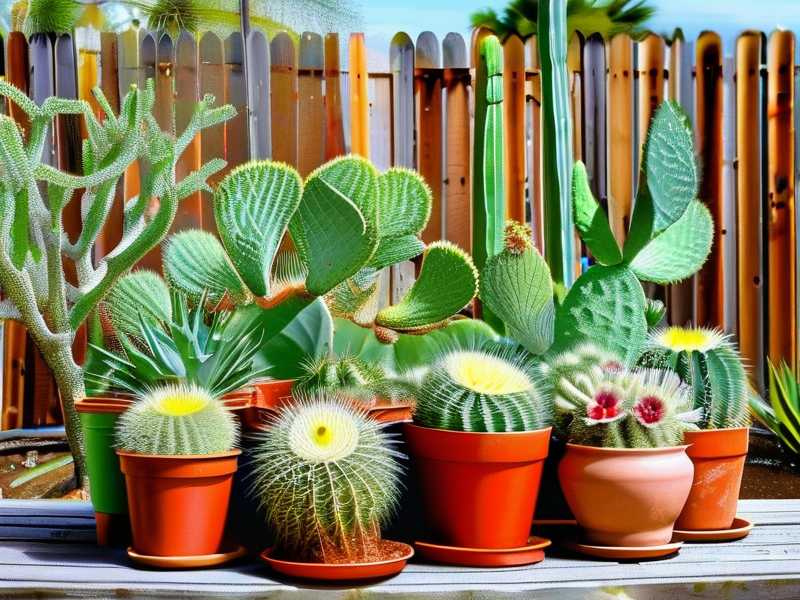
Moving plants to a mountain setting isn’t just a change of scenery; it’s a change in fundamental physics. The rules of plant care are rewritten here.
- Solar Intensity: It’s Not Just Heat, It’s Radiation. The most immediate shock was the sun. At 7,000 feet, UV radiation is significantly stronger. My cacti, accustomed to bright light, began showing signs of sunburn—bleached, yellow, or brown crispy patches. The Royal Horticultural Society (RHS) notes that while cacti need light, “acclimatization is critical” to prevent photodamage, which is exacerbated by altitude.
- Thermal Rollercoaster: 40-Degree Swings Are Normal. My days could be a pleasant 75°F (24°C), but nights would plunge to 35°F (2°C). This constant expansion and contraction stresses plant tissues. The American Horticultural Society’s (AHS) heat zone map becomes almost irrelevant here; cold hardiness is the daily concern.
- Thinner Air, Different Respiration. Lower air pressure and density can affect how plants transpire and breathe. Combined with relentless, drying winds common at elevation, it creates a deceptive drought. The soil dries from the top down far quicker than you’d expect, yet the root zone might stay cold and damp.
- The Short, Intense Growing Season. The window for active growth is compressed. You must maximize this period with perfect care and prepare them for a long, dormant winter much earlier than in milder climates.
My Two-Week Mountain Cactus Care Experiment
I selected three different cactus types: a classic Ferocactus, a columnar Trichocereus, and a clustering Mammillaria. My goal was to adapt their care to high-altitude conditions over 14 days, documenting daily changes.
Week 1: Acclimatization and Soil Crisis
Day 1-3: The Great Sunburn Mistake. Confident in their sun-love, I placed them on a south-facing ledge. By day 3, the Ferocactus showed a pale yellow patch. Mistake #1: No gradual acclimatization.
- My Fix: I moved them immediately to a spot with bright but indirect morning light and only 1-2 hours of direct afternoon sun. I used a 30% shade cloth for the most sensitive one. This simple step halted further damage.
Day 4-7: The “Bone-Dry” Deception and Soil Overhaul. I stuck my finger in the soil—it was dry. I watered lightly. Two days later, the base of my Trichocereus felt slightly soft. Mistake #2: Ignoring the root zone microclimate. I gently un-potted it. The top was dry, but the bottom third of the soil was cold and clung to the roots—a recipe for rot.
- My Fix & The Critical Soil Mix: I had to repot everything. Standard cactus mix failed here. I created a new, ultra-fast-draining blend:
- 40% coarse mineral material (pumice or perlite)
- 30% crushed granite or chicken grit
- 20% commercial cactus potting mix
- 10% worm castings (for gentle, slow-release nutrients) This mix, even in a cold night, wouldn’t hold onto damaging moisture around the roots. Repotting was the single most important action I took.
Week 2: Dialing in Water and Microclimates
Day 8-11: Learning the Watering Rhythm. With the new soil, I tested watering. I watered deeply until it ran from the drainage holes, but only when the entire pot felt light and the soil was completely dry—not just the surface. I did this at midday when temperatures were warmest, allowing excess moisture to evaporate before the cold night. The difference was dramatic. Plants plumped up without any further softening.
Day 12-14: Creating Microclimates. I noticed the cactus near a large, sun-warmed rock thrived. It benefited from radiant heat at night. I replicated this by placing pots on gravel beds and using stone mulches. A south-facing wall became a prized spot, offering wind protection and stored heat. Grouping plants together also created a slightly more humid, sheltered pocket.
Observation Results After 14 Days:
- Sunburned areas calloused over and stopped spreading.
- All plants showed signs of new, healthy growth at their apexes.
- Root systems in the new mineral mix were dry and white, showing no signs of rot.
- Turgor pressure improved visibly; plants looked firm and hydrated.
The Sustainable Care Protocol for High Altitudes
Based on my trial, here is your actionable plan for caring for cactus in mountain climates.
1. The Unbreakable Rule: Drainage is Everything. Your pot must have a large drainage hole. Use unglazed terracotta pots, which breathe and allow moisture to wick away from the sides. The soil mix I developed (above) is non-negotiable. It mimics the barren, rocky slopes cacti often cling to in mountainous deserts.
2. Watering: Forget the Calendar, Embrace the Weight. Throw out the “once every two weeks” rule. The AHS emphasizes that watering needs are dictated by environment, not a schedule.
- Method: Use the “lift test.” Get to know the weight of your pot when bone-dry. Water only when it feels that light.
- Technique: Soak thoroughly. Then, allow complete dryness. This cycle encourages strong root growth.
- Seasonal Shift: In late summer, begin tapering off. By early fall, stop watering entirely to let plants enter a dry, dormant state to survive freezing temperatures.
3. Sun and Wind: Strategic Placement Wins. A south or east-facing location, protected from harsh western winds, is ideal. Utilize walls, rocks, and hardscapes to create warm pockets. Shade cloth (20-30%) is not a sign of failure; it’s a essential tool for preventing scorch during the most intense summer months.
4. Winter Dormancy: The Key to Survival. This is where cactus care at high elevation diverges most. They must be kept completely dry from fall through early spring. If you can provide a cold but frost-free environment (like an unheated garage or shed that stays between 35-50°F / 2-10°C), that’s perfect. They can tolerate light frost if kept dry, but prolonged freezing in wet soil is fatal.
Answering Your Top Cactus High-Altitude Questions
My cactus has a soft, mushy spot at the base. What now? This is rot, usually from cold, wet soil. Act fast. Using a sterile knife, cut away all the soft tissue until you see only healthy, firm green flesh. Let the wound callous over in a dry, airy spot for a week or more. Then, re-root it in your dry, mineral-based soil mix. Do not water for at least two weeks.
Can I leave my potted cacti outside year-round up here? It depends on your specific winter lows and the species. Many hardy Opuntia or Escobaria can handle it if kept absolutely dry under a deep snow blanket or protective cover. For tender potted cacti, it’s too risky. The freeze-thaw cycle in a pot is more severe than in the ground. I strongly recommend moving them to a dry, cold, but non-freezing shelter for winter.
Why is my cactus turning purple or red? This is often a stress response, usually to intense UV light or cool temperatures. A slight color change can be normal “blushing” and is harmless. However, if it’s combined with shrinkage or softness, it could signal environmental stress. Review its sun exposure and ensure it’s not too cold and wet.
Caring for cacti in the mountains is a lesson in observation and adaptation. It’s not about fighting the environment, but about harnessing its extremes with smart, deliberate choices. The right soil, strategic placement, and a disciplined watering hand are your tools. By respecting the intensity of the high-altitude sun and the necessity of a dry, dormant winter, you can turn your gardening challenge into a showcase of resilient, thriving desert beauty against all odds. Start with the soil mix, master the lift test, and your mountain cactus garden will not just survive—it will astonish you.