bluename
 How to Care for Cactus with Fertilizer to Boost Growth
I used to think my cacti were the easiest plants in my collection. Water sparingly, give them plenty of sun, and they’ll thrive, right? For years, I watched them survive but never truly flourish. They’d put out minimal growth, rarely flower, and some just had a dull, lackluster appearance. My core frustration was this: I was providing the basics, but my cacti were stuck in a state of suspended animation. The missing piece of the puzzle, I discovered, was a consistent and correct cactus fertilizer strategy. This realization led me on a two-week experiment to understand how to care for cactus with fertilizer effectively, moving them from mere survival to vibrant, accelerated growth.
My goal was clear: to unlock faster, healthier growth and encourage blooming by mastering the art and science of feeding these resilient but often misunderstood plants.
Understanding Cactus Nutritional Needs: It’s Not Just “Set and Forget”
Before I even opened a bottle of fertilizer, I needed to reset my assumptions. Cacti are adapted to harsh environments, but that doesn’t mean they don’t need nutrients. In their natural habitat, they get nutrients from mineral-rich, decomposing rock and occasional organic matter. In our pots, those resources are severely limited.
The key is balance. A common mistake is using a standard all-purpose plant food, which is often too high in nitrogen. This can cause rapid, weak, and spindly growth that’s susceptible to disease and rot. Cacti and other succulents require a specific nutrient ratio.
According to the Royal Horticultural Society (RHS), a fertilizer with a low nitrogen (N) and higher phosphorus (P) and potassium (K) ratio is ideal for most cacti. They specifically recommend a formulation like 5-10-10 (N-P-K). The phosphorus supports strong root development and prolific flowering, while potassium aids in overall plant vigor and disease resistance.
This was my first “aha” moment. I wasn’t just feeding a plant; I was replicating a specific, nutrient-scarce ecosystem to trigger healthy, natural growth patterns.
Choosing the Right Fertilizer: My Product Deep Dive
Armed with this knowledge, I evaluated my options. I had three main types available:
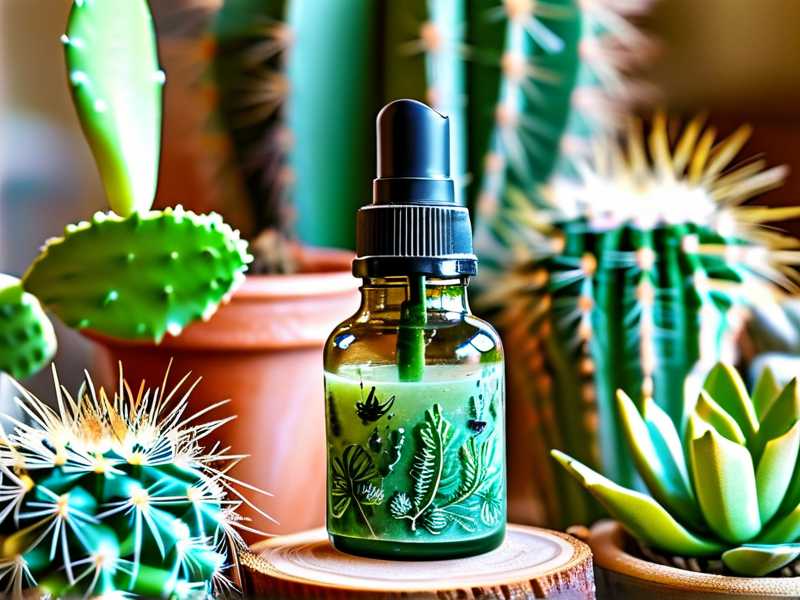
- Liquid Fertilizer: Fast-acting and easy to control. I chose a specialized liquid cactus and succulent feed with an N-P-K ratio of 2-7-7. This was perfect—very low nitrogen, with a boost for roots and health.
- Granular Slow-Release: These are pellets mixed into the soil that feed the plant over months. While convenient, I wanted more control over my two-week test, especially for observing immediate effects.
- Organic Options: Like worm castings or fish emulsion. These are gentler but can be less predictable in their NPK ratio. For this focused experiment, I wanted precision.
I went with the liquid cactus and succulent feed. Its instructions were clear: dilute with water and apply during the growing season (spring and summer). For my test, I would apply it once at the beginning and observe for two weeks. I also ensured all my test subjects were in well-draining, gritty cactus-specific soil and in pots with drainage holes—non-negotiable foundations.
My Two-Week Fertilizer Application & Observation Log
I selected three similar-sized Prickly Pear (Opuntia) pups that had been dormant in my care for months. I placed them in identical sunny windowsills.
Day 1: Application Day I diluted the fertilizer to half the recommended strength on the bottle. Why half? A principle echoed by the American Horticultural Society (AHS) is to “feed weakly, weekly” during peak growth. Since I was doing a single application for this observation, I erred on the side of caution to avoid root burn. I thoroughly watered the soil of one cactus with the fertilizer mix until it drained from the bottom. The second cactus got plain water (my control group). The third got nothing, to monitor soil moisture effects. I labeled them carefully: “Fed,” “Water-Only,” “Control.”
Days 2-5: The Initial Response By Day 3, I was nervously checking for signs of distress—yellowing or softening. Thankfully, none appeared. The “Fed” cactus showed no visible change yet. The “Water-Only” and “Control” looked identical. This was the quiet period where the roots were likely absorbing the nutrients.
Day 6-8: The First Visible Signs On the morning of Day 7, I noticed it. The areoles (the fuzzy spots where spines emerge) on the fed cactus looked plumper and darker. A subtle, but definite change. Furthermore, the very tip of the cactus pad showed a faint, brighter green ring—new growth! The other two cacti remained static. This was the boost I was hoping for. The fertilizer was directly stimulating cellular activity and growth.
Day 9-12: Accelerated Growth and a Problem The bright green growth ring on the “Fed” cactus became unmistakable. It was visibly taller, maybe by 2-3 millimeters. However, I also noticed the soil was staying damp for longer than I expected. This was my first “pitfall.” In my enthusiasm, I had watered the fertilizer solution too generously. Even with good drainage, the organic components in the fertilizer mix were retaining moisture.
Solution: I immediately moved the “Fed” cactus to an even sunnier, warmer spot to accelerate soil drying. I also gently aerated the top layer of soil with a chopstick. This quick action prevented any potential rot. The lesson? When you fertilize a cactus, you must be even more vigilant about watering habits. The plant is using energy to grow, making it temporarily more vulnerable to overwatering.
Day 13-14: Comparative Results & Assessment At the end of two weeks, the differences were clear:
- The Fed Cactus: Displayed active, vibrant growth at the apex. The color was a richer, deeper green. It looked energized and “happy.”
- The Water-Only Cactus: Looked healthy but unchanged. It was simply hydrated.
- The Control Cactus: Showed slight signs of substrate shrinkage away from the pot edges, indicating it was drawing on its own reserves.
The experiment was a success. The specialized cactus plant food had directly catalyzed growth without harming the plant, once I corrected my watering misstep.
Best Practices for Fertilizing Your Cactus: A Sustainable Routine
My two-week test informed a long-term routine. Here’s my actionable plan for how to care for cactus with fertilizer year-round:
- Timing is Everything: Only fertilize during the active growing season (typically late spring through summer). Never fertilize in fall or winter when cacti are dormant; they won’t use the nutrients, and salts can build up and damage roots.
- The “Weakly, Weekly” Method: During peak summer growth, I now add a quarter-strength dose of my liquid fertilizer to every other watering. This provides a steady, gentle supply of nutrients that mimics natural, lean conditions.
- Water First: A critical tip to prevent burn: always water your cactus lightly with plain water first to moisten the roots and soil. Then apply your diluted fertilizer solution. This ensures even distribution and prevents concentrated fertilizer from hitting dry roots.
- Flush the Soil: Every third or fourth watering during the growing season, I use plain water to flush out any accumulated mineral salts from the soil. This is a crucial step for long-term root health.
Common Pitfalls and How I Avoid Them Now
- Overfertilizing (The Biggest Risk): More is not better. It leads to salt buildup, root burn, and distorted growth. My half-strength and quarter-strength approaches are my guard against this.
- Fertilizing a Dormant or Stressed Plant: A cactus that is not growing, is recently repotted, or shows signs of disease should never be fed. Address its core issues first.
- Ignoring Soil and Light: Fertilizer is a supplement, not a substitute for proper core care. The fastest growth happens in a bright, warm environment with perfect, fast-draining soil.
Will fertilizer make my cactus flower? While it significantly encourages flowering by providing essential phosphorus, it’s not a guarantee. Flowering is a complex response to age, light exposure (both duration and intensity), a proper dormant period, and overall plant health. Think of fertilizer as providing the energy and building blocks for flowers; the plant still needs the right environmental triggers to use them.
Can I use homemade fertilizers like coffee grounds or eggshells? I’ve tried this. While coffee grounds can add organic matter and slight acidity, and eggshells provide calcium, they decompose very slowly in dry cactus soil. They are unreliable as a primary nutrient source and can encourage fungus gnats. For consistent, measurable results, a formulated cactus and succulent feed is far more effective and safer.
My cactus became soft after fertilizing. What did I do wrong? Softness almost always points to overwatering, often exacerbated by fertilizing. The moist, nutrient-rich environment can accelerate root rot. If this happens, stop all watering and feeding immediately. Unpot the plant, remove any black or mushy roots with a sterile tool, let it dry for several days, and repot in fresh, dry cactus mix. Wait at least a week before a very light watering.
Mastering cactus fertilization transformed my plants from static decor into dynamic, growing treasures. It requires a shift from a mindset of neglect to one of precise, mindful support. By choosing a specialized, low-nitrogen fertilizer, applying it weakly and only during growth periods, and combining it with impeccable watering and light practices, you provide the key to unlocking their full potential. The results—a noticeable surge in growth, richer color, and the promise of future blooms—are deeply rewarding. Start slowly, observe closely, and let your cacti show you what they can truly become.