bluename
 How to Care for Cactus in Small Balcony Gardens with Limited Space
I love plants, but for years, I thought my tiny, sun-baked balcony was a lost cause. The space was limited, the sun was harsh, and my track record with traditional potted flowers was… well, let’s call it educational. I craved greenery but needed a solution that fit my constraints. That’s when I turned my focus to cacti. Skeptical at first, I embarked on a hands-on project to transform my cramped balcony into a thriving cactus garden. Over two weeks of careful observation and a few missteps, I discovered that caring for cactus in small balcony gardens is not only possible but incredibly rewarding. This guide is born from that real, dirt-under-the-fingernails experience.
Why Cacti Are Perfect for Your Compact Balcony
If you’re dealing with limited square footage, every plant choice must earn its place. Cacti are the ultimate space-efficient tenants. Their slow growth habit and sculptural forms mean they won’t quickly overrun your ledge or railing planters. More importantly, they are uniquely adapted to conditions that typically doom other plants: intense, direct sunlight and infrequent watering. This makes them ideal for balconies that face south or west and receive hours of direct sun. According to the Royal Horticultural Society (RHS), most cacti require “a sunny position on a south-facing windowsill or in a greenhouse,” a description that perfectly matches many small balconies. By choosing cacti, you’re working with your balcony’s natural microclimate, not fighting against it.
The Essential First Step: Selecting the Right Cactus and Container
My initial excitement led me to my first mistake. I bought a beautiful, fuzzy Mammillaria and a sleek, tall San Pedro cactus, plopped them in some leftover potting soil, and called it a day. I learned quickly that success starts before you even bring a plant home.
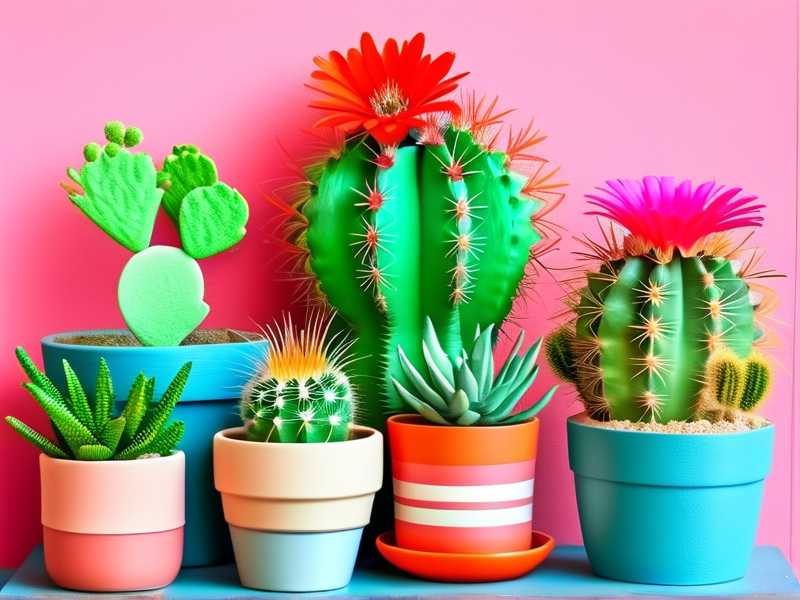
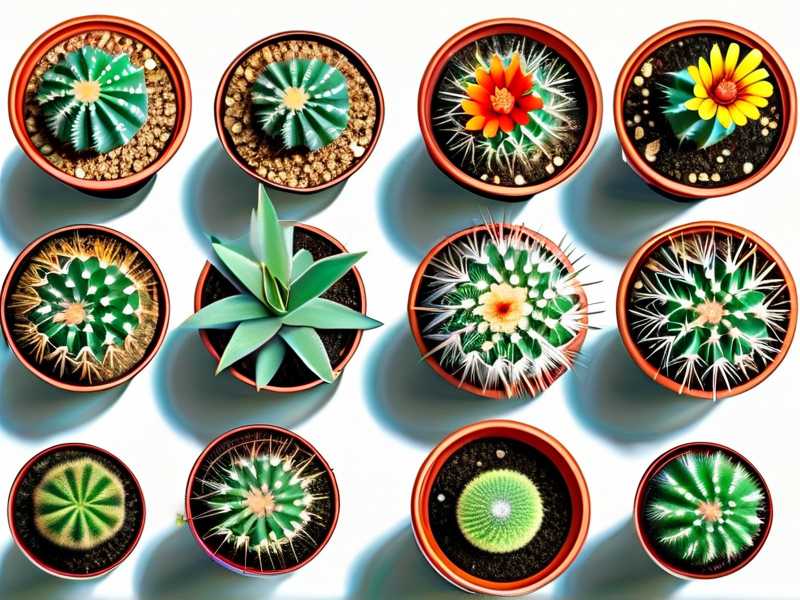
Choosing Your Cactus Companions For beginners and small spaces, opt for forgiving, compact varieties. My recommendations, backed by the Cactus and Succulent Society of America (CSSA), include:
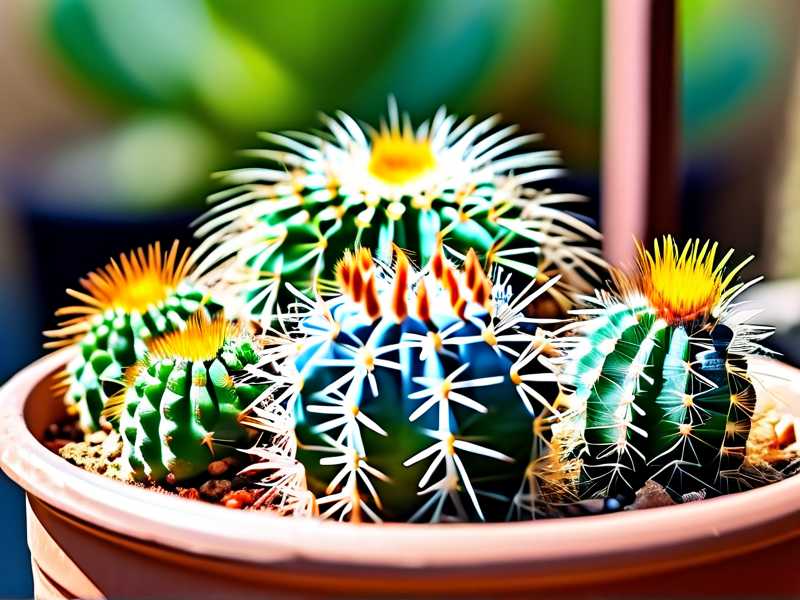
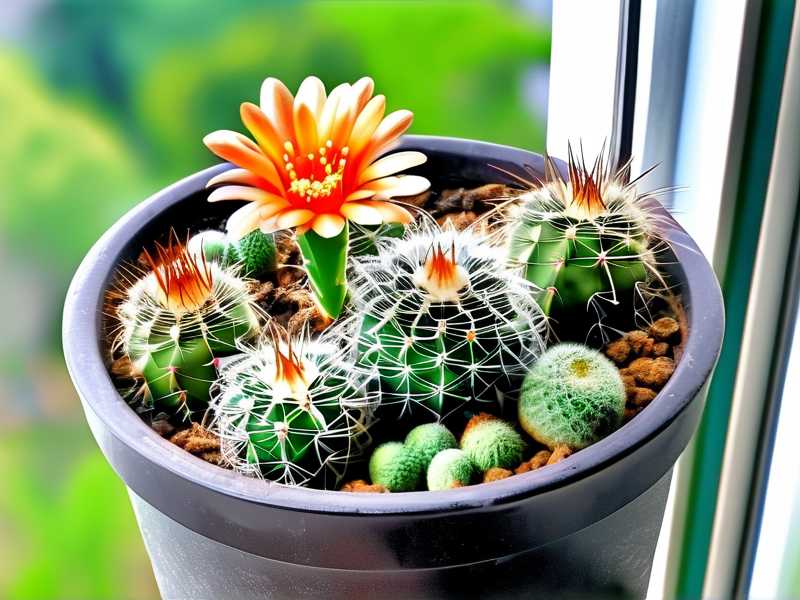
- Echinopsis species: Often called “hedgehog cacti,” they are prolific bloomers and stay relatively small.
- Rebutia: These small, globular cacti produce stunning rings of flowers and are perfect for shallow pots.
- Gymnocalycium mihanovichii (Moon Cactus): The colorful grafted tops add a vibrant pop, though they have specific care needs.
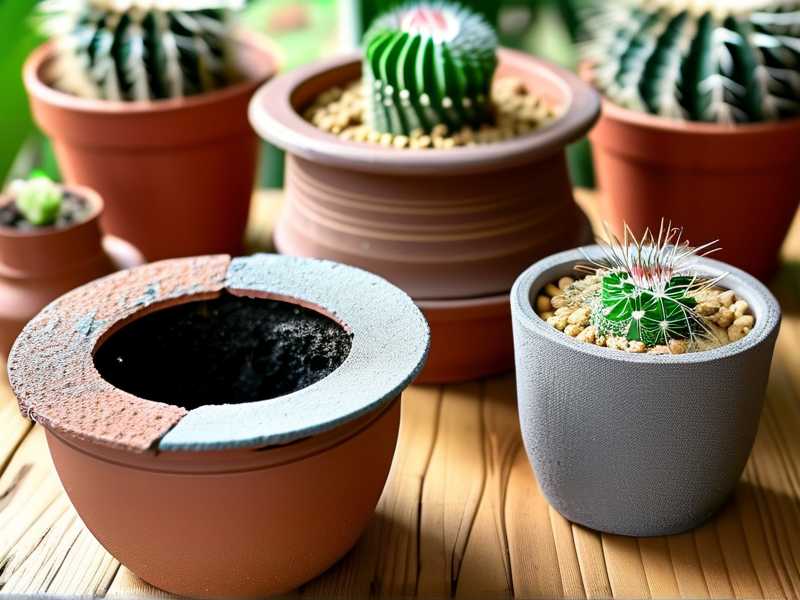
The Non-Negotiable: Drainage, Drainage, Drainage This is the single most important factor. My early pots were decorative but lacked proper holes. After one light rain shower, the soil stayed soggy for days. I immediately reported everything. Your container must have a drainage hole. Terracotta pots are excellent for small balcony cactus gardens because they are porous, allowing soil to dry out more evenly and preventing root rot.
Creating the Perfect Soil Mix: Don’t Use Regular Potting Soil
My second major pitfall was using standard potting mix. It retains too much moisture for cacti, whose roots are adapted to arid, fast-draining environments. A soggy root system is a death sentence. I created my own mix, and the improvement in plant health was visible within the first week. I use a simple 3-part recipe:
- 50% coarse potting soil or coconut coir.
- 30% perlite or pumice for aeration.
- 20% coarse sand or fine gravel. This blend mimics their natural habitat, ensuring water flows through quickly, providing moisture without waterlogging. You can also purchase a high-quality commercial cactus and succulent mix, but I always add extra perlite to it.
The Art of Watering: Less is More, But Timing is Everything
Watering is where most people, including myself initially, go wrong. The “set it and forget it” reputation of cacti is misleading. They need water, but on a very different schedule.
My Two-Week Observation Log:
- Day 1: Planted cacti in new soil mix and terracotta pots. Did not water (to allow any root damage to callus).
- Day 3: Gave a thorough, deep watering until water ran freely from the drainage holes. Placed pots in full sun on the balcony.
- Days 4-7: Monitored daily. Soil surface dried out completely within 2 days. I resisted the urge to water again.
- Day 8: Checked soil moisture 2 inches down using a wooden skewer. It was completely dry. Gave another deep watering.
- Days 9-14: Continued the “soak and dry” method. The cacti plumped up noticeably, showing signs of happy hydration without any yellowing or softness at the base.
The key is the soak and dry method. Water deeply, then let the entire pot of soil dry out completely before even thinking about watering again. In my sunny balcony environment during this trial, this meant watering about every 7-10 days. In cooler or humid weather, it could be every 3-4 weeks. Always let the soil condition, not the calendar, guide you.
Maximizing Light and Dealing with Sun Exposure
Cacti crave light, but even sun-lovers can get burned. My balcony gets intense afternoon sun. I made the error of placing a newly purchased cactus, which had been living in a shaded nursery, directly into the brightest spot. Within two days, it developed pale, yellowish scars—a classic sunburn. The solution is acclimatization. Introduce new or indoor-kept cacti to full balcony sun gradually. Start with 1-2 hours of morning sun for a week, then slowly increase their exposure. Now, all my cacti bask happily in 6+ hours of direct sun, showing vibrant colors and compact, healthy growth. If your balcony is shaded, consider species like Schlumbergera (Christmas Cactus) or Rhipsalis that tolerate lower light.
Seasonal Care and Overwintering on a Balcony
Your small space cactus care routine must change with the seasons. As autumn approached during my project, I researched dormancy. Many cacti need a cool, dry rest period in winter to bloom well the following year. The American Horticultural Society (AHS) notes that providing a dormant period is crucial for flower bud formation in many species. For my balcony, this means:
- Fall/Winter: I will significantly reduce watering, perhaps to just once a month or less, especially if temperatures drop.
- Protection: If your climate experiences frost, you must protect your plants. Move pots to the most sheltered corner, use horticultural fleece, or consider bringing them temporarily indoors to a cool, bright windowsill. My goal is to keep them dry and just above freezing during their rest.
Creative Display Ideas for Tiny Balconies
Limited space demands creativity. Vertical gardening is your best friend.
- Wall-Mounted Shelves: I installed two narrow, sturdy shelves on a sunny wall. This freed up precious floor space.
- Hanging Pots: Small, individual cacti in macramé hangers add layers and interest.
- Tiered Plant Stands: A ladder-style stand allows you to group several pots in a single footprint, creating a stunning focal point for your limited space balcony garden.
What is the most common mistake people make when caring for balcony cacti? Overwatering is the number one killer. Using a pot without a drainage hole or watering on a schedule instead of checking the soil leads to root rot. When in doubt, wait another few days before watering.
Can I keep cacti on a balcony that doesn’t get full sun? Yes, but you must choose species carefully. Opt for jungle cacti like Christmas or Easter Cactus that prefer bright, indirect light. For desert cacti, even a few hours of direct sun is better than none, but growth may be slower and flowering less likely.
Do I need to fertilize my balcony cacti? Yes, but sparingly. During their active growing season (spring and summer), I use a diluted, low-nitrogen fertilizer specifically formulated for cacti and succulents, once a month at most. Never fertilize during the dormant fall and winter period.
Transforming a small, challenging balcony into a vibrant cactus garden is a deeply satisfying journey. It requires a shift in mindset—from frequent nurturing to thoughtful, observant care. By selecting the right plants, mastering the soak-and-dry watering technique, and providing plenty of sun, you can cultivate a stunning, low-maintenance oasis. My two-week experiment taught me that these resilient plants don’t just survive in limited spaces; they thrive, offering unique beauty and a constant connection to nature, right outside your door. Start with one or two pots, learn their rhythms, and watch your miniature desert landscape come to life.