bluename
 How to Care for Hybrid Cactus to Preserve Its Unique Traits
I get it. You finally found that perfect hybrid cactus. Maybe it’s a stunning variegated Gymnocalycium with streaks of pink and yellow, or a bizarre, crested Mammillaria that looks like a living brain coral. You brought it home, thrilled, but now a quiet anxiety creeps in. How do you keep this living sculpture looking exactly as it did in the nursery? How do you prevent that vibrant color from fading or that peculiar form from reverting to something ordinary? That fear of losing what makes your plant special is the exact pain point I’ve lived through. After years of collecting and, yes, making mistakes, I’ve developed a care routine focused not just on survival, but on preserving hybrid cactus traits. This guide is my firsthand account of the precise steps, the two-week observation logs, and the hard-learned lessons that will help your unique cactus thrive.
Understanding Your Hybrid Cactus: It’s Not a Regular Desert Cactus
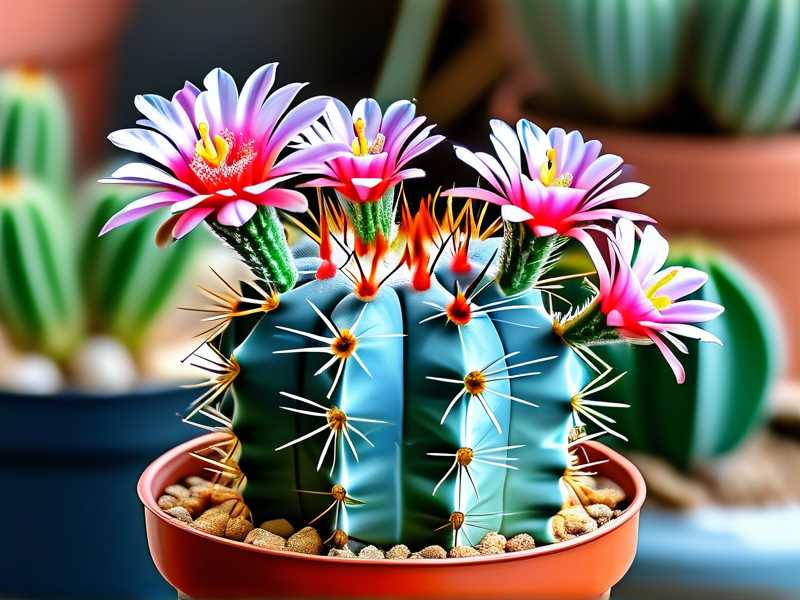
First, let’s ditch a common misconception. Many hybrid cacti are not built for the harsh, sun-baked desert conditions of their purebred ancestors. Their unique traits—vivid variegation, rare chlorophyll-deficient forms, or unstable crests—often come with trade-offs. A cactus with less green pigment (chlorophyll) is more sensitive to intense light. A crested growth pattern can be more prone to rot. Your job is to become a custodian of these delicate genetic expressions.
As noted by the Arizona Horticultural Society of America (AHSA), cultivated hybrids frequently require “modified environmental protocols compared to their species parents, emphasizing protection from extreme stressors that can diminish ornamental characteristics.” In simple terms, to preserve that beautiful weirdness, you can’t just treat it like any other cactus on your shelf.
My Two-Week Hybrid Cactus Acclimation Protocol
When I brought home my prized Astrophytum hybrid ‘Kikko Lizard’, with its intricate, reptile-scale-like patterning, I knew the first days were critical. Here was my step-by-step process.
Week 1: The Quarantine and Assessment Phase
Day 1-3: The Isolation Station. I placed the new cactus in bright, indirect light away from my main collection. This prevents potential pest transfer and allows the plant to de-stress from travel. I did not water it. I used a magnifying glass to inspect every ridge and areole for mealybugs or scale—common hitchers.
Day 4: The First Watering. After confirming the soil was bone-dry, I gave it a thorough bottom-watering. I placed the pot in a shallow dish of water for about 15 minutes, allowing the roots to drink their fill. This method avoids wetting the sensitive stem, a crucial tip for preventing cactus rot in hybrids. I immediately removed it and let it drain completely.
Day 5-7: Observation Log. I took daily photos from the same angle. My goal was to monitor for any signs of stress: sudden yellowing, shriveling, or soft spots. By Day 7, the plant plumped up slightly, a good sign the roots were active.
The Mistake I Made and How I Fixed It
Midway through Week 1, I noticed a slight pale, bleached spot on the most variegated section. I had assumed my north-facing window was safe, but even that mild morning sun was too strong for its chlorophyll-deficient tissue. This is a classic pitfall in hybrid cactus care for unique forms.
The fix was immediate but gentle. I moved it back another foot from the window and used a sheer curtain as a diffuser. Within 3 days, the bleaching stopped. The lesson? Hybrids often need less direct sun than you think. Acclimate them to light incrementally over weeks, not days.
Week 2: Introducing the Long-Term Environment
Day 8-14: I began to introduce it to its permanent home—a spot with about 2 hours of gentle, early morning direct sun, followed by bright indirect light for the rest of the day. I continued photo documentation. The plant showed stable color and firm texture. No new growth yet, but stability is victory at this stage.
By the end of the two weeks, my hybrid was acclimated, hydrated, and stress-free. This careful start is the single most important factor in preserving its long-term health and looks.
The Golden Rules for Ongoing Hybrid Cactus Care
1. Light: The Delicate Balance Hybrids need light to live but can lose their traits under stress. Variegated or colorful hybrids require bright but filtered light. Think east-facing windows or a spot behind a sheer blind in a south window. Full, harsh afternoon sun is often the enemy. For my collection, I use a light meter app to ensure they get 2,000-3,000 foot-candles for most of the day, which is bright but rarely direct midday sun.
2. Watering: Precision Over Schedule Forget “water every two weeks.” The Royal Horticultural Society (RHS) advises that cacti should be watered “only when the growing medium has dried out completely, and less frequently during dormant periods.” I use the “pot weight” method. I lift the pot; if it feels light, I check the soil moisture at the drainage hole with a chopstick. Only if it’s bone-dry do I perform a deep bottom-watering. This method has virtually eliminated rot issues for me.
3. Soil and Potting: Building the Right Foundation A fast-draining mix is non-negotiable. My recipe is 50% mineral grit (pumice, perlite, coarse sand) and 50% cactus potting soil. The pot must have a drainage hole. Terracotta pots are excellent as they wick away excess moisture. Repot only when necessary, and always do it at the start of the growing season.
4. Fertilization: Less is More Hybrids are not heavy feeders. A diluted, low-nitrogen cactus fertilizer applied once at the beginning of the growing season and once in mid-summer is sufficient. Over-fertilizing can force weak, distorted growth that undermines the plant’s unique form.
5. Vigilance and Pest Control Your hybrid is a target for pests. Mealybugs love to hide in the wool of cacti like Mammillaria hybrids. I do a monthly inspection with a flashlight and keep a cotton swab dipped in isopropyl alcohol (70%) handy for spot treatment. Early detection is everything.
Why Is My Hybrid Cactus Losing Its Color or Shape?
This is the heart of the matter. If your cactus is reverting or fading, diagnose using this checklist:
- Too Much Direct Sun: Can bleach variegation or cause scorching.
- Not Enough Light: Can cause etiolation (stretching) and make colors dull.
- Overwatering: Leads to root rot, which manifests as a loss of firmness and color in the stem.
- Natural Reversion: Some hybrids are genetically unstable. If a fully green offset appears on a variegated plant, remove it promptly to direct the plant’s energy to the variegated growth.
Frequently Asked Questions
My crested cactus has a soft, brown patch at its base. What should I do? This is likely rot. You must act surgically. Sterilize a knife and cut away all the soft, brown tissue until you only see healthy, firm green flesh. Let the cut callus over in a dry, shaded spot for a week or more, then replant in fresh, dry soil. Do not water for at least another week.
How often should I really water my variegated hybrid cactus? There is no universal schedule. It depends on your home’s humidity, temperature, light, and pot type. Always use the “dry completely” rule. In my home, during summer, it might be every 10-14 days. In winter, it can be over a month. Always check, don’t guess.
Can I propagate my hybrid cactus to preserve its traits? It depends on the trait. Variegation can sometimes be propagated through offsets or grafts if the variegated tissue is used. Crested forms are often propagated by carefully dividing the crest and re-rooting sections. However, plants grown from seed may not retain the hybrid’s exact characteristics.
Caring for a hybrid cactus is a rewarding exercise in attentive, nuanced plant parenting. It moves beyond basic survival into the realm of cultivation artistry. By prioritizing gentle light, precise watering, and vigilant observation, you become an active partner in preserving that genetic marvel. You learn to read its subtle signals—a slight blush, a firm texture, a plump stem. The goal is not just a living plant, but a thriving, unchanged testament to the unique beauty you chose to bring into your home. Start with patience, proceed with care, and your hybrid will reward you by staying spectacularly itself for years to come.