bluename
 How to Care for Cactus Using Grow Lights in Low-Light Rooms
I love my cactus collection. Their sculptural forms bring a unique, low-maintenance beauty to my home. But when I moved into an apartment with north-facing windows, I faced a real problem. My sun-worshipping cacti started to look sad. They became pale, stretched out awkwardly towards the faint light, and lost their vibrant, plump appearance. I knew they were slowly starving for light. That’s when I embarked on a mission to learn how to care for cactus using grow lights. It wasn't just about keeping them alive; it was about helping them thrive in a space that defied their natural needs. This guide is the culmination of my research, trial, error, and ultimately, my success.
Understanding the Cactus and Light Dilemma
Cacti are masters of survival in harsh, sun-drenched deserts. They have evolved to crave and require intense light for photosynthesis. In low-light rooms, the process slows dramatically. The plant can't produce enough energy. This leads to etiolation – that stretched, weak growth as the cactus desperately reaches for any light source. Their color fades, their spines may become sparse, and their overall health declines, making them susceptible to pests and rot. Simply placing them on a dim windowsill isn't a solution. They need a consistent, adequate light substitute, which is where a proper grow light setup becomes non-negotiable.
Choosing the Right Grow Light for Your Cactus
Not all lights are created equal, especially for plants. My initial mistake was using a standard, cool-white LED desk lamp. The results were negligible. Through research and consulting resources from the Royal Horticultural Society (RHS), I learned cacti need light from specific parts of the spectrum.
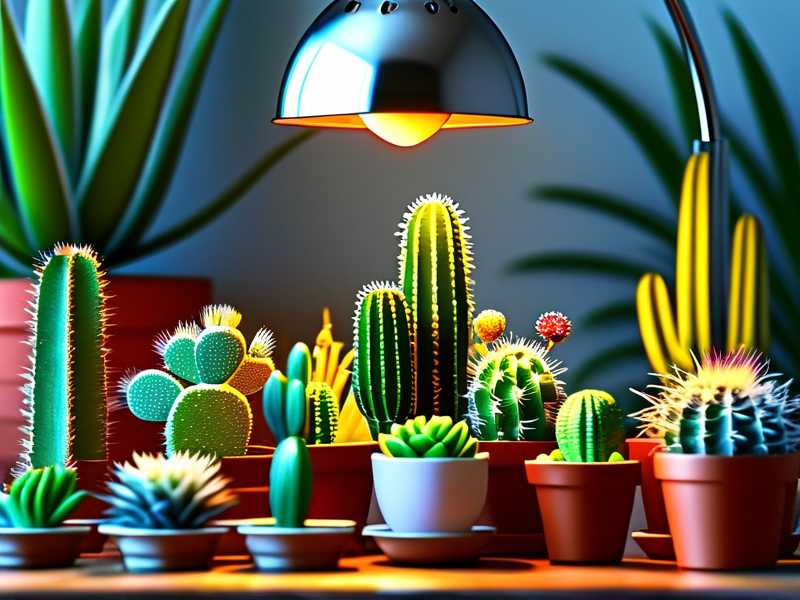
- Full-Spectrum LED Lights Are Your Best Bet: Modern full-spectrum LED grow lights are ideal. They mimic the sun's natural light, providing the blue wavelengths needed for compact, healthy growth and the red wavelengths that support overall functions. They are also energy-efficient, produce minimal heat, and last a long time.
- Light Intensity (PPFD) Matters: Photosynthetic Photon Flux Density (PPFD) measures how many light photons hit the plant. Cacti generally need a PPFD between 200 and 400 µmol/m²/s for maintenance and growth. I used a light meter app (as a rough guide) to help gauge this.
- Avoid Blurple Lights for Aesthetics: While "blurple" (blue-red) lights are effective, they cast a strange purple glow in your living space. I opted for white full-spectrum LEDs because they make my cacti look natural and integrate well into my home decor.
For my setup, I chose a 30W full-spectrum LED panel light. It was a game-changer compared to my first failed attempt.
My Step-by-Step Setup and Two-Week Observation Log
Here is exactly what I did, including the pitfalls I encountered along the way.
Step 1: Positioning and Hanging the Light I mounted the light panel above a shelf holding my most light-starved cacti. The key here is distance. Placing the light too close can cause scorching, while too far renders it useless. Following the manufacturer's guidelines and advice from the American Horticultural Society (AHS), I started with the light about 12 inches (30 cm) above the tallest cactus. I used adjustable hanging cables to make fine-tuning easy.
The First Pitfall and Fix: After 3 days, I noticed the very top of my tallest Pilosocereus was looking slightly bleached. I had placed the light too close. The fix was simple: I raised the entire fixture by another 4 inches. The bleaching stopped, and new growth later emerged healthy.
Step 2: Setting the Photoperiod (Light Duration) Cacti need a day/night cycle. In their natural habitat, they experience long summer days. I set my digital timer for a 14-hour "day" and a 10-hour "night." Consistency is crucial, as erratic lighting stresses plants. The timer automates everything, ensuring they get their rest period even if I forget.
Step 3: The Crucial Two-Week Observation Period I kept a simple journal to track changes. This helped me react quickly to any issues.
- Days 1-3: No visible change. This is normal; plants don't react overnight.
- Days 4-7: I observed the pale, etiolated growth on a Mammillaria started to look slightly firmer and less limp. This was an early sign of improved cellular health.
- Days 8-10: The most exciting change! The vibrant green color began to return to the body of my Gymnocalycium. The new areoles (spots where spines grow) on the top of several cacti appeared denser and darker.
- Days 11-14: Active, healthy new growth was visible. A Parodia cactus began to develop a perfectly round, compact new crown right at its center—a sure sign it was receiving sufficient, direct light from above. There was no further stretching or pallor.
The Second Pitfall and Fix: Around day 5, I realized I was neglecting to rotate my cacti. The side facing the light was thriving, but the other side remained in shadow. I instituted a weekly quarter-turn for each plant to ensure even, symmetrical growth. This is a simple but vital step often overlooked in cactus care with artificial lighting.
Balancing Light with Other Care Factors in Low-Light Conditions
A grow light fixes the light problem, but it alters other care aspects. You cannot just "set and forget."
- Watering Adjustments: Under strong grow lights, the soil dries out faster than in a dim corner. However, cacti in pots indoors still need the "soak and dry" method. I now check soil moisture with my finger every 10 days instead of every 3 weeks. I water deeply only when the soil is completely dry, and I am even more cautious in winter.
- Soil and Fertilizer: Well-draining cactus soil is non-negotiable. With improved growth from the lights, I support my cacti with a diluted, balanced fertilizer during the active growing season (spring and summer), but never in fall or winter.
- Heat and Airflow: My LED panel produces little heat, but some lights can. Good airflow prevents fungal issues. I ensure the room is well-ventilated and even use a small, gentle fan on low setting occasionally to mimic a natural breeze.
Common Questions About Using Grow Lights for Cacti
Can any LED light work as a grow light for my cactus? Not effectively. Standard LED bulbs are designed for human vision, not plant photosynthesis. They often lack the intensity and full spectrum, especially sufficient red and blue light, that cacti require to photosynthesize properly. A dedicated full-spectrum LED grow light is a worthwhile investment.
How long should I leave the grow lights on each day? A photoperiod of 12-14 hours is ideal for most desert cacti during their growing season. This mimics long summer days. Always use a timer to provide a consistent cycle and a crucial period of darkness, which is just as important as the light for plant health.
Will a grow light cause my cactus to flower? It can significantly increase the chances! Flowering requires abundant light and overall plant health. While some cactus species have specific maturity or cold-period requirements to bloom, providing optimal light conditions for indoor cactus through a quality grow light removes the biggest barrier to flowering indoors. Since using my light setup, two of my mature cacti have produced flower buds for the first time in years.
Transforming a low-light room into a haven for cacti is entirely possible with the right tools and knowledge. My journey from worried plant parent to confident indoor gardener hinged on understanding that light is food for these desert plants. By selecting a proper full-spectrum LED light, carefully positioning it, maintaining a consistent schedule, and adjusting my overall care routine, I watched my collection not just recover but truly flourish. The compact, colorful growth and even the promise of flowers are testaments to the power of mimicking the sun. If your cacti are languishing in the shadows, a thoughtful grow light setup is the most effective step you can take to ensure their long-term health and beauty.