bluename
 How to Care for Cactus During Heavy Rain and Waterlogging: A Plant Lover’s Survival Guide
If you’re like me, the forecast of heavy rain can send a jolt of panic straight to your heart when you have a collection of beloved cacti. We spend so much time carefully rationing water, ensuring perfect drainage, and basking them in sunlight, that a sudden deluge feels like an existential threat to our prickly friends. The core problem is simple yet severe: cacti are engineered for arid survival, and their roots are exceptionally vulnerable to rot when trapped in soggy, oxygen-deprived soil. I learned this the hard way, and through a recent, intense two-week battle against persistent waterlogging, I developed a clear, actionable rescue protocol. This guide is born from that hands-on experience, complete with the mistakes I made and the solutions that ultimately saved my plants.
Understanding the Enemy: Why Water is a Cactus’s Silent Killer
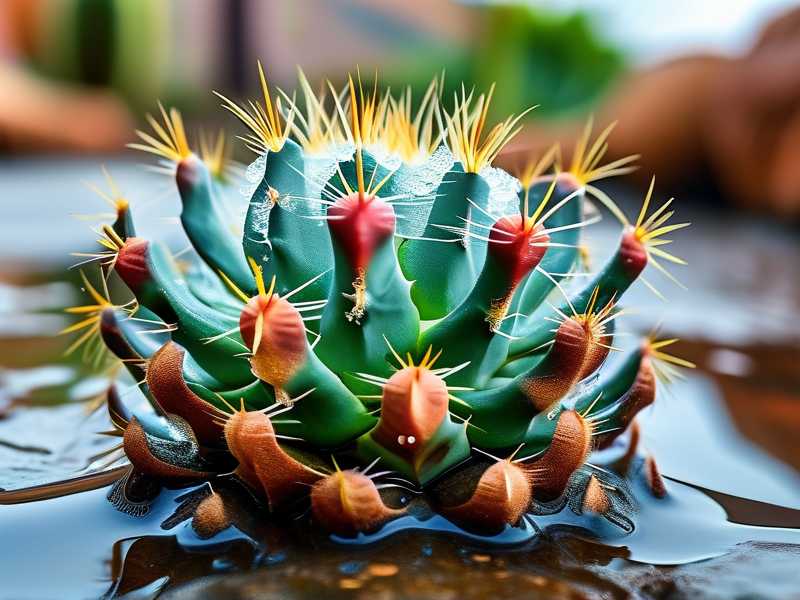
We often think of cacti as indestructible, but their greatest strength is also their Achilles’ heel. Their specialized tissues are designed to store water for months. When the surrounding soil is already saturated from heavy rain and waterlogging, they cannot absorb more, and the excess moisture creates a hostile environment. According to the Royal Horticultural Society (RHS), the primary cause of cactus death is root rot, a fungal condition that thrives in wet, poorly-drained compost. The roots essentially suffocate and decay, and the damage can spread upwards into the stem with alarming speed.
My ordeal began with an unexpected week of torrential spring rains. My patio collection, usually shielded, was thoroughly drenched. Initially, I made the critical error of assuming “they’ll dry out.” But after two days of continued dampness and cool temperatures, I noticed a subtle change—a slight give at the base of my prized Echinopsis and a duller, darker green hue on my Opuntia. The clock was ticking.
Immediate Emergency Response: The First 48 Hours Are Critical
The moment you realize your cactus has been waterlogged, action must be swift. Here is the step-by-step process I followed, refined by trial and error.
Step 1: Immediate Shelter and Assessment First, I moved all potted cacti to a covered, airy space—my garage with fans running. For in-ground cacti, I couldn’t move them, so I focused on improving their site drainage later. The initial assessment is visual and tactile. Gently press the base of the cactus. Any softness, mushiness, or discoloration (yellowing or blackening) is a red flag. A healthy cactus should feel firm and resilient.
Step 2: The Unpotting and Root Inspection This is the most crucial step. Do not wait. I carefully unpot each plant, gently brushing away the wet soil to expose the root system. My heart sank during this process. On several plants, the fine feeder roots were brown and slimy instead of white and firm—a classic sign of early rot. The smell was faintly musty. The American Horticultural Society (AHS) emphasizes that removing all affected material is non-negotiable to stop the spread of disease.
Step 3: Surgical Removal of Rot Using a sterile, sharp knife (I wiped mine with rubbing alcohol), I meticulously cut away any soft, brown, or blackened roots and stem tissue. You must cut back until you see only clean, healthy, white or green tissue. It felt drastic, but hesitation here is fatal. For one Mammillaria, the rot had crept an inch up the base; I had to remove a significant portion, leaving what looked like a small green puck. I dusted all cut surfaces with sulfur powder (a great natural fungicide) to dry and protect them.
Step 4: The Great Dry-Out This is where I made my second mistake. In my first attempt, I repotted too soon. The correct method is to place the bare-root cactus in a dry, warm, and shaded spot with excellent air circulation. I used a small fan on low, directed nearby. I let the plants sit like this for a full 7 to 10 days. This allows all the cut wounds to callous over completely, forming a hard seal that prevents new infection when planted. Patience is vital.
Step 5: Repotting in a Life-Saving Medium Never reuse the old, contaminated soil. I created an ultra-fast-draining mix: 50% high-quality potting soil for cacti and succulents, 30% perlite, and 20% coarse sand or poultry grit. The pot must have ample drainage holes—I now drill extra ones. I potted the calloused cacti in the dry mix and did NOT water them. This was counterintuitive but essential. The plant needs to focus on emitting new roots into the dry medium, not sitting in moisture again.
The Two-Week Observation and Recovery Timeline
My observation period was a rollercoaster of anxiety and hope.
- Days 1-3 Post-Repotting: The plants looked unchanged, which I took as a good sign. No further collapse or discoloration.
- Days 4-7: The true test. I began to see slight shriveling on the smaller Mammillaria. This was terrifying, but I learned it’s normal—the plant is using its internal water stores to fuel new root growth. Resisting the urge to water was the hardest part. The larger Echinopsis remained stable.
- Days 8-14: A breakthrough. Upon very gently wiggling one plant, I felt slight resistance—a hint of new root anchorage. After two full weeks, I gave the smallest, most shriveled cactus a light bottom-watering (placing the pot in a shallow dish of water for 10 minutes). Within two days, it plumped up noticeably, confirming new roots were active. I then carefully watered the others.
Long-Term Prevention: Building a Resilient Cactus Environment
The crisis taught me that prevention is infinitely easier than cure. Here’s how I’ve permanently adapted my care to prevent cactus damage from excessive rainfall.
Optimize Your Soil and Pot Dynamics Your soil mix is your first defense. I now use a even grittier mix year-round. For pots, I’ve switched almost exclusively to unglazed terracotta. Its porous walls allow moisture to evaporate from the sides, not just the bottom, dramatically reducing the risk of soggy soil after storms. A layer of gravel at the bottom is a myth; it actually raises the water table inside the pot. Better to fill the entire pot with a uniform, well-draining mix.
Master the Art of Strategic Sheltering I now monitor weather forecasts diligently. If prolonged heavy rain is predicted, I move portable pots under cover before the first drop. For my in-ground bed, I installed a simple, removable clear-polycarbonate roof during the rainy season. It’s not about depriving them of all rain, but preventing the relentless, soil-saturating downpours.
Improve Drainage for Potted and Garden Cacti For container plants, ensure pots are elevated on feet to allow free water drainage from the holes. In the garden, if your soil is clay-heavy, consider planting cacti in raised mounds or beds filled with your custom gritty mix. This elevates the root crown above any standing water.
FAQ: Your Pressing Questions Answered
Can a cactus recover from root rot? Yes, absolutely, if caught early. The key is aggressive removal of all rot, a thorough dry-out period to callous, and repotting in dry, sterile mix. The plant will use its stored water to regenerate roots. My severely cut-back Mammillaria is now pushing out new growth, a testament to their resilience.
How long can a cactus sit in wet soil before damage occurs? There’s no single answer, as it depends on temperature, soil type, and cactus species. In warm, breezy conditions, a day or two might be okay. In cool, humid, stagnant conditions, damage can begin within 24 hours. My rule of thumb: if the soil is still soaking wet 48 hours after the rain stops, it’s time to intervene.
Should I water my cactus after a heavy rain? Almost certainly not. The rain has provided more than enough moisture. The biggest risk is overwatering on top of natural rain. Wait until the soil is completely dry, and then wait another week. Use a moisture meter or a simple wooden skewer to check deep soil moisture. When in doubt, err on the side of underwatering.
Watching your cacti endure a wet season is stressful, but it doesn’t have to end in loss. The philosophy shifts from passive hope to active, informed management. By understanding the physiology of rot, executing a decisive rescue plan, and implementing foolproof preventive measures, you can build a cactus collection that withstands not just drought, but the challenges of an unpredictable climate. My plants are now healthier than ever, not because I never face problems, but because I’ve learned to listen to their subtle signs and act with confidence.