bluename
 How to Care for Fast-Growing Cactus to Control Its Size
I love my cacti collection, but I’ll admit it: things got out of hand. My once-tidy pots were being taken over by sprawling arms and towering columns, threatening to poke the ceiling and crowd out every other plant on the shelf. If you’re here, you likely share that same mix of awe and panic when your fast-growing cactus starts living up to its name a little too enthusiastically. The core challenge isn't just about keeping them alive—it's about managing their vigorous growth to maintain a desirable, controlled size without harming their health. This guide is born from my own two-week journey of trial, error, and eventual success in taming my overzealous green friends.
Understanding Why Your Cactus is Growing So Fast
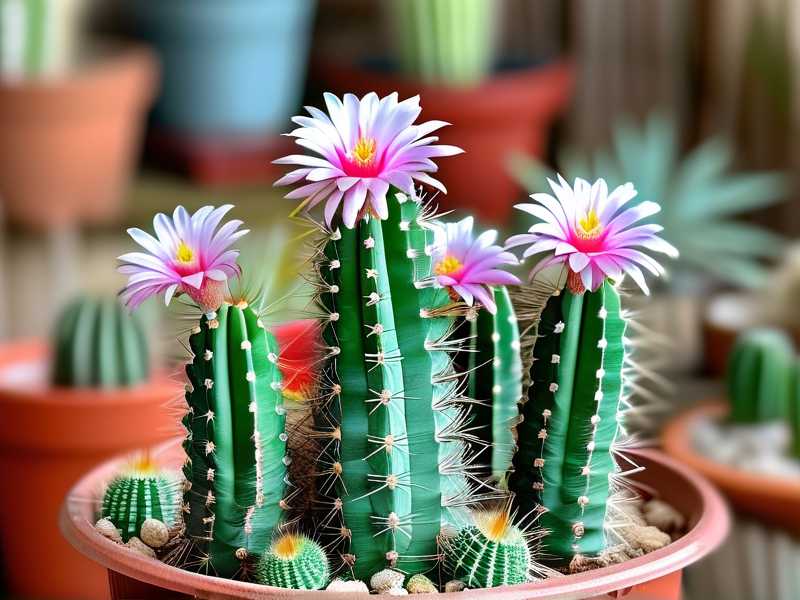
Before you reach for the pruners, it’s crucial to understand the why behind the rapid growth. In my experience, a combination of factors usually triggers this explosion.
First, light exposure. I had my Cereus peruvianus (Peruvian Apple Cactus) in a south-facing window, bathing in over 8 hours of direct sun daily. While cacti need light, this optimal, intense exposure supercharged its photosynthesis, leading to impressive but disproportionate vertical growth. According to the Royal Horticultural Society (RHS), while sufficient light is essential for healthy form, excessive direct light without corresponding space constraints can encourage leggy, rapid growth as the plant reaches for even more.
Second, watering and fertilization habits. I was following a “generous” summer watering schedule and using a balanced fertilizer every month. This was a mistake. The Arizona-Sonora Desert Museum (ASDM) authority notes that many fast-growing columnar cacti are adapted to exploit brief periods of moisture. By providing consistent water and nutrients, I was essentially replicating perpetual ideal conditions, telling my cactus, “Go ahead, grow as much as you can!”
The third factor is simply genetics. Species like Opuntia (Prickly Pear), Trichocereus, and many Euphorbias (which are often cactus-like in form) are naturally programmed for rapid expansion. Recognizing your cactus’s innate tendency is the first step in formulating a control strategy.
My Two-Week Plan to Control Cactus Size
Faced with a Opuntia microdasys (Bunny Ears) that was sprouting pads in every direction, I devised and implemented a four-step plan over a 14-day period. The goal was not to stunt the plant, but to strategically guide and moderate its growth.
Step 1: Strategic Pruning and Shaping (Day 1)
This is the most immediate method for controlling cactus size and shape. Here’s my precise process:
- Tools: I used a sharp, sterilized knife (rubbed with isopropyl alcohol) for clean cuts. For smaller spines, kitchen tongs were my best friend.
- Technique: I identified the newest, outermost pads that were throwing off the plant’s symmetry. I made cuts at the joints or narrow connecting points. For columnar types, you can cut the main stem at the desired height. A crucial tip from the Cactus and Succulent Society of America (CSSA) is to cut at a slight angle so water runs off the cut surface, preventing rot.
- The “Pitfall” & Solution: My first cut was messy and crushed the tissue. This can invite disease. The solution was using a sharper blade and making a confident, single-stroke cut. I also learned to immediately dust the fresh wound with sulfur powder or cinnamon (a great home remedy) to dry it out and seal it.
Step 2: Adjusting the Watering Regimen (Days 1-14)
Immediately after pruning, I drastically altered my watering. This is key for managing overgrown cactus growth long-term.
- The New Routine: I allowed the soil to become completely dry, not just on the surface but several inches down. I then waited an additional 3-5 days before giving it a thorough soak. This mimics the natural “feast or famine” cycle and signals to the plant that resources are not endlessly abundant.
- Observation (Day 7): The pruned cuts had calloused over perfectly with no signs of rot. The existing stems/pads felt firm but showed no new plumpness from water intake. Growth momentum had visibly slowed.
- The “Pitfall” & Solution: The urge to water “because I just pruned it” was strong. I overcame this by using a soil moisture probe. Seeing the “dry” reading was the objective data I needed to resist.
Step 3: Modifying Light and Fertilization (Days 1-14)
- Light: I did not move my cactus to a dark spot—that causes etiolation (weak, pale growth). Instead, I rotated it to an east-facing window where it received bright, but less intense, direct morning light for about 4-5 hours. This provided ample energy for health without the growth frenzy.
- Fertilizer: I stopped all fertilization completely for this two-week period and planned to resume at half-strength only once at the start of the next growing season. This denies the extra nutrients that fuel excessive expansion.
Step 4: Propagation and Space Management (Day 3)
The pads I removed didn’t go to waste. This step addresses size control by creating new plants and freeing up space.
- Process: I let the cut pads callous for 48 hours. Then, I placed them on top of dry, well-draining cactus mix. I did not water them.
- Observation (Day 14): By the end of my experiment, the cuttings had begun to develop tiny root nubs, confirming they were viable. This was a rewarding way to “reset” the size of the mother plant while expanding my collection.
Results After 14 Days of Careful Management
The transformation was clear and encouraging. The pruned Opuntia maintained a compact, rounded shape with no new unruly pads. The calloused areas were clean and healthy. Most importantly, the overall growth rate had shifted from “explosive” to “moderate and steady.” The plant looked robust, not stressed. It was clear that the combined approach of physical shaping, coupled with environmental adjustments, was far more effective than any single tactic.
Preventative Care for Long-Term Size Management
Now that the situation is under control, maintaining it is about consistent, mindful care.
- The Right Pot: Use a pot that is only 1-2 inches wider than the plant’s base. A root-bound cactus will naturally focus less energy on top growth.
- Well-Draining Soil: Always use a gritty, specifically formulated cactus mix. Retained moisture promotes root and subsequent top growth.
- Seasonal Awareness: Respect dormancy. In winter, reduce watering to once a month or less and provide cooler temperatures if possible. This annual rest period is a natural growth regulator.
Will pruning hurt my cactus? Not if done correctly. Using a sterile, sharp tool and allowing the cut to callous over in a dry environment prevents infection. The cactus will heal and often branch from just below the cut point, creating a fuller shape.
How often should I water to slow down growth? Water only when the soil is completely dry throughout the pot, and then deeply. During the plant’s dormant period (usually fall and winter), extend the dry periods significantly—sometimes for a month or more. This cyclical stress mimics nature and moderates growth.
My cactus is getting too tall and leaning. What can I do? You have two good options. First, you can prune it to your desired height—it will callous and may produce new branches from the side. Second, you can stake it. Use a sturdy stake and soft ties (like cloth or foam-padded wire) to provide support without damaging the skin. Repotting it deeper can also help, but be extremely careful not to bury any of the green stem.
Seeing your fast-growing cactus thrive is a joy, but unchecked growth can become a space challenge. Through strategic pruning, mindful watering, and adjusted light, you can successfully guide your plant’s development. Remember, the goal is partnership, not punishment. By working with your cactus’s natural rhythms—providing a little less when it grows too much—you can enjoy a beautiful, balanced, and manageable plant for years to come. The satisfaction of a perfectly proportioned, healthy cactus is well worth the attentive care.