bluename
 How to Care for Cactus for Pet-Safe Household Gardens
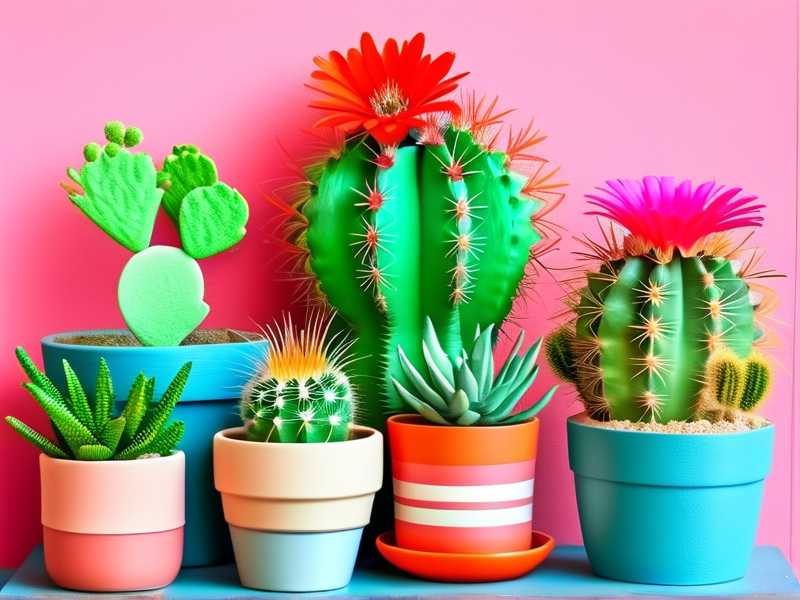
I love the stark, sculptural beauty of cacti. They bring a touch of serene desert magic into my home. But as a pet owner, my initial excitement was always tempered by worry. I’d find my cat, Whiskers, curiously batting at a spiny pad or my dog sniffing a potted barrel cactus, and my heart would sink. The question haunted me: can my love for these resilient plants coexist with my responsibility to keep my furry family safe? The answer, I’ve learned through trial, error, and two weeks of meticulous observation, is a resounding yes. Creating a thriving, pet-safe household garden with cacti is entirely possible. It requires a shift from just plant care to integrated, strategic stewardship. This guide is born from my hands-on journey, the mistakes I made, and the effective system I now use to ensure both my cacti and my pets flourish safely under one roof.
Understanding the Real Risks: More Than Just Spines
Before we even pick a pot, we must get real about the dangers. It’s not just about painful pokes.
- Physical Injury: Obvious, but worth detailing. Glochids—those tiny, hair-like spines on cacti like Opuntia (Prickly Pear)—are the worst. They detach easily, lodge in skin and paws, and are brutally hard to remove. I learned this the hard way when Whiskers brushed against one. A frantic vet visit and a very unhappy cat followed.
- Toxicity: This is the silent threat. Many popular cacti contain alkaloids and other compounds that can cause gastrointestinal distress, vomiting, lethargy, or worse if ingested. The American Society for the Prevention of Cruelty to Animals (ASPCA) maintains a definitive list of toxic and non-toxic plants. I now cross-reference every single plant I consider with their database. It’s my first and non-negotiable step.
- Chemical Hazards: We often forget about fertilizers and pesticides. A pet digging in or drinking from drainage saucers contaminated with chemical runoff is a real risk.
The Foundation: Selecting the Safest Cactus Varieties
Your first and most powerful line of defense is plant selection. I focus on two categories: non-toxic and structurally less hazardous.
My Top Picks for a Pet-Safe Cactus Collection
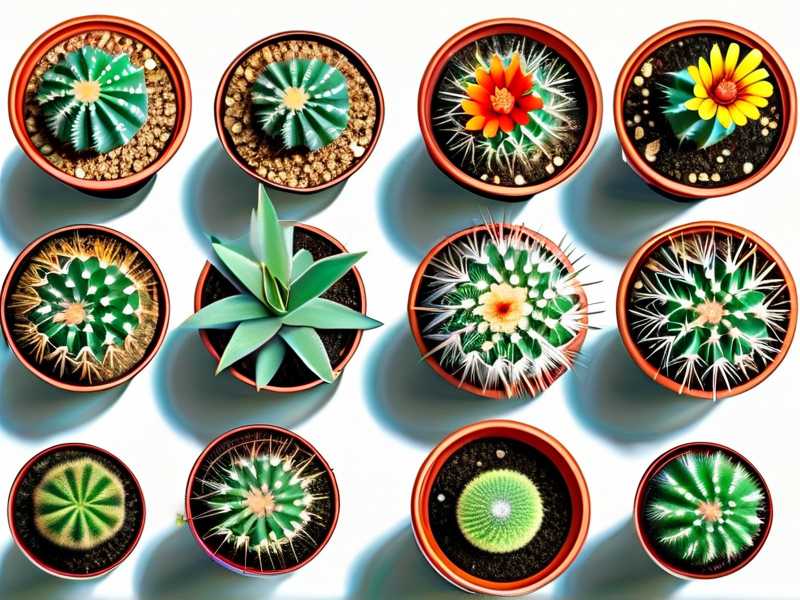
After consulting the ASPCA list and my own experiences, these have become the trustworthy staples of my home:
- Christmas Cactus (Schlumbergera bridgesii): An absolute champion. It’s completely non-toxic, has no spines, and offers gorgeous seasonal blooms. It’s a perfect, safe introduction.
- Blue Candle Cactus (Myrtillocactus geometrizans): This one is a favorite for its stunning form. While it has spines, they are typically few and robust, not the fuzzy, shedding type. More importantly, it’s listed as non-toxic. Placement is key here—somewhere visible but out of casual reach.
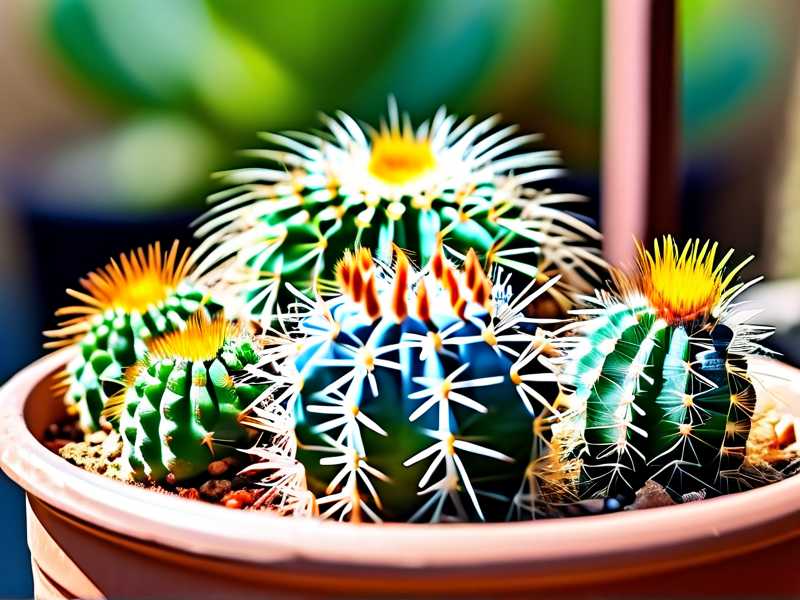
- Old Lady Cactus (Mammillaria hahniana): This one requires careful handling. It’s covered in a web of fine spines and hair. However, it is considered non-toxic. I only recommend this if you can place it in a completely inaccessible spot, like a high, secure shelf.
Plants I Actively Avoid:
- San Pedro Cactus (Echinopsis pachanoi): Contains mescaline, which is toxic to pets and humans.
- Peyote (Lophophora williamsii): Similarly, contains potent alkaloids.
- Many Euphorbias (like the African Milk Tree): Often mistaken for cacti, they exude a milky, highly irritating sap that is dangerous for pets. I treat all Euphorbias with extreme caution.
Strategic Placement and Pet Deterrence
You can’t train a cat to ignore a fascinating, wobbly object. You can engineer the environment. This was my biggest learning curve.
The "See But Don’t Touch" Principle: I use high, stable shelves anchored to the wall. Floating shelves away from furniture jumps are ideal. Terrariums with secure mesh lids or glass cloches for smaller cacti are both decorative and functional barriers.
Creating a "Green Distraction": This was a game-changer. In easy-to-reach areas, I planted a small, lush pot of cat grass (wheatgrass). It gives Whiskers a designated, appealing plant of his own to nibble on, diverting attention from the forbidden cacti. The Royal Horticultural Society (RHS) notes that providing appropriate outlets for natural behaviors, like grazing, is key to harmonious indoor gardening with pets.
The Two-Week Observation & Adjustment Protocol
When I introduced my first "safe" Blue Candle Cactus, I didn’t just set it and forget it. I instituted a 14-day watch.
- Days 1-3: High Alert. I observed my pets’ initial curiosity. Whiskers did approach, sniff, and even tentatively pawed at the base pot. No attempts to bite, but the interest was there.
- Days 4-7: Environmental Tweaking. The interest persisted, so I added a layer of large, smooth river rocks on top of the soil. This made digging impossible and added an unappealing texture. I also moved the pot 6 inches higher on the shelf.
- Days 8-14: Habituation. The combination of the rocks, the slightly higher placement, and the readily available cat grass worked. By the end of the second week, the cactus had simply become part of the background scenery for my pets. Success was not in eliminating all interest, but in managing it to safe indifference.
The Pet-Conscious Care Routine
Caring for these plants now has a dual purpose: their health and ongoing safety.
- Watering Wisely: I water deeply but infrequently, always in the sink, letting all excess water drain away completely before returning the pot to its decorative saucer. This eliminates pools of water that pets might drink from.
- Fertilizing with Care: I use organic, pet-safe fertilizers at half-strength. I apply them only when I can move the plants to a protected area (like a closed bathroom) for 24 hours, allowing any surface residue to dry or be absorbed.
- Handling and Repotting: This is a "gloves and goggles" operation for me. I use thick leather gloves and even safety glasses when handling spiny types to avoid getting glochids in my skin, which I could then transfer to my pets. All repotting is done outside, and all debris is meticulously cleaned up.
Troubleshooting: The Pitfalls I Encountered and Fixed
- The Fallen Segment: A piece of my Christmas cactus broke off. Before, I might have left it. Now, I know a curious pet might see it as a toy. I immediately picked it up and propagated it in a separate, secure starter tray.
- The "Interesting" Soil: My dog once became fascinated with the smell of a new, organic potting mix. To prevent digging, the river rock mulch became my standard for all floor-level or low-accessible plants.
- Vet-Verified First Aid: I prepared a pet cactus first-aid kit: tweezers for large spines, sticky tape for glochids, and saline solution to flush eyes. I also have my vet's emergency number and the ASPCA Animal Poison Control Center number (888) 426-4435 saved in my phone. Being prepared eased my anxiety immensely.
Living in Harmony: The Reward
After two weeks of intentional observation and adjustment, the dynamic in my home shifted. The silent worry is gone. I enjoy the serene, architectural beauty of my cacti collection. My pets roam safely, their natural curiosities redirected to appropriate outlets. My home feels truly complete—a shared sanctuary for all its living inhabitants.
Frequently Asked Questions
What is the absolute safest cactus I can get if I have very curious pets? The Christmas Cactus (Schlumbergera bridgesii) is your best bet. It is non-toxic per the ASPCA and completely spineless, removing both major risks. It’s also a beautiful and easy-to-care-for plant.
My cat knocked over a cactus. What should I do first? First, secure your pet in another room to prevent further contact. Wear gloves to carefully clean up the plant and soil, checking for spilled water or fertilizer. Examine your pet for any visible spines, especially in paws or mouth. If you suspect ingestion of a toxic variety or see signs of distress (vomiting, drooling, pawing at mouth), contact your vet or the ASPCA Poison Control immediately.
Are the fertilizers and pesticides I use on my other plants a risk around my cacti? Yes, absolutely. Runoff can collect in saucers, and residues can linger on leaves or soil. Opt for pet-safe, organic products whenever possible. Always apply treatments in a well-ventilated area away from pets, and consider isolating the plant until treatments are fully dry or absorbed. The core principle is to treat everything in your plant’s environment—not just the plant itself—as part of your pet-safe strategy.