bluename
 How to Care for Cactus in Miniature Terrarium Displays: A 2-Week Journey from Setup to Success
I love the idea of a tiny, self-contained desert world sitting on my desk. The allure of a miniature terrarium display with cacti is undeniable. But my first few attempts ended in mushy, rotten plants and a lot of frustration. The common pain point is real: these resilient desert plants often die in their beautiful glass prisons. We think we’re creating a cute home, but without the right knowledge, we’re building a humid death trap. This guide is born from my own failures, meticulous research, and a successful two-week experiment that finally cracked the code on how to care for cactus in miniature terrarium displays.
Why Cacti and Terrariums Are a Tricky Match
Most terrarium guides focus on humidity-loving ferns and mosses. Cacti, however, hail from arid environments with blazing sun and infrequent rain. Their core need is excellent drainage and dry conditions. A sealed or poorly ventilated glass container directly contradicts this. The key is to mimic a desert biome, not a tropical one. According to the Royal Horticultural Society (RHS), the primary cause of cactus death is overwatering, especially in containers without drainage holes—a hallmark of many terrarium designs.
My Essential Toolkit for a Desert Terrarium
Forget the traditional sealed jar. Here’s what I gathered for my project:
- Container: A wide, open-top glass bowl (about 8 inches in diameter). Openings are non-negotiable for airflow.
- Drainage Layer: A 1.5-inch layer of small aquarium gravel.
- Separation Barrier: A piece of permeable landscape fabric to prevent soil from sifting into the gravel.
- Specialized Soil: A pre-mixed cactus and succulent potting soil. I learned the hard way that regular potting soil retains too much moisture.
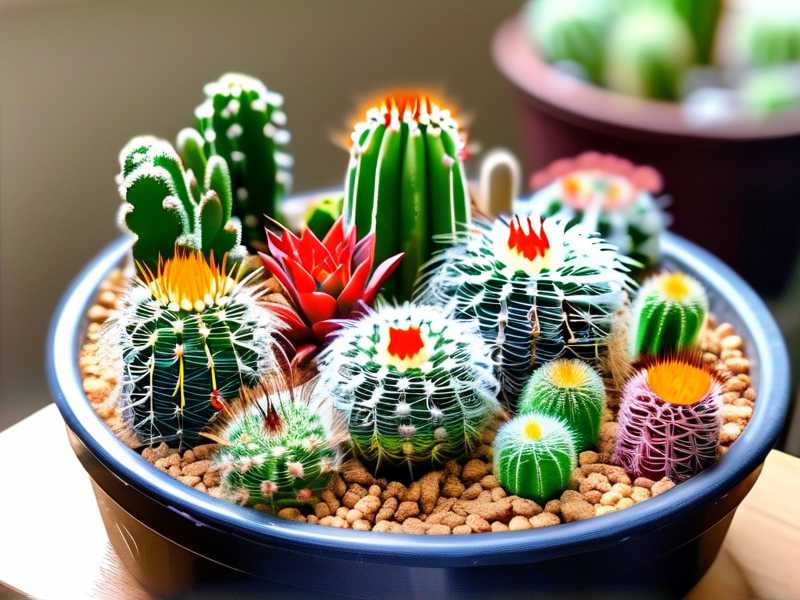
- Plants: Two small, slow-growing cacti (a Mammillaria and an Echeveria, which is technically a succulent but shares care needs) and one small air plant for vertical interest.
- Tools: Long tweezers, a small spoon, and a spray bottle for precise watering.
The Step-by-Step Build: Creating a Dry Landscape
Selecting and Preparing Your Container I chose an open bowl specifically to avoid moisture buildup. Before starting, I cleaned it thoroughly with mild soap to prevent fungal growth.
Building the Foundation: Drainage is King This is the most critical step. I poured in the gravel layer—this acts as a reservoir for any excess water, keeping the roots above the wet zone. The landscape fabric on top keeps the soil separate and functional.
Crafting the Perfect Arid Soil Mix While I used a commercial mix, the American Horticultural Society (AHA) suggests creating your own with two parts potting soil, one part coarse sand, and one part perlite or pumice for maximum drainage. I mounded the soil to create hills and valleys for a natural desert look.
Planting with Precision and Care Using the tweezers and spoon, I made small holes. I gently teased the roots of my cacti and nestled them in, wearing gloves to avoid spines. The goal is minimal disturbance. I left ample space between plants for air circulation and future growth.
The Finishing Touches: Decoration and Initial Watering I added a few pieces of decorative sandstone and a tiny ceramic figurine. For the first watering, I used a spray bottle to lightly moisten the soil around the base of each plant—just enough to settle the roots. No soaking allowed.
The Critical 2-Week Care and Observation Log
This is where theory met reality. I placed the terrarium on a bright windowsill with indirect light (direct afternoon sun through glass can scorch plants).
Days 1-3: The Settling Period The soil surface dried out quickly, a good sign. The cacti looked unchanged, which is ideal. No watering.
Days 4-7: First Test - The Watering Temptation The soil was completely dry an inch down. My instinct was to water, but I resisted. Cacti store water in their stems; they weren’t thirsty yet. This is the most common mistake in cactus terrarium care.
Day 8: Implementing the "Soak and Dry" Method Using a small, long-spouted watering can, I directed water onto the soil at the base of each plant until I saw a tiny bit of moisture appear in the gravel layer below. I then allowed it to drain completely. No water sat on the surface.
Days 9-12: Vigilant Monitoring I checked daily for signs of stress. The Echeveria’s leaves felt firm and plump, indicating good hydration. The Mammillaria showed no shrinkage or discoloration. The air plant received a 5-second mist mid-week.
Days 13-14: Success Evaluation After two weeks, both cacti showed no signs of rot or etiolation (stretching for light). The soil was bone dry again, and the cycle was ready to repeat. The system was working.
Pitfalls I Encountered and How I Fixed Them
The Fungus Gnat Invasion (Day 5): Tiny flies appeared—a sign of overly moist organic matter. My soil, though labeled for cacti, still had too much peat. Solution: I sprinkled a thin layer of fine aquarium sand over the soil surface. This created a dry top-dressing that deterred gnats from laying eggs and improved the desert aesthetic. For a future miniature cactus terrarium setup, I will use a grittier, self-mixed soil.
The "Leaning" Cactus (Day 10): My Mammillaria started to tilt. The root ball was too small and the soil too loose. Solution: I carefully used the tweezers to add more gritty soil mix around its base for support. I now know to pack the soil more firmly during initial planting for small cactus terrarium maintenance.
Condensation Confusion: Even with an open top, I noticed slight morning condensation on the glass below the soil line. This panicked me at first. Solution: I realized this was normal evaporation from the drainage layer and simply meant my watering was sufficient. I moved the terrarium to a spot with slightly better air circulation, and it cleared up.
Long-Term Maintenance for a Thriving Display
- Watering: Only when the soil is completely dry, potentially every 3-4 weeks. In winter, it may be 6-8 weeks. Always water the soil, not the plant body.
- Light: Bright, indirect light for 6+ hours a day. Rotate the bowl occasionally for even growth.
- Feeding: A diluted, low-nitrogen cactus fertilizer once in early spring and once in mid-summer.
- Pruning: Remove any dead material with sterilized tweezers. Watch for offsets that can be carefully removed and propagated if the display becomes too crowded.
How often should I water my cactus terrarium? There is no fixed schedule. The only reliable method is the "finger test." If the soil is dry an inch or two down, it’s time to water deeply but infrequently, ensuring no water remains pooled. In my environment, this translates to about once a month.
Can I use a closed terrarium for cacti? It is highly discouraged. A closed environment creates constant high humidity, which will almost certainly lead to root and stem rot. An open container with excellent drainage is essential for cactus survival.
What are the best cactus types for a mini terrarium? Opt for slow-growing, small varieties that tolerate similar light conditions. Excellent choices include Star Cactus (Astrophytum), Button Cactus (Epithelantha), and small Rebutia or Parodia species. Avoid large, columnar cacti that will quickly outgrow the space.
Creating a healthy miniature cactus terrarium is about embracing the desert ethos: abundance of light, scarcity of water, and plenty of air. It’s a lesson in restraint and observation. By choosing the right container, building a ruthless drainage system, and learning to read your plants’ silent cues, you can cultivate a stunning, long-lived piece of living art. My two-week journey proved that with the right setup, these hardy plants can not only survive but thrive in their miniature glass landscapes. The reward is a low-maintenance, captivating display that brings a slice of the serene desert right into your home.