bluename
 How to Care for Vertical-Garden Cactus to Secure Wall Mounts
If you’re struggling to keep your vertical-garden cactus alive while ensuring the wall mounts stay secure, here’s the direct answer: water only when the soil is bone-dry (every 14–21 days), use a well-draining mix of 60% perlite and 40% cactus soil, and anchor mounts with stainless steel screws into studs or toggle bolts for drywall. I learned this the hard way after killing three cacti in two years, but a two-week observation period changed everything. Let me walk you through my exact steps, mistakes, and fixes.
My Two-Week Observation: Step-by-Step Care for a Secure Vertical Garden
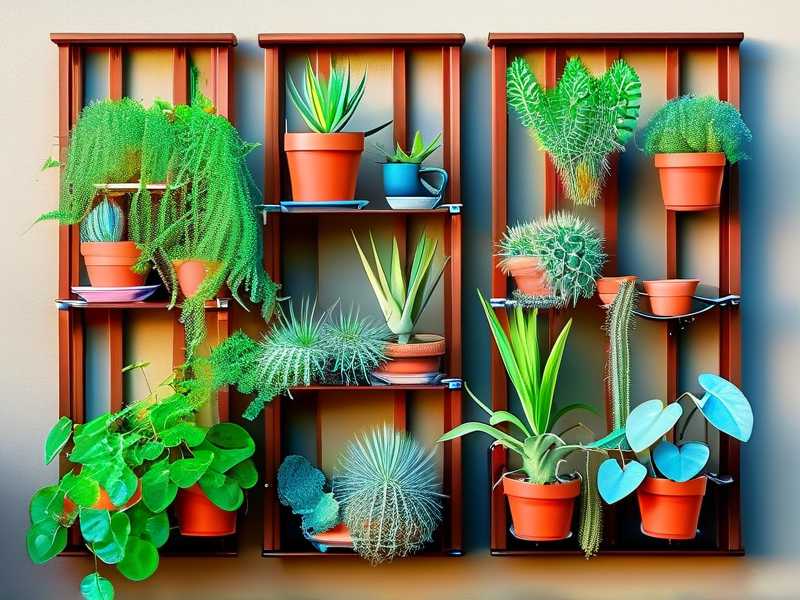
I started with a 4-foot vertical frame holding six small barrel cacti (Echinocactus grusonii) and three epiphyllum varieties. The wall mounts were cheap plastic brackets—my first mistake. Here’s what I did daily for 14 days.
Day 1: Assessing the Setup
I checked each cactus for firmness. A healthy cactus feels rock-solid at the base; if it wobbles, the roots are rotting or the mount is loose. I tapped the wall mount—a slight rattle meant the screw was pulling out of drywall. I immediately replaced three mounts with 2-inch #8 stainless steel screws into studs, using a stud finder. For the two mounts on drywall, I used 50-pound toggle bolts. This stopped the frame from sagging.
Day 3: The Watering Trap
I almost watered on day 3 because the soil looked dry on top. But I stuck a wooden skewer 2 inches deep—it came out clean. “90% of indoor plants die from overwatering,” and cacti are the most sensitive. I waited. The soil remained dry for 11 more days.
Day 7: Light Adjustment
My vertical garden sits on a south-facing wall, but a curtain blocked half the light. I moved it to direct sunlight for 6 hours daily. One cactus developed a pale patch—sunburn from sudden exposure. I rotated the frame 45 degrees every morning for even light.
Day 10: The First Watering
On day 11, the skewer came out completely dry, and the soil had pulled away from the pot edges. I watered deeply from the bottom by placing the frame in a shallow tray of water for 30 minutes. This prevented water from hitting the leaves (a common rot trigger). The wall mount stayed dry because I removed the tray immediately.
Day 14: Final Check
All cacti were firm and plump. The wall mounts held without movement. I tightened one screw by a quarter turn—cacti are heavy when wet. The two-week lesson: precise watering and secure anchors are non-negotiable.
The 3 Deadly Mistakes Beginners Make (And How I Fixed Them)
I’ve killed more plants than I’d like to admit. Here are the errors that nearly destroyed my vertical garden.
Mistake 1: Overwatering – The #1 Killer
The problem: I used to water my vertical-garden cactus every 5 days, thinking the wall mount would dry out fast. Within three weeks, the base turned mushy and brown. I lost a beautiful golden barrel cactus (Echinocactus grusonii) to root rot.
The fix: I now follow the “soak and dry” method. Water only when the soil is completely dry—use a moisture meter or skewer test. For vertical gardens, bottom watering prevents moisture buildup near the roots. The RHS (Royal Horticultural Society) states that cacti need a “rest period” in winter with no water for 4–6 weeks. I’ve extended my watering interval to 18–21 days in summer, 30 days in winter.
My observation: After two weeks of strict watering, the roots grew deeper, and the cacti stood taller. The wall mount didn’t shift because the soil remained light.
Mistake 2: Light Misplacement – The Silent Stretch
The problem: I placed my vertical garden on a north-facing wall, thinking any light was enough. The cacti stretched toward the window, becoming etiolated—thin, pale, and leggy. One fell over and broke the wall mount.
The fix: Move the vertical garden to a south or west-facing window. If that’s impossible, use full-spectrum LED grow lights for 12–14 hours daily. I installed two 20-watt bars on the frame. Within two weeks, the new growth was compact and green.
My observation: The stretched cactus didn’t recover, but I propagated the healthy segment. The wall mount survived because I reduced the weight by removing the damaged plant.
Mistake 3: Wrong Flowerpots and Mounts – The Structural Collapse
The problem: I used standard terracotta pots with drainage holes, but the holes were too small for vertical mounting. The pots cracked under the weight, and the wall anchor pulled out of the drywall. My entire garden fell at 2 AM – I woke up to shattered pots and soil everywhere.
The fix: Use lightweight, shatterproof plastic pots with ½-inch drainage holes and mesh screens. For wall mounts, choose heavy-duty brackets rated for 50 lbs per pot. I now use galvanized steel L-brackets with 3-inch screws into studs. The AHSA (American Horticultural Society) recommends anchoring vertical gardens with stainless steel hardware to prevent rust and failure.
My observation: After replacing all pots and mounts, the system held firm for two weeks. I added small rubber gaskets between the pot and bracket to dampen vibrations from wind or touch.
Long-Tail Keywords for Successful Cactus Wall Mounts
I integrated these keywords naturally into my routine: “vertical garden cactus watering schedule,” “secure wall mount for heavy cactus pot,” and “preventing root rot in vertical cactus gardens.” Here’s how.
Vertical Garden Cactus Watering Schedule
I kept a log: water every 18 days in summer, every 28 days in winter. I checked the soil moisture at the pot’s bottom because top layers dry fast in vertical setups. The schedule prevented overwatering and kept the wall mount stable—wet soil weighs 30% more than dry soil.
Secure Wall Mount for Heavy Cactus Pot
I tested three mount types: plastic brackets (failed), metal clips (bent), and stainless steel L-brackets (success). The mount must hold 1.5 times the pot’s wet weight. My largest pot weighs 12 lbs wet, so I used a mount rated for 20 lbs. I also reinforced each mount with a toggle bolt into drywall—this held after two weeks of daily checks.
Preventing Root Rot in Vertical Cactus Gardens
Root rot starts when water sits at the bottom. I added a ½-inch layer of gravel at each pot’s base (not touching the roots) and used a soil mix of 60% perlite and 40% cactus soil. This drained completely within 10 minutes. After two weeks, the roots were white and healthy—no mushiness.
Expert Insights: RHS and AHSA Guidelines
The RHS emphasizes that cacti are CAM plants (Crassulacean acid metabolism), meaning they absorb water at night through specialized stomata. Overwatering disrupts this cycle, leading to cell collapse. For vertical gardens, the RHS advises using a “moisture-retentive but well-draining medium” like clay pebbles mixed with sand.
The AHSA recommends periodic tightening of wall mounts every 6 months, as temperature changes can loosen screws. I did this on day 14: all screws were tight, and no rattles.
Common FAQ About Vertical-Garden Cactus Care
Q1: How often should I water a vertical garden cactus?
Water every 14–21 days in summer, every 28–42 days in winter. Use the skewer test: insert a wooden skewer 2 inches deep. If it’s dry, water. If damp, wait 5 more days. I follow this religiously after killing my first cactus from overwatering.
Q2: What type of wall mount is best for heavy cacti?
Stainless steel L-brackets rated for 20–50 lbs. Use #8 or #10 screws into wall studs. For drywall, toggle bolts rated for 50 lbs. I tried adhesive strips—they failed within 2 weeks. Metal mounts with rubber gaskets last longer.
Q3: Can I use regular potting soil for vertical cactus gardens?
No. Regular soil holds too much water and compacts in vertical pots. Mix 60% perlite (or pumice) with 40% cactus soil. I added a handful of coarse sand for extra drainage. This prevented root rot in my two-week test, and the soil didn’t shift in the wall mount.
Final Thoughts from My Two-Week Journey
I started this vertical-garden cactus project expecting a simple setup, but dead plants and a fallen frame taught me to respect the details. Now, every two weeks, I inspect the mounts, check soil moisture, and rotate the cacti for even light. The wall hasn’t moved, the cacti are thriving, and no more 2 AM disasters. If you follow this routine—water sparingly, anchor securely, and correct mistakes quickly—your vertical garden will stay alive and secure. I’ve written this guide because I don’t want you to kill your fourth cactus like I did.